What to Feed a Baby with Constipation or Diarrhea
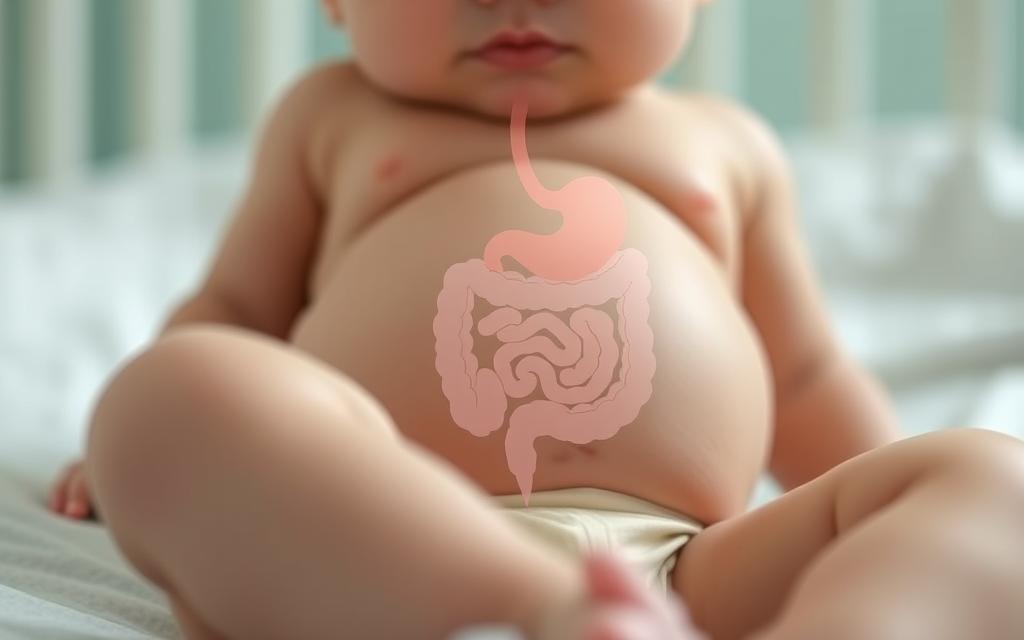
Constipation and diarrhea are common in babies and worry parents. Proper nutrition is key to help these issues and keep the baby healthy.
Knowing the right foods can ease a baby’s tummy troubles and aid digestion. As a parent, it’s important to manage your baby’s digestive health well.
Key Takeaways
- Proper nutrition is vital for babies with constipation or diarrhea.
- Certain foods can help ease digestive problems in babies.
- Understanding infant digestive health is essential for parents.
- Feeding a baby with tummy issues needs careful thought.
- A balanced diet promotes healthy digestion.
Understanding Baby Digestive Issues
Digestive problems in babies worry parents a lot. Knowing what’s normal with bowel movements is the first step. Infant digestive health is very important. Knowing what’s normal helps spot issues early.
Normal Bowel Movements in Babies
Bowel movements in babies change a lot, depending on if they’re breastfed or formula-fed. It’s important to understand these differences to spot digestive problems.
Breastfed vs. Formula-Fed Babies
Breastfed babies have bowel movements more often than formula-fed ones. Their stools are usually loose and seedy, which is okay. On the other hand, formula-fed babies have fewer, more solid stools.
When solid foods are introduced, bowel movements can change. Babies might have different stool types, which is normal with new foods. But, if changes last or come with diarrhea or constipation, it’s time to check closer.
Watching these changes and knowing what’s normal for your baby helps. It makes it easier to give baby constipation relief or handle diarrhea in babies well.
Common Causes of Constipation in Babies
It’s important to know why babies get constipated. This helps us find ways to make them feel better and keep their digestive system healthy. Constipation in babies can happen for many reasons, like what they eat, not drinking enough water, or having a medical issue.
Diet-Related Causes
What a baby eats can really affect their bowel movements. Changes in their diet can lead to constipation.
Formula Changes
Switching formulas can sometimes cause constipation. This is because different formulas have different proteins and minerals. These can change how often a baby goes to the bathroom.
Introduction to Solid Foods
When babies start eating solid foods, they might get constipated. Foods like bananas or rice cereal are low in fiber. This can make their stools harder.
Dehydration
Not drinking enough water is a common reason for constipation in babies. When they don’t have enough fluids, their stools can become hard and hard to pass.
Medical Conditions
Sometimes, constipation is a sign of a bigger health issue. Conditions like hypothyroidism or Hirschsprung’s disease can affect how a baby’s bowels work.
| Cause | Description | Relief Measures |
|---|---|---|
| Diet-Related Causes | Changes in diet, such as formula changes or introduction to solid foods | Adjust diet, increase fluid intake |
| Dehydration | Insufficient fluids leading to hard stools | Increase fluid intake, offer water or breast milk |
| Medical Conditions | Underlying conditions like hypothyroidism or Hirschsprung’s disease | Consult a pediatrician for diagnosis and treatment |
Common Causes of Diarrhea in Babies
It’s important to know why babies get diarrhea. There are many reasons, and knowing them helps us care for our little ones better.
Infections
Infections often cause diarrhea in babies. These can be:
- Viral infections, such as rotavirus
- Bacterial infections, such as E. coli
Viral Causes
Viruses like rotavirus and norovirus spread easily and can make babies very sick. Good hygiene practices, like washing hands often, can stop these viruses.
Bacterial Causes
Bacteria, like E. coli and Salmonella, can also cause diarrhea. Keeping food and water clean helps avoid these infections.
Food Sensitivities and Allergies
Some babies get diarrhea because of food allergies or sensitivities. Dairy and gluten are common offenders. If you think this might be the case, talk to a doctor.
Medication Side Effects
Some medicines, like antibiotics, can upset the balance of gut bacteria and cause diarrhea. If your baby is on medication and has diarrhea, ask your pediatrician about other options.
What to Feed a Baby with Constipation or Diarrhea
Dietary changes are important for babies with constipation or diarrhea. The right foods can ease symptoms and support digestion.
Age-Specific Feeding Guidelines
Feeding methods change with the baby’s age. Knowing these differences is key to managing digestive issues.
Newborns (0-6 months)
For newborns, breast milk is the best option. It offers vital nutrients and antibodies. If not possible, a pediatrician-recommended formula is a good alternative.
Older Babies (6-12 months)
Older babies need a varied diet with fruits, veggies, and whole grains. Introducing high-fiber foods can help with constipation.
Breastfeeding Considerations
Breastfeeding moms should eat a balanced diet. This ensures their milk has all the baby needs. Adequate hydration is also important.
Formula Feeding Adjustments
Formula-fed babies might need a formula change if issues persist. Consulting a pediatrician is vital to find the right formula.
By choosing the right foods, parents can help their babies get better from constipation and diarrhea.
Foods That Help Relieve Baby Constipation
To help with constipation in babies, making some diet changes can help. Foods high in fiber are very helpful.
High-Fiber Fruits for Babies
Some fruits can help with constipation because they have a lot of fiber.
Prunes and Pears
Prunes are known for their natural laxative effect. Pears are also good, full of fiber and gentle on the stomach.
Apples and Apricots
Apples have fiber and pectin, which help with bowel movements. Apricots are also good, with fiber and sorbitol, a natural laxative.
Vegetables for Constipation Relief
Some vegetables can also help with constipation. Pureed carrots, peas, and sweet potatoes are high in fiber and easy to digest.
Whole Grains and Cereals
Whole grains like oatmeal and barley are great sources of fiber. Adding these to the baby’s diet can help with regular bowel movements.
- High-fiber fruits like prunes, pears, and apples
- Vegetables such as carrots, peas, and sweet potatoes
- Whole grains and cereals like oatmeal and barley
Foods to Avoid When Baby is Constipated
Certain foods can make constipation worse in babies. It’s important for parents to know what to avoid. Making dietary changes is key to helping a constipated baby feel better.
Low-Fiber Foods
Foods low in fiber can make constipation worse. This includes processed foods and some carbs. They are easy to digest but don’t have enough fiber to help stool move.
Binding Foods
Some foods can slow down bowel movements. This makes it harder for a baby to pass stool. These foods can worsen constipation.
Bananas and Rice
Bananas and rice are binding foods. They should be eaten in small amounts if a baby is constipated. Bananas are good for diarrhea but can cause constipation in some cases.
Dairy Products
Dairy products can also cause constipation in some babies. This is true for babies who are sensitive to dairy or eat too much of it. Watching how a baby reacts to dairy can help figure out if it’s causing constipation.

Being careful about these foods can help a constipated baby. It’s wise to talk to a healthcare provider for advice on managing constipation in babies.
Hydration Strategies for Constipated Babies
Keeping your baby hydrated is key to fighting constipation. Drinking enough water makes stool softer and easier to pass. This helps reduce the pain of constipation.
Water Intake Guidelines by Age
The water needs of a baby change as they grow. Infants under 6 months get enough hydration from breast milk or formula. For babies over 6 months, you can introduce small amounts of water. Here are some guidelines:
- 6-12 months: 4-8 ounces of water per day
- 1-2 years: 8-16 ounces of water per day
Beneficial Fruit Juices
Some fruit juices can help with constipation because they have natural laxatives. Prune juice and apple juice are good choices.
Prune Juice Dilution
Prune juice is very effective against constipation. Mix it with water (1 part prune juice to 1 part water) to prevent stomach upset. Start with 1-2 ounces and adjust as needed.
Apple Juice Options
Apple juice is also helpful. Use a diluted, 100% apple juice without added sugars. The sorbitol in apple juice can make stool softer.
Key Takeaways: Keeping your baby hydrated and using beneficial fruit juices can help with constipation. Always talk to a pediatrician before changing your baby’s diet.
The BRAT Diet for Babies with Diarrhea
The BRAT diet is a known way to handle diarrhea in babies. It focuses on foods that are easy to digest. These foods help manage diarrhea by being gentle on the baby’s stomach.
Bananas, Rice, Applesauce, and Toast
The BRAT diet includes bananas, rice, applesauce, and toast. These foods are soft on the stomach and help make stool firmer. Bananas are full of potassium, which is lost with diarrhea. Rice is easy to digest and helps bind stool. Applesauce is another soft food that adds calories. Toast, made from white bread, is also gentle.
How to Introduce BRAT Foods
Start with small amounts of BRAT foods to see how your baby reacts. Begin with one food, like bananas or rice. Watch for any signs of discomfort. If they do well, you can add more BRAT foods slowly.
Beyond BRAT: Other Gentle Foods
There are other soft foods that can help with diarrhea in babies. These include probiotics, yogurt, and proteins that are easy to digest.
Probiotics and Yogurt
Probiotics help balance gut bacteria. Yogurt with live cultures is a good probiotic source. Start with small amounts.
Easily Digestible Proteins
Chicken and plain tofu are soft proteins for babies. Start with small amounts. Make sure these foods are cooked well to avoid infection.
Foods to Avoid When Baby Has Diarrhea
If your baby has diarrhea, some foods can make it worse. It’s important to know what to avoid. Making smart food choices can help ease their discomfort and aid in recovery.
Foods That Can Worsen Diarrhea
Some foods can upset a baby’s stomach more, making diarrhea worse. It’s key to know and avoid these foods.
High-Fiber Foods
High-fiber foods are good for most, but not for a baby’s sensitive stomach with diarrhea. Limit raw fruits and vegetables.
Fatty or Greasy Foods
Fatty or greasy foods are hard to digest and can make diarrhea worse. Avoid fried foods and high-fat foods until their stomach issues clear up.
Dairy Considerations
Dairy can be tough for babies with diarrhea, mainly if they’re lactose intolerant. Look into lactose-free alternatives or talk to your pediatrician.
Fruit Juices and Sweetened Drinks
Fruit juices and sweetened drinks can make diarrhea worse because of their sugar. Stick to breast milk or formula as the main food source during this time.
Preventing Dehydration During Digestive Issues
When babies have digestive problems, keeping them hydrated is key. Dehydration can get worse fast, so it’s important to know the signs and act quickly.
Signs of Dehydration in Babies
Babies can’t say they’re sick, so watch for dehydration signs. Look for fewer wet diapers, a dry mouth, or if they seem very tired. If you see these, call your pediatrician right away.
Oral Rehydration Solutions
Oral rehydration solutions help replace lost fluids and salts. There are two main kinds:
Commercial Products
Products like Pedialyte are made for babies and can be found in pharmacies.
Homemade Options
You can also make your own solution at home. But, make sure to use a recipe approved by a doctor to keep it safe and effective.
| Age | Recommended Fluid Intake |
|---|---|
| 0-6 months | Breast milk or formula; consider oral rehydration solutions if advised by a pediatrician |
| 6 months+ | Continue breastfeeding; offer small amounts of oral rehydration solution or water in addition to regular feedings |
Breastfeeding During Illness
Keep breastfeeding when your baby is sick. Breast milk has important nutrients and antibodies that fight off infections.
Transitioning Back to Normal Diet
Getting back to a normal diet after a tummy issue takes time and care. It’s key to let your baby’s stomach fully heal before changing their food. This ensures they can digest food well again.
Gradual Introduction of Regular Foods
Begin by adding small amounts of their usual foods one at a time. Watch for any bad reactions. This gradual introduction helps spot food sensitivities or allergies that might have caused the problem.
Monitoring for Recurring Symptoms
Watch your baby’s stool, mood, and any signs of pain closely. If symptoms come back, slow down adding new foods or talk to a doctor.
Establishing Healthy Eating Habits
As you move back to their usual diet, aim to establish healthy eating habits. Give them a mix of foods rich in nutrients to help them grow. Also, steer clear of foods that can upset their stomach.
Conclusion
Knowing what to feed a baby with constipation or diarrhea is key to easing their discomfort. It also helps with their overall digestive health. By choosing the right foods, parents can prevent and manage these issues.
Making dietary changes is important for babies with constipation or diarrhea. Adding high-fiber foods and keeping them hydrated helps a lot. For diarrhea, the BRAT diet is good. For constipation, fruits, veggies, and whole grains are best.
Parents need to watch their baby’s symptoms closely and change their diet if needed. If problems don’t go away, seeing a doctor is a must. Taking care of a baby’s digestive health early on helps them get better fast.
By following these tips, parents can greatly improve their baby’s health. Being careful about what they eat is a big step towards their baby’s well-being.