
Infant Food Sensitivities vs. Allergies: What’s the Difference?
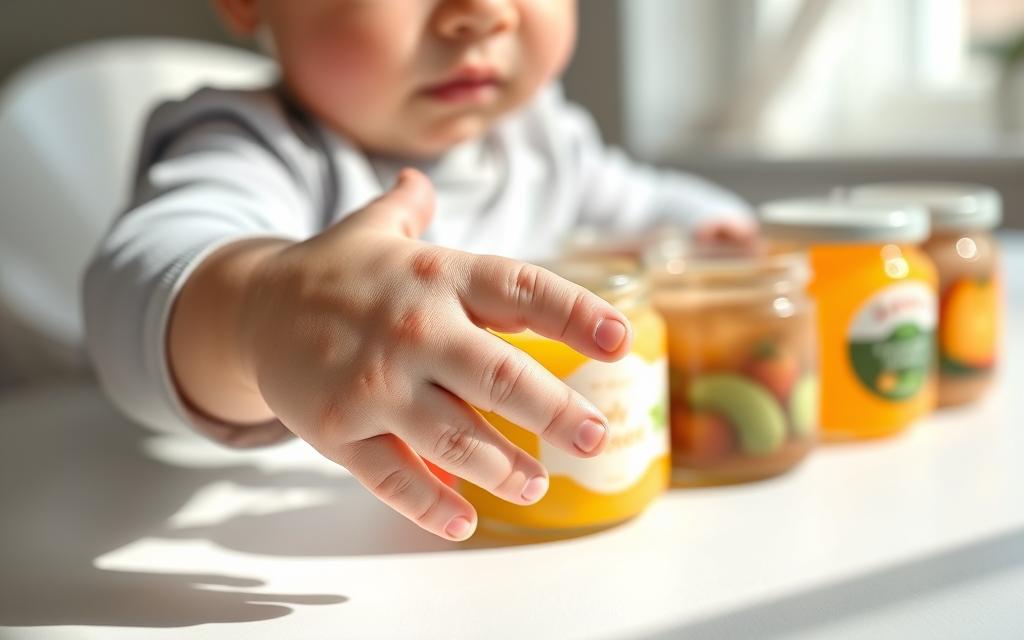
As a parent, you worry about your baby’s health, including their diet. The U.S. Centers for Disease Control and Prevention say about 8% of children have baby food allergies.
It’s important to know the difference between food sensitivities and allergies for your baby’s health. Both can make your baby uncomfortable, but they show different signs and have different effects.
Key Takeaways
- Food allergies affect a significant percentage of children.
- Understanding the difference between sensitivities and allergies is key.
- Parents should know the signs and symptoms of both.
- Getting a proper diagnosis is vital for managing the condition.
- Always talk to a healthcare professional for advice.
Food Sensitivities vs. Allergies in Infant: Understanding the Basics
Food allergies and sensitivities are common in infants but often confused. It’s key for parents to know the difference to care for their babies well.
Defining Food Allergies in Babies
A true food allergy is when the immune system reacts to a food. In babies, this can cause serious allergic reactions. Symptoms include hives, itching, swelling, stomach cramps, and diarrhea. In the worst cases, it can lead to anaphylaxis.
It’s important to know that a food allergy is an immune system issue. This knowledge helps in diagnosing and treating it.
Defining Food Sensitivities and Intolerances
Food sensitivities or intolerances don’t affect the immune system like allergies do. They happen when the body can’t digest certain foods well. For example, lactose intolerance is when an infant can’t digest lactose in milk because they lack the lactase enzyme.
Symptoms include bloating, gas, and diarrhea. These symptoms are usually milder than those of a food allergy.
Key Differences in Immune System Response
The main difference between a food allergy and sensitivity is how the body reacts. Allergies cause an immune response, leading to severe reactions. Sensitivities, on the other hand, mainly affect digestion without involving the immune system.
Knowing these differences helps manage symptoms and prevent serious problems.
Understanding food allergies and sensitivities helps parents deal with feeding challenges. It also lets them spot issues early.
Common Symptoms of Food Allergies in Infants
It’s important to know the signs of food allergies in babies. These allergies happen when a baby’s immune system reacts to certain foods. This can cause a variety of symptoms.
Immediate Allergic Reactions
Immediate reactions can happen fast, within minutes to hours. Symptoms include hives, swelling, and trouble breathing. In the worst cases, anaphylaxis can happen, which is very serious and needs quick medical help.
Severe Allergic Reactions and Anaphylaxis
Severe reactions can be very dangerous and need fast treatment. Experts say, “Anaphylaxis is a severe, potentially life-threatening allergic reaction that can occur within minutes of exposure to an allergen.” It’s key to know the signs of anaphylaxis, like trouble breathing, a fast heartbeat, and low blood pressure.
Skin Manifestations of Food Allergies
Skin symptoms are common in food allergies in babies. These can include:
- Hives and rashes: Red, itchy, and raised skin lesions.
- Eczema flare-ups: Inflammation of the skin, leading to dryness, redness, and itching.
Hives and Rashes
Hives and rashes are common signs of food allergies. They look like red, itchy, and raised spots on the skin.
Eczema Flare-ups
Eczema can get worse because of food allergies. It causes inflammation, dryness, and itching. To manage eczema, it’s important to avoid allergenic foods and use topical treatments.
Signs of Food Sensitivity in Newborns
Newborns can show signs of food sensitivity in different ways. It’s important for parents to know these symptoms. Food sensitivity can cause mild discomfort or serious health problems. Knowing these signs helps in giving the right care.
Digestive Symptoms of Food Sensitivities
Digestive issues are a main sign of food sensitivity in newborns. These can include:
Colic and Excessive Gas
Colic and too much gas are signs of food sensitivity. Babies may cry a lot and their belly may swell from trapped gas.
Reflux and Vomiting
Reflux and vomiting are also signs of food sensitivity. Newborns may spit up a lot or vomit forcefully.
Behavioral Changes Related to Food Sensitivities
Food sensitivity can also change a newborn’s behavior. They might become irritable, fussy, or tired. Parents may see their baby act uncomfortable or restless after eating.
Delayed Reactions in Food Sensitivities
It’s key to know that reactions to food sensitivities can be delayed. Unlike quick allergic reactions, sensitivities may show symptoms hours or days later.
Spotting these signs early helps parents and caregivers manage the condition. It ensures the newborn’s comfort and health.
Most Common Food Allergens for Babies
Knowing the most common food allergens is key for parents to keep their babies safe and healthy. Food allergies happen when the immune system overreacts to certain foods. For babies, this can be very worrying. It’s important to know which foods are most likely to cause allergies and how they might affect your baby.
The “Big Eight” Allergens
The “Big Eight” allergens cause most food allergy reactions in babies. These include peanuts, tree nuts, eggs, shellfish, fish, milk, soy, and wheat. When introducing these foods to your baby, it’s vital to watch for any signs of an allergic reaction.
Age-Related Patterns in Food Allergies
Age is a big factor in food allergies. Babies under one are more likely to have allergies to milk, eggs, and soy. Older babies and toddlers might react to peanuts, tree nuts, and fish. Knowing these patterns helps parents introduce new foods safely.
| Allergen | Common Age of Reaction | Symptoms to Watch For |
|---|---|---|
| Milk | Under 1 year | Rash, digestive issues |
| Peanuts | Around 1-2 years | Hives, anaphylaxis |
| Eggs | Under 1 year | Skin rashes, gastrointestinal issues |
Common Triggers for Infant Food Sensitivities
Finding out what causes food sensitivities in babies is very important. These sensitivities can show up in many ways. So, it’s key for parents to know what foods might be the problem.
Dairy and Lactose Intolerance
Dairy and lactose intolerance are big issues for baby food sensitivities. Lactose intolerance happens when the body can’t break down lactose. This can lead to bloating, gas, and diarrhea.
Switching to a lactose-free formula or breastfeeding with a dairy-free diet can help. It can make these symptoms go away.
Gluten and Wheat Sensitivities
Gluten and wheat sensitivities are also big concerns. Gluten sensitivity or non-celiac gluten sensitivity can cause fussiness, diarrhea, and stomach pain. For sensitive babies, using gluten-free alternatives is a good option.
Other Common Sensitivity Triggers
Other foods that might cause sensitivities include soy, eggs, and nuts. It’s important for parents to watch how their baby reacts to new foods. They should change their diet if needed.
Keeping a food diary can help track symptoms. It can also help find out what might be causing them.
Diagnosing Food Allergies in Infants
Diagnosing food allergies in infants is a detailed process. It involves recognizing symptoms, running tests, and consulting with doctors.
Allergy Testing Methods for Babies
There are several ways to find out if a baby has a food allergy. These include:
Skin Prick Tests
Skin prick tests are done by putting a small amount of the suspected allergen on the skin. Then, the skin is pricked to let a tiny bit in. The skin is watched for any signs of an allergic reaction.
Blood Tests for Allergies
Blood tests check for allergy-related antibodies in the blood. They help find out which food is causing the problem.
Oral Food Challenges
Oral food challenges involve giving the baby small amounts of the suspected food. This is done under close medical watch to see if there’s a bad reaction.
Working with Allergists and Pediatricians
Getting a food allergy diagnosis and managing it in infants needs teamwork with allergists and pediatricians. They guide on the best tests, explain the results, and plan how to handle the allergy.
| Testing Method | Description | Advantages |
|---|---|---|
| Skin Prick Test | Places a small amount of allergen on the skin | Quick results, can be performed in a doctor’s office |
| Blood Test | Measures allergy-related antibodies in the blood | Can be used when skin prick is not feasible, provides quantitative results |
| Oral Food Challenge | Involves consuming small amounts of suspected allergenic food | Considered the gold standard for diagnosis, provides clear evidence of an allergy |
Understanding how to diagnose food allergies and working with doctors helps parents manage their baby’s allergies. This ensures the baby’s safety and well-being.
Identifying Food Sensitivities in Babies
Food sensitivities in infants can be tricky to spot. They are different from food allergies, which cause an immediate reaction. Sensitivities often lead to delayed reactions, making it hard for parents to find the problem.
Elimination Diets and Food Journals
One way to find out if a baby has a food sensitivity is through elimination diets. This means removing possible foods for 2-3 weeks and then adding them back one at a time. Keeping a food journal is key to track what’s eaten and any reactions.
Parents should work with their pediatrician to make sure their baby gets all the nutrients they need. Finding out about food sensitivities can take time, so patience is important.
Challenges in Diagnosing Food Sensitivities
Figuring out food sensitivities can be tough because of the delayed and varied reactions. Symptoms can be anything from tummy troubles to skin issues and mood swings. It’s hard to know what’s causing it because the symptoms can look like other problems.
Also, babies are always trying new foods, making it hard to figure out which one is the problem. A careful approach, like a detailed food journal and possibly an elimination diet, is needed to find out about food sensitivities.
Managing Food Allergies in Infants
Parents of infants with food allergies must be very careful. They need to know how to spot and avoid risks. This includes understanding the allergy and how to react if there’s an allergic reaction.
Creating an Allergy Action Plan
Having an allergy action plan is key. It should tell you what to do in case of an allergic reaction. This includes using emergency meds and getting medical help. Always work with your doctor to make a plan that fits your baby’s needs.
Reading Food Labels and Avoiding Allergens
It’s important to read food labels well. You need to know the common allergens and how to spot them. Look out for hidden allergens and foods that can cause cross-reactions.
Emergency Medications and When to Use Them
Knowing when to use emergency medications is critical. These, like epinephrine auto-injectors, can save lives in severe reactions. Make sure you know how to use them and have them ready.
By following these steps, you can keep your baby safe from severe food allergy reactions.
Addressing Infant Food Sensitivities Through Diet
Managing food sensitivities in infants means making smart food choices. It’s about breastfeeding, choosing the right formula, and introducing solid foods carefully.
Breastfeeding Considerations for Sensitive Babies
Mothers need to watch what they eat while breastfeeding. Avoiding common allergens like dairy, nuts, and soy can help. They should talk to their doctor to find out what to avoid.
Formula Options for Babies with Sensitivities
Choosing the right formula is key if breastfeeding isn’t an option. Hydrolyzed formulas and amino acid-based formulas are good choices. They are made to be gentle on sensitive tummies.
| Formula Type | Description | Benefit for Sensitive Babies |
|---|---|---|
| Hydrolyzed Formula | Proteins are broken down into smaller pieces | Easier to digest for sensitive babies |
| Amino Acid-Based Formula | Formulas made from individual amino acids | Ideal for babies with severe sensitivities |
Introducing Solid Foods to Sensitive Infants
Start with single-ingredient purees when introducing solid foods. Watch for any signs of sensitivity. Introduce new foods one at a time to find out what might cause a reaction. Knowing the signs of food sensitivity in newborns is important. Always check with a pediatrician if you’re worried.
Long-term Outlook: Will They Outgrow It?
Parents need to understand the future for babies with food allergies and sensitivities. These conditions can greatly affect a child’s life. Knowing what to expect long-term is very helpful.
Prognosis for Infant Food Allergies
Many kids grow out of their food allergies, mostly if they start before 3. The chance of outgrowing an allergy depends on the allergen.
Allergy Resolution Rates by Food Type
Allergies to milk and eggs are more likely to fade away. About 80% of kids with egg allergies stop reacting by age 16.
Factors Affecting Outgrowing Allergies
Several things can influence if a child will outgrow an allergy. These include how severe the allergy is, if they have other allergies or asthma, and how much they’re exposed to the allergen.

Prognosis for Infant Food Sensitivities
Food sensitivities have a different outlook than allergies. Some babies may outgrow them as their digestive system matures. Others might keep experiencing symptoms into childhood or adulthood.
Managing and watching food sensitivities with diet changes and doctor advice can help. It can make symptoms better and improve life quality.
Conclusion
It’s very important to know the difference between food sensitivities and allergies in babies. Symptoms, diagnosis, and treatment are all different. Food sensitivities might show up as tummy troubles or mood swings. Allergies, on the other hand, can cause serious and quick reactions.
Handling food allergies in babies needs a detailed plan. This includes making an allergy action plan, checking food labels, and knowing when to use emergency meds. For sensitivities, it’s all about avoiding certain foods. How to feed a baby, including breastfeeding and solid foods, is also important.
Parents and caregivers must team up with doctors to handle these issues. By understanding the differences and taking the right steps, babies can live better lives. With the right care, many babies can grow out of these problems.