The Vascular Truth: What Cardiologists Discover Before Urologists

It’s key to know how heart health and vascular health are linked for our overall well-being.
Cardiologists usually find out about a patient’s vascular health first. This is before urologists can spot related urological problems.
This link is important because vascular health affects many body functions. This includes those related to urology.
Key Takeaways
- Cardiologists are vital in spotting vascular health issues.
- The link between heart health and urological health is significant.
- Knowing about vascular health can help avoid urological issues.
- Early detection by cardiologists can lead to better health outcomes.
- It’s important for cardiologists and urologists to work together for complete care.
The Interconnected Systems: Cardiovascular and Urological Health
The human body is made up of many systems that work together. The cardiovascular and urological systems are closely linked. They play key roles in our health. Their connection comes from their shared blood vessels and the need for blood flow.
The Shared Vascular Network
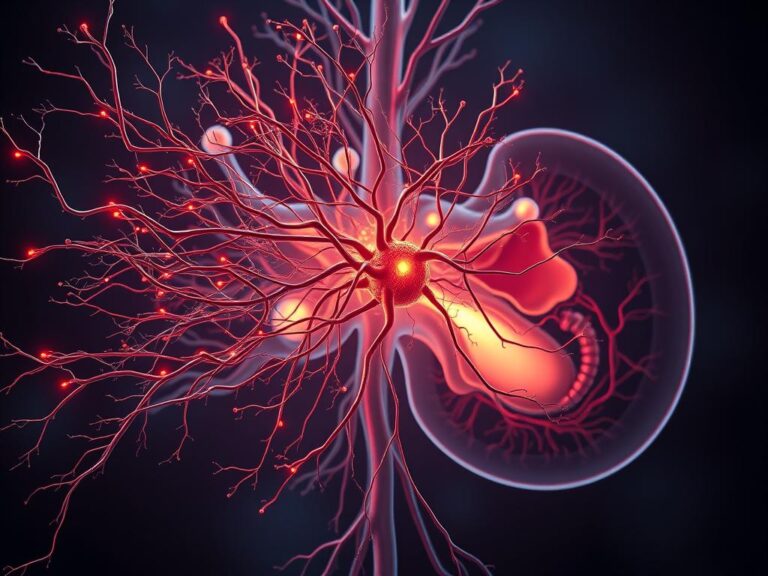
The cardiovascular system circulates blood around the body. It is closely tied to the urological system, which filters waste and manages urine. Both systems need a network of blood vessels to work right.
Common Blood Vessels Serving Both Systems
Some blood vessels serve both systems. For example, the renal arteries branch from the aorta to the kidneys. This shows how heart health and kidney function are connected.
Endothelial Function and System-Wide Health
The endothelium, a thin layer of cells, is vital for blood vessels. It controls blood flow, immune response, and inflammation. Dysfunction in the endothelium can harm both systems.
How Blood Flow Affects Multiple Organ Systems
Good blood flow is key for organs in both systems to work well. The circulatory system brings oxygen and nutrients to organs. This is essential for their health.
Perfusion Requirements for Optimal Function
Organs like the kidneys need a lot of blood flow to filter waste. The heart also needs a strong blood supply to pump well. Reduced perfusion can cause organ problems.
Cascade Effects of Reduced Circulation
Impaired circulation can affect many organs. For instance, less blood to the kidneys can lower their filtering ability. This can lead to toxin buildup, harming the heart.
Early Warning Signs: Cardiovascular Indicators of Urological Issues
The connection between heart health and urinary issues is becoming clearer. Cardiologists are finding that heart signs can point to urinary problems early on. This shows how different body systems are linked.
Hypertension as a Predictor
Hypertension, or high blood pressure, is a big risk for heart disease. But it also affects the urinary system. High blood pressure can lead to kidney disease, which is a big concern.
Blood Pressure Patterns That Signal Kidney Concerns
Some blood pressure patterns can hint at kidney problems. For example, resistant hypertension might mean kidney disease or other urinary issues.
Resistant Hypertension and Urological Implications
Resistant hypertension is more than a heart problem. It also points to urinary system risks. Early detection and treatment are key for these patients.
Arterial Plaque and Its Widespread Effects
Atherosclerosis, or plaque buildup, affects more than just the heart. It impacts urinary health too. Arterial plaque can reduce blood flow to the pelvic area.
How Atherosclerosis Affects Pelvic Blood Flow
Atherosclerosis can cut down blood flow to the pelvic area. This can lead to issues like erectile dysfunction. Managing heart risks is vital for urinary health.
Microvascular Disease Detection
Finding microvascular disease early is key to avoiding damage. New tests can spot this disease early. This allows for quick action to prevent further problems.
The Vascular Truth: What Cardiologists Discover Before Urologists
Cardiologists often find vascular issues before urological symptoms show up. This shows a key link between heart health and urinary health. Both systems use the same blood vessels.
Common Cardiovascular Findings That Precede Urological Symptoms
Some heart health signs can hint at urinary problems before they start. These include:
Endothelial Dysfunction Markers
Endothelial dysfunction makes blood vessel linings work poorly. This can lead to less nitric oxide, a sign of early damage.
Arterial Stiffness Measurements
Arterial stiffness is a sign of poor blood vessel health. It raises the risk of heart problems and can signal urinary issues too.
The Timeline of Vascular Deterioration
Knowing when blood vessels start to fail is key to acting early. How fast this happens can vary a lot between people.
Years Between Cardiovascular and Urological Manifestations
Studies show a big gap between heart and urinary symptoms. This gap is a chance to take steps to prevent problems.
Progression Patterns in Different Demographics
How fast blood vessels fail and affect the urinary system varies. Age, gender, and health conditions all play a part in this.
Knowing these patterns and risks helps doctors spot who’s at risk. They can then take steps to protect both heart and urinary health.
Erectile Dysfunction: A Cardiovascular Red Flag
Erectile dysfunction (ED) is now seen as a key sign of heart health. It shows how important ED is for heart doctors to study. This is because ED often happens before bigger heart problems.
The Vascular Nature of ED
The arteries in the penis are very sensitive to heart health changes. They act as sentinels for systemic disease. If you have ED, it might mean you have problems like atherosclerosis or endothelial dysfunction.
Penile Arteries as Sentinels for Systemic Disease
Because of their small size, penile arteries are more likely to get blocked. This can cause ED. It’s a sign that you might have more widespread heart disease.
Endothelial Function Testing
Testing the endothelial function can tell a lot about your heart health. It helps find people at risk of heart problems.
Why Cardiologists Often Spot the Warning Signs First
Heart doctors are often the first to notice signs of heart disease, like ED. They use cardiovascular risk assessment tools to guess when heart problems might happen.
Cardiovascular Risk Assessment Tools
Tools like the Framingham Risk Score help heart doctors figure out a patient’s heart risk. They look at things like age, blood pressure, and cholesterol levels.
The 3-5 Year Window Before Major Cardiac Events
Studies show ED can signal heart problems 3-5 years before they happen. This time is key for stopping and preventing heart issues.
Some important facts about ED and heart disease are:
- Men with ED are twice as likely to have heart disease.
- ED can be an early sign of endothelial dysfunction.
- Having ED means you’re at higher risk for future heart problems.
Kidney Function and Heart Health: An Inseparable Duo
The kidneys and heart are connected through blood vessels. This connection is key for good heart health and body function.
Cardiovascular Impact on Renal Blood Flow
The heart’s health affects blood flow to the kidneys. The kidneys get about 20% of the heart’s blood. So, they’re very sensitive to blood pressure and flow changes.
Renal Artery Stenosis Detection
Renal artery stenosis is when the arteries to the kidneys narrow. It hurts kidney function. Finding it early is important, often using Doppler ultrasound or angiography.
Glomerular Filtration and Cardiac Output
The glomerular filtration rate (GFR) shows how well the kidneys work. It depends on heart output. If the heart pumps less, GFR goes down, showing how heart and kidney health are linked.
How Heart Failure Affects Kidney Performance
Heart failure really hurts kidney function. When the heart can’t pump well, it reduces blood flow to the kidneys.
Cardiorenal Syndrome Pathways
Cardiorenal syndrome is when heart and kidney problems affect each other. Knowing how they interact helps manage patients with both issues.
Fluid Balance Challenges
Fluid balance is hard to manage in cardiorenal syndrome. Both heart and kidney problems can cause too much fluid. So, careful monitoring and treatment are needed.
In summary, the health of kidneys and heart are closely tied. Understanding and managing this relationship is key for the best care for patients with heart and kidney issues.
Atherosclerosis: The Silent Precursor to Multiple System Failures
Atherosclerosis is a big deal for heart and kidney health. It’s when plaque builds up in arteries, making them narrow and hard. This can harm many parts of the body.
Systemic Effects of Arterial Narrowing
When arteries narrow, blood flow to organs like those in the pelvic area drops. This can really affect your health.
Pelvic Arterial Disease Progression
Pelvic arterial disease, caused by atherosclerosis, can cause erectile dysfunction and other kidney problems. As it gets worse, it can lead to a lot of pain and health issues.
Small Vessel Disease Implications
Small vessel disease, a result of atherosclerosis, harms the tiny blood vessels in organs. If not treated, it can damage organs over time.
Detection Methods in Cardiology vs. Urology
Cardiologists and urologists use different ways to find atherosclerosis. Their methods depend on their area of study.
Sensitivity of Different Diagnostic Approaches
Cardiologists use angiograms to check the heart’s arteries. Urologists might use ultrasound to look at blood flow to the pelvic area.
When Cardiac Tests Reveal Urological Issues
Cardiac tests can sometimes show problems with the kidneys or other areas. This shows how connected vascular health is across different fields.
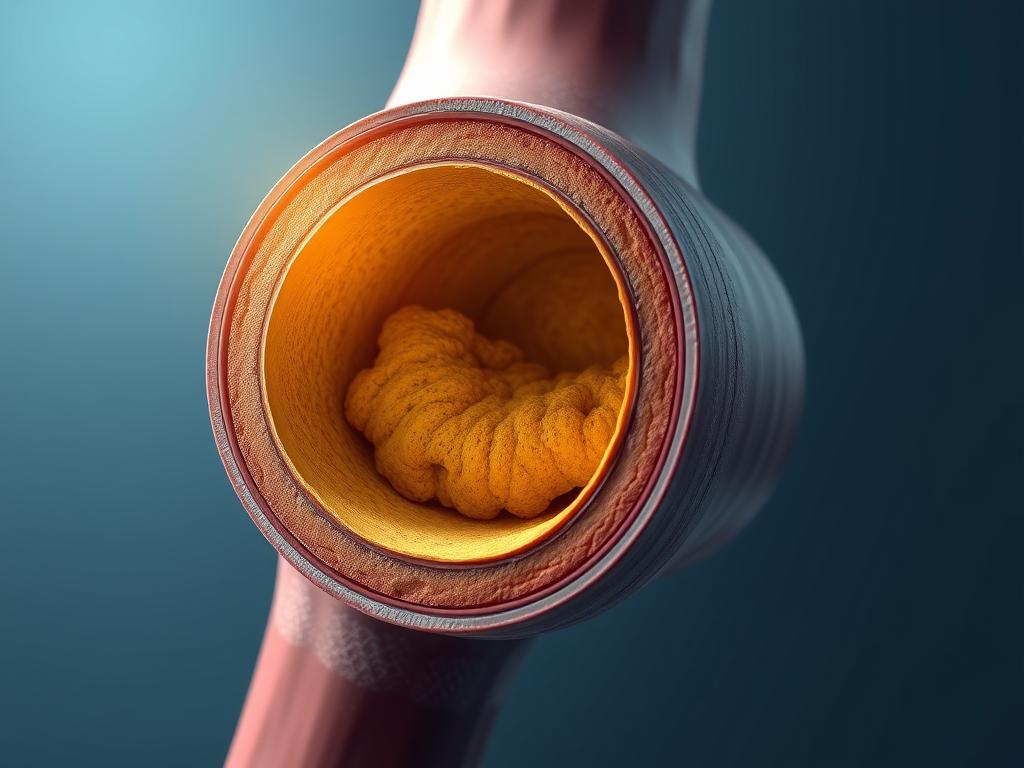
It’s key for cardiologists and urologists to understand atherosclerosis’s effects. Spotting it early can help prevent serious problems.
Diagnostic Tools: How Cardiologists Detect Vascular Issues Early
Cardiologists use many tools to find vascular problems early. This is key to keeping vascular health in check.
Advanced Imaging Techniques
Advanced imaging is a big help in spotting vascular issues early. It gives detailed views of the heart and blood vessels. This lets doctors find problems before they cause symptoms.
Coronary Calcium Scoring
Coronary calcium scoring is a simple test. It checks for calcium in the heart’s arteries. A high score means a higher risk of heart problems.
Vascular Ultrasound Applications
Vascular ultrasound checks blood flow and finds blockages. It’s a key tool for finding vascular problems.
Biomarkers and Blood Tests
Biomarkers and blood tests are also important. They check for inflammation and other signs of heart risk. This helps doctors understand a patient’s heart health.
Inflammatory Markers That Signal Multiple System Involvement
Inflammatory markers like CRP show inflammation in the body. This is a sign of higher heart disease risk.
Novel Predictive Assays
New predictive tests are coming up. They find specific signs of heart risk. These tests help doctors understand a patient’s heart health better.
By using imaging, biomarkers, and blood tests together, cardiologists get a full picture of a patient’s heart health. This lets them act early to manage heart problems.
The Prostate-Heart Connection: Overlooked Relationships
The connection between prostate health and heart health is key to understanding men’s health. Research shows there are strong links between the two.
Shared Risk Factors
Prostate issues and heart disease share common risks like age and obesity. Knowing these risks helps in creating better prevention plans.
Metabolic Syndrome Components
Metabolic syndrome, with its high blood pressure and sugar levels, is a big risk for both prostate cancer and heart disease. Its components can make both conditions worse.
Inflammatory Pathways
Chronic inflammation is a major factor in prostate and heart diseases. Inflammatory pathways harm vascular health and contribute to prostate problems.
How Prostate Treatments Affect Cardiovascular Health
Prostate treatments, like those for cancer, can impact heart health. It’s vital to think about these effects when planning treatments.
Androgen Deprivation Therapy Risks
Androgen deprivation therapy (ADT) for prostate cancer raises heart disease risk. ADT can change lipid profiles and insulin resistance, increasing heart risk.
Monitoring Protocols for Cardiac Safety
To reduce heart risks from prostate treatments, monitoring is key. Regular heart checks can spot problems early, allowing for quick action.
Understanding the ties between prostate and heart health helps doctors create better care plans for men. These plans address both urological and heart needs.
Medications That Bridge Both Specialties
Our knowledge of vascular health is growing. This means we’re learning more about medications that affect both heart and urinary health. The connection between heart and urinary health is complex. This is because of the medicines used to treat these conditions.
Antihypertensives and Their Urological Side Effects
Medicines for high blood pressure are key for heart health. But, they can also affect the urinary system. Alpha blockers, for example, help with high blood pressure and BPH symptoms.
Alpha Blockers: Dual-Purpose Medications
Alpha blockers relax muscles in the prostate and bladder neck. This makes it easier to pee. Their benefits for both heart and urinary health make them important.
Diuretics and Bladder Function
Diuretics help lower blood pressure by making more urine. But, they can also cause problems like more frequent peeing or incontinence.
Urological Medications With Cardiovascular Implications
Some medicines for urinary issues can affect the heart. For example, PDE5 inhibitors are used for erectile dysfunction. They can also impact the heart.
PDE5 Inhibitors Beyond ED Treatment
PDE5 inhibitors may help with pulmonary arterial hypertension too. This shows their benefits go beyond treating erectile dysfunction.
Anticholinergics and Heart Rate Concerns
Medicines for overactive bladder can affect the heart. They can change heart rate. This is why doctors must think carefully before prescribing these medicines to patients with heart issues.
Collaborative Care: When Cardiologists and Urologists Work Together
Cardiologists and urologists teaming up is changing how we care for patients. They tackle tough health problems together, making care better for everyone.
Case Studies of Successful Interdisciplinary Approaches
Many case studies show the good of working together. For example, a man with erectile dysfunction was found to have heart disease. A cardiologist treated the heart issue, which helped his ED too.
Integrated Clinics and Their Outcomes
Clincs where cardiologists and urologists team up are doing great. They offer complete care, cutting down on the need for many doctor visits.
Patient Benefits from Coordinated Care
Patients get better care when doctors work together. They get right diagnoses and plans, saving money by avoiding extra tests.
The Future of Integrated Specialty Care
The future of healthcare is all about working together. New ways of practicing are focusing on teams for better care.
Emerging Models of Practice
New ways of practicing are coming up. They focus on teamwork between doctors. This aims to better patient care and make healthcare smoother.
Technology Facilitating Collaboration
Technology is key in helping cardiologists and urologists work together. Tools like telemedicine and shared records make communication and teamwork easier.
Preventive Strategies: Protecting Both Systems Simultaneously
Preventive measures that target both cardiovascular and urological health offer the best protection. By taking a holistic approach, people can lower the risk of diseases affecting both systems.
Lifestyle Modifications With Dual Benefits
Making lifestyle changes can greatly benefit both heart and urinary health. Regular physical activity and a balanced diet are key.
Exercise Protocols for Vascular Health
- Aerobic exercises like walking, cycling, or swimming for at least 150 minutes weekly.
- Resistance training to boost muscle and vascular health.
- High-intensity interval training (HIIT) for better heart health.
Dietary Approaches to Reduce Inflammation
- Eat more fruits, vegetables, and whole grains.
- Drink less processed foods and sugars.
- Add foods high in omega-3s, like salmon and walnuts.
Screening Recommendations Across Specialties
Early detection is vital for managing vascular diseases. Regular screenings can spot risk factors early.
Age-Appropriate Testing Guidelines
Start regular check-ups at 40, more often if you have a family history or risk factors.
Risk-Based Assessment Tools
Use tools like the Framingham Risk Score to assess heart risk. This guides preventive steps.
Conclusion: The Importance of Comprehensive Vascular Health
It’s key to understand how the heart and kidneys are connected. This connection is vital for our health. The vascular system ties both together, making it important for our well-being.
Doctors who focus on the heart and kidneys need to work as a team. They look for signs of problems early on. This helps in treating both heart and kidney issues together.
Keeping our vascular system healthy is a big job. It involves changing our lifestyle and getting regular check-ups. This helps prevent heart and kidney problems, making us feel better overall.
In short, taking care of our vascular health is a big deal. It helps us see the whole picture of health. By working together, doctors can find better ways to prevent and treat diseases.