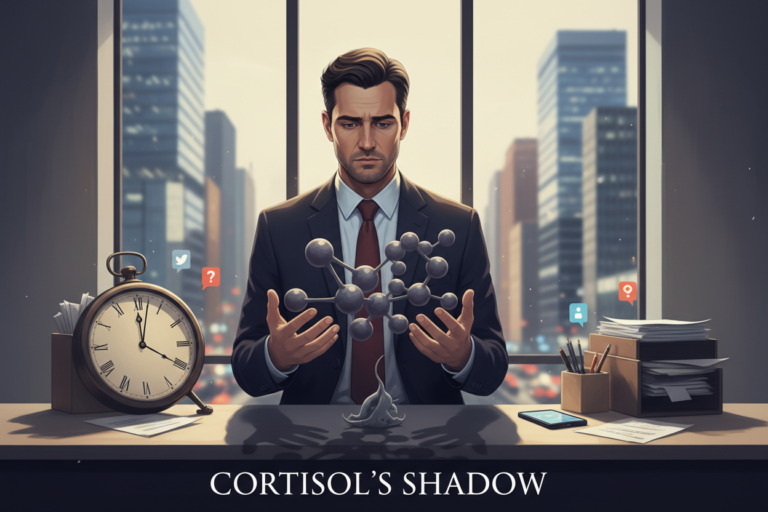
The Psychological ED Trap: When Your Brain Becomes the Problem

Erectile dysfunction (ED) is often seen as a physical issue. But psychological factors play a big role in many cases. It’s important to understand how the brain and ED are connected for effective treatment.
The mind-body connection in ED is complex. Stress, anxiety, and depression can lead to erectile dysfunction. This creates a cycle that’s hard to break. Recognizing the psychological side of ED is the first step to solving it.
Exploring the psychological ED trap helps people see how their brain affects their condition. This knowledge is key to finding effective ways to cope and getting the right treatment.
Key Takeaways
- Psychological factors significantly contribute to erectile dysfunction.
- The brain plays a crucial role in the development and treatment of ED.
- Understanding the psychological aspects of ED is key to breaking the cycle.
- Effective treatment involves addressing both physical and psychological factors.
- Recognizing the mind-body connection in ED is vital for recovery.
Understanding When ED Starts in Your Mind
The mind-body connection is key in understanding erectile dysfunction. Psychological factors can greatly affect sexual function. Erectile dysfunction (ED) affects millions of men worldwide, causing distress and straining relationships.
While often linked to physical health issues, the role of psychological factors in ED is significant.
The Difference Between Physical and Psychological Erectile Dysfunction
Erectile dysfunction can be divided into physical (organic) and psychological types. Physical ED is caused by medical conditions like diabetes or cardiovascular disease. Psychological ED is triggered by mental factors such as stress, anxiety, depression, or relationship issues.
It’s not uncommon for ED to be caused by both physical and psychological factors. For example, a man with hypertension might experience ED due to anxiety caused by his condition. This creates a cycle that’s hard to break.
How Common Is Psychologically-Driven ED?
Psychologically-driven ED is more common than you might think. Studies show that a significant number of ED cases have a psychological component.
Statistics and Demographics
Research shows that about 20% of men experience ED at some point in their lives. A significant portion of these cases is due to psychological factors. A study in the Journal of Sexual Medicine found that nearly 40% of men with ED have a psychogenic cause.
| Age Group | Prevalence of Psychologically-Driven ED |
|---|---|
| 20-40 years | Higher incidence due to stress and anxiety |
| 40-60 years | Mix of psychological and physical factors |
| 60+ years | More likely to be associated with physical health issues, but psychological factors still play a role |
Age Factors in Psychological ED
Psychological ED affects men of all ages, but its causes and prevalence vary. Younger men often experience ED due to stress, anxiety, and performance issues. Older men may face ED due to physical health decline and psychological factors.
“The psychological aspect of ED is often overlooked, but it’s a critical component in understanding and treating the condition effectively.”
Understanding the connection between psychological factors and ED is crucial for effective treatment. By recognizing the mind’s role in ED, healthcare providers can offer more comprehensive care. This addresses both physical and psychological aspects of the condition.
The Brain-Body Connection in Sexual Function
The brain and body are closely linked in sexual function. Sexual arousal and erections involve many physiological systems.
How Your Nervous System Controls Erections
The nervous system is key for erections. It balances different parts of the nervous system.
The Parasympathetic Response Required for Arousal
The parasympathetic nervous system helps start arousal and erection. It releases chemicals that relax the penis’s smooth muscle, letting blood flow.
The Sympathetic System That Blocks Erections
The sympathetic nervous system can stop erections. Stress or anxiety activates it, blocking the erectile process.
The Role of Neurotransmitters and Hormones
Neurotransmitters and hormones are crucial for sexual function. Dopamine, serotonin, and nitric oxide are key in erections.
Nitric oxide relaxes smooth muscle and starts erections. Hormones like testosterone also affect sexual desire and function.
| Neurotransmitter/Hormone | Role in Sexual Function |
|---|---|
| Nitric Oxide | Relaxation of smooth muscle, initiation of erections |
| Dopamine | Regulation of sexual desire and arousal |
| Serotonin | Influences mood and sexual function |
| Testosterone | Regulation of sexual desire and function |
When Mental Signals Override Physical Capability
Mental signals can sometimes stop erections. This happens due to stress, anxiety, or depression.
“The mind is a powerful tool that can either enhance or detract from our physical experiences, including sexual function.”
Understanding the brain-body connection is key to solving erectile dysfunction. It helps address both cognitive and psychological causes.
The Psychological ED Trap: When Your Brain Becomes the Problem
When erectile dysfunction is caused by the mind, it can be tough to get out of. This cycle, known as the psychological ED trap, affects sexual health and overall well-being.
What Makes Psychological ED a “Trap”
Psychological ED traps people because of how mind and body interact. The vicious cycle of worry and failure is a big part of this trap.
The Vicious Cycle of Worry and Failure
Worrying about not being able to perform sexually can actually cause failure. This creates a cycle that’s hard to break. As someone worries, this anxiety can show up physically, making it harder to get an erection. This self-reinforcing cycle leads to frustration and low self-esteem.
How One Episode Can Trigger Long-Term Issues
A single failure can start a chain of negative feelings and thoughts. This can lead to long-term psychological ED. The first failure makes someone feel vulnerable, increasing the chance of more ED episodes.
The Self-Fulfilling Prophecy of Performance Anxiety
Performance anxiety plays a big role in the psychological ED trap. When someone worries too much about their sexual performance, this anxiety can become a self-fulfilling prophecy. The fear of not performing well can actually stop them from getting an erection, making their fear come true.
Understanding the psychological ED trap is key to finding ways to overcome it. By seeing how mind factors play a part in ED, people can start to break free from worry and failure.
It’s important to tackle the psychological side of ED with the right help. This includes things like cognitive-behavioral therapy or sex therapy. These can help people deal with performance anxiety and other related issues.
Performance Anxiety: The Primary Psychological Culprit
For many men, erectile dysfunction stems from mental health, not physical. Performance anxiety is a big factor. It can make sexual performance tough to improve.
How Fear of Failure Creates Actual Failure
Fear of not succeeding can really affect sex. When men fear not getting or keeping an erection, this fear can make it happen. The need to succeed adds stress, making it hard to relax and enjoy sex.
Key factors that contribute to this fear include:
- Past experiences of sexual failure
- Unrealistic expectations about sexual performance
- Pressure from a partner or societal norms
The Stress Response That Blocks Arousal
The body’s stress response helps us react to threats. But, it can hurt sexual arousal during sex. Stress hormones like cortisol and adrenaline make it hard to relax and get aroused.
Cortisol and Adrenaline Effects on Erections
Cortisol and adrenaline are key in the stress response. They’re good for danger, but bad for sex. High levels can:
- Make it hard to get an erection by reducing blood flow
- Block the signals needed for arousal
The Fight-or-Flight Mode in the Bedroom
In “fight or flight” mode, the body focuses on survival, not sex. This can be caused by anxiety, making arousal hard. Knowing this helps in fighting anxiety.
Breaking Free from the Anxiety Cycle
Overcoming performance anxiety needs a few steps. Cognitive-behavioral therapy (CBT), mindfulness, and talking openly with your partner can help. By tackling anxiety and changing how you view sex, men can beat erectile dysfunction.
Practical steps include:
- Try relaxation techniques like deep breathing or meditation to lower stress
- Get help from a therapist for ED
- Practice mindfulness to reduce anxiety during sex
Depression and ED: A Two-Way Street
The link between depression and erectile dysfunction is complex. Depression can harm sexual function, and erectile issues can lead to depression. This creates a tough cycle for many.
How Depression Affects Sexual Desire and Function
Depression can greatly reduce sexual desire and function. When someone is depressed, they often don’t feel like having sex.
Loss of Interest and Low Libido
Depression makes it hard to enjoy things, including sex. This can hurt relationships and make depression worse.
Fatigue and Motivation Issues
Depression also brings fatigue and low motivation. This makes it hard to want to have sex, even if you do.
Antidepressants and Their Impact on Erections
Antidepressants help with depression but can harm sexual function. Some antidepressants can cause erectile dysfunction.
Selective serotonin reuptake inhibitors (SSRIs) can lead to lower libido and erectile problems. They increase serotonin in the brain.
Talking to your doctor about these side effects is key. This helps manage depression without harming sexual health.

Understanding the connection between depression and erectile dysfunction is vital. It helps in creating better treatment plans. By addressing both the mind and body, people can improve their health and well-being.
Relationship Issues That Manifest as ED
Relationships deeply affect our sexual health, often more than we think. The complexities of a relationship can show up as erectile dysfunction (ED), a common issue for many men. It’s key to grasp the psychological aspects to tackle ED effectively.
Communication Breakdown in the Bedroom
Good communication is vital for any healthy relationship, especially in the bedroom. A lack of communication can cause misunderstandings and unmet expectations, leading to ED. When partners don’t talk about their desires and fears, it can create distance or tension that affects sex.
For example, if one partner’s needs aren’t met or heard, it can lead to frustration or feeling inadequate. This is especially hard in sex, where vulnerability is already high. Better communication can help ease some of the pressures that cause ED.
Unresolved Conflict and Intimacy Problems
Unresolved conflicts can affect all parts of a relationship, including sex. When issues aren’t solved, they can make it hard to feel close. This emotional distance can show up as ED.
Resentment and Its Physical Toll
Resentment is a heavy emotional burden that can harm sex. When there’s resentment, it can block intimacy. This can lower sexual desire and increase anxiety, making ED worse.
Emotional Distance Creating Physical Distance
Feeling emotionally distant can make physical closeness hard. When partners feel disconnected, it’s tough to reconnect sexually. This can lead to ED as the mind overrules the body.
| Relationship Issue | Impact on Sexual Health | Potential Outcome |
|---|---|---|
| Communication Breakdown | Unmet expectations, increased anxiety | Erectile Dysfunction |
| Unresolved Conflict | Emotional distance, decreased intimacy | Decreased sexual desire, ED |
| Resentment | Barrier to intimacy, increased performance anxiety | Erectile Dysfunction, decreased sexual satisfaction |
Trust Issues and Their Physical Manifestations
Trust is key in any good relationship, and without it, sex can suffer. Trust issues can cause anxiety and insecurity, leading to ED. When trust is lacking, achieving and keeping an erection is hard due to the stress and tension.
Fixing relationship problems is vital for beating ED. By tackling the mental and cognitive aspects of ED, couples can boost their sex life and relationship overall.
Stress, Trauma, and Past Sexual Experiences
Stress, trauma, and past experiences can deeply affect erectile dysfunction. These factors can change how well someone performs sexually and their overall health.
How Chronic Stress Impacts Sexual Performance
Chronic stress can really hurt sexual function. When stressed, the body makes cortisol. This hormone can mess with the reproductive system.
Effects of Chronic Stress:
- Reduced testosterone levels
- Increased anxiety and tension
- Impaired blood flow to the penis
Work-Related Stress and ED
Work stress is a big problem that can lead to erectile dysfunction. Long hours, high pressure, and job insecurity can harm sexual health.
Financial Worries Affecting Intimacy
Money worries can also hurt intimacy and sexual performance. The stress and worry from financial troubles can make relationships tense. This can make ED worse.
| Stress Factor | Impact on Sexual Performance |
|---|---|
| Work-Related Stress | Reduced libido, increased anxiety |
| Financial Stress | Relationship tension, decreased intimacy |
Sexual Trauma and Its Long-Term Effects
Sexual trauma can have lasting effects on sexual health. People who have been sexually traumatized may face sexual dysfunctions like ED.
The emotional and psychological impact of trauma can be profound, affecting not just the individual but also their relationships.
Negative Past Experiences Creating Mental Blocks
Negative past sexual experiences can create mental blocks. These experiences can cause anxiety, fear, and a lack of confidence during sex.
Understanding these psychological causes is the first step towards overcoming them. By addressing the root causes of ED, individuals can regain their sexual confidence and improve their overall well-being.
Cognitive Distortions That Worsen ED
Understanding the psychological aspects of erectile dysfunction is crucial. Cognitive distortions are thoughts that are not based on reality. They can harm our mental and physical health, including our sex life.
Catastrophizing and All-or-Nothing Thinking
Catastrophizing means expecting the worst, while all-or-nothing thinking sees things as absolute. Both can hurt sexual performance and lead to ED.
Turning One Bad Experience into a Permanent Problem
When someone catastrophizes a single ED experience, they might think it’s permanent. This can cause more anxiety during sex, making it harder to perform.
For example, if a man has ED once due to stress, he might worry it will happen again. This anxiety can make him more likely to have ED again, proving his fears right.
Unrealistic Expectations from Pornography
Porn can make people think sex should be like what they see. But real life is different. Men in porn can’t keep erections for hours like they show.
These high expectations can lead to disappointment and anxiety, causing ED. Remember, porn is for fun, not a guide for sex.
The Inner Critic During Intimate Moments
The inner critic can be very hard on us during sex, focusing on what we think we’re doing wrong. This can make us anxious and harder to get an erection.
By recognizing these distortions and working on them, we can improve our sex life. Psychological interventions for ED can help change negative thoughts. This can lead to better sex and overall health.
Using psychological strategies to manage ED can help overcome these issues. This way, we can improve our sexual health and break the cycle of ED.
Psychological Interventions for ED That Actually Work
Dealing with erectile dysfunction often means looking at the mind as much as the body. Understanding and tackling these mental factors can help men beat ED and feel better overall.
Cognitive Behavioral Therapy for Sexual Performance
Cognitive Behavioral Therapy (CBT) is a top choice for tackling ED’s mental side. It helps people spot and change negative thoughts that lead to ED.
Identifying and Challenging Negative Thought Patterns
CBT teaches men to spot and change harmful thinking. This way, they can think more positively about sex and performance.
What to Expect from CBT Sessions
CBT for ED involves talking about sex-related thoughts and feelings. Therapists help find ways to manage anxiety and boost sexual function.
Sex Therapy and Couples Counseling
Sex therapy and couples counseling are key for men with ED, especially if relationship issues play a part. These therapies aim to enhance communication, intimacy, and understanding between partners.
Working on relationship dynamics and sexual health together can help couples overcome ED. This teamwork can make the relationship stronger and sex more fulfilling for both.
Mindfulness and Sensate Focus Techniques
Mindfulness and sensate focus are also helpful for ED. They focus on being present and aware during intimacy.
Staying Present During Intimacy
Mindfulness reduces anxiety by keeping men in the moment during sex. Sensate focus, which involves non-demand touching, also eases anxiety and boosts closeness.
By adding these mental strategies to their treatment, men with ED can see big improvements. It’s all about treating the mind as much as the body.
Practical Strategies to Manage ED Through Psychological Approaches
ED is not just a physical issue; it’s also linked to the mind. By tackling these mental aspects, people can manage their ED better. This improves their overall health and happiness.
Reframing Your Thoughts About Sex and Performance
Changing how you think about sex and performance is key. This means altering your views on sexual experiences.
Shifting Focus from Performance to Pleasure
Instead of focusing on performance, aim for pleasure. This reduces anxiety and makes sex more enjoyable.
- Practice mindfulness during intimate moments to stay present and focused on pleasure.
- Communicate openly with your partner about your desires and preferences.
- Engage in sensual activities that are not necessarily focused on erections or penetration.
Communication Techniques with Your Partner
Talking openly with your partner is vital in managing ED. Discussing your feelings, fears, and desires openly helps create a supportive environment.
How to Discuss ED Without Shame
Talking about ED can be hard due to shame or embarrassment. But being honest and open can help.
- Choose a comfortable and private setting to talk about your ED.
- Use “I” statements to express your feelings and avoid blaming your partner.
- Be open to listening to your partner’s perspective and feelings as well.
Creating a Supportive Environment Together
Working together, couples can build a supportive space for intimacy and understanding.
- Schedule regular check-ins to discuss your feelings and progress.
- Engage in activities that promote bonding and intimacy, such as sensate focus exercises.
- Show appreciation and affection for each other, both in and out of intimate moments.
Stress Reduction and Relaxation Methods
Stress and anxiety play a big role in ED. Using stress reduction and relaxation techniques can help.
- Engage in regular exercise, such as yoga or walking, to reduce stress.
- Practice relaxation techniques like deep breathing or progressive muscle relaxation.
- Consider mindfulness meditation to help manage stress and anxiety.
Building Sexual Confidence Gradually
Building sexual confidence takes time. It involves overcoming psychological barriers and developing a positive self-image.
- Start by acknowledging and accepting your feelings about your ED.
- Gradually engage in sexual activities that you feel confident about.
- Celebrate small successes and progress along the way.
By using these strategies, people can manage ED through the mind. This leads to better sexual health and overall well-being.
Conclusion
Understanding the psychological aspects of erectile dysfunction is key. This condition can come from many sources, like performance anxiety, depression, relationship problems, and stress.
The Psychological ED Trap is tough to get out of, but it’s possible. By facing the psychological issues and getting the right help, people can beat erectile dysfunction.
Therapies like cognitive behavioral therapy, sex therapy, and mindfulness can help. These methods change how we think about sex, improve communication with partners, and lower stress. This way, people can feel more confident and happy in their sex lives.
It’s important to know that erectile dysfunction caused by psychology can be treated. With the right help and support, people can overcome this issue and enjoy a healthy sex life again.