The Cortisol Curve: The Stress Number Every Man Should Know
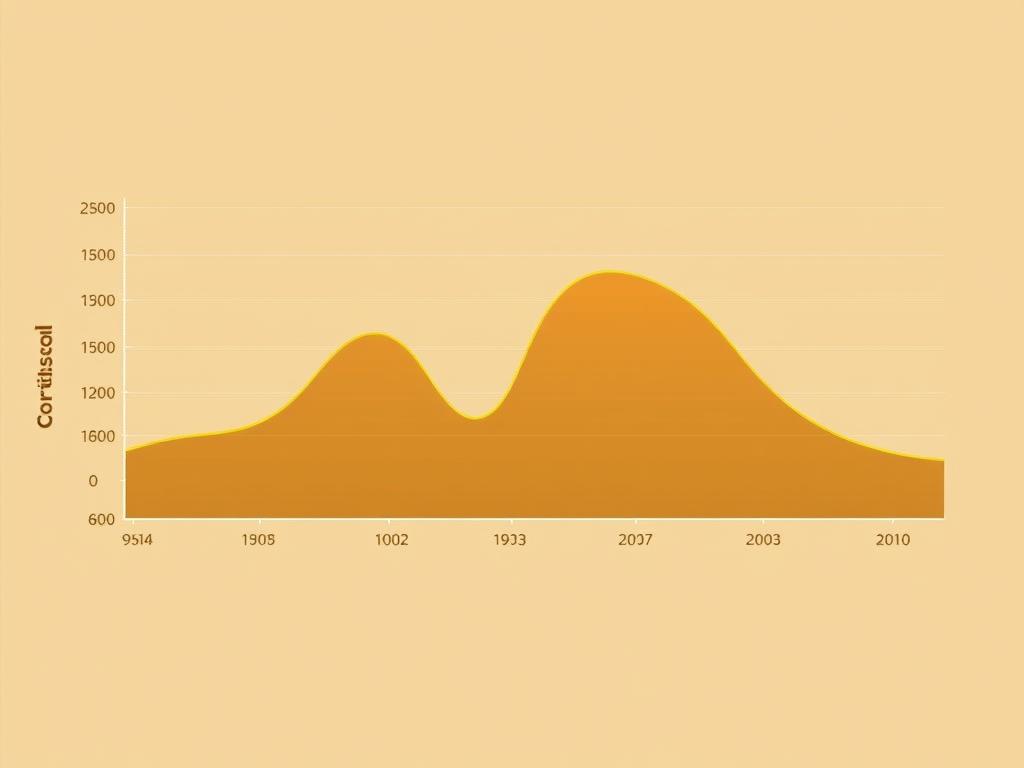
It’s important to know how stress affects men’s health in today’s fast world. The Cortisol Curve is a key measure related to cortisol levels in men.
The Cortisol Curve is more than just a number. It’s a vital sign that shows how well a man’s body handles stress. Knowing this number helps men take steps towards better health and stress management.
Being aware of your Cortisol Curve can change men’s health for the better. It lets individuals make smart choices about their lifestyle and stress management.
Key Takeaways
- Understanding cortisol levels is key for men’s health.
- The Cortisol Curve is a key indicator of stress management.
- Knowing your stress number can lead to better health decisions.
- Men can take proactive steps to manage their stress levels.
- Awareness of cortisol levels can improve overall well-being.
Understanding Cortisol: Your Body’s Primary Stress Hormone
The human body makes cortisol, a steroid hormone, when it’s stressed or gets signals. It’s called the “stress hormone” because it’s key in how we handle stress.
What Is Cortisol and How Is It Produced?
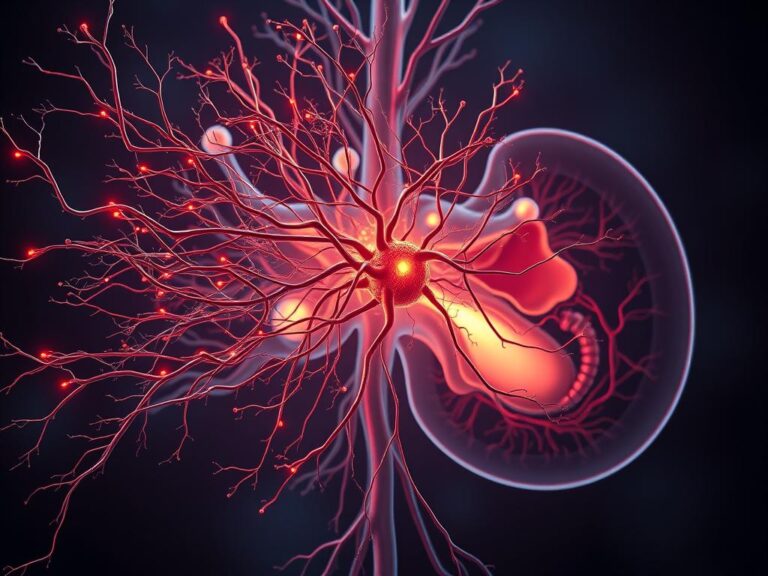
Cortisol comes from the adrenal glands, which sit on top of the kidneys. The HPA axis, a complex system, starts cortisol production. When we feel stressed, the hypothalamus sends a signal. This signal goes to the pituitary gland, which then tells the adrenal glands to release cortisol into our blood.
The Natural Cortisol Rhythm Throughout the Day
Cortisol levels in men usually go up in the early morning and then go down. This natural change helps control things like metabolism and energy. Keeping a healthy cortisol rhythm is key for feeling good.
Why Cortisol Is Essential for Survival
Cortisol is vital for dealing with stress. It helps keep blood pressure steady, controls metabolism, and boosts the immune system. It also gets us ready to react quickly in emergencies. While too much cortisol is bad, some cortisol is needed to survive. Knowing how important cortisol is helps men understand the need for a healthy stress response and hormone balance.
Learning about cortisol and its role helps men see how stress affects their health. They can then take steps to manage their stress hormone levels well.
The Cortisol Curve: The Stress Number Every Man Should Know
Every man should know about their cortisol curve for good health. The cortisol curve shows how cortisol levels change during the day. It’s key for managing stress and staying healthy.
Defining the Cortisol Curve
The cortisol curve has a natural peak in the morning and drops as the day goes on. This pattern helps control energy, metabolism, and stress response. It’s high in the morning to wake you up and low at night for sleep.
Optimal Cortisol Patterns vs. Dysfunctional Patterns
A good cortisol pattern boosts energy and health. But a bad one can cause fatigue and weight gain. The main differences are:
- Morning Peak: A healthy curve has a big morning peak.
- Gradual Decline: Cortisol should go down all day.
- Low Evening Levels: Low levels at night help you sleep well.
How to Interpret Your Cortisol Numbers
Understanding your cortisol numbers means knowing what they mean at different times.
Morning Cortisol: Your Energy Foundation
Morning cortisol is key for your energy. A strong peak means you’re ready to go. But too high or low can signal stress or adrenal problems.
Afternoon and Evening Levels: The Winding Down Process
Cortisol should go down in the afternoon and evening. This helps you relax and sleep. But high evening cortisol can mess with your sleep and recovery.
Knowing your cortisol curve helps you understand your stress and health. This info can guide you to make better lifestyle choices and improve your cortisol levels.
The Hidden Impact of Chronic Stress on Men’s Health
Chronic stress is a big problem for men’s health that we need to talk about. It affects not just the mind but also has big physical effects. This makes it very important for our overall health.
Short-Term vs. Long-Term Stress Responses
It’s key to know the difference between short-term and long-term stress responses. Short-term stress is a natural “fight or flight” response meant to be temporary. But chronic stress keeps this response going for too long, causing health problems.
- Increased heart rate and blood pressure
- Suppressed immune function
- Digestive problems
How Modern Life Disrupts Natural Cortisol Patterns
Modern life is full of stressors that mess with our natural cortisol rhythm. Things like irregular sleep patterns, constant connectivity through tech, and work-related pressures all play a part.
The Unique Stress Challenges Men Face
Men have their own stress challenges, like societal expectations, work stress, and the need to be the main breadwinner. These can lead to adrenal fatigue symptoms and affect men’s health.
- Recognizing the signs of chronic stress
- Implementing stress management techniques
- Seeking support when needed
By understanding these challenges and taking action, men can manage their stress better. This can improve their health overall.
Cortisol and Testosterone: The Critical Hormonal Balance
Men’s health is greatly affected by the balance between cortisol and testosterone. This balance is key to well-being, masculinity, and energy.
The Inverse Relationship Between Cortisol and Testosterone
Cortisol and testosterone have an opposite relationship. High cortisol means low testosterone. This is because the body focuses on stress over making sex hormones.
High cortisol levels can lower testosterone by blocking the body’s hormone-making process. This can cause many symptoms that affect a man’s life quality.
How High Cortisol Sabotages Your Masculinity
High cortisol can harm masculinity in many ways. It affects muscle, body shape, energy, sex drive, and mental focus.
Effects on Muscle Mass and Body Composition
High cortisol can make you store more fat, mainly around the belly. It also breaks down muscle, leading to a less toned body and less muscle.
Impact on Energy, Libido, and Mental Clarity
Cortisol greatly affects energy levels. Too much cortisol can make you tired and less energetic. It also lowers testosterone, which can reduce sex drive and sexual function. High cortisol can also cause anxiety, depression, or brain fog.
Optimizing Your Hormonal Profile for Performance and Vitality
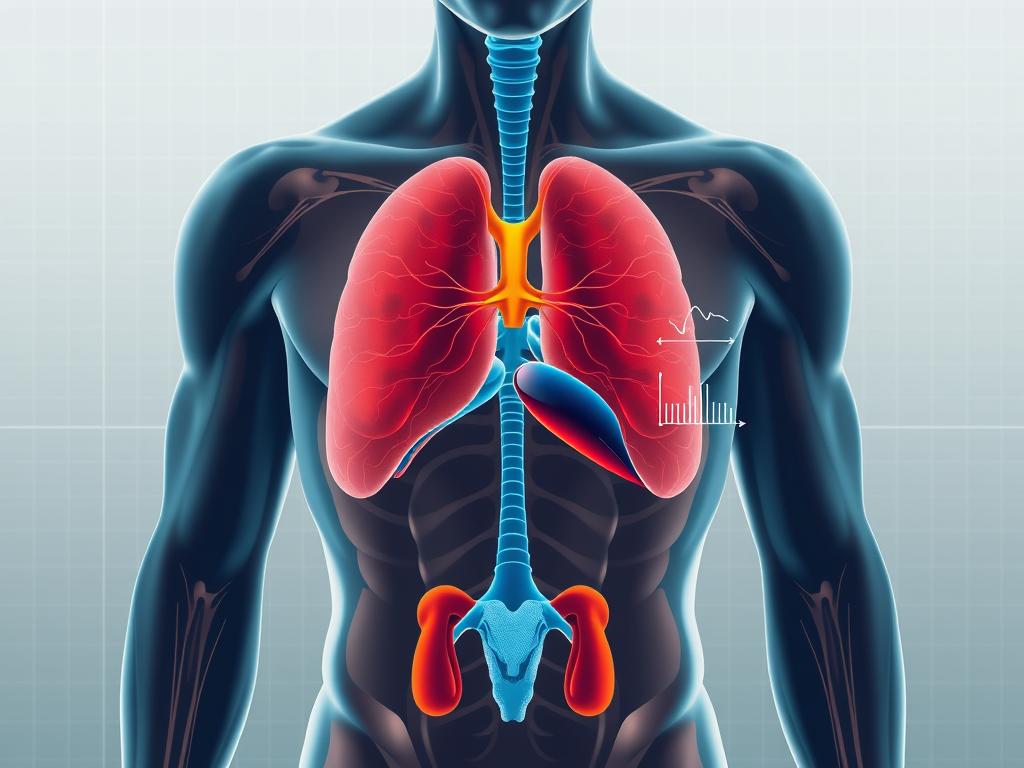
To balance cortisol and testosterone, men can try several things. Stress management, like meditation or yoga, and regular exercise, like weight training, are helpful. Getting enough sleep is also important. Eating well, with foods full of omega-3s, vitamin D, and zinc, can help make more testosterone.
By understanding and balancing cortisol and testosterone, men can improve their performance, energy, and masculinity.
Recognizing the Warning Signs of Cortisol Dysfunction
Knowing the signs of cortisol imbalance is key to better health. This imbalance can show in many ways, affecting both body and mind.
Physical Symptoms of Cortisol Imbalance
Physical signs include weight gain, mainly in the belly, fatigue, and sleep problems. Men might also see high blood pressure and skin changes, like thinning or slow healing.
- Unexplained weight gain
- Persistent fatigue
- Sleep disturbances
- High blood pressure
Mental and Emotional Red Flags
Cortisol issues can also cause mental and emotional problems. These include anxiety, depression, and mood swings. Men might struggle to focus or make choices, affecting daily life.
- Increased anxiety levels
- Depressive episodes
- Mood swings
Adrenal Fatigue: Myth or Reality for Men?
The idea of adrenal fatigue is a topic of debate. Yet, many men report feeling tired and less productive. It’s important to understand if it’s a real condition or just a term for symptoms.
Spotting these signs is the first step to managing cortisol and improving health. By knowing the physical, mental, and emotional signs, men can start managing stress and balancing hormones.
Testing and Measuring Your Cortisol Levels
Measuring cortisol levels is key to checking your hormonal balance. Cortisol testing shows how your body handles stress. It helps spot imbalances that might harm your health.
Different Types of Cortisol Tests Available
There are many ways to test cortisol levels, like saliva, blood, and urine tests. Saliva tests are easy to do at home and check cortisol levels at various times. Blood tests are done in clinics and give a quick look at cortisol levels at one moment.
“Cortisol testing is a key tool for seeing how stress affects the body.” – Dr. John Smith, Endocrinologist
When to Consider Cortisol Testing
Think about cortisol testing if you’re tired all the time, gaining weight, or feeling moody. These signs might mean your cortisol levels are off. Also, if you’re always stressed or have a hormonal issue, testing can help your doctor find the right treatment.
Interpreting Your Test Results
Understanding cortisol test results needs a deep look at your health and symptoms. Your doctor will look at when the test was done and any medicines you’re taking. It’s vital to work with a skilled healthcare professional to grasp what your results mean. They can help make a plan to fix any imbalances.
Lifestyle Strategies to Optimize Your Cortisol Curve
Making lifestyle changes is key to better cortisol levels and men’s health. Focus on important lifestyle factors to improve your cortisol curve. This leads to better stress handling and overall health.
Sleep Optimization Techniques
Good sleep is vital for a healthy cortisol curve. Bad sleep can mess up cortisol rhythms, causing stress and hormonal issues.
Creating the Ideal Sleep Environment
For better sleep, make your bedroom dark, quiet, and comfy. Use blackout curtains, earplugs, or a white noise machine if needed. A good mattress and pillows also help a lot.
Timing and Routines for Hormonal Balance
Keep a regular sleep schedule. Aim for 7-9 hours each night. Go to bed and wake up at the same time every day, even on weekends. A calming bedtime routine, like reading or meditation, signals sleep time.
Nutrition Approaches for Hormonal Balance
What you eat affects cortisol levels. Some foods help balance cortisol, while others can stress you out.
Foods That Help Regulate Cortisol
Foods rich in omega-3s, like salmon and walnuts, reduce inflammation and balance hormones. Complex carbs, such as whole grains and fruits, help regulate cortisol by boosting serotonin. Antioxidant-rich foods, like berries and leafy greens, fight oxidative stress.
Eat regular, balanced meals to keep cortisol stable. Skipping meals can cause blood sugar swings, stressing your body and raising cortisol. Eat smaller meals often to keep your energy steady.
Exercise Protocols That Help, Not Harm
Exercise can be good or bad for cortisol. Regular activity reduces stress and boosts health, but too much or at the wrong time can raise cortisol.
High-Intensity vs. Recovery-Focused Training
Combining high-intensity and recovery workouts balances cortisol. High-intensity workouts briefly raise cortisol, but regular exercise improves recovery. Make sure to rest well between intense workouts.
Timing Your Workouts for Hormonal Advantage
When you work out affects cortisol levels. Morning exercise can set your circadian rhythms right, improving cortisol. Avoid hard workouts before bed to keep sleep good.
By adopting these lifestyle changes, you can manage your cortisol curve and improve your health. Consistency is key. Making these habits daily can greatly enhance stress management and hormonal balance.
Supplements and Interventions for Cortisol Management
Managing cortisol levels often needs a mix of supplements and lifestyle changes. While making lifestyle changes is key, some supplements can help too. They support in managing stress hormone levels.
Evidence-Based Supplements for Stress Reduction
Many supplements have been studied for their stress-reducing effects. Omega-3 fatty acids help reduce inflammation and improve well-being. Magnesium is also important, as it helps with the body’s stress response and can ease anxiety symptoms.
Adaptogens and Their Role in Hormonal Balance
Adaptogens are herbs and plants that help the body handle stress. Ashwagandha is a well-studied adaptogen that lowers cortisol levels. It supports healthy stress hormone levels in men, helping with overall hormone regulation.
When to Consider Medical Interventions
At times, supplements alone may not be enough for cortisol balance. Medical interventions might be needed if health issues are causing cortisol problems. It’s important to talk to a healthcare professional to find the right treatment for cortisol testing in men.
Integrating Supplements with Lifestyle Changes
The best way to manage cortisol is to use supplements with lifestyle changes. This includes dietary modifications, regular exercise, and stress management techniques. Combining these can help men control their cortisol levels and improve their health.
In summary, while supplements are important for cortisol management, they should be part of a bigger plan. By understanding the options and working with healthcare experts, men can manage their stress better and enhance their life quality.
Conclusion: Taking Control of Your Stress Response
Understanding the Cortisol Curve is key for men’s health. Knowing the stress number every man should know is the first step. This helps manage cortisol levels and improve health.
Men’s health and stress management are closely tied. High cortisol levels can affect testosterone and masculinity. By changing lifestyle, like sleeping well, eating right, and exercising, men can balance their hormones.
Managing stress requires a full approach. This includes testing, lifestyle changes, and supplements. Being proactive about cortisol levels can lower health risks and enhance life quality.
Men can take charge of their health by using this knowledge. Making informed choices can balance cortisol and testosterone. This leads to better performance, vitality, and well-being.