Manage Gestational Diabetes with Low-GI Foods
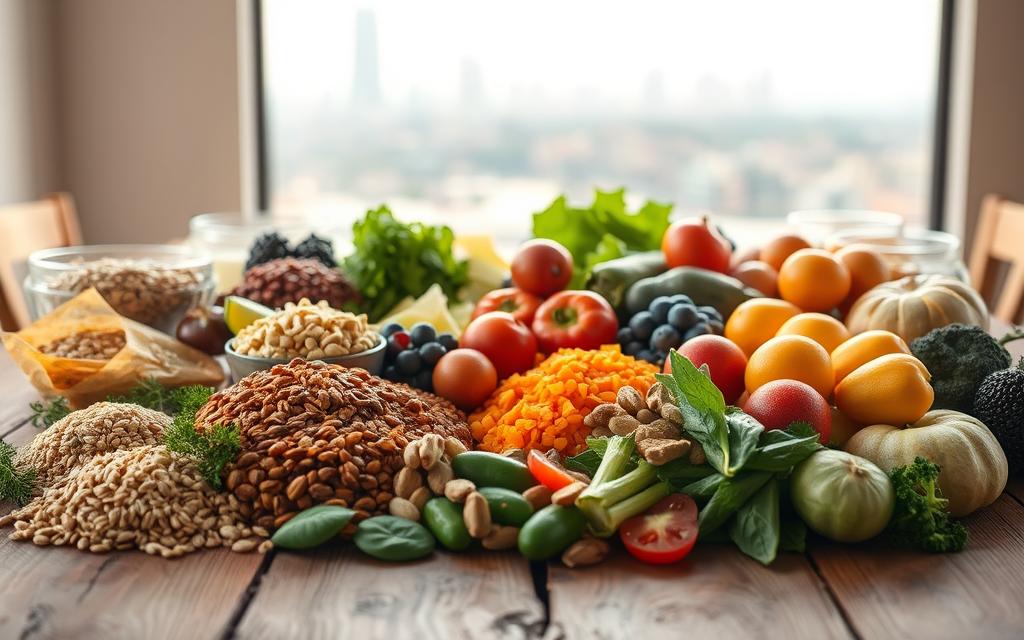
Managing gestational diabetes needs a full plan. This includes changing your diet, checking blood sugar, and living a healthy life. Women with gestational diabetes can help by eating low-GI foods.
A gestational diabetes diet plan with low-GI foods can keep blood sugar in check. It helps ensure a healthy pregnancy. By choosing the right foods, women can manage their diabetes well and lower the risk of problems.
Key Takeaways
- Low-GI foods can help regulate blood sugar levels.
- A comprehensive diet plan is crucial for managing gestational diabetes.
- Incorporating healthy lifestyle changes can improve overall well-being.
- Monitoring blood sugar levels is essential for effective management.
- A healthy pregnancy is possible with gestational diabetes.
Understanding Gestational Diabetes
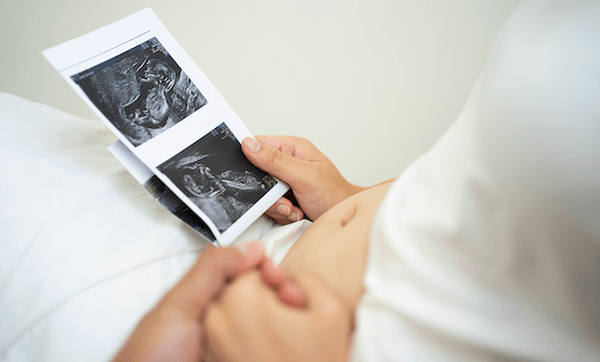
Expectant mothers need to know about gestational diabetes. It happens because of hormonal changes and insulin resistance. This type of diabetes starts in the second or third trimester of pregnancy.
What Causes Gestational Diabetes
Many things can lead to gestational diabetes. Hormonal changes in pregnancy cause insulin resistance. This means the body’s cells don’t respond well to insulin.
To make up for it, the body makes more insulin. But sometimes, it’s not enough to keep blood sugar levels right.
- Hormonal changes and insulin resistance
- Genetic predisposition
- Obesity or excessive weight gain
How Gestational Diabetes Affects You and Your Baby
Gestational diabetes can affect both mom and baby a lot. High blood sugar levels can lead to problems during pregnancy and delivery. These include premature birth and babies that are too heavy.
Potential risks for the baby include:
- Macrosomia (excessive birth weight)
- Respiratory distress syndrome
- Low blood sugar after birth
The Role of Diet in Managing Blood Sugar Levels
Eating right is key to managing gestational diabetes. Foods with a low glycemic index (GI) help keep blood sugar levels stable.
Choose whole, unprocessed foods like veggies, fruits, whole grains, and lean proteins. Stay away from sugary drinks and foods with lots of saturated fats and added sugars.
The Glycemic Index Explained
Knowing about the glycemic index is key for managing gestational diabetes. The glycemic index (GI) shows how fast foods raise blood sugar. Foods get a score from 0 to 100, with higher scores meaning quicker blood sugar rises.
What is the Glycemic Index?
The glycemic index is a helpful tool for those with gestational diabetes. It points out which foods can quickly raise blood sugar. Low-GI foods digest slowly, leading to a gradual blood sugar increase. Examples include whole grains, non-starchy veggies, and most fruits.
Difference Between Low, Medium, and High GI Foods
GI foods fall into three groups based on their index:
- Low GI foods (GI value of 55 or less): These include whole grains like barley and quinoa, non-starchy veggies, and fruits like apples and berries.
- Medium GI foods (GI value between 56 and 69): Examples include whole wheat bread and certain fruits like bananas.
- High GI foods (GI value of 70 or more): These include white bread, sugary snacks, and refined grains, which can cause a rapid spike in blood sugar levels.
Why GI Matters for Blood Sugar Control
Keeping blood sugar levels stable is crucial during pregnancy, especially for those with gestational diabetes. Eating low-GI foods helps keep blood sugar stable, lowering the risk of complications.
The Science Behind Blood Glucose Response
When you eat, your body breaks down carbs into glucose, which gets absorbed into your blood. The speed of this absorption changes based on the GI of the food. Low-GI foods release glucose slowly, while high-GI foods cause a quick rise.
Glycemic Load: Another Important Factor
Glycemic load (GL) considers both the GI of a food and its carb content. It’s a more detailed measure that shows a food’s full impact on blood sugar. For instance, watermelon has a high GI but a low GL because it has little carb.
By grasping the glycemic index, people with gestational diabetes can make better food choices. This helps them manage their condition more effectively.
Low-Glycemic Index Foods for Gestational Diabetes
Expectant mothers with gestational diabetes can manage their condition by eating low-glycemic index (GI) foods. These foods digest slowly, which means they don’t cause a big spike in blood sugar.
How Low-GI Foods Help Stabilize Blood Sugar
Low-GI foods release glucose slowly, keeping blood sugar stable. This helps prevent sudden spikes in blood sugar. Examples include whole grains, non-starchy vegetables, and most fruits.
Benefits for Mother and Baby
Eating low-GI foods during pregnancy has many benefits. It helps control blood sugar, lowers the risk of delivery complications, and ensures a healthy birth weight for the baby. A well-managed diet can also lower the need for insulin therapy.
Incorporating Low-GI Foods into Your Pregnancy Diet
Adding low-GI foods to your diet is easy and tasty. Just swap high-GI foods for low-GI ones. Choose whole grain bread over white, and brown rice over white.
Reading Food Labels for GI Information
When you shop, check food labels for “low-GI” or “suitable for diabetics.” Look for whole grains and fiber in the ingredients. These are signs of a lower GI.
| Low-GI Food | High-GI Food | GI Value |
|---|---|---|
| Whole grain bread | White bread | 30 vs. 70 |
| Brown rice | White rice | 50 vs. 80 |
| Non-starchy vegetables | Potatoes | Low vs. High |
Low-GI Grains and Starches
Low-GI grains and starches are key in managing gestational diabetes. They help control blood sugar levels. This is important for both the mother and the baby.
Whole Grains vs. Refined Grains
Whole grains like brown rice and quinoa are full of fiber and nutrients. They are better than refined grains, which lack fiber and nutrients. Choosing whole grains helps manage gestational diabetes better.
Best Low-GI Bread, Pasta, and Rice Options
Some grains are better than others for low-GI. For bread, pick whole-grain or whole-wheat. For pasta, choose whole-wheat or legume-based. Brown rice and quinoa are great low-GI rice options. These choices help control blood sugar and keep you full.
Portion Control for Carbohydrates
It’s important to control how much carbs you eat. Even healthy carbs can raise blood sugar if eaten too much. Keeping carbs balanced is crucial for healthy blood sugar levels.
Ancient Grains Worth Trying
Ancient grains like quinoa and Kamut are nutritious and low in GI. Adding them to your diet can make it more varied and nutritious.
Smart Substitutions for High-GI Staples
Switching to low-GI foods is a smart move. For example, use whole-grain bread instead of white, and brown rice instead of white. These changes can help manage gestational diabetes.
By choosing the right grains and starches, women with gestational diabetes can manage their condition better. This ensures a healthier pregnancy.
Protein-Rich Low-GI Foods
Protein-rich low-GI foods are key for keeping blood sugar stable during pregnancy. They help manage gestational diabetes and provide vital nutrients for mom and baby.
Plant-Based Protein Sources
Plant-based proteins are great for gestational diabetes. Lentils, chickpeas, and beans are high in protein and low in GI. Nuts and seeds like almonds and chia seeds are also good choices.
Animal Protein Options
Lean meats like chicken, turkey, and fish are also good. They’re full of essential amino acids and fit well in a low-GI diet. Eggs are another great protein source for a gestational diabetes meal plan.
Combining Proteins with Carbs for Better Blood Sugar Control
Mixing protein-rich foods with carbs helps control blood sugar. This slows down carb digestion, lowering blood glucose spikes. For example, almonds with whole-grain crackers make a healthy snack.
Dairy Products and Their GI Impact
Dairy like milk, yogurt, and cheese have different GI effects. Choose unsweetened and unflavored versions to avoid sugars. Cheese should be eaten in small amounts because of its high calories and fat.
Protein Needs During Pregnancy
Pregnancy increases protein needs for baby growth. Aim for 70-100 grams of protein daily. Eating a variety of protein-rich foods helps meet this need and supports health.
In summary, adding protein-rich low-GI foods to your diet is smart for managing gestational diabetes. By picking the right proteins and pairing them with carbs, you can keep blood sugar stable and have a healthy pregnancy.
Fruits and Vegetables for Gestational Diabetes
Gestational diabetes can be managed with a diet rich in low-GI fruits and non-starchy vegetables. These foods are full of nutrients, fiber, and antioxidants. They are key to a healthy diet during pregnancy.
Best Low-GI Fruits to Enjoy
Low-GI fruits digest slowly, which helps keep blood sugar levels steady. Some top choices include apples, berries, and citrus fruits like oranges and grapefruits. They’re tasty and rich in fiber and vitamins.
Here’s a list of low-GI fruits good for managing gestational diabetes:
- Apples (GI score: 38)
- Berries (GI score: 32)
- Oranges (GI score: 40)
- Grapefruits (GI score: 25)
Non-Starchy Vegetables to Emphasize
Non-starchy vegetables are low in carbs and high in fiber. They’re great for managing gestational diabetes. Examples include leafy greens, broccoli, and bell peppers. You can eat them freely without worrying about blood sugar spikes.
| Vegetable | GI Score | Benefits |
|---|---|---|
| Broccoli | 10 | Rich in vitamins and fiber |
| Bell Peppers | 40 | High in antioxidants and vitamin C |
| Spinach | 10 | Packed with iron and fiber |
Fruits and Vegetables to Limit or Avoid
While fruits and vegetables are healthy, some can raise blood sugar levels. It’s best to limit or avoid high-GI fruits like bananas and mangoes and starchy vegetables like potatoes.
Seasonal Eating Guide
Eating seasonally ensures you get the freshest produce. In summer, enjoy berries and stone fruits. In winter, opt for citrus fruits and root vegetables.
Creative Ways to Increase Vegetable Intake
Adding more vegetables to your diet can be fun and tasty. Try adding spinach to your smoothies or roasting vegetables as a side. You can also stuff bell peppers with quinoa and vegetables for a healthy meal.
Creating a Gestational Diabetes Meal Plan
Managing gestational diabetes needs careful meal planning. Focus on low-GI foods. A good meal plan keeps blood sugar levels healthy, benefiting both mom and baby.
Balanced Meal Structure
A balanced meal plan has protein, healthy fats, and complex carbs. Low-GI foods are key for stable blood sugar. Eating a variety of foods meets all nutritional needs.
Sample Daily Meal Plans
Here’s a daily meal plan with low-GI foods:
- Breakfast: Oatmeal with fruits and nuts
- Lunch: Grilled chicken with quinoa and vegetables
- Dinner: Baked salmon with brown rice and steamed broccoli
- Snacks: Carrot sticks with hummus, apple slices with almond butter
Timing of Meals and Snacks
It’s important to space out meals and snacks. Eating smaller, more frequent meals helps manage gestational diabetes.
Breakfast Ideas That Won’t Spike Blood Sugar
Starting with a nutritious breakfast is key. Try oatmeal with fruits, scrambled eggs with spinach, or whole-grain toast with avocado.
Lunch and Dinner Options for Busy Days
For busy days, prep meals ahead. Grilled chicken or fish with roasted veggies and quinoa are quick and healthy.
Weekend Meal Prep Strategies
Use weekends to prep meals for the week. Cooking in bulk and storing meals saves time and ensures healthy eating.
By using these meal planning tips and choosing low-GI foods, women with gestational diabetes can manage their condition well. This leads to a healthy pregnancy.
Smart Snacking with Low-GI Foods
Choosing the right snacks is key when you have gestational diabetes. Snacks help keep your blood sugar stable and give you important nutrients while you’re pregnant.
Why Snacking Matters with Gestational Diabetes
Snacking helps prevent extreme hunger. This can stop you from eating too much or making unhealthy choices. For women with gestational diabetes, smart snacking is important for keeping blood glucose levels right.
Quick and Easy Low-GI Snack Ideas
Adding low-GI foods to your snacks can be easy and tasty. Here are some quick and easy ideas:
- Raw vegetables with hummus
- Low-GI fruits like apples or berries
- Nuts and seeds
- Whole grain crackers with avocado or peanut butter
Nighttime Snacking Strategies
Nighttime snacking can be tricky, but picking the right foods helps. Choose snacks that have protein and complex carbs.
On-the-Go Snack Options
Busy pregnant women need snacks they can take with them. Here are some ideas:
- Dried fruits and nuts
- Energy balls made with oats and nuts
- Low-GI granola bars
Satisfying Sweet Cravings Safely
You can still enjoy sweet treats without hurting your blood sugar. Pick low-GI fruits or dark chocolate in small amounts.
| Snack | GI Value | Benefits |
|---|---|---|
| Apple slices with almond butter | Low | Rich in fiber and healthy fats |
| Greek yogurt with berries | Low | High in protein and calcium |
| Carrot sticks with hummus | Low | Good source of vitamins and fiber |
Overcoming Challenges of a Low-GI Diet During Pregnancy
Managing a low-GI diet during pregnancy can be tough. You might face food aversions and challenges when eating out. But, there are ways to stay healthy and keep your baby safe.
Dealing with Food Aversions and Cravings
Food aversions and cravings are common in pregnancy. Choosing low-GI alternatives can help. For example, if you crave sweets, try berries or apples instead.
Eating Out and Social Situations
Eating out doesn’t have to ruin your diet. Planning ahead by checking menus online helps. At social events, stick to veggies, lean proteins, and whole grains.
Budget-Friendly Low-GI Shopping
Low-GI eating doesn’t have to cost a lot. Here’s how to shop smart:
| Food Item | Low-GI Options | Budget Tip |
|---|---|---|
| Grains | Whole wheat bread, brown rice | Buy in bulk |
| Fruits | Apples, berries | Choose seasonal fruits |
| Proteins | Beans, lentils, chicken | Opt for plant-based proteins |
When Morning Sickness Interferes
Morning sickness can make eating hard. Keeping low-GI snacks like crackers or fruit handy helps. They can manage nausea and keep your diet on track.
Family Support and Shared Meals
Getting family involved in meal planning can be helpful. Shared meals are a chance to introduce healthy eating to others. It makes mealtime fun and supportive.
Monitoring Blood Sugar and Adjusting Your Diet
Keeping an eye on your blood sugar and tweaking your diet are key to a healthy pregnancy with gestational diabetes. It’s about knowing how foods affect your blood sugar and choosing wisely to keep it stable.
Tracking Blood Glucose Levels
Tracking your blood sugar regularly shows how your body reacts to food and activity. This info is vital for tweaking your diet and lifestyle.
- Check your blood glucose levels as advised by your healthcare provider.
- Keep a log of your readings to identify patterns.
- Use this information to adjust your meal plan and physical activity.
Identifying Food Triggers
Some foods can make your blood sugar jump. Knowing and avoiding these foods is key to keeping your blood sugar steady.
- Pay attention to how different foods affect your blood sugar.
- Limit or avoid foods that cause significant spikes in your blood glucose levels.
When to Consult Your Healthcare Provider
Working closely with your healthcare provider is crucial for managing gestational diabetes. Reach out if you spot unusual blood sugar patterns or have diet concerns.
Using a Food and Blood Sugar Journal
A food and blood sugar journal helps track what you eat and its impact on your blood sugar. It’s a great tool for spotting patterns and making better food choices.
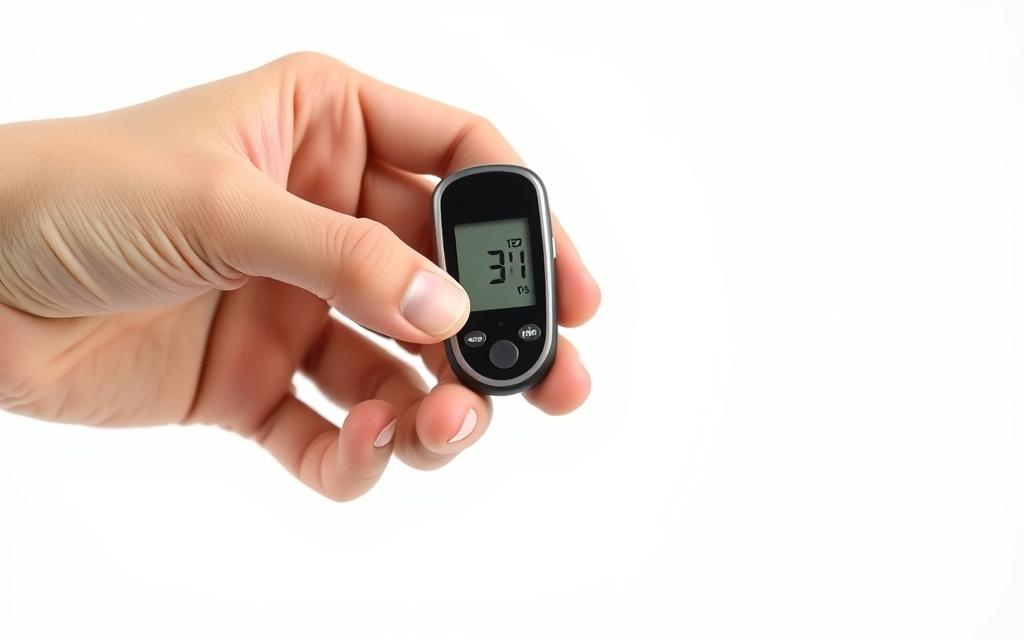
By reviewing your journal, you can understand your personal patterns and how various factors impact your blood sugar. This knowledge lets you make specific changes to your diet and lifestyle.
Key Takeaways:
- Regular monitoring of blood sugar levels is crucial.
- Identifying and managing food triggers can help stabilize blood sugar.
- Consulting with a healthcare provider is essential for effective gestational diabetes management.
Conclusion: Thriving with Gestational Diabetes
Managing gestational diabetes needs a full plan that includes healthy eating and a balanced lifestyle. By choosing Low GI Foods, expectant moms can keep their blood sugar in check. This ensures a healthy pregnancy.
A good diet is key for managing gestational diabetes. Eating whole grains, lean proteins, and lots of fruits and veggies helps keep blood sugar stable. Also, controlling portions and eating mindfully is important for staying healthy.
With the right help and support, women with gestational diabetes can do well during pregnancy. Making smart diet and lifestyle choices can lower risks. This leads to a positive outcome for both mom and baby.
By following a low-GI diet and staying healthy, expectant moms can manage their gestational diabetes. They can look forward to a healthy pregnancy.