What’s Normal Cramping in Early Pregnancy? Doctors Explain

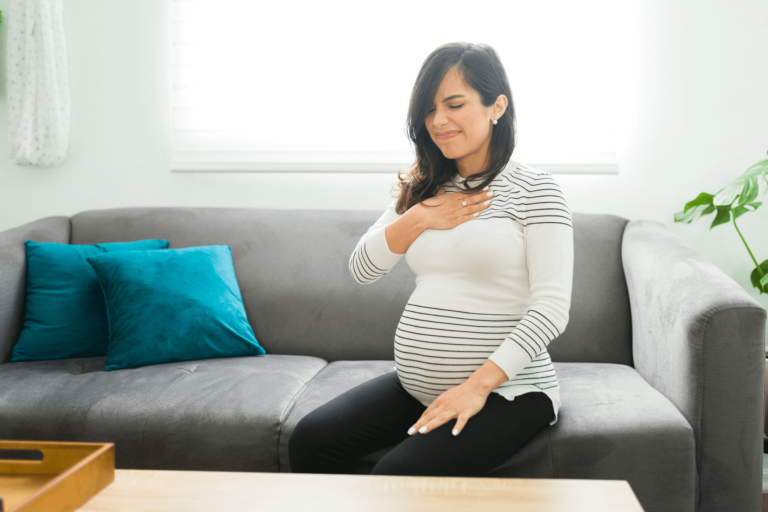
Feeling mild cramping early in pregnancy can be scary. But doctors say it’s usually a normal part of expecting a baby.
Bailey Bylow, an OBGYN nurse practitioner at Banner Health, says, “Early in pregnancy, you might feel some mild cramping in your lower belly. This happens at times as your body gets ready for your growing baby.” This advice helps new moms know that these symptoms usually mean everything is okay.
It’s important to know what’s normal and what’s not during this time. While some discomfort is okay, if the cramping is bad or keeps coming back, talk to your doctor.
Key Takeaways
- Mild cramping is a common symptom during early pregnancy.
- Cramping can be a sign of the body preparing for the growing baby.
- Severe or persistent cramping should be reported to a healthcare provider.
- Expert opinions from medical professionals can provide reassurance.
- Understanding normal symptoms can help reduce anxiety during pregnancy.
Understanding Cramping During Early Pregnancy
Cramping in early pregnancy is common and can be confusing. It’s natural for expectant mothers to wonder about its causes and what it means.
Why Cramping Occurs in the First Trimester
Several factors can cause cramping in the first trimester. One main reason is implantation cramping. This happens when the fertilized egg attaches to the uterine lining. It can cause mild to moderate cramping.
Another reason is the expansion of the uterus. As the uterus grows, it can stretch and cause discomfort. Hormonal changes also play a role, as the body adjusts to support the growing embryo.
Some key reasons for cramping in the first trimester include:
- Implantation of the fertilized egg
- Uterine expansion and growth
- Hormonal fluctuations
These factors are usually normal. But, it’s important for pregnant women to know about their body’s changes. They should talk to their healthcare provider about any concerns.
How Early Pregnancy Cramps Feel
Pregnancy cramps often feel like a dull pulling or pressure, says Dr. Armina Eana, a board-certified OB-GYN. Women might say it feels different from their usual menstrual cramps. They might even feel a tingling sensation.
The pain’s intensity can vary. It depends on the cause of the cramping and individual factors.
Common Causes of Normal Pregnancy Cramping
Cramping in early pregnancy is common. Knowing why it happens can ease worries. Several body changes can cause these cramps.
Implantation Cramping
Implantation is one of the first reasons for cramping. It happens when the fertilized egg attaches to the uterine lining. This can cause mild cramps and spotting, similar to a light period. These cramps are usually mild and don’t last long.
Uterine Expansion and Growth
As the pregnancy goes on, the uterus grows to fit the embryo. Dr. Chad Klauser says rapid growth in the first two trimesters can cause a pulling feeling in the belly. This growth stretches the uterine muscles, leading to cramps.
Round Ligament Pain
Round ligament pain is another reason for cramping. These ligaments connect the uterus to the groin. When the uterus grows, these ligaments stretch, causing sharp or crampy pain. This pain is often felt on one or both sides of the abdomen.
Gastrointestinal Changes and Constipation
Pregnancy can also affect the stomach and bowels. Hormonal changes can slow digestion, leading to constipation. This can cause cramps and discomfort in the lower belly. Eating foods high in fiber and drinking plenty of water can help with these symptoms.
| Cause | Description | Characteristics |
|---|---|---|
| Implantation Cramping | Fertilized egg attaching to uterine lining | Mild, short-lived |
| Uterine Expansion | Uterus growing to accommodate embryo | Pulling sensation, variable intensity |
| Round Ligament Pain | Stretching of round ligaments | Sharp or crampy, often one-sided |
| Gastrointestinal Changes | Hormonal effects on digestion | Constipation, lower abdominal cramping |
Knowing the common causes of cramping can help pregnant women feel more confident and less worried about their symptoms.
Timeline: When to Expect Cramping in Early Pregnancy
As the embryo implants and grows, women may feel cramps at different times. Knowing when these cramps happen can help moms-to-be get ready for body changes.
Weeks 1-4: Implantation Period
In the first four weeks, the fertilized egg travels and implants in the uterine lining. This can cause mild cramping. Implantation pain can start about six to 12 days after conception, often before a period is due, says Dr. Eana. These early cramps are usually mild and may be with light spotting.
Some women might not notice these signs, or they might think they’re premenstrual symptoms. Remember, every pregnancy is different. The intensity and timing of cramping can vary a lot.
Weeks 5-8: Early Development
Between weeks 5 and 8, the embryo grows, and the uterus expands. This is when major organs and systems start to form. Cramping can be due to the stretching of the uterine ligaments and the growth of the uterus. Women might feel mild to moderate cramps, which are usually okay if they’re not severe.
Here are some reasons for cramping in weeks 5-8:
- Uterine expansion
- Hormonal changes
- Implantation bleeding or spotting
These factors can cause discomfort during this time.
Weeks 9-12: Late First Trimester
By weeks 9-12, the embryo is now a fetus. Its development is advanced, and the uterus has grown a lot. Some women may feel round ligament pain, which can be sharp or dull. This pain is usually on one side of the abdomen and is from the stretching of the round ligament.
Other reasons for cramping in this period include:
- Gastrointestinal changes and constipation due to hormonal changes
- Increased blood flow to the pelvic area
It’s important for expectant mothers to stay hydrated and eat well to reduce discomfort.
Knowing when cramping happens in early pregnancy can help women know if it’s normal or not. While some cramping is okay, it’s always good to talk to a healthcare provider if you’re worried.
Is Cramping Normal in Early Pregnancy? Here’s What Doctors Say
Cramping in early pregnancy is common and can worry many women. Doctors say it’s a normal symptom in the first stages of pregnancy.

Medical Consensus on Early Pregnancy Cramping
Most pregnancies have mild cramping in the first 16 weeks, Dr. Chad Klauser says. This is based on studies and medical observations. Doctors see mild cramping as normal, linked to implantation and other changes.
Doctors say some cramping is okay, but it’s key to know your body. It’s important to tell the difference between normal discomfort and something serious. Knowing why you’re cramping can help reduce worry and ensure you get help when needed.
How Doctors Evaluate Pregnancy Cramping
Doctors look at how bad, how often, and how long the cramps last. They also check for bleeding or spotting. Your medical history and past pregnancies are important too.
A doctor might do a physical exam, ultrasound, or other tests. This helps rule out serious issues like an ectopic pregnancy. Doctors can then give you specific advice and reassurance.
What OB-GYNs Want You to Know
OB-GYNs say cramping is usually normal in early pregnancy. They want you to know about your symptoms and talk to your doctor. If you have severe pain, heavy bleeding, or other worries, get help right away.
Key takeaways from medical professionals include:
- Mild cramping is common during the first 16 weeks of pregnancy.
- It’s important to watch how bad and how often the cramps are.
- Tell your doctor if you have bleeding or spotting.
Knowing these things and talking to your doctor can help you deal with early pregnancy. It can also lower stress about cramping.
Distinguishing Between Different Types of Pregnancy Pain
It’s important for pregnant women to know about the different kinds of pain they might feel. Pregnancy is a complex time, and each woman’s experience can be different. Knowing the difference between different pains helps women understand their bodies better and when to see a doctor.
Cramping vs. Sharp Pain
Cramping and sharp pain are common during pregnancy. Cramping happens when the uterus grows or the embryo implants. It’s usually mild but can be uncomfortable. Sharp pain, on the other hand, is intense and might mean there’s a problem like an ectopic pregnancy. It’s important to tell a doctor about sharp pain.
Localized vs. Generalized Discomfort
Pain in pregnancy can be in one spot or all over. Localized discomfort is in one area, like the belly or back. It’s often because of stretching or growing. Generalized discomfort is all over and might be because of big changes in the body. Knowing where the pain is can help figure out what’s causing it.
Intermittent vs. Constant Pain
Another way to tell pain types is by how long it lasts. Intermittent pain comes and goes, like with contractions or baby movements. Constant pain lasts a long time and might be serious. Watching how pain comes and goes can help figure out what’s happening.
In short, knowing the different kinds of pregnancy pain is key for women to take care of themselves. By understanding their pain, women can handle pregnancy better and have a healthier baby.
Warning Signs: When Cramping May Indicate a Problem
Expectant mothers need to know the difference between normal and abnormal cramping. Mild cramping is common early on. But, some signs can mean there’s a problem.
Severe or Persistent Pain
Severe cramping that keeps happening and gets worse is not normal, says Bailey Bylow. If the pain is really bad or lasts a long time, get medical help right away.
Cramping with Bleeding or Spotting
Cramping with bleeding or spotting is a worry. Light spotting is okay, but heavy bleeding or bad cramping is not. If you see this, call your doctor.
One-Sided Pain and Ectopic Pregnancy
One-sided pain might mean an ectopic pregnancy. This is when the embryo grows outside the uterus. It’s very serious and needs quick medical help. If you have severe, one-sided pain, get help fast.
Potential Complications: Miscarriage and Other Concerns
Cramping can sometimes mean a miscarriage or other problems. It’s important to know the signs and talk to your doctor. This can help keep your pregnancy safe.
Some key warning signs to watch out for include:
- Severe or persistent abdominal pain
- Cramping accompanied by heavy bleeding
- One-sided pain or severe pelvic pain
- Fever or chills
- Dizziness or fainting
Knowing these signs can help expectant mothers have a healthy pregnancy.
When to Call Your Doctor About Pregnancy Cramping
Pregnancy cramping can worry you, and knowing when to call your doctor is key. Some cramping is normal early on, but other times, you need medical help. This is to keep you and your baby safe.
Emergency Situations Requiring Immediate Care
Severe cramping with heavy bleeding or spotting means you need to see a doctor right away. “If you’re experiencing severe cramping with or without bleeding, stop reading this article and call your doctor immediately,” says Bailey Bylow. Also, watch out for severe abdominal pain, dizziness, or a fever over 100.4°F (38°C). These signs might mean something serious like an ectopic pregnancy or miscarriage.
The table below lists emergency situations that need quick medical help:
| Symptom | Possible Indication |
|---|---|
| Severe cramping with heavy bleeding | Miscarriage or ectopic pregnancy |
| Severe abdominal pain | Ectopic pregnancy or other complications |
| Dizziness or fainting | Internal bleeding or other serious conditions |
| Fever above 100.4°F (38°C) | Infection |
Non-Emergency Concerns to Discuss at Your Next Appointment
Some cramping is okay, but there are times to talk about it with your doctor. If you have mild but ongoing cramping, or if you’re worried about how bad or often it is, tell your doctor. Also, if you’ve had miscarriages or other pregnancy problems before, share your cramping worries with your healthcare provider.
Your doctor can check on you, do tests if needed, and guide you. They can tell if your cramping is normal or if you need more help. Talking openly about your worries can help you feel better and make sure any problems are fixed quickly.
Managing Normal Pregnancy Cramps
Learning how to handle normal pregnancy cramps is key for a comfortable pregnancy. Dr. Puritz says, “Rest, hydration, and relaxation techniques can help ease cramping.” This part will look at ways to manage these cramps well.
Safe Pain Relief Methods During Pregnancy
Finding safe ways to ease pain during pregnancy is important. Acetaminophen is sometimes suggested, but always check with a doctor first. You can also try a warm heating pad or a warm bath.
Lifestyle Adjustments to Reduce Discomfort
Changing your lifestyle can help lessen pregnancy discomfort. Avoid heavy lifting and rest often. Gentle exercises like prenatal yoga are good too.
Relaxation Techniques and Stress Management
Stress management and relaxation can help with cramping. Deep breathing exercises, meditation, and guided imagery work well.
Hydration and Nutrition Tips
Staying hydrated and eating right is essential. Drink lots of water and eat foods full of nutrients. This helps avoid constipation and eases cramping. Increasing fiber intake helps with digestion too.
Conclusion: Finding Peace of Mind About Pregnancy Cramping
Pregnancy cramping can be unsettling, but understanding its causes can help. Knowing when to seek medical care also brings peace of mind. Cramping is common in early pregnancy, often due to implantation and other normal changes.
Dr. Puritz’s statement is reassuring: “I always tell my patients that I love a false alarm.” This shows the importance of prioritizing health and seeking reassurance when needed.
Expectant mothers can feel more confident by recognizing normal pregnancy cramping. Knowing when to seek help is also important. Trusting instincts and talking openly with healthcare providers is key to a healthy pregnancy.
Staying informed and seeking medical care when needed can give you peace of mind. It shows you’re taking care of your health and your baby’s well-being.