Negative Pregnancy Test? Here’s Why You May Stil Be Pregnant

Getting a negative pregnancy test result can be confusing and frustrating. This is true if you’re feeling symptoms that suggest you might be pregnant.
Home pregnancy tests look for human chorionic gonadotropin (hCG) in your urine. The Food and Drug Administration says up to 20% of pregnant women won’t see their pregnancy on the first day of their missed period.
This article will look into why you might get a false negative pregnancy test. It aims to help you understand why you could be pregnant even with a negative test.
Key Takeaways
- Understanding how home pregnancy tests work
- Factors that can affect the accuracy of pregnancy tests
- Steps to take if you suspect you’re pregnant despite a negative test
- The role of hCG in pregnancy detection
- Why false negative results occur
Understanding Pregnancy Tests and How They Work
It’s important to know how pregnancy tests work to understand their results. These tests look for human chorionic gonadotropin (hCG) in urine. This hormone is made after a fertilized egg implants in the uterus.
The Science Behind Home Pregnancy Tests
Home pregnancy tests can vary in how early they can detect hCG. They work by finding hCG, which starts being made after implantation. The earlier you test, the higher the chances of getting a false negative result.
Different Types of Pregnancy Tests Available
There are many types of pregnancy tests out there. You can find strip tests, midstream tests, and digital tests. Each type has its own level of sensitivity and ease of use. For example, digital tests give a clear “pregnant” or “not pregnant” result. Strip tests need you to interpret lines.
Accuracy Rates of Modern Pregnancy Tests
Most modern pregnancy tests say they are 99% accurate when used right. But, accuracy depends on when you test and how you use it. Testing too early or not following the instructions can lead to wrong results, like false negatives.
To get the most accurate results, it’s key to follow the test instructions well. Knowing these details helps you decide when and how to test. This way, you can lower the chance of getting a false negative pregnancy test.
Can You Be Pregnant and Stil Get a Negative Test?
A negative pregnancy test doesn’t always mean you’re not pregnant. Many things can affect how accurate home pregnancy tests are. This can lead to unexpected results.
The Possibility of False Negatives
False negatives happen when a test says you’re not pregnant when you actually are. This can be because of testing too early or not using the test right.
Testing too early is a big reason for false negatives. If you test before or right after your period, the hCG levels might not be high enough for the test to pick up.
Statistics on False Negative Results
Studies show false negatives can happen in up to 5% of home pregnancy tests. This shows how important it is to know when and how to test for the best results.
Why This Happens More Often Than You Think
Several things can make false negatives more common. For example, diluted urine can make it harder for the test to find hCG.
Common Misconceptions About Test Accuracy
Many people think home pregnancy tests are always right. But, their accuracy depends on the test’s sensitivity and when you take it.
Knowing these things can help you understand your test results better. It tells you when to retest or get a doctor’s confirmation.
Testing Too Early: The Most Common Reason
Getting a negative pregnancy test when you think you might be pregnant can be really frustrating. It makes you wonder if the test is wrong.
Understanding hCG Levels in Early Pregnancy
Human chorionic gonadotropin (hCG) is a hormone that shows up in blood and urine when you’re pregnant. hCG levels double every 2 to 3 days in early pregnancy. But, how fast hCG levels go up can differ from one woman to another.
The sensitivity of pregnancy tests varies. Some can spot hCG at lower levels than others. Knowing how hCG changes early in pregnancy helps you pick the best time to test.
The Ideal Timeline for Testing After Conception
Testing too early is a big reason for false negatives. The best time to test is after a missed period. This lets hCG levels get high enough to be detected. Waiting until after a missed period can make your test more accurate.
- Conception usually happens about 2 weeks after your last period starts.
- It takes some time for hCG to get to levels that tests can see.
- Testing too soon after conception can give you a false negative.
Why Patience Matters When Testing
Being patient is important when you’re taking a pregnancy test. Testing too early can cause stress and confusion. Knowing when to test can help you avoid false negatives and get a true result.
Calculating Your Most Accurate Testing Window
To find the best time to test, think about your menstrual cycle and when your last period was. For women with regular cycles, waiting at least one week after a missed period is usually the best time for accurate results.
By understanding hCG levels and being patient, you can boost your chances of getting a correct pregnancy test result.
Diluted Urine and Other Technical Issues
Understanding how pregnancy tests work can help you avoid mistakes. These tests are meant to be simple, but some things can make them less accurate.
How Hydration Affects Test Results
Drinking too much water can make your urine too diluted. This can lead to a false negative on a pregnancy test. The hormone hCG, which the test looks for, gets spread out too much. It’s important to drink enough water but not too much before testing.
Best Time of Day to Test for Accuracy
The morning is the best time to take a pregnancy test. Your urine is most concentrated then, and hCG levels are usually highest. Testing in the morning can help avoid false negatives from diluted urine.
Proper Test Storage and Handling
How you store and handle your pregnancy test matters. Keep tests in a cool, dry place and use them as directed. Avoid extreme temperatures or moisture to keep the test reliable.
Reading Test Results Correctly
It’s important to read test results within the time given by the maker. Waiting too long can cause false positives from evaporation lines. Always follow the instructions to get the results right.
Key Takeaways:
- Avoid excessive fluid intake before testing to prevent diluted urine.
- Test first thing in the morning for the most concentrated urine.
- Store tests properly to maintain their accuracy.
- Follow the manufacturer’s instructions for reading test results.
Expired or Faulty Tests: What to Look For
When you take a pregnancy test, it’s key to make sure the test is good. A bad test can give you a wrong result. The quality of the test really matters for getting the right answer.
Checking Expiration Dates and Storage Conditions
Always check the expiration date on the packaging before using a pregnancy test. Using an expired test can lead to false negative results. Also, make sure the test was stored right. It should be kept away from very hot or cold places and moisture.
Signs of a Defective Test
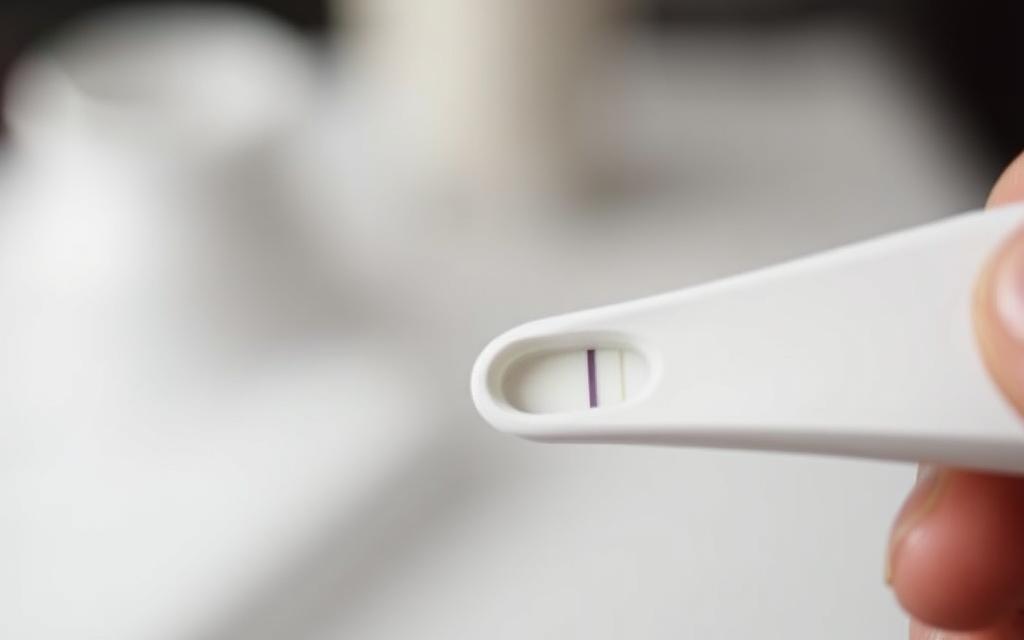
Look out for signs that a test might be bad. These include visible damage to the packaging, missing or damaged test strips, or if it’s past its expiration date. If you see any of these, throw the test away and get a new one.
Brand Reliability Differences
Not all pregnancy tests are the same. Some brands are more reliable than others because of how sensitive they are and how well they’re made. Choosing a reputable brand can help you get a correct result. Do some research and read reviews to help you choose.
Medical Conditions That Can Affect Test Results
Many medical conditions can make a pregnancy test show a false negative. Home pregnancy tests are usually accurate. But, some health issues can mess with their results.
Ectopic Pregnancies and Test Accuracy
An ectopic pregnancy happens when a fertilized egg grows outside the uterus. This can cause low levels of hCG. This might make a pregnancy test show a false negative. Ectopic pregnancies are very serious and need quick medical help.
PCOS and Hormonal Imbalances
Polycystic ovary syndrome (PCOS) is a hormonal disorder. It can mess with ovulation and menstrual cycles. Women with PCOS might have hormonal imbalances that affect hCG levels. This could lead to false negatives on pregnancy tests.
Thyroid Disorders and Other Health Conditions
Thyroid disorders and other health issues can also mess with pregnancy test results. Some thyroid problems can change how hCG is made or found. But, this is not very common.
Rare Conditions That Affect hCG Detection
Some rare conditions, like certain tumors or genetic disorders, can affect hCG levels. For example, some trophoblastic diseases can make hCG levels go up even when someone is not pregnant.
Knowing about these medical conditions can help understand false negatives on pregnancy tests. If you think you might be pregnant but got a negative test, see a doctor. This is very important if you have any health issues.
Medications That May Interfere With Results
It’s important to know how medicines can change what pregnancy tests show. Some drugs and supplements might mess with the results of these tests.
Fertility Treatments and False Readings
Medicines for fertility that have human chorionic gonadotropin (hCG) can lead to false positives. This is because hCG is what pregnancy tests look for to see if you’re pregnant. If you’re trying to get pregnant, think about this when you see your test results.
Common Medications That Affect Tests
Most medicines don’t really change what pregnancy tests show. But, some drugs, like those for fertility, can have a big effect. Always talk to your doctor about any medicines you’re taking and how they might change your test results.
Supplements and Their Impact on Hormone Levels
Some supplements can change hormone levels in your body. This might affect what your pregnancy test shows. Even though it’s usually not a big deal, it’s good to know. If you’re worried about how supplements might affect your test, ask your doctor.
Pregnancy Symptoms Despite Negative Tests
Many women feel pregnant even when tests say they’re not. They wonder what’s happening. Symptoms like morning sickness, tiredness, and sore breasts might mean pregnancy. But, they can also be signs of other things, like PMS.
Common Early Pregnancy Signs to Monitor
Some early signs of pregnancy include:
- Nausea and vomiting, known as morning sickness, but it can happen any time.
- Fatigue, feeling very tired or exhausted.
- Breast tenderness, where breasts may feel swollen, sore, or tender.
- Frequent urination, due to more blood and fluids in the body.
- Mood swings, caused by hormonal changes.
When Symptoms Should Prompt Further Testing
If you keep getting symptoms and a negative test, wait a few days and test again. Sometimes, false negative pregnancy tests happen because the test is too early. There’s not enough hCG in the urine yet.
Distinguishing Between Pregnancy and PMS
Telling if you’re pregnant or just have PMS can be hard. Many symptoms are the same. But, tracking your symptoms can help figure it out.
Tracking Your Symptoms Effectively
Keep a daily journal or use a fertility app to track your symptoms. Note how bad and long symptoms like cramps, bloating, mood swings, and sore breasts last. This can help you see patterns and know when to test again or see a doctor.
Understanding your body’s signs and being patient is key. It helps decide if you’re pregnant or not.
Next Steps If You Suspect Pregnancy
If a negative pregnancy test doesn’t match your feelings, you might wonder what to do. Knowing the next steps can ease your worries and uncertainty.
When to Retest and How Often
If you think you might be pregnant but the test says no, wait a few days to try again. HCG levels (human chorionic gonadotropin) grow fast in early pregnancy. This means retesting after a few days might show a rise in hCG levels.
It’s best to wait 3-5 days before retesting. This allows hCG levels to increase enough to be detected.
When to Seek Medical Confirmation
If you keep feeling like you might be pregnant or if tests keep saying no, see a doctor. They can do more precise tests to confirm or deny pregnancy.
Blood Tests vs. Urine Tests: Understanding the Differences
Blood tests can spot pregnancy sooner than urine tests because they measure hCG levels directly. There are two blood tests: qualitative and quantitative. Qualitative tests check if hCG is there, while quantitative tests show how much.
| Test Type | Detection Time | Accuracy |
|---|---|---|
| Urine Test | After missed period | High |
| Qualitative Blood Test | 6-8 days post-conception | Very High |
| Quantitative Blood Test | 6-8 days post-conception | Extremely High |
Questions to Ask Your Healthcare Provider
When you see a healthcare provider, having questions ready is smart. Ask things like:
- What could be causing my symptoms if I’m not pregnant?
- How soon can I get a blood test to confirm pregnancy?
- Are there any factors that could be affecting my test results?
Conclusion: Trusting Your Body and Getting Answers
It’s important to know that you can be pregnant even if a home test says no. Home tests are usually right, but they’re not always 100% sure.
There are many reasons why a test might show you’re not pregnant when you are. This could be because you tested too soon, have a medical condition, or the test had a problem. Knowing these reasons can help you understand what’s going on.
If you’re feeling like you might be pregnant, even if the test says you’re not, listen to your body. You might need to take another test or talk to a doctor to figure things out.
Knowing how home tests work and listening to your body can help you make smart choices about your health. If you’re not sure after a negative test, getting a doctor’s opinion can give you the answers you need.