Essential Foods to Avoid in Baby’s First Year

Starting your journey as a new parent can be overwhelming. It’s important to know which foods are good and which to avoid for your baby. This knowledge helps as your baby grows and their diet changes.
Babies grow a lot in their first year, and what they eat is key. Parents need to teach their babies good eating habits. This helps them stay healthy for their whole life.
Key Takeaways
- Understand the importance of infant nutrition guidelines for the first year.
- Identify foods to avoid for a healthy infant diet.
- Learn how to introduce new foods safely.
- Recognize the role of diet in a baby’s development.
- Discover tips for establishing healthy eating habits from the start.
Understanding Your Baby’s Developing Digestive System
As your baby grows, their digestive system changes a lot. “A baby’s digestive system is not just about processing food; it’s about laying the foundation for a lifetime of health and wellness,” says Dr. Jane Smith, a pediatrician. The digestive system’s development is a complex process involving various physiological changes.
How a Baby’s Digestion Differs from Adults
A baby’s digestive system is immature at birth and continues to develop over the first year. This difference is largely due to the varying levels of digestive enzymes and the capacity of the stomach.
Enzyme Development and Limitations
Infants have limited production of certain digestive enzymes, making it difficult for them to process complex foods. For instance, the enzyme amylase, which breaks down starches, is not fully produced until around 6 months of age.
Stomach Capacity and Feeding Frequency
A baby’s stomach is small and needs to be fed frequently. The stomach capacity increases as the baby grows, allowing for more substantial feedings over time.
Key Developmental Milestones in the First Year
The first year is marked by significant milestones in a baby’s digestive development, with the transition from an exclusive milk diet to solid foods being a major step.
0-6 Months: Exclusive Milk Diet
During the first six months, babies rely on breast milk or formula as their primary source of nutrition. This period is critical for their growth and development.
6-12 Months: Transitioning to Solids
Around 6 months, babies start to be introduced to solid foods, marking a significant step in their digestive development. This transition should be done gradually to monitor for any signs of allergy or intolerance.
Foods to Avoid During Your Baby’s First Year: A Complete Guide
Choosing the right foods for your baby is key to their health. Some foods can be harmful to infants because of their sensitive bodies and growing immune systems.
Why Certain Foods Pose Risks to Infants
Infants face more risks from food because their digestive systems are not fully developed. Their immune systems are also just starting to grow.
Physiological Vulnerabilities
Babies under one year have digestive systems that are not yet mature. This makes them more likely to get sick from harmful substances.
Immune System Development
Infants’ immune systems are not strong enough to fight off infections. This is because their bodies are not yet ready to defend against harmful foods.
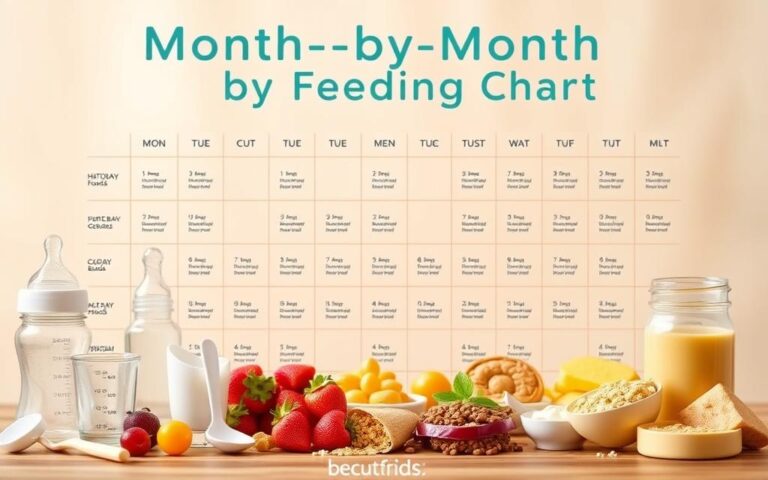
General Timeline for Food Introduction
It’s important to introduce foods at the right time. Here are some guidelines:
Signs of Readiness for Solid Foods
By around 6 months, babies show they are ready for solid foods. They sit up with support and are interested in eating.
Pacing New Food Introductions
Introduce new foods one at a time, every 3-5 days. This helps watch for any signs of allergy or intolerance.
| Age | Foods to Introduce | Foods to Avoid |
|---|---|---|
| 0-3 Months | Breast milk or formula | Solid foods |
| 4-6 Months | Single-ingredient purees (e.g., rice cereal, fruits, vegetables) | Honey, cow’s milk, nuts, shellfish |
| 7-12 Months | Gradually introduce more complex foods and textures | Choking hazards (e.g., grapes, hot dogs), high-mercury fish |
Honey and Botulism Risk: Why It’s a No-Go
Honey is found in many foods, but it’s not safe for babies. Infant botulism is a serious condition. It happens when babies eat spores of Clostridium botulinum in honey.
Understanding Infant Botulism
Infant botulism happens when Clostridium botulinum spores grow in a baby’s gut. This is because babies under 12 months have a developing digestive system. It can’t handle these spores well.
How Botulism Spores Affect Babies Differently
The spores can grow in a baby’s gut. They produce botulinum toxin. This toxin can cause symptoms from mild to severe.
Symptoms Parents Should Watch For
Parents should watch for signs of botulism. Look for constipation, a weak cry, and poor feeding. If you suspect botulism, get medical help right away.
Hidden Sources of Honey in Baby Foods
Honey is not just a standalone risk. It’s also hidden in many foods. Parents need to know where to look to keep their babies safe.
Processed Foods Containing Honey
Some cereals, baked goods, and even baby cereals have honey. Always check the labels.
Safe Sweetener Alternatives
For babies, it’s better to use mashed banana or applesauce for sweetness. These are safer and nutritious.
Choking Hazards: Foods That Threaten Tiny Airways
Introducing solid foods to your baby is a big step. It’s important to know which foods can cause choking. Knowing the risks can help you keep your baby safe.
Common Food Shapes and Textures to Avoid
Some foods are more likely to cause choking. Round, hard, or sticky foods are dangerous. They can get stuck in a baby’s airway.
Round, Hard, and Sticky Foods
Foods like grapes and berries can roll into the airway. Hard foods, like nuts and raw carrots, are hard to chew. Sticky foods, like peanut butter, can stick to the mouth or throat.
Specific High-Risk Foods
- Grapes
- Nuts
- Raw carrots
- Peanut butter
- Popcorn
How to Modify Foods to Reduce Choking Risk
Changing how you prepare food can help. Make sure the food is the right size and texture for your baby.
Proper Food Preparation Techniques
Cut foods into small pieces and cook them until soft. For example, cut grapes into quarters or cook carrots until tender.
Age-Appropriate Food Sizes and Textures
Food size and texture should match your baby’s age. Younger babies need pureed or very soft foods. Older babies can have softer foods.
| Age | Recommended Food Texture | Examples |
|---|---|---|
| 6-8 months | Pureed or very soft | Mashed bananas, pureed vegetables |
| 9-12 months | Soft, finely chopped | Soft fruits, cooked vegetables |
High-Allergy Foods: When and How to Introduce Them
As parents, knowing when to introduce high-allergy foods is key. New studies suggest starting early may lower allergy risks.
The Big Eight Allergens
The “Big Eight” foods are common allergens. They include peanuts, tree nuts, eggs, dairy, wheat, soy, fish, and shellfish. Knowing these foods helps parents manage their baby’s diet.
Peanuts, Tree Nuts, and Seeds
Peanuts and tree nuts are big allergy culprits. Starting with small amounts of peanut butter or ground nuts is safe. But watch for any signs of an allergic reaction.
Eggs, Dairy, Wheat, Soy, and Seafood
Eggs, dairy, and wheat are common allergens introduced early. Soy and seafood are also high-risk foods. Be ready to spot signs of an allergic reaction when introducing these.
Current Guidelines for Allergen Introduction
Guidelines now suggest introducing allergens early, around 4-6 months. This might lower allergy risks. But always watch for signs of an allergic reaction.
Early Introduction Benefits
Introducing allergens early might lower allergy risks. Studies show early exposure can build tolerance.
Signs of Allergic Reactions to Monitor
Watch for signs of allergic reactions. These can range from mild symptoms like rashes to severe reactions like anaphylaxis. Knowing how to react is key.
| Allergen | Signs of Allergic Reaction | Action to Take |
|---|---|---|
| Peanuts | Rash, itching, swelling | Monitor closely, consult a pediatrician |
| Eggs | Digestive issues, skin rashes | Observe for worsening symptoms, seek medical advice |
| Dairy | Gas, diarrhea, skin rashes | Consider alternative dairy products, consult a healthcare provider |
Salt and Sugar: Hidden Dangers in Baby’s Diet
Too much salt and sugar can harm a baby’s health. It’s important for parents to know the risks. Understanding how these ingredients affect a baby’s growth is key.

How Excess Sodium Affects Infant Kidneys
Too much sodium is hard on a baby’s kidneys. These organs are not fully grown yet. This can lead to serious health problems, like high blood pressure.
Safe Sodium Limits by Age
- 0-6 months: Less than 1g of salt per day
- 7-12 months: Less than 1g of salt per day
Common High-Sodium Foods to Avoid
- Processed meats
- Canned goods
- Some bread and baked goods
Sugar’s Impact on Developing Taste Preferences
Too much sugar can make babies prefer sweet tastes. This can shape their eating habits for life. It’s best to limit added sugars in a baby’s diet.
Natural vs. Added Sugars
It’s important to know the difference between natural sugars and added sugars. Natural sugars are in fruits and veggies. Added sugars are in processed foods.
Reading Labels for Hidden Sugars
Parents should check food labels for hidden sugars. This is important for products aimed at infants and toddlers.
“The American Academy of Pediatrics recommends that children under 2 years old should not consume any added sugars.”
By watching salt and sugar intake, parents can help their babies develop healthy eating habits. This sets them up for a healthy life.
Cow’s Milk: Why It Should Wait Until After 12 Months
Infants under 12 months have special nutritional needs. Cow’s milk doesn’t fit these needs. It lacks the right balance of nutrients for them.
Nutritional Gaps in Cow’s Milk for Infants
Cow’s milk isn’t made for infants. It has too little of some nutrients and too much of others. This can be bad for them.
Iron Deficiency Concerns
Cow’s milk might lead to iron deficiency in babies. It has very little iron. Plus, its high protein and calcium can block iron absorption.
Protein and Fat Composition Issues
The protein and fat in cow’s milk aren’t good for babies. It has too much casein and other proteins. This can cause allergies or intolerance.
Appropriate Dairy Options for Babies
There are better dairy choices for babies under 12 months.
Yogurt and Cheese Introduction
Yogurt and cheese can be introduced at 6-8 months. They should be full-fat and plain, without sugars. These can add protein, calcium, and other nutrients to a baby’s diet.
Transitioning from Formula or Breast Milk
When switching to dairy, do it slowly. Start with small amounts of yogurt or cheese. This helps babies adjust to new tastes and textures.
| Dairy Product | Age of Introduction | Nutritional Benefits |
|---|---|---|
| Yogurt | 6-8 months | Protein, Calcium, Probiotics |
| Cheese | 6-8 months | Calcium, Protein, Vitamins |
| Cow’s Milk | After 12 months | Calcium, Protein, Vitamins |
Unpasteurized Products and Food Safety Concerns
Unpasteurized products can be very dangerous for babies because they may have harmful bacteria. It’s important for parents to know about these risks. This way, they can keep their babies safe.
Bacterial Risks in Raw Foods
Raw foods can have Salmonella, E. coli, and Listeria. These bacteria can make babies very sick. Babies are more at risk because their immune systems are not fully developed.
Raw Milk and Dairy Products
Raw milk and unpasteurized dairy products are very risky for babies. Don’t give your baby raw milk or products made from it, like certain cheeses and yogurts. These can have harmful bacteria.
Undercooked Meats and Eggs
Undercooked meats and eggs can also be contaminated. Make sure meats are cooked well and eggs are fully cooked before giving them to your baby.
Safe Food Handling for Baby’s Meals
It’s very important to handle food safely to avoid contamination. Using the right storage, reheating, and handling methods can help a lot.
Proper Storage and Reheating
Keep baby food in airtight containers and refrigerate or freeze it right away. When reheating, make sure the food is hot enough to kill bacteria.
Cross-Contamination Prevention
To avoid cross-contamination, use separate utensils and cutting boards for baby food. Always wash your hands well before making baby meals.
| Food Handling Practice | Safe Method |
|---|---|
| Storage | Use airtight containers and refrigerate or freeze promptly |
| Reheating | Heat to a safe temperature |
| Cross-Contamination Prevention | Use separate utensils and cutting boards; wash hands thoroughly |
Caffeine and Other Stimulants: Effects on Infant Development
It’s important to know how caffeine and other stimulants affect baby’s growth. Babies are very sensitive to these substances. They can impact their development in many ways.
Hidden Sources of Caffeine in Baby’s Diet
Caffeine can find its way into a baby’s diet through different foods and drinks. It’s not just coffee that parents need to watch out for. Other sources are out there too.
Chocolate and Cocoa Products
Chocolate and cocoa have caffeine, but the amount varies. Dark chocolate, for example, has more caffeine than milk chocolate.
Teas and Flavored Waters
Some teas and flavored waters also have caffeine. Even herbal teas can sometimes have stimulants that are not expected.
Impact on Sleep and Neurological Development
Caffeine’s effects on infants go beyond sleep. It can also impact their brain development.
Sleep Disruption Patterns
Caffeine can mess up a baby’s sleep patterns. This can lead to irritability and other behavioral problems.
Long-term Effects on Brain Development
There are concerns about caffeine’s long-term effects on brain development. More research is needed in this area.
| Source | Caffeine Content | Potential Impact |
|---|---|---|
| Dark Chocolate | High | Sleep Disturbance |
| Milk Chocolate | Moderate | Irritability |
| Herbal Teas | Variable | Potential Stimulant Effect |
Processed Foods: Additives and Preservatives to Avoid
Parents often worry about what foods are safe for their babies. Processed foods are a big concern because they often have harmful additives and preservatives. It’s important to know what to avoid and choose healthier options to help your baby develop good eating habits.
Decoding Food Labels for Baby-Safe Options
Reading food labels is a key skill for parents. It helps spot dangers in processed foods. Look for certain additives and preservatives when checking labels.
Artificial Colors and Flavors
Artificial colors and flavors are found in many processed foods. But they can harm a baby’s health. These additives have been linked to hyperactivity and other behavioral problems.
Nitrates, BHA, and Other Concerning Additives
Nitrates, BHA, and similar additives are used to keep food fresh and look better. But they can be bad for babies, causing health problems.
Making Homemade Alternatives to Processed Foods
One great way to avoid harmful additives is to make your own baby food. This way, you can choose what goes into it.
Simple Baby Food Recipes
Making baby food is easy. Start with simple recipes like mashed fruits and veggies. As your baby gets older, you can add more flavors and textures.
Batch Cooking and Storage Tips
Batch cooking and storing food properly makes homemade baby food easy. Use airtight containers and freeze portions for later.
Cultural Considerations: Adapting Traditional Foods for Baby’s First Year
The first year of a baby’s life is full of growth and cultural food traditions. Parents often turn to their cultural background when introducing solid foods. This is a way to share their heritage with their baby.
Modifying Family Recipes for Infant Safety
Changing family recipes for baby safety is key. One important step is to cut down on spices and seasonings. These can be too strong for a baby’s sensitive stomach.
Reducing Spices and Seasonings
Many family dishes are full of spices and seasonings. While tasty for adults, they can be too much for babies. Parents can make these dishes safer by reducing these ingredients.
Texture Adaptations for Cultural Staples
Changing the texture of foods is also vital. This helps prevent choking. Parents can puree or finely chop ingredients to make them safer for their babies.
Balancing Cultural Traditions with Infant Nutrition Guidelines
It’s important to mix cultural foods with current nutrition advice for babies. This ensures babies get the nutrients they need while enjoying their heritage.
Introducing Cultural Foods Safely
Introducing cultural foods to babies should be done carefully. Start with small amounts and watch for any signs of allergy. This way, babies can enjoy a variety of cultural dishes safely.
Celebrating Food Diversity While Maintaining Safety
Parents can honor their cultural heritage while keeping their baby safe. This might mean using different ingredients or cooking methods. It’s all about finding a balance.
| Cultural Dish | Original Ingredients | Adapted for Infants |
|---|---|---|
| Spicy Stew | Hot peppers, spices | Mild version, no hot peppers |
| Traditional Soup | High-sodium broth | Low-sodium broth |
Introducing solid foods to babies is a big step. Being aware of cultural traditions helps parents make choices that are both safe and respectful of their heritage.
Conclusion: Creating a Safe and Nutritious Diet for Your Growing Baby
Introducing new foods to your baby is a big step. It’s important to know which foods to avoid in the first year. This helps keep your baby safe and healthy as they grow.
Starting with healthy eating habits is key for your baby’s future health. Avoiding foods that can cause choking or allergies is important. This makes the move to solid foods easier.
When feeding your baby, watch out for risky foods. Being informed and careful helps your baby develop good eating habits. These habits will benefit them for years to come.