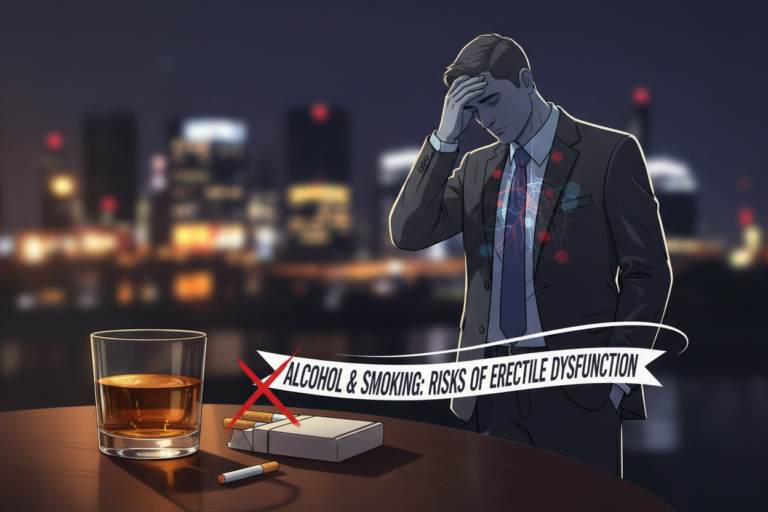
Erectile Dysfunction Could Signal Diabetes Years in Advance

Feeling erectile dysfunction can be really tough. But, it might also warn you about a bigger health problem: diabetes.
Studies have found a strong link between erectile dysfunction and diabetes. This means men with ED might face a higher chance of getting diabetes later.
This connection shows how crucial it is to know why erectile dysfunction happens. It could be linked to diabetes.
Key Takeaways
- There’s a significant link between erectile dysfunction and diabetes.
- Men with ED are at a higher risk of developing diabetes.
- Understanding the causes of ED can help in early detection of diabetes.
- Early detection can lead to timely management of diabetes.
- Men experiencing ED should consult a healthcare provider.
The Surprising Connection Between Erectile Dysfunction and Diabetes
Erectile dysfunction and diabetes have a common link – our blood vessels’ health. Studies show that these two conditions are connected through the vascular system. Endothelial dysfunction is a key player in this connection.
Understanding the Vascular System Link
The vascular system, made up of arteries, veins, and capillaries, is vital for erections. Healthy blood vessels are necessary for achieving and maintaining an erection. Diabetes can harm these vessels, causing erectile dysfunction.
Both ED and diabetes involve endothelial dysfunction. The endothelium, a thin layer of cells, is crucial for blood vessel health. It helps regulate blood flow and pressure.
Why Small Blood Vessels Show Damage First
Small blood vessels are often damaged first in diabetes. They are more vulnerable to high blood sugar levels. Men with diabetes may experience erectile dysfunction early on.
- Damage to small blood vessels can lead to reduced blood flow.
- Reduced blood flow can cause erectile dysfunction.
- Erectile dysfunction can be an early warning sign for diabetes.
The Role of Endothelial Dysfunction
Endothelial dysfunction is a major factor in both erectile dysfunction and diabetes. It makes blood vessels less able to relax and constrict. This leads to poor blood flow.
“Endothelial dysfunction is a systemic disorder that can affect multiple vascular beds, including those involved in erectile function.” –
This shows why keeping our vascular health is crucial. It helps prevent both erectile dysfunction and diabetes.
Can Erectile Dysfunction Predict Diabetes Years Before Diagnosis?
Erectile dysfunction affects millions of men globally. It might signal diabetes years before it’s officially diagnosed. Studies have shown a strong link between ED and diabetes onset.
What Major Studies Reveal About the Timeline
Several studies have looked into the connection between ED and diabetes. They shed light on when ED symptoms might show up before diabetes is diagnosed.
The Massachusetts Male Aging Study Findings
The Massachusetts Male Aging Study (MMAS) is a key study in this field. It found that men with ED are more likely to get diabetes. Some men with ED show symptoms up to 10 years before they’re diagnosed with diabetes.
Recent Meta-Analysis Results
A recent meta-analysis confirmed the MMAS findings. It showed that ED can be an early sign of diabetes. Men with ED have a higher risk of getting diabetes.
How Many Years in Advance ED Can Appear
The time gap between ED and diabetes diagnosis varies. But, evidence suggests ED can appear several years before diabetes is diagnosed.
| Study | Years ED Precedes Diabetes Diagnosis |
|---|---|
| Massachusetts Male Aging Study | Up to 10 years |
| Recent Meta-Analysis | Average of 5-7 years |
The table above highlights the findings from major studies. It shows ED can be a strong predictor of diabetes, appearing years before the diagnosis.
How Diabetes Affects Erectile Function
Diabetes can really mess with a man’s ability to get an erection. It’s important to know how it works to help men with diabetes deal with erectile dysfunction (ED).
Blood Vessel Damage and Reduced Circulation
Diabetes harms blood vessels and cuts down on blood flow. This is key for getting an erection. When blood vessels get damaged, they can’t send enough blood to the penis, causing ED. High blood sugar levels can damage blood vessels over time, making it hard to get and keep an erection.
Diabetic Neuropathy and Nerve Damage
Diabetic neuropathy, or nerve damage from diabetes, is another big issue. It messes with the signals needed for an erection. Neuropathy comes from long-term high blood sugar levels, hurting both sensory and motor nerves.
Hormonal Changes and Low Testosterone
Hormonal shifts, like low testosterone, also play a part in ED for diabetic men. Diabetes can mess with hormone production, including testosterone, which is key for sex. Low testosterone can lead to less sex drive and ED.
The Impact of Insulin Resistance
Insulin resistance, a sign of type 2 diabetes, also affects erectile function. It makes it hard for the body to use insulin well, leading to high blood sugar. This can harm blood vessels and nerves, adding to ED problems.
| Factor | Impact on Erectile Function |
|---|---|
| Blood Vessel Damage | Reduces blood flow to the penis |
| Diabetic Neuropathy | Disrupts nerve signals needed for erection |
| Hormonal Changes | Affects libido and erectile function |
| Insulin Resistance | Contributes to vascular and nerve damage |
Knowing these factors is key to managing ED in men with diabetes. By tackling the root causes, men can improve their symptoms and life quality.
Early Signs of Diabetes You Shouldn’t Ignore
Knowing the early signs of diabetes is key to managing it well. Type 2 diabetes often starts slowly. Spotting its early signs can help you get medical help sooner.
Classic Diabetes Symptoms Beyond ED
While erectile dysfunction (ED) can signal diabetes in men, there are other signs to watch for. These signs are more common and can affect anyone, not just men.
Increased Thirst and Frequent Urination
Diabetes makes it hard for the body to control blood sugar. This leads to high glucose levels in the blood. As a result, people may feel very thirsty and need to pee a lot.
Unexplained Weight Loss and Fatigue
People with undiagnosed diabetes might lose weight even when they eat enough. This is because their bodies can’t use glucose for energy. This can make them feel fatigued because their cells don’t get the energy they need.
Subtle Warning Signs Often Overlooked
There are also subtle signs of diabetes that are often missed. Knowing about these can help catch the disease early.
Slow-Healing Wounds and Infections
Diabetes can make it hard for the body to heal wounds and fight infections. High blood sugar damages blood vessels and nerves. This can cause slow-healing wounds and make infections more likely.
Blurred Vision and Tingling Extremities
High blood sugar can make the lens in the eye swell, causing blurred vision. It can also damage nerves, leading to tingling or numbness in the hands and feet.
| Symptom | Description |
|---|---|
| Increased Thirst | High blood sugar levels cause the body to pull fluid from tissues, leading to dehydration. |
| Frequent Urination | The body tries to eliminate excess glucose through urine, leading to more frequent trips to the bathroom. |
| Unexplained Weight Loss | The body’s inability to use glucose for energy leads to weight loss despite increased appetite. |
Being aware of these early signs of diabetes can make a big difference. If you notice several of these symptoms, it’s important to see a doctor.
Understanding Diabetes Risk Factors
Knowing what puts you at risk for diabetes is the first step in managing your health. Several factors can increase your likelihood of developing diabetes. Being aware of them can help you take preventive measures.
Body Weight and Obesity as Primary Risk Factors
Being overweight or obese is a big risk for type 2 diabetes. Excess body fat, especially around the abdomen, can lead to insulin resistance. This means your body’s cells don’t respond well to insulin, raising blood sugar levels.
Age and Family History Considerations
Age is a key factor, with risk increasing after 45. Family history also plays a significant role. If you have a first-degree relative with diabetes, you’re more likely to get it.
| Risk Factor | Description | Impact on Diabetes Risk |
|---|---|---|
| Obesity | Excess body fat, especially around the abdomen | High |
| Age | Risk increases after age 45 | Moderate to High |
| Family History | Having a first-degree relative with diabetes | High |
Lifestyle Factors That Increase Your Risk
Lifestyle choices also impact your diabetes risk. Physical inactivity and diet are two major factors.
Physical Inactivity and Sedentary Behavior
A sedentary lifestyle can lead to insulin resistance and diabetes risk. Regular physical activity improves insulin sensitivity, reducing this risk.
Poor Diet and Metabolic Syndrome
A diet full of processed foods, sugars, and unhealthy fats can cause obesity and metabolic syndrome. Metabolic syndrome is a group of conditions that increase diabetes and heart disease risk.
Understanding these risk factors helps you make better lifestyle choices. By addressing modifiable risk factors, you can lower your diabetes risk.
When Erectile Dysfunction Symptoms Should Prompt Diabetes Screening
Erectile dysfunction symptoms can be an early warning sign for diabetes. It’s important to know when to act. Men with ED should be aware of the link to diabetes and when to get screened.
ED in Men Under 40: A Critical Red Flag
Erectile dysfunction in men under 40 is a big concern. It’s seen as a critical red flag for health issues like diabetes. Young men with ED should talk to their doctor about the risks.
Sudden Onset vs. Gradual Development
The way ED starts can give clues about its cause. A sudden onset might point to vascular problems or diabetes. On the other hand, gradual development could be due to lifestyle or aging. Knowing how it started helps decide what to do next.
Combined Symptoms That Require Immediate Testing
If ED comes with symptoms like increased thirst, frequent urination, or unexplained weight loss, see a doctor right away. These signs could mean diabetes. Early detection is crucial for managing it well.
Men with ED and diabetes risk factors, like obesity or a family history, should talk to their doctor. This can help figure out when to get screened for diabetes.
The Importance of Early Detection and Screening
Early detection and timely action are key to managing diabetes. Early diagnosis lets people make lifestyle changes and start medication if needed.
Type 2 diabetes often develops slowly. Symptoms can be hard to spot in the early stages. So, screening is crucial for finding those at risk or in the early stages.
Standard Diabetes Tests You Should Know About
There are several tests for diagnosing diabetes. Knowing about them can help you understand your health better.
Fasting Plasma Glucose Test
This test checks blood glucose levels after fasting overnight. It’s a simple and common way to diagnose diabetes.
Hemoglobin A1C Test
The Hemoglobin A1C (HbA1c) test shows your blood glucose levels over the past 2-3 months. It’s great for both diagnosing and monitoring diabetes.
Oral Glucose Tolerance Test
This test checks how well your body handles a sugary drink. It’s used to spot prediabetes and diabetes.
“Early detection of diabetes through screening can significantly reduce the risk of complications, improving the quality of life for those affected.”
| Test | Purpose | Indications |
|---|---|---|
| Fasting Plasma Glucose | Measures blood glucose after fasting | Diabetes diagnosis |
| Hemoglobin A1C | Provides average blood glucose levels over 2-3 months | Diabetes diagnosis and monitoring |
| Oral Glucose Tolerance | Assesses body’s ability to regulate blood glucose | Prediabetes and diabetes diagnosis |
Recommended Screening Schedules by Age Group
Screening advice changes with age and risk factors. Adults usually start screenings at 45.
For those at higher risk, like those with a family history of diabetes or obesity, screenings might start earlier.
Regular screenings can catch diabetes early. This allows for quick action. It’s important to talk to your healthcare provider about your risk and screening schedule.
Diabetes Prevention Strategies for Men with ED
Men with erectile dysfunction are more likely to get diabetes. But, there are ways to stop it. By changing lifestyle habits and making smart choices, men can lower their diabetes risk a lot.
Weight Loss and Body Composition Goals
Keeping a healthy weight is key to avoiding diabetes. For men with ED, losing weight can also boost their sex life and insulin use.
- Set realistic weight loss goals: Aim to lose 5-10% of your current body weight.
- Focus on body composition: Increasing muscle mass through strength training can improve insulin sensitivity.
Dietary Changes That Lower Diabetes Risk
What you eat is very important for diabetes prevention. Eating right can control blood sugar and boost health.
The Mediterranean Diet Approach
The Mediterranean diet is full of fruits, veggies, whole grains, and healthy fats. It’s great for preventing diabetes.
“The Mediterranean diet has been shown to reduce the risk of developing type 2 diabetes by improving insulin sensitivity and glucose metabolism.”
Reducing Sugar and Refined Carbohydrates
Drinking less sugary drinks and eating fewer foods with refined carbs can help control blood sugar.
- Choose whole grains over refined grains.
- Opt for natural sources of sugar, such as fruits, rather than processed foods.
Exercise Routines That Improve Both Conditions
Regular exercise is key for better insulin use and sex life. A mix of cardio and strength training works best.
Cardiovascular Exercise Benefits
Regular cardio improves heart health and boosts blood flow. This helps both sex life and insulin use.
- Aim for at least 150 minutes of moderate-intensity aerobic activity per week.
- Include activities such as brisk walking, cycling, or swimming.
Strength Training for Insulin Sensitivity
Strength training builds muscle and improves insulin use. This lowers diabetes risk.
| Exercise Type | Frequency | Benefits |
|---|---|---|
| Strength Training | 2-3 times per week | Improved insulin sensitivity, increased muscle mass |
| Cardiovascular Exercise | At least 150 minutes per week | Enhanced heart health, improved blood flow |
By following these prevention tips, men with ED can lower their diabetes risk. This improves their health overall.
Treatment Options for Erectile Dysfunction Related to Diabetes
Managing erectile dysfunction (ED) in men with diabetes needs a full approach. It’s not just about treating ED symptoms. It’s also about controlling diabetes to avoid more problems.
Blood Sugar Management as First-Line Treatment
Keeping blood sugar levels in check is key for ED in diabetes. By doing this, men can improve their blood vessel health. This can help their erectile function.
Stable blood sugar levels can reduce nerve damage and improve blood flow. Both are important for keeping erectile health good.
A study in the Diabetes Care journal found that intense diabetes treatment lowers the risk of complications. So, the first step in treating ED in diabetic men is often to improve their diabetes management plan.
FDA-Approved Medications for ED
For many men, FDA-approved medications are a good option for treating ED. These include PDE5 inhibitors, which work well for men with diabetes.
PDE5 Inhibitors: Sildenafil, Tadalafil, and Vardenafil
PDE5 inhibitors make nitric oxide work better. This natural chemical relaxes penis muscles, increasing blood flow. Sildenafil (Viagra), Tadalafil (Cialis), and Vardenafil (Levitra) are common PDE5 inhibitors. But, their effectiveness can be affected by diabetes and blood sugar control.
- Sildenafil: Taken as needed, about 30 minutes to 1 hour before sexual activity.
- Tadalafil: Can be taken daily or as needed, offering flexibility in dosing.
- Vardenafil: Taken as needed, similar to sildenafil, with effects noticeable within 30 minutes.
Safety Considerations for Diabetic Men
PDE5 inhibitors are generally safe, but diabetic men need to watch out for interactions. It’s crucial for men to discuss their full medication list and health status with their healthcare provider to ensure safe treatment.
“Men with diabetes should be cautious when using PDE5 inhibitors, especially if they are on multiple medications or have a history of heart disease.”
Additional Medical and Surgical Interventions
For men who don’t respond to oral medications or need more help, other treatments are available. These include vacuum erection devices, penile implants, and injectable therapies.
These alternatives offer hope for men with diabetes who are struggling with ED. They provide a range of options to meet different needs and preferences.
Talking to Your Doctor About ED and Diabetes Concerns
Talking about erectile dysfunction with your doctor might feel scary. But it’s key for catching diabetes and other health issues early. Many men find it hard to talk about ED, but being honest can really help your health.

Overcoming Embarrassment and Starting the Conversation
It’s normal to feel shy about talking about erectile dysfunction. But doctors are used to dealing with these topics. Start by talking about your health worries and how ED might link to diabetes.
Be direct when you talk. Say something like, “I’ve been having trouble with erectile dysfunction and I’m worried it might be diabetes. Can we talk about it?” This shows you’re serious about your health.
Essential Questions to Ask Your Healthcare Provider
Having a list of questions can make your talk more useful. Some important ones include:
- Could my erectile dysfunction be a sign of diabetes or prediabetes?
- What tests are needed to determine if I have diabetes?
- Are there any lifestyle changes that can help manage both ED and diabetes?
- What treatment options are available for ED if I am diagnosed with diabetes?
These questions can help you understand your situation better and what steps to take to get better.
Medical Information to Bring to Your Appointment
Bringing the right medical info can help a lot. This includes:
Current Medications and Supplements
Write down all the medicines you’re taking, including how much. Also, list any vitamins or supplements. Some meds can cause ED, and knowing what you’re taking can help your doctor figure out why.
Symptom Timeline and Severity
Keep track of when your ED started and how it’s changed. Note how bad it is and what makes it better or worse. This info is really helpful for your doctor.
Being ready and open with your doctor can help you tackle erectile dysfunction and diabetes worries. This can lead to better health for you.
Conclusion
It’s important to know how erectile dysfunction (ED) and diabetes are linked. Studies show that ED can signal diabetes years before it’s diagnosed. This connection is due to how our blood vessels work and our body’s sugar management.
Men with ED should watch out for diabetes risk signs like being overweight, older age, and family history. Catching diabetes early is key to managing it. Eating right and staying active can help lower diabetes risk.
Yes, ED can warn of diabetes years ahead. Recognizing ED symptoms and its diabetes link helps men stay healthy. Seeing a doctor is crucial for anyone with ED or diabetes signs.