ED vs Performance Anxiety: How to Tell the Difference
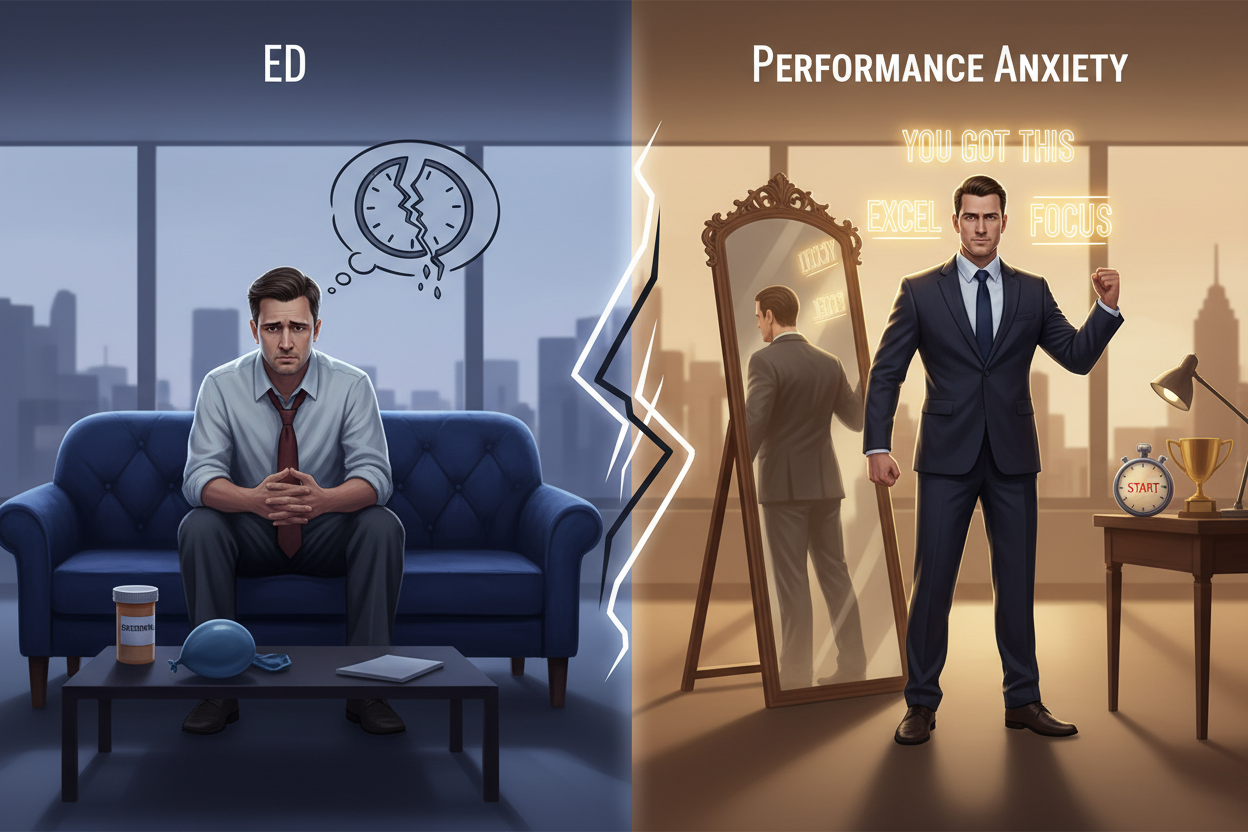
Distinguishing between Erectile Dysfunction and Performance Anxiety is crucial for addressing sexual health issues effectively.
These two conditions, while related, have distinct implications for treatment and overall well-being. Understanding their differences is key to seeking appropriate care and improving quality of life.
The inability to achieve or maintain an erection can be a symptom of either condition, making diagnosis challenging without proper insight.
Key Takeaways
- Understanding the difference between Erectile Dysfunction and Performance Anxiety is vital.
- Both conditions affect sexual health but have different underlying causes.
- Proper diagnosis is essential for effective treatment.
- Treatment options vary based on the underlying condition.
- Improving overall well-being requires addressing these sexual health issues.
Understanding Sexual Health Challenges
It’s key to grasp the challenges of sexual health, likeerectile dysfunction (ED)andperformance anxiety. Sexual health mixes physical, emotional, and mental aspects. Issues here can greatly affect a person’s life quality.
Sexual health problems aren’t just physical. They also touch on emotions and mental health. ED and performance anxiety hit millions globally. Studies show ED affects a big chunk of men, especially as they get older.
These problems don’t just harm the person. They also affect their partners and relationships. The emotional strain can cause feelings of not being good enough, low self-worth, and anxiety. This creates a cycle hard to get out of.
Health experts say, “Sexual health is a big part of overall health. We must tackle its challenges seriously.” This shows how vital it is to understand and tackle these issues fully.
Many things lead to sexual health problems. These include lifestyle, medical issues, and mental health. Knowing these helps figure out the best steps for ED or performance anxiety.
- Lifestyle choices like smoking, too much drinking, and not exercising can harm sexual health.
- Medical issues like diabetes, high blood pressure, and heart disease also play a big part.
- Stress, anxiety, and depression can make these problems worse.
Understanding sexual health challenges helps people deal with issues like ED, performance anxiety, or others.
What Is Erectile Dysfunction (ED)?
It’s important to know about erectile dysfunction (ED) to tackle sexual health issues. ED makes it hard for a man to get or keep an erection for sex.
The Medical Definition of Erectile Dysfunction
Erectile dysfunction is when a man can’t get or keep an erection for sex. It’s also called impotence. But, “impotence” is less used today because it has a wider meaning.
To diagnose ED, doctors look at a man’s health history and do a physical check. They might also do more tests to find out why it’s happening. The reasons can be many, like blood flow problems, nerve issues, hormone imbalances, or mental health.
How ED Manifests During Sexual Activity
ED can show up in different ways during sex. Some men can’t get an erection, while others might get one but can’t keep it. How it shows up can change from time to time. It can be affected by stress, anxiety, and overall health.
For some, ED only happens in certain situations or with certain people. For others, it’s a regular problem. Knowing how often it happens helps figure out why it’s happening.
The Physical Nature of Erectile Dysfunction
The physical side of ED is complex. It involves the blood flow, nerves, and hormones. Vascular health is key because blood flow to the penis is needed for an erection.
| Physical Factor | Description | Impact on ED |
|---|---|---|
| Vascular Health | Adequate blood flow to the penis | Poor vascular health can lead to ED |
| Nervous System | Nerve signals initiate erection | Nerve damage can disrupt ED |
| Hormonal Balance | Testosterone levels affect sexual function | Low testosterone can contribute to ED |
Understanding the physical side of ED helps doctors find the cause. Then, they can plan the best treatment.
What Is Sexual Performance Anxiety?
Many people feel worried or scared about their sexual performance. This is called performance anxiety. It can really hurt their sexual health and life quality.
Defining Performance Anxiety in the Bedroom
Performance anxiety is feeling worried or scared during sex. It might come from fear of not being able to perform or worry about pleasing your partner.
Key aspects of performance anxiety include:
- Fear of not achieving or maintaining an erection
- Concerns about premature ejaculation
- Apprehension about satisfying one’s partner
Common Psychological Triggers
Many psychological factors can make performance anxiety worse. These include:
- Past negative sexual experiences
- Fear of failure or rejection
- Generalized anxiety or stress
- Relationship issues or conflicts
Knowing what triggers performance anxiety is key to fixing it.
The Mind-Body Connection in Sexual Function
The mind and body are closely linked in sex. Anxiety and stress can mess with how the body reacts to sex. This can cause problems like erectile dysfunction or premature ejaculation.
The interplay between psychological factors and physical responses is complex:
| Psychological Factor | Physical Response | Impact on Sexual Function |
|---|---|---|
| Anxiety/Stress | Increased heart rate, tension | Erectile dysfunction, premature ejaculation |
| Fear of failure | Muscle tension, avoidance | Reduced sexual desire, performance issues |
| Past trauma | Flashbacks, avoidance behaviors | Difficulty with intimacy, sexual dysfunction |
It’s important to know the difference between ED and performance anxiety. ED is mostly a physical issue, but performance anxiety is a mental one. Yet, they can affect each other a lot.
ED vs Performance Anxiety: How to Tell the Difference
It’s important to know if you have ED or performance anxiety to fix your sexual health issues. Both can really affect your life, but they have different causes and signs.
Frequency and Consistency Patterns
Looking at how often symptoms happen can help tell ED from performance anxiety. Erectile dysfunction is usually a steady problem. Men often have trouble getting or keeping an erection, no matter the situation or partner.
But, performance anxiety might only cause problems in certain situations or with specific people. Knowing this can help figure out if your issue is physical or mental.
| Characteristics | Erectile Dysfunction (ED) | Performance Anxiety |
|---|---|---|
| Consistency of Issue | Consistent across situations | Varies by situation or partner |
| Primary Cause | Often physical | Psychological |
| Impact on Sexual Activity | Difficulty achieving or maintaining erection | Erectile issues in specific contexts |
Situational Versus Constant Symptoms
When symptoms show up matters a lot. Performance anxiety usually shows up in certain situations, like on a first date or with someone new. But ED can happen all the time, not just in certain situations.
Knowing if your symptoms are situational or always there can help figure out what’s causing them.
The Role of Context and Environment
The place and situation of sex can also tell you if it’s ED or performance anxiety. Stress, anxiety, or feeling pushed can make performance anxiety worse. But ED might not be as affected by these things.
Understanding how context and environment play a part can help you figure out what’s going on. Then, you can get the right help.
Recognizing Physical Versus Psychological Symptoms
It’s important to know the difference between physical and psychological symptoms. This helps find the right treatment for ED and performance anxiety. Understanding the cause of sexual health issues is key.
Physical Signs That Point to ED
Erectile dysfunction shows up as physical symptoms. These include trouble getting or keeping an erection, less sexual desire, or other physical issues during sex. Physical signs that may indicate ED include:
- Difficulty achieving an erection
- Inconsistent ability to maintain an erection
- Reduced firmness of erections
These signs can point to health problems like diabetes, heart disease, or hormonal issues. Seeing a doctor is important to find the cause.

Psychological Symptoms of Performance Anxiety
Performance anxiety shows up as mental symptoms. These include feeling anxious, fearing failure, or stress about sex. Common symptoms include:
- Anxiety before or during sex
- Fear of not being able to perform
- Stress about meeting sex expectations
These feelings can make sex hard to enjoy and might lead to avoiding it.
The Morning Erection Test
The morning erection test can help figure out if ED is physical or psychological. This test checks if you get erections while sleeping or waking up. Most men get erections during sleep, showing their body can make an erection.
If you get morning erections strong enough for sex, it might mean your issue is psychological. But, this test isn’t the only answer and should be used with other signs and doctor’s advice.
Understanding the Root Causes and Risk Factors
It’s key to know what causes ED and Performance Anxiety to treat them well. Both are complex, with many physical, mental, and lifestyle factors at play.
Medical Conditions That Cause Erectile Dysfunction
Many medical issues can lead to ED. Diabetes, heart disease, and hypertension can harm blood vessels and nerves needed for an erection. Hormonal imbalances, like low testosterone levels, also play a part.
Neurological disorders like Parkinson’s disease and multiple sclerosis can cause ED. Some medicines, like those for high blood pressure, depression, and prostate cancer, can also lead to ED as a side effect.
Psychological Factors Behind Performance Anxiety
Performance Anxiety is often rooted in psychological issues. Fear of failure, stress, and anxiety can make it hard to get or keep an erection during sex.
Experiences like trauma or previous sexual failures can also contribute. Societal expectations around sex can make these feelings worse.
Risk Factors That Apply to Both Conditions
ED and Performance Anxiety share some risk factors. Knowing these can help in creating better treatment plans.
Age, Lifestyle, and Health Habits
Age is a big risk factor for both. As men get older, their health declines and stress increases, leading to these issues.
Lifestyle factors like a bad diet, not exercising, and smoking can also raise the risk. A healthy lifestyle can help lower these risks.
Relationship Stress and Communication Issues
Relationship stress and communication issues are also key. Strained relationships or lack of emotional closeness can lead to anxiety and erectile problems.
Talking openly with your partner is vital. Couples therapy can help fix relationship problems and improve sexual health.
How to Determine What You’re Dealing With
Figuring out what’s causing your sexual issues can take some time. It starts with asking the right questions. Whether it’s erectile dysfunction (ED) or performance anxiety, knowing your symptoms is key.
Questions to Ask Yourself
Start by thinking about your experiences. Ask yourself a few important questions. Consider the following:
- How often do I experience difficulties with erections or sexual performance?
- Are there specific situations or partners that trigger my anxiety or ED?
- Have I noticed any patterns or changes in my sexual health over time?
- Are there any underlying medical conditions or medications that could be contributing to my symptoms?
Answering these questions can help you understand what might be causing your issues.
Keeping a Symptom Journal
Tracking your symptoms in a symptom journal can be very helpful. You can use a digital note or a physical notebook. Record details about your sexual experiences, including:
- The date and time of the experience
- Any factors that might have influenced your sexual performance (e.g., stress, alcohol consumption)
- The nature of the difficulty you experienced (e.g., inability to achieve an erection, premature ejaculation)
This journal can help you and your healthcare provider understand your condition better over time.
Identifying Your Personal Patterns
After gathering information through self-reflection and journaling, look for patterns. Use the following table to summarize your findings:
| Pattern | Possible Indication |
|---|---|
| Consistent difficulties with erections across different situations | Potential erectile dysfunction due to underlying medical factors |
| Anxiety or performance issues in specific situations or with certain partners | Possible performance anxiety triggered by psychological factors |
| Variability in sexual performance, with some successful experiences | May indicate a mix of physical and psychological factors, or situational performance anxiety |
Understanding your personal patterns can help you move forward in addressing your sexual health concerns.
Treatment Approaches for ED and Performance Anxiety
Treating ED and performance anxiety needs a full plan that covers both body and mind. It’s key to know the difference between these two issues to pick the right treatment.
Medical Solutions for Erectile Dysfunction
Erectile Dysfunction has many medical treatments, like FDA-approved drugs and other options. These aim to fix erectile issues and boost sexual performance.
FDA-Approved Medications and How They Work
Medicines like sildenafil (Viagra) and tadalafil (Cialis) are often given for ED. They help by making more blood flow to the penis, helping to get an erection.
How well these drugs work can differ for each person. They’re often used with other treatments.
| Medication | Brand Name | Duration of Action |
|---|---|---|
| Sildenafil | Viagra | 4-6 hours |
| Tadalafil | Cialis | up to 36 hours |
Alternative Medical Interventions
There are also other medical options for ED, like vacuum devices and penile implants.
These might be options for those who can’t use or don’t respond to usual meds.
Effective Therapies for Performance Anxiety
Performance anxiety can be treated with different therapies, like Cognitive Behavioral Therapy (CBT), Sex Therapy, and ways to reduce stress.
Cognitive Behavioral Therapy and Sex Therapy
CBT helps by changing negative thoughts. Sex Therapy improves communication and closeness.
These can be used alone or together for the best results.
Stress Reduction and Mindfulness Practices
Stress-reducing activities like mindfulness and relaxation can help with performance anxiety.
Doing these regularly can improve sexual function and overall health.
When You Should See a Doctor
Knowing when to see a doctor for erectile dysfunction or performance anxiety is key. Occasional trouble with erections or anxiety about sex is normal. But, if these issues keep happening or get worse, it might mean there’s a serious problem.
Warning Signs That Need Medical Evaluation
Some symptoms are clear signs you need to see a doctor. These include:
- Persistent erectile dysfunction
- Sudden or severe erectile dysfunction
- Painful erections
- Erections that are not firm enough for satisfactory sexual activity
- Anxiety or fear that interferes with sexual activity or daily life
If you’re experiencing any of these symptoms, it’s crucial to seek medical evaluation to determine the underlying cause.
Preparing for Your Healthcare Visit
Before your visit, it’s helpful to:
- Make a list of your symptoms, including when they started and how often they occur.
- Gather any relevant medical records or test results.
- Write down any questions or concerns you have.
- Be prepared to discuss your medical history, including any medications you’re taking.
Being prepared will help ensure a productive discussion with your healthcare provider.
Choosing Between a Primary Care Doctor and a Specialist
For initial concerns about erectile dysfunction or performance anxiety, starting with a primary care doctor is often the best approach. They can provide a general evaluation and refer you to a specialist if needed.
| Condition | Primary Care Doctor | Specialist |
|---|---|---|
| Erectile Dysfunction | Initial evaluation, basic treatment | Urologist for advanced treatment, underlying conditions |
| Performance Anxiety | Initial assessment, referral to therapy | Psychologist or sex therapist for specialized therapy |
Understanding when to seek medical help and being prepared for your healthcare visit can significantly impact the effectiveness of your treatment for erectile dysfunction and performance anxiety.
Conclusion
It’s important to know the difference between ED and Performance Anxiety to tackle sexual health issues well. We’ve looked at what makes each condition unique, from their definitions to how to treat them.
Figuring out if you have ED or Performance Anxiety can be tricky. But knowing the signs is the first step to getting help. Understanding both physical and mental factors helps you manage your sexual health better.
Being proactive about your sexual health means listening to your body and getting help when you need it. There are many ways to treat ED and Performance Anxiety, from medicine to therapy.
Learning and getting the right support can help you beat ED and Performance Anxiety. This leads to a healthier and more enjoyable sex life.