Can Stress Shut Down Erections? Cortisol’s Hidden Role
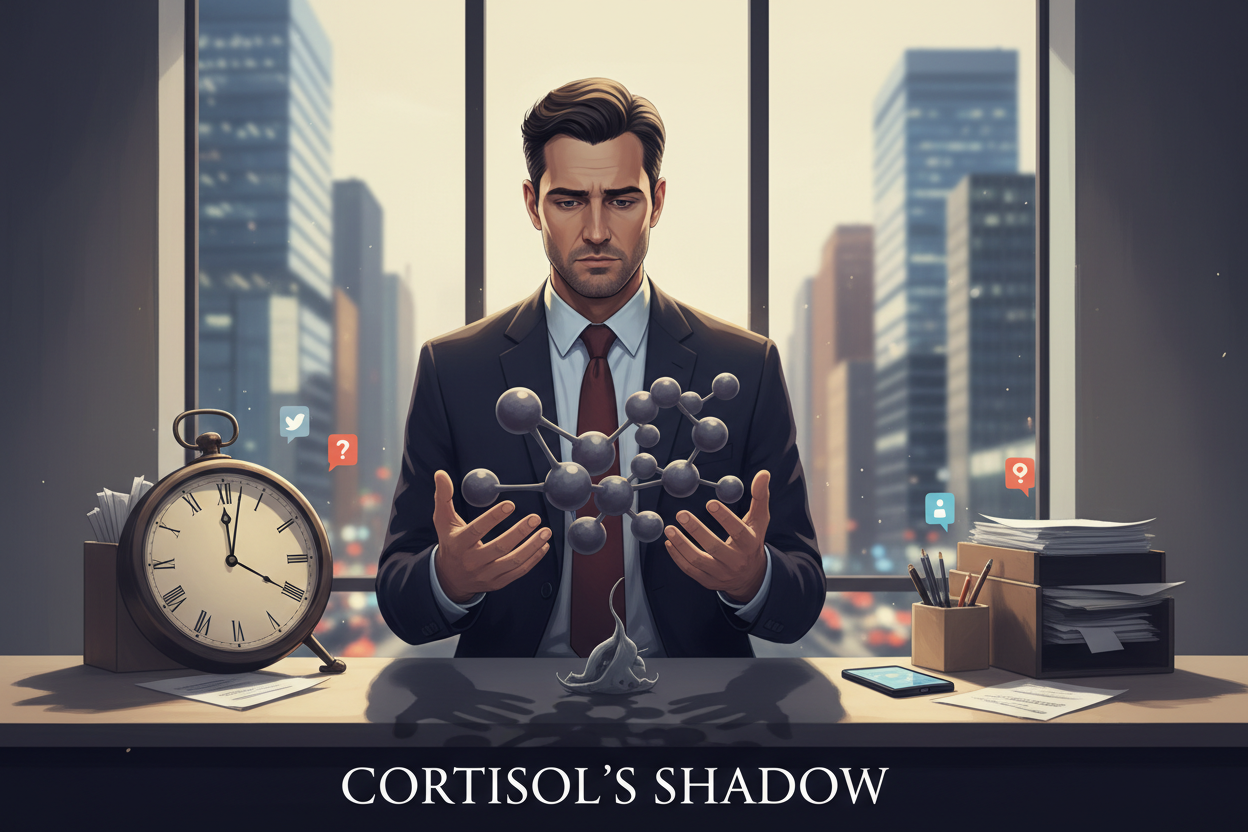
The link between stress and male sexual performance is complex. When stressed, the body releases cortisol, a hormone that affects many functions, including erectile function.
Cortisol, known as the “stress hormone,” is key in the body’s stress response. But its impact on male sexual health is not simple. High cortisol from chronic stress can cause erectile problems, affecting a man’s life quality.
Key Takeaways
- Chronic stress can negatively impact male sexual performance.
- Cortisol, the “stress hormone,” plays a significant role in the body’s response to stress.
- Elevated cortisol levels can lead to erectile dysfunction.
- Understanding the link between stress, cortisol, and erectile function is crucial for addressing related issues.
- Managing stress is essential for maintaining healthy sexual function.
The Link Between Stress and Sexual Performance
It’s key to know how stress affects men’s health, especially their ability to get and keep an erection. This issue goes beyond just sex and touches on a man’s overall health.
Stress makes our body go into “fight or flight” mode, releasing hormones like cortisol and adrenaline. These hormones help us react quickly to danger. But, too much stress can harm our health, including our sex life.
Stress impacts sexual performance in many ways. It can cause anxiety and depression, which hurt our sex drive and ability. Stress hormones can also mess with the body’s natural process of getting an erection.
Getting an erection is a complex process involving nerves, blood vessels, and hormones. Stress can upset this balance. For example, too much cortisol can hurt blood vessel function, making it tough for blood to flow to the penis.
Also, stress can cause performance anxiety. This creates a cycle where fear of not performing well makes it harder to get an erection. This anxiety can make stress worse, making it even harder to get an erection.
It’s vital to tackle stress and its effects on sex health in a complete way. By understanding how stress and erectile dysfunction are linked, men can start managing their stress. This can help improve their sex life.
Understanding the Male Erection Process
To understand how erections happen, we need to look at the body’s systems. The male erection process is a complex mix of different bodily systems working together.
The Role of Blood Flow in Achieving Erections
Blood flow is key to getting and keeping an erection. When a man gets aroused, his penis’s blood vessels open up. This lets more blood in. At the same time, the veins that take blood away from the penis get smaller, keeping the blood inside.
This mix of more blood and pressure makes the penis hard. Increased blood flow is vital for a strong erection. Problems with blood vessels, like from smoking or high blood pressure, can cause erection issues.
How Your Nervous System Controls Sexual Function
The nervous system is crucial for sexual function. Signals from the brain and spinal cord send chemicals that make the penis’s blood vessels relax and open up. This neural control is key for starting and keeping an erection.
The parasympathetic nervous system is especially important for erections. It releases neurotransmitters that relax the penis’s smooth muscle, allowing more blood flow.
Hormones Required for Normal Erectile Function
Hormones, especially testosterone, are vital for erections. Testosterone affects libido and is important for sexual organs to work right. Low testosterone can mean less sex drive and trouble getting an erection.
Other hormones, like thyroid hormones and prolactin, also affect sexual health. But their effect on erections is not as strong as testosterone’s.
What Is Cortisol and Why Does It Matter?
Cortisol is known as the body’s main stress hormone. It’s made by the adrenal glands. It helps with metabolism, immune response, and blood sugar levels.
Cortisol: Your Body’s Primary Stress Hormone
Cortisol is released when we face stress. It’s physical, emotional, or psychological. It gets the body ready to face or run from danger.
Cortisol’s role is not limited to stress response alone. It also helps control our sleep-wake cycle. Cortisol levels are highest in the morning and drop at night.
Normal Cortisol Functions vs. Chronic Elevation
Cortisol is key for our body’s functions. But, too much can harm us. Long-term stress means our cortisol stays high, affecting our health.
| Normal Cortisol Functions | Effects of Chronically Elevated Cortisol |
|---|---|
| Regulates metabolism and energy | Weight gain, particularly in the abdominal area |
| Helps in managing stress | Increased anxiety, depression, and mood swings |
| Supports immune function | Weakened immune system, making the body more susceptible to infections |
It’s important to know when cortisol is good and when it’s bad. Managing stress is key to avoid health problems, including sexual issues.
The link between cortisol and sex is complex. High cortisol can mess with blood flow and hormone balance, affecting sex.
Can Stress Shut Down Erections? Cortisol’s Hidden Role in Male Performance
Stress can really affect a man’s sex life, and cortisol is key. When stress makes cortisol levels go up, it messes with the body’s ability to get and keep an erection.
How Elevated Cortisol Directly Blocks Erections
High cortisol can stop erections by lowering nitric oxide levels. Nitric oxide is important for blood vessels to relax and for blood to flow to the penis. Without enough nitric oxide, getting an erection is harder.
Cortisol also messes with the body’s testosterone production. High cortisol means less testosterone, which is bad for erections. With less nitric oxide and testosterone, erections can be severely affected.
The Testosterone-Cortisol Relationship Explained
Testosterone and cortisol have an inverse relationship. When cortisol goes up, testosterone goes down. This is because the body focuses on making cortisol when stressed, not testosterone.
- Cortisol rises with stress, upsetting hormone balances.
- Testosterone is key for sex drive and erections.
- Keeping cortisol and testosterone in balance is vital for sex health.
Cortisol’s Impact on Blood Vessel Function
Cortisol also affects blood vessels, which is crucial for erections. High cortisol causes blood vessels to narrow, making it tough to get an erection.
Chronic stress and high cortisol can also damage blood vessel linings. This is called endothelial dysfunction. It can last a long time and make erectile problems worse.
Knowing how cortisol affects erections can help find ways to reduce stress’s impact on sex life.
The Fight-or-Flight Response and Sexual Desire
Stress triggers the fight-or-flight response. This natural reaction can block sexual desire and function. It’s designed to help the body face threats or stressors.
When stress hits, the body changes to get ready for action. Blood flow moves to the muscles, away from less important areas.
Why Your Body Prioritizes Survival Over Sex
In stressful times, the body chooses survival over sex. The fight-or-flight response prepares the body to face threats or flee.
Heart rate, blood pressure, and breathing rate all increase. These changes are meant to be short-term. But, long-term stress can harm sexual desire and function.
Blood Flow Redirection During Stressful Moments
Blood flow changes are key in the fight-or-flight response. Blood moves from non-essential areas like the reproductive organs to the muscles and brain.
This shift can cause erectile dysfunction. Reduced blood flow to the penis makes it hard to get or keep an erection. Knowing this helps tackle stress-related erectile issues.
Understanding stress’s effect on sex can help manage stress. This can improve sexual health.
Chronic Stress vs. Acute Stress: Different Impacts on Erections
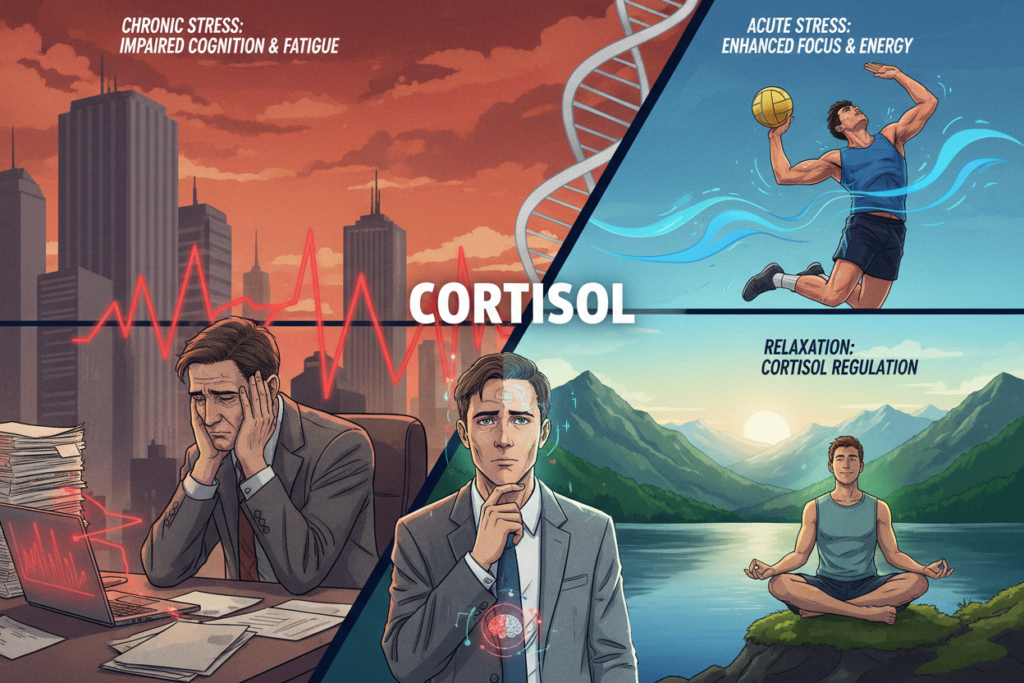
Stress can affect erections in different ways, depending on its type. Whether it’s short-term or long-term, stress can impact male sexual health. This is especially true for erectile function.
Short-Term Stress and Temporary Erectile Difficulties
Acute stress, or short-term stress, can cause temporary erectile problems. This stress makes the body focus on survival, moving blood away from the genitals. As a result, men might find it hard to get an erection during stressful times.
Key factors contributing to temporary erectile difficulties include:
- Increased cortisol levels
- Redirection of blood flow
- Heightened alertness and tension
Long-Term Stress and Persistent Erectile Dysfunction
Chronic stress, however, can cause lasting erectile problems. Long-term exposure to cortisol can mess with the body’s normal functions, including sex. It can also cause fatigue, lower sex drive, and hormonal imbalances, making erectile issues worse.
| Stress Type | Duration | Impact on Erections |
|---|---|---|
| Acute Stress | Short-term | Temporary erectile difficulties |
| Chronic Stress | Long-term | Persistent erectile dysfunction |
When Occasional Problems Become a Pattern
It’s important to notice when occasional erectile issues turn into a regular problem. If not managed, chronic stress can cause lasting sexual health problems, like erectile dysfunction. Men with ongoing erectile issues should try stress management to reduce cortisol’s effect on their sex life.
Managing stress effectively is crucial to maintaining healthy erectile function.
Other Ways Stress Damages Male Sexual Health
Stress impacts male sexual health in many ways, not just erectile dysfunction. It affects various aspects of sexual function. Stress can cause physical and mental reactions that harm sexual performance and overall health.
Performance Anxiety and the Mental Cycle
Stress can cause performance anxiety in men. This anxiety makes them worry about their sexual performance. It creates a cycle that’s hard to break.
This worry can lower sexual confidence. It makes it harder to get or keep an erection. The fear of not pleasing their partner adds to the problem.
Decreased Libido and Sexual Desire
Stress can also lower libido and sexual desire. When stressed, the body focuses on survival over sex. Elevated cortisol levels can lower sex hormones like testosterone.
This hormonal change can reduce interest in sex. It can strain relationships and make men feel inadequate or low in self-esteem.
Relationship Strain and Communication Breakdown
Stress can also harm relationships. Erectile dysfunction or low libido can lead to communication breakdown with partners. Lack of talk can cause misunderstandings, resentment, and feelings of isolation.
Partners may feel unheard or unattractive. This can strain the relationship. It’s key for couples to talk openly about these issues.
Depression and Emotional Withdrawal
Chronic stress can lead to depression and emotional withdrawal. Men with sexual health issues may feel ashamed or embarrassed. Depression can make these problems worse, creating a cycle.
It’s important for men to seek help. Professional support or support groups can help address these emotional challenges.
Medical Evidence: Studies on Cortisol and Erectile Function
Cortisol is our body’s main stress hormone. It has been linked to erectile dysfunction in many studies. The link between cortisol and sex is complex, involving many body functions. Knowing this is key to fighting erectile dysfunction caused by stress and high cortisol levels.
Key Research Findings on Stress Hormones
Research shows that too much cortisol can harm erectile function. Studies have indicated that high cortisol messes with the HPA axis, which controls sexual response. It also affects blood vessels and blood flow, making it hard to get an erection.
Clinical observations show that people with Cushing’s syndrome, who have too much cortisol, often face sexual problems. This includes erectile dysfunction. This evidence points to a strong connection between cortisol and erectile health.
Clinical Studies Linking Cortisol to ED
Many studies have looked into the link between cortisol and erectile dysfunction. A notable study found a strong link between cortisol levels and how bad erectile dysfunction is. It showed that higher cortisol levels mean worse erectile problems.
Another key research finding showed that stress management can help erectile function. Men who reduced stress through programs saw better erections and lower cortisol levels. This shows that managing stress and cortisol is important for treating erectile dysfunction.
Lifestyle Factors That Increase Cortisol Levels
The modern lifestyle is full of things that can raise cortisol levels. This can lead to sexual health problems. Daily stress, from work to personal habits, affects cortisol production a lot.
Work Stress and Career Pressure
Work stress is a big reason for high cortisol levels. Long hours, tight deadlines, and a stressful job can all raise stress. Chronic stress at work can keep cortisol high, harming health and sex life.
Poor Sleep Quality and Hormonal Imbalance
Poor sleep quality messes with cortisol regulation. Inadequate sleep or irregular sleep can cause hormonal imbalances, including high cortisol. Good sleep hygiene is key for healthy cortisol levels.
Unhealthy Diet and Lack of Exercise
An unhealthy diet and not exercising can also raise cortisol. Eating too much sugar and caffeine can increase cortisol. A sedentary life can make stress and cortisol worse. Regular exercise and a balanced diet help manage stress.
Alcohol, Caffeine, and Substance Use
Drinking alcohol, caffeine, and using substances can affect cortisol levels. While some caffeine is okay, too much can raise cortisol. Alcohol and substance abuse can also mess with cortisol and health.
Knowing how lifestyle factors affect cortisol is key to managing stress and keeping sexual health good. By tackling these issues, people can lower cortisol and improve their overall health.
| Lifestyle Factor | Impact on Cortisol | Potential Health Effect |
|---|---|---|
| Work Stress | Increased cortisol production | Erectile dysfunction, decreased libido |
| Poor Sleep Quality | Disrupted cortisol regulation | Hormonal imbalance, erectile issues |
| Unhealthy Diet | Elevated cortisol levels | Weight gain, metabolic issues |
| Lack of Exercise | Increased stress and cortisol | Poor cardiovascular health, erectile dysfunction |
| Substance Use | Disrupted cortisol regulation | Various health issues, including sexual health problems |
Natural Ways to Lower Cortisol and Restore Erections
High cortisol levels can hurt your ability to get an erection. But, there are natural ways to control this stress hormone. By using stress management, exercise, better sleep, and healthy eating, you can lower cortisol and improve your erections.
Proven Stress Management Techniques
Managing stress is key to lowering cortisol. Meditation, yoga, and deep breathing exercises can calm your mind and body. This reduces stress’s effect on you.
Doing things you enjoy can also help. It’s good to set limits and focus on what’s important. This helps manage stress and lower cortisol.
Exercise Programs That Support Sexual Health
Exercise is a natural way to lower cortisol. Aerobic exercises like walking or swimming are great. They improve heart health and help with erections.
Strength training is also good. It builds muscle and helps balance hormones. Mixing different exercises is best for overall health.
Sleep Optimization Strategies
Good sleep is crucial for hormone balance, including cortisol. A regular sleep schedule and a calm bedtime routine are key. A dark, quiet room helps too.
Stay away from caffeine and screens before bed. This helps your body make melatonin, the sleep hormone.
Nutrition and Supplements for Hormonal Balance
Eating well is important for hormone health. Foods like fruits, veggies, and lean proteins are good. Omega-3s, magnesium, and vitamin C can also help lower cortisol.
Supplements can be helpful too. But, talk to a doctor before starting any new ones. The right nutrients support hormone balance and better erections.
When to Seek Professional Help
If you’re having trouble with erectile dysfunction that won’t go away, it’s time to see a doctor. It’s normal to have some issues now and then. But if it keeps happening, it might mean there’s a health problem that needs fixing.
Warning Signs That Require Medical Attention
Some signs with erectile dysfunction mean you should see a doctor right away. These include:
- Persistent or recurring erectile dysfunction
- Severe pain during erection or ejaculation
- Loss of sexual desire
- Difficulty achieving or maintaining an erection consistently
- Other symptoms like fatigue, low blood pressure, or changes in body hair
These signs could mean you have a health issue like hormonal problems, heart disease, or brain disorders. A doctor can find out what’s wrong and suggest the right treatment.
Medical Treatment Options for Stress-Related ED
For stress-related erectile dysfunction, doctors often treat the cause. This might include:
| Treatment Option | Description |
|---|---|
| Hormone Therapy | For cases where hormonal imbalances contribute to ED |
| Oral Medications | Such as PDE5 inhibitors to help improve erectile function |
| Devices and Implants | Like penile pumps or implants for severe cases |
It’s important to talk to a doctor to find the best treatment for you.
The Benefits of Therapy and Counseling
Therapy and counseling can really help with stress-related erectile dysfunction. Cognitive-behavioral therapy (CBT) and other talk therapies can help with the mental side of ED.
Benefits of therapy include:
- Reduced performance anxiety
- Improved communication with your partner
- Better stress management techniques
- Enhanced overall mental well-being
Conclusion
It’s important to understand how stress, cortisol, and male sexual health are connected. High Cortisol Levels can hurt Male Performance. This can lead to trouble getting an erection and lower sex drive.
Using stress management techniques can help. This includes exercise, getting enough sleep, and eating well. These actions can lower Cortisol Levels and boost sexual health.
It’s key to spot chronic stress signs early and act on them. Getting help from a healthcare professional is also crucial. They can offer advice on managing stress-related erectile issues and suggest treatments.
By controlling stress and Cortisol, men can improve their sexual performance. This can also lead to a better quality of life overall.