The Cold-Exposure Advantage Backed by Vascular Science
Exposure to cold temperatures is getting more attention for its health benefits. Cold exposure benefits the body by triggering responses that boost overall health.
Studies in vascular health science reveal that cold exposure can enhance circulation and the immune system. It can also improve mental clarity. By learning how cold affects the body, people can use it to better their health.
Key Takeaways
- Cold exposure can improve vascular health.
- Regular cold exposure may boost the immune system.
- Cold temperatures can increase mental clarity and focus.
- Vascular health science supports the benefits of cold exposure.
- Cold exposure stimulates various physiological responses.
The Science Behind Cold Exposure and Vascular Health
Cold exposure is gaining attention for its benefits on blood vessels. Research in vascular science supports this. It explores how cold affects blood vessels and cells.
How Cold Affects Blood Vessels
Cold temperatures change blood vessels in many ways. The body tries to keep warm when it’s cold.
Immediate Physiological Responses
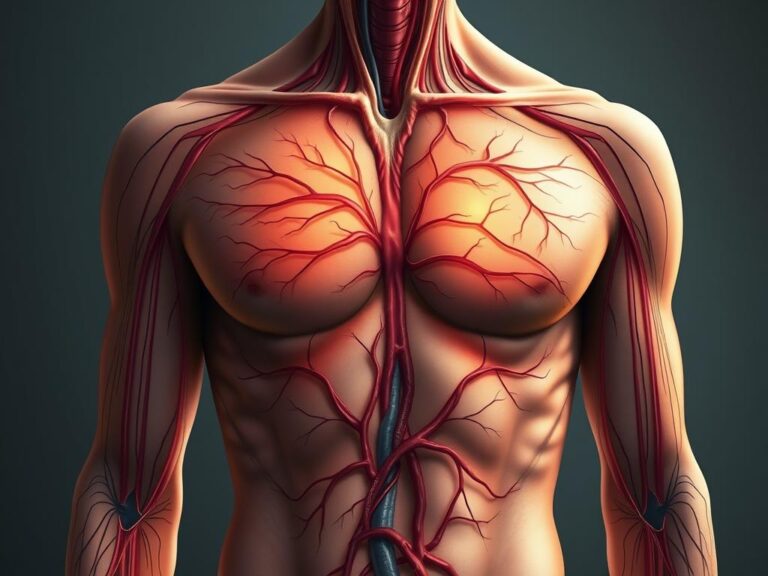
When it’s cold, blood vessels get smaller. This is called vasoconstriction. It helps keep heat in the body. The sympathetic nervous system controls this.
Cellular Mechanisms at Work
Cold exposure also boosts blood vessel strength. It activates cold-shock proteins and other protective cells.
Vasoconstriction and Vasodilation Explained
Vasoconstriction and vasodilation are key to understanding cold’s effect on blood vessels. Vasoconstriction saves heat by reducing blood flow. Vasodilation, on the other hand, increases blood flow when it warms up, improving circulation.
The Hormetic Stress Response
Cold exposure triggers a hormetic stress response. This mild stress makes the body stronger. It’s thought to improve blood vessel function.
Endothelial Function Enhancement
The endothelium, a layer of cells in blood vessels, is vital for health. Cold exposure boosts its function. This makes blood vessels more flexible and improves circulation.
The Cold-Exposure Advantage Backed by Vascular Science
Cold therapy has long been used for its health benefits. Now, science supports its effects on the blood vessels. This shows how cold can be good for us.
Historical Perspective on Cold Therapy
People have used cold for healing for thousands of years. Many cultures have used cold water and ice for health.
Traditional Practices Across Cultures
In Scandinavian countries, people bathed in icy waters. Ancient Greeks used cold river baths. These practices were meant to heal and refresh.
Evolution of Scientific Understanding
Our understanding of cold therapy has grown a lot. Modern science is figuring out how cold affects our blood vessels. A leading researcher said,
“The therapeutic benefits of cold exposure are huge and are being studied a lot.”
Modern Research Breakthroughs
New studies have found that cold is good for our blood vessels. Cold therapy can improve blood flow and overall health.
Key Studies and Findings
Studies show cold can improve blood circulation and lower inflammation. These findings are important for treating blood vessel problems.
Emerging Therapeutic Applications
Cold therapy is not just for blood vessels. It could help with other health issues too. As more research comes out, cold therapy’s benefits are becoming clearer.
In summary, cold exposure is well-supported by science. It has a long history and modern research backs its health benefits. As we learn more, cold therapy will play a big role in future health treatments.
Improved Circulation: The Primary Vascular Benefit
Regular cold exposure boosts circulation, which is vital for health. It ensures oxygen and nutrients reach tissues well.
Short-Term Circulatory Responses
When you face cold, your body acts fast to keep warm. It does this by changing blood flow and improving oxygen delivery.
Blood Flow Redistribution
Cold makes blood vessels narrow, moving blood to the body’s core. This vasoconstriction keeps you warm.
Oxygen Delivery Enhancement
Adapting to cold, your body gets better at sending oxygen to tissues. This is thanks to proteins that help with oxygen transport.
Long-Term Adaptations in Blood Flow
Regular cold exposure brings long-term benefits to blood flow. It increases capillary density and improves blood vessel control.
Capillary Density Increases
Repeating cold exposure grows new capillaries. This boosts the body’s ability to send oxygen and nutrients to tissues. An increase in capillary density is key to better circulation.
Vascular Tone Regulation
Cold exposure helps control blood vessel constriction. Good vascular tone is vital for healthy blood pressure and blood flow to all body parts.
Inflammation Reduction Through Cold Exposure
Research shows that cold exposure can lower body inflammation. This method is being studied for its benefits in heart health.
How Cold Therapy Fights Inflammatory Markers
Cold therapy affects inflammatory markers in the body. It does this by changing how the body responds to inflammation and by reducing oxidative stress.
Cytokine Response Modulation
Cold exposure can change how the body reacts to inflammation. It does this by adjusting cytokine levels. This helps in reducing too much inflammation.
Oxidative Stress Reduction
Cold therapy also lowers oxidative stress. This is when free radicals outnumber antioxidants in the body. Reducing oxidative stress helps fight inflammation and improves heart health.
Benefits for Inflammatory Vascular Conditions
Cold exposure’s anti-inflammatory effects are good for heart health. It may help prevent atherosclerosis and manage chronic inflammation.
Atherosclerosis Prevention
Cold therapy might prevent atherosclerosis. This is when plaque builds up in arteries. By reducing inflammation, cold exposure could slow this disease’s progress.
Chronic Inflammation Management
Cold exposure also helps manage chronic inflammation. Regular cold therapy could be a useful addition to treating chronic inflammatory diseases.
Enhanced Cardiovascular Performance
Cold exposure boosts heart health in many ways. It makes the heart work better and more efficiently. Cold triggers responses that improve heart function.
Heart Rate Variability Improvements
Cold exposure is good for heart rate variability (HRV). HRV shows how well the heart is working. Better HRV means a healthier heart and better stress handling.
Autonomic Nervous System Balance
Cold helps balance the autonomic nervous system. This balance improves relaxation and recovery.
Stress Resilience Development
Regular cold exposure builds stress resilience. It activates the body’s stress response, making it more adaptable.
Blood Pressure Regulation Benefits
Cold exposure helps regulate blood pressure. This is key for heart health. It improves blood vessel function.
Hypertension Management
Using cold exposure regularly can manage high blood pressure. It improves blood vessel flexibility and reduces resistance.
Arterial Compliance Enhancement
Cold exposure makes blood vessels more flexible. This helps them handle blood pressure changes better.

Adding cold exposure to your routine can boost heart performance. It leads to better health and well-being.
Methods of Cold Exposure for Vascular Health
Improving vascular health can be done through different cold exposure methods. These methods are tailored to fit individual needs and preferences. Cold therapy offers many benefits, such as better circulation and less inflammation.
Cold Water Immersion Techniques
Cold water immersion is a common cold exposure method. It involves putting your body in cold water, usually between 50°F to 55°F (10°C to 13°C).
Ice Baths and Temperature Protocols
Ice baths are a type of cold water immersion with ice added to lower the temperature. A common start is 3-5 minutes at 50°F (10°C). As you get used to it, you can increase the time.
Contrast Therapy Approaches
Contrast therapy alternates between cold and hot water immersion. It boosts circulation by making blood vessels expand and then contract.
Cryotherapy Chambers and Localized Treatments
Cryotherapy chambers expose you to very cold temperatures, from -200°F to -250°F (-129°C to -157°C). Cryotherapy advantages include less inflammation and faster recovery.
Whole-Body Cryotherapy Benefits
Whole-body cryotherapy involves brief exposure to extremely cold air. It improves circulation and reduces muscle soreness.
Targeted Cold Application Methods
Localized cryotherapy applies cold to specific areas, like injuries or inflamed spots. It’s very effective for targeted relief.
Cold Showers and Accessible Daily Practices
Cold showers are a simple way to add cold exposure to your daily routine. Cold therapy benefits include clearer thinking and better circulation.
Progressive Cold Shower Protocols
To get used to cold showers, start by ending your shower with a brief cold water splash. Gradually increase the time.
Winter Swimming and Outdoor Exposure
Winter swimming and being outside in the cold can be refreshing and good for your vascular health.
By adding these methods to your routine, you can improve your vascular health. Whether it’s through cold water immersion, cryotherapy, or cold showers, the key is regular cold exposure.
Research Evidence Supporting Cold Exposure Benefits
Cold exposure is becoming a key area of research for improving vascular health. Studies are showing how it can benefit our heart health. This knowledge is helping us understand its positive effects.
Clinical Studies on Vascular Health
Many clinical studies have looked into cold exposure’s impact on our blood vessels. They’ve found some great results. These studies have focused on how it affects our blood vessels and heart health.
Endothelial Function Research
Research shows cold exposure can make our blood vessels healthier. This is because it improves how our blood vessels relax and function.
- Increased nitric oxide production
- Enhanced vasodilation capabilities
- Better vascular responsiveness
Cardiovascular Risk Factor Studies
Studies have also shown cold exposure can lower inflammation and improve blood pressure. This could mean a lower risk of heart problems.
- Reduced systolic blood pressure
- Decreased inflammatory markers
- Improved lipid profiles
Athlete Recovery and Performance Research
Cold exposure is also being studied for its benefits in athlete recovery and performance. The research suggests it can help athletes recover faster and perform better.
Elite Athlete Case Studies
Case studies on elite athletes show cold exposure can reduce muscle soreness. This lets athletes train harder and more often.
Exercise Recovery Enhancement Data
Data shows cold exposure can help reduce muscle damage and inflammation after exercise. This is great for athletes who are pushing their limits.
Implementing Cold Exposure in Your Routine
To get the most from cold exposure, it’s important to do it right. Cold showers and ice baths can improve your blood flow and lower inflammation. Adding these to your daily routine can bring you these benefits.
Starting Protocols for Beginners
For newcomers, start with easy steps. Begin with short cold showers and slowly increase the time as you get used to it.
First Week Adaptation Plan
Begin with 30-second cold showers and add 15 seconds each day. This slow increase helps your body get used to the cold.
Common Challenges and Solutions
Feeling too cold or shocked are common issues. Start with warmer water and slowly make it colder. Or, try breathing exercises to calm down.
Progressive Adaptation Techniques
As you get more comfortable, try harder challenges. You can lower the water temperature or stay in the cold longer.
Temperature Reduction Strategies
Lower the water temperature by 1-2°C each week. This slow change helps your body adjust to the cold.
Duration Extension Methods
Gradually increase your cold exposure time by 15-30 seconds every few days. This lets your body get used to longer times.
Frequency and Duration Recommendations
Consistency is key for the best results. Aim for regular cold showers, adjusting the time and frequency based on your goals and comfort.
Optimal Timing for Results
Take cold showers in the morning to boost your energy. Or, use them after workouts to help with recovery.
Personalization Based on Goals
Make your cold exposure routine fit your health goals. Whether it’s better blood flow, recovery, or mental clarity, tailor it to what you want.
Safety Considerations and Contraindications
Cold exposure is good for your blood vessels, but safety is key. If not done right, it can cause serious health problems. This is true for people with certain health conditions.
Who Should Avoid Cold Exposure
Not everyone can safely try cold exposure. Some people should avoid it because of health risks.
Medical Conditions of Concern
People with heart diseases, high blood pressure, or past heart attacks should talk to their doctor first. Diabetes and Reynaud’s disease also need careful thought.
Age and Health Status Factors
Older adults and those with health issues should be careful. Cold exposure can be hard on the body. Age-related health problems can make risks higher.
Warning Signs to Watch For
Knowing the warning signs of danger during cold exposure is important.
Recognizing Cold Stress vs. Danger
Cold stress can lead to serious problems. Signs like numbness, tingling, or severe shivering are serious.
When to Seek Medical Advice
If you have unusual symptoms like chest pain, trouble breathing, or feel bad after cold exposure, get help right away.
Combining Cold Exposure with Other Health Practices
Cold exposure is great for your vascular health, even more so when you exercise and eat right. Adding cold therapy to your health routine can boost your vascular system’s benefits.
Exercise and Cold Therapy Synergy
Using cold therapy with exercise can make you perform better and recover faster. It helps lessen muscle soreness after hard workouts. This means you can train more often and get better results.
Pre-Workout vs. Post-Workout Application
Using cold therapy before working out can make you more alert and ready for the challenge. After exercising, it helps reduce swelling and speeds up recovery.
Training Adaptation Enhancement
Cold exposure can kickstart your body’s natural adaptation processes. This can lead to better heart health and more resilience to stress.
Nutritional Support for Vascular Health
Eating a balanced diet full of anti-inflammatory foods can boost the effects of cold exposure on your vascular health. Some nutrients can make your body respond better to cold therapy, maximizing its benefits.
Anti-Inflammatory Diet Principles
An anti-inflammatory diet includes whole foods like fruits, veggies, and omega-3 fish. These foods help lower inflammation in your body, supporting the vascular benefits of cold exposure.
Supplements That Complement Cold Exposure
Some supplements, like antioxidants and omega-3s, can improve cold therapy’s effects. But, always talk to a doctor before adding new supplements to your routine.
Conclusion
Cold exposure is great for your vascular health, thanks to science. Adding it to your daily routine can boost circulation and reduce inflammation. It also improves your heart’s performance.
The science behind cold exposure is fascinating. It involves the body’s natural cold response. This response, through vasoconstriction and vasodilation, enhances blood flow and heart health.
Methods like cold water immersion, cryotherapy, and cold showers are effective. They tap into the benefits of cold exposure.
By learning about cold exposure benefits, you can keep your vascular system healthy. The Cold-Exposure Advantage Backed by Vascular Science is a powerful tool for better health.
When starting cold exposure, begin with small steps. Be cautious and aware of safety and what not to do. With the right approach, cold exposure can greatly benefit your vascular health and overall well-being.