The Pleasure Paradox: The Hidden Brain Loop That Sabotages Arousal

Our brains are designed to look for pleasure and arousal. Yet, they can sometimes sabotage our own desires. This is called the Pleasure Paradox. It’s a complex issue that makes us rethink pleasure, desire, and our brains.
The hidden brain loop is about the brain’s processes that can block our pleasure and arousal. By learning about the psychological and neurological sides of this paradox, we can understand our actions better. This knowledge helps us find ways to beat our own self-sabotaging habits.
Key Takeaways
- The Pleasure Paradox is a phenomenon where our brains sabotage our own arousal and pleasure.
- Understanding the psychological and neurological underpinnings can help overcome self-sabotaging behaviors.
- The hidden brain loop is a key factor in undermining our arousal and pleasure.
- Recognizing the Pleasure Paradox can lead to enhanced overall well-being.
- Strategies can be developed to overcome the negative effects of the Pleasure Paradox.
The Science of Pleasure and Arousal
The human brain’s pleasure and arousal systems are complex. They involve many neurological processes. This complexity comes from the brain’s reward system, which helps us survive and reproduce.
How Normal Pleasure Circuits Function
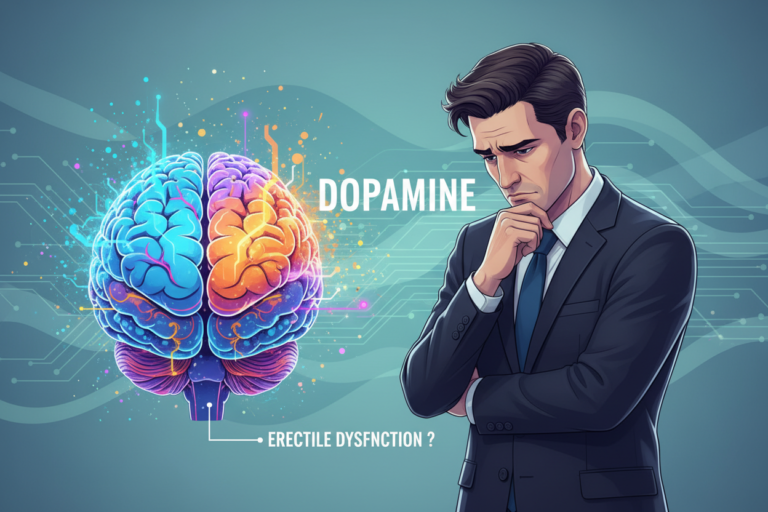
Pleasure circuits in the brain help us do things that are good for us. They use neurotransmitters and brain areas to make us feel pleasure. Dopamine, a key neurotransmitter, is important because it links behaviors to pleasure or reward.
The Delicate Balance of Anticipation and Reward
The balance between wanting something and getting it is key in the brain’s pleasure system. Wanting something builds desire, and getting it reinforces the behavior. But, if this balance is off, it can lead to the Pleasure Paradox. This is when wanting pleasure stops us from feeling it.
Understanding these circuits and how they can go wrong is key to understanding the Pleasure Paradox. By looking into the science of pleasure and arousal, we can learn about the psychological and neurological factors behind this complex issue.
The Hidden Brain Loop That Sabotages Arousal
Our brains have a hidden loop that works against what we want. This loop, known as the self-sabotage loop, leads to frustration and disappointment. The more we want something, the more our brain fights it.
Mapping the Neural Sabotage Mechanism
The neural sabotage mechanism is complex. It involves brain regions and neurotransmitters. When we look forward to something pleasurable, our brain’s reward centers light up.
This releases dopamine and other happy chemicals. But for some, this excitement quickly turns to anxiety or pressure. This creates a negative feedback loop.
Why Our Brains Work Against Our Desires
Our brains fight our desires because of cognitive dissonance. When what we expect and experience don’t match, it feels uncomfortable. This discomfort leads to a cycle of frustration.
This dissonance makes our brain sabotage our efforts to find pleasure or satisfaction.
The Feedback Loop of Frustration
The feedback loop of frustration is key to the hidden brain loop. When we feel frustrated or disappointed, our brain makes these feelings stronger. This makes it hard to break the cycle.
This loop not only stops us from feeling pleasure but also increases our suffering.
Understanding the hidden brain loop helps us find ways to beat it. We can start to enjoy pleasure and satisfaction again.
Neuroscience Behind the Paradox
The Pleasure Paradox’s neuroscience shows how brain areas and chemicals affect our joy and excitement. This complex system helps us understand why our brains might not always want what we think we do.
Key Brain Regions Involved
Many brain areas are key in the Pleasure Paradox. The ventral tegmental area (VTA) and nucleus accumbens (NAcc) are central in the reward system, handling pleasure and drive. The prefrontal cortex, which helps us make decisions, also talks to these areas, shaping how we react to enjoyable things.
Neurotransmitters at Play
Neurotransmitters are like messengers in our brain, helping neurons talk to each other. Dopamine is a major player in the Pleasure Paradox, linked to excitement, reward, and joy. Serotonin affects our mood and excitement, working with dopamine to shape our pleasure reactions. Knowing how these chemicals balance is key to understanding the paradox.
How Stress Hormones Interfere with Pleasure
Stress hormones, like cortisol, can really mess with our brain’s joy system. Long-term stress can mess up dopamine and serotonin, causing an imbalance that leads to the Pleasure Paradox. This imbalance can make us feel less excited and less joyful, creating a cycle that makes things worse.
Important factors in the paradox’s neuroscience include:
- The mix of dopamine and serotonin
- The impact of stress hormones like cortisol
- The way different brain areas work together
Grasping these points can give us clues on how to tackle the Pleasure Paradox.
Psychological Triggers of the Pleasure Paradox
Understanding the psychological triggers behind the Pleasure Paradox is key. It helps us deal with its effects. Our desires and frustrations are deeply influenced by our minds.
Performance Anxiety and Its Effects
Performance anxiety can make us doubt our abilities. This fear can lead to poor performance. It comes from past experiences and societal pressures.
The Pressure of Expectations
The pressure of expectations can worsen the Pleasure Paradox. High expectations can block our joy. It’s about the outcome we want, not the experience itself.
When Wanting It Too Much Backfires
Wanting something too much can lead to frustration. It’s a cycle of disappointment. Knowing these triggers helps us break free and enjoy life again.
Physical Manifestations of Arousal Sabotage
Arousal sabotage can show up physically, leading to a cycle of frustration. When we face the pleasure paradox, our bodies react in ways that make things worse.
Bodily Responses to the Paradox
The physical signs can include:
- Tension or stiffness in the muscles
- Numbness or decreased sensitivity
- Rapid heartbeat or palpitations
- Sweating or tremors
These signs are often beyond our control. They make it hard to break the cycle without knowing why they happen.
The Mind-Body Connection in Pleasure
The mind-body connection is key in feeling pleasure and arousal. Stress and anxiety can mess with this connection. This leads to physical signs of the pleasure paradox.

Recognizing Physical Signs of the Loop
It’s important to know the physical signs of the pleasure paradox. By noticing these signs, we can start to fix the problem.
Self-awareness helps us see how the pleasure paradox affects us. It’s the first step to change.
Evolutionary Origins of the Pleasure Paradox
The dance between pleasure and arousal has deep roots in evolution. It’s key to grasping the paradox.
The human brain’s pleasure response comes from our ancient past. Systems that managed pleasure and arousal were vital for survival and finding mates.
Survival Advantages of Pleasure Regulation
In the old days, controlling pleasure helped people focus on key survival tasks. Like eating and finding mates. This made these acts rewarding, encouraging them to happen again.
Why Modern Life Amplifies the Paradox
Today’s world, with its stress and demands, messes with this ancient system. This leads to a stronger pleasure paradox. Now, the brain’s pleasure response can cause more frustration than joy.
Cultural and Social Dimensions
The way we feel pleasure and arousal is shaped by our culture and society. These factors deeply influence our experiences. They are not just personal but also influenced by the world around us.
Societal Influence on Pleasure
Society greatly affects what we find pleasurable. Cultural norms and values can either boost or block our natural pleasure responses. For example, some cultures are more open about sex, while others are more conservative.
- Cultural attitudes towards pleasure and arousal vary widely.
- Societal norms can influence individual responses to pleasure.
- Media representation can shape perceptions of what is considered arousing or pleasurable.
Cultural Variations in Experiencing the Paradox
Different cultures face the Pleasure Paradox in unique ways. Understanding these differences helps us see how society affects the paradox. For instance, cultures with strict views on pleasure might feel more anxious about performing well.
Impact of Media and Technology
The role of media and technology in shaping our pleasure and desire is huge. Modern media often sets unrealistic expectations. They make the Pleasure Paradox worse by showing idealized or exaggerated views of pleasure and arousal.
- Media can create unrealistic standards for pleasure and arousal.
- Technology can enhance or detract from real-life experiences of pleasure.
- The constant availability of digital media can lead to an overemphasis on virtual experiences.
By grasping the cultural and social aspects of pleasure, we can tackle the Pleasure Paradox. This helps us find a more balanced experience of desire and fulfillment.
The Paradox Across Different Life Domains
The Pleasure Paradox is a complex issue that shows up in many areas of life. It affects our personal and creative lives in subtle but important ways.
Sexual Intimacy and Arousal
In sexual relationships, the Pleasure Paradox can cause arousal problems. The need to perform or the desire for intense pleasure can create a cycle that hinders the experience. This cycle can lead to frustration and anxiety, making the problem worse.
Creative and Intellectual Flow States
Creative and intellectual activities are also impacted by the Pleasure Paradox. Artists, writers, and thinkers often face challenges entering flow states. The pressure to meet expectations or the focus on creating something great can block their creativity.
Athletic Performance and “Choking”
Athletes know the feeling of “choking” under pressure. The Pleasure Paradox plays a role here too. The intense need to perform well can interfere with physical skills. This can start a cycle of frustration and lower performance.
Consumption Pleasure and Addiction
Even enjoying things can be affected by the Pleasure Paradox, leading to addiction. The search for pleasure through consumption (like food, substances, or digital media) can create a cycle. The more one consumes, the more one wants, often causing harm.
In summary, the Pleasure Paradox affects many areas of life deeply. Understanding how it works in different fields helps us tackle its challenges.
Breaking the Self-Sabotage Cycle
To break free from self-sabotage, use mindfulness techniques, change negative thoughts, and seek help when needed. Overcoming the self-sabotage loop is tough, but with the right steps, you can reach your goals.
Mindfulness Techniques for Presence
Mindfulness is key to staying present and lowering anxiety. Deep breathing exercises and meditation calm the mind and control stress. Regular practice boosts awareness, helping you manage self-sabotage.
Cognitive Reframing Strategies
Cognitive reframing changes negative thoughts that lead to self-sabotage. By spotting and challenging these thoughts, you can think more positively. This boosts confidence and lessens anxiety, helping you break the sabotage cycle.
Physiological Approaches to Regulation
Using relaxation techniques and regular exercise helps manage stress and anxiety. These methods reduce physical symptoms of self-sabotage, making it simpler to relax and enjoy life.
Professional Interventions and Therapies
Professional interventions like therapy can be very helpful in beating self-sabotage. Therapists offer tailored strategies and support to tackle underlying issues. Cognitive-behavioral therapy (CBT) and other talk therapies are often very effective.
By mixing mindfulness, cognitive reframing, physiological regulation, and professional help, you can overcome self-sabotage. This approach improves your overall well-being.
Real-Life Success Stories
Many people have made big changes by using the right strategies. These stories show how well certain approaches work. They are powerful proof of success.
Overcoming Sexual Arousal Issues
Some folks have tackled sexual arousal problems with therapy and mindfulness. A study in the Journal of Sex Research showed big improvements. Mindfulness practices made them more aware of their body. This reduced anxiety and improved closeness.
Breaking Through Creative Blocks
Creative types have also found ways to beat the Pleasure Paradox. They’ve changed how they work to get past creative blocks. Author Steven Pressfield says it’s all about spotting real obstacles versus excuses.
“The most important thing is to be able to distinguish between a real obstacle and an excuse.”
They’ve learned to face and beat their own barriers to success.
Athletic Mental Training Breakthroughs
Athletes have seen big gains from mental training. For example, visualization has boosted performance under pressure. A study in the Journal of Sports Sciences showed athletes who used visualization did better and felt less anxious. These mental training methods have helped athletes overcome their own self-doubt.
Conclusion: Harmonizing Desire and Fulfillment
The Pleasure Paradox affects many areas of life, like intimacy and creativity. It’s a complex issue with psychological, neurological, and cultural sides. Understanding it helps tackle the self-destructive patterns it causes.
To find harmony between desire and fulfillment, we need a mix of mindfulness, changing our thoughts, and managing our body’s responses. These steps help break the cycle of The Pleasure Paradox. They also improve our overall happiness.
Understanding pleasure and arousal is essential. Finding a balance is key. Recognizing the brain loop that hinders arousal is the first step to reclaiming fulfillment.
The path to balancing desire and fulfillment is unique for each person. It takes time, self-knowledge, and a readiness to change. By using the insights and methods shared, we can get closer to a more fulfilling life.