Gluten-Free Pregnancy Diet: What You Need to Know
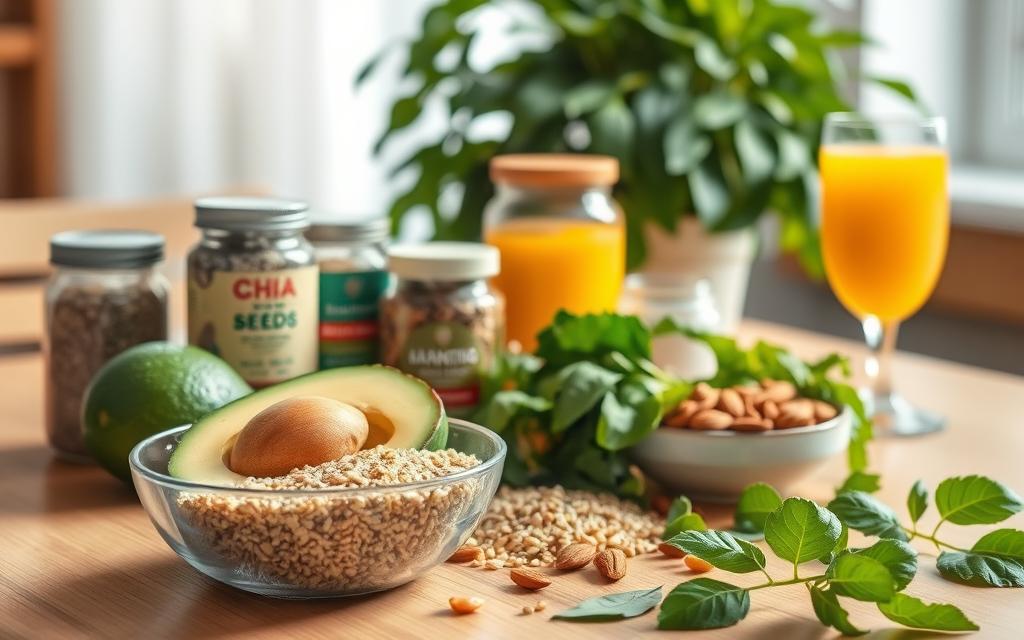
Women with celiac disease or other gluten-related conditions need a gluten-free diet during pregnancy. Knowing about gluten-free prenatal nutrition is key for a healthy pregnancy.
A gluten-free diet is not just a choice, but a must for some pregnant women. It’s important to know how to eat well without gluten.
Key Takeaways
- A gluten-free diet is essential for pregnant women with celiac disease or gluten intolerance.
- Gluten-free prenatal nutrition requires careful planning to ensure a balanced diet.
- Pregnant women with gluten-related disorders should consult their healthcare provider for personalized dietary advice.
- A well-planned gluten-free diet can help prevent complications during pregnancy.
- Understanding gluten-free options can make managing a gluten-free diet easier during pregnancy.
Understanding Gluten and Pregnancy
It’s important for women with gluten intolerance or celiac disease to know about gluten during pregnancy. Gluten is a protein in some grains. It can have big effects on pregnant women.
What is Gluten?
Gluten is a protein in wheat, barley, and rye. It makes dough stretchy and chewy. But for those with gluten issues, it can cause serious health problems.
Why Some Women Need to Avoid Gluten
Women with celiac disease or gluten intolerance must avoid gluten to stay healthy. Celiac disease makes the immune system react to gluten, harming the small intestine. Gluten intolerance causes similar symptoms but less damage.
The Impact of Pregnancy on Gluten Sensitivity
Pregnancy can change how gluten affects some women. Some may feel more sensitive, while others won’t notice a difference. Pregnant women with gluten issues should watch their health and diet closely for a healthy pregnancy.
Celiac Disease and Pregnancy
Celiac disease is a chronic autoimmune disorder that affects many women during their reproductive years. It causes an adverse reaction to gluten, leading to damage in the small intestine. This can lead to various health issues. It’s important to understand how celiac disease affects pregnancy to manage it well.
How Celiac Disease Affects Pregnancy
Celiac disease can impact pregnancy in several ways. If not managed, it can cause miscarriage and growth restriction in the baby. Women with untreated celiac disease may also have malabsorption of essential nutrients. These nutrients are crucial for both the mother’s health and the baby’s development.
Risks of Unmanaged Celiac During Pregnancy
Unmanaged celiac disease during pregnancy can increase the risk of miscarriage, preterm labor, and low birth weight. It’s vital to follow a strict gluten-free diet to reduce these risks and ensure a healthy pregnancy.
Fertility Considerations for Women with Celiac
Women with celiac disease may face fertility challenges if the condition is not well-managed. Untreated celiac disease can lead to nutritional deficiencies and other complications that may affect fertility. Following a safe gluten-free pregnancy diet and gluten-free pregnancy health tips can help manage the condition and support fertility.
Non-Celiac Gluten Sensitivity During Pregnancy
Many women face non-celiac gluten sensitivity during pregnancy. This condition needs careful handling. It’s when people feel like they have celiac disease but don’t have the same damage or immune system issues.
Symptoms and Diagnosis
Symptoms of NCGS are similar to celiac disease. They include bloating, abdominal pain, and fatigue. Finding out if you have NCGS is hard because there’s no special test. Doctors usually try removing gluten to see if symptoms get better.
Managing Sensitivity While Pregnant
To manage NCGS while pregnant, you need to stick to a gluten-free diet. Women with NCGS should eat nutrient-rich, gluten-free foods. This helps keep them and their baby healthy.
Differentiating Between Pregnancy Symptoms and Gluten Reactions
Telling apart pregnancy symptoms and gluten reactions can be tough. Keeping a food diary helps track symptoms and find patterns.
| Symptom | Possible Pregnancy Cause | Possible Gluten Cause |
|---|---|---|
| Bloating | Hormonal changes | Gluten intolerance |
| Fatigue | Increased blood volume | Nutritional deficiencies |
Nutritional Needs During Pregnancy on a Gluten-Free Diet
It’s very important for pregnant women to get enough nutrients, especially if they follow a gluten-free diet. A well-thought-out gluten-free diet can give all the nutrients needed for a healthy pregnancy.
Essential Nutrients for Pregnancy
Pregnant women need more of some nutrients, like folate, iron, calcium, and omega-3 fatty acids. Folate is key to prevent birth defects in the baby’s brain and spine.
Potential Nutritional Gaps in Gluten-Free Diets
Gluten-free diets might lack nutrients like fiber, iron, and B vitamins if not planned well. Eating a variety of whole, nutrient-rich foods is crucial.
| Nutrient | Gluten-Free Food Sources | Importance During Pregnancy |
|---|---|---|
| Folate | Dark leafy greens, beans, and fortified cereals | Critical for fetal development |
| Iron | Red meat, poultry, fish, beans, and fortified cereals | Essential for the mother’s and baby’s health |
| Calcium | Dairy products, leafy greens, and fortified plant-based milk | Vital for fetal bone development |
Gluten-Free Prenatal Vitamins and Supplements
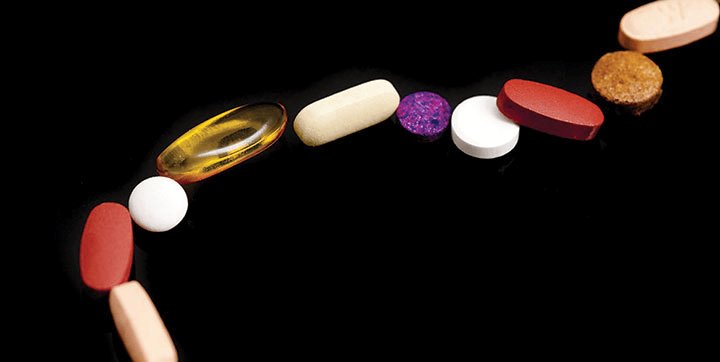
Prenatal vitamins can help cover any nutritional gaps. When picking a prenatal vitamin, make sure it’s gluten-free and has the right nutrients.
What to Look For
- Folic acid
- Iron
- Calcium
- Omega-3 fatty acids
Recommended Brands
Brands like Rainbow Light and Garden of Life offer gluten-free prenatal vitamins. Always talk to a healthcare provider before starting any supplement.
Gluten-Free Pregnancy Diet: What You Need to Know
Knowing about a gluten-free diet is key for a healthy pregnancy. This is especially true for women with celiac disease or gluten sensitivity. A well-planned gluten-free diet can manage symptoms and ensure a healthy start for both mom and baby.
Core Principles of Safe Gluten-Free Eating
The base of a safe gluten-free diet is whole, nutrient-rich foods. Include a variety of fruits, vegetables, lean proteins, and whole grains that don’t have gluten.
“Eating a balanced diet is key to a healthy pregnancy, and going gluten-free doesn’t have to mean compromising on nutrition.”
Reading Labels and Identifying Hidden Gluten
It’s important to read labels carefully to avoid hidden gluten. Always check for gluten-containing grains like wheat, barley, and rye. Look for certifications like the Gluten-Free Certification Organization (GFCO) or the Celiac Support Association (CSA).
Cross-Contamination Concerns
Cross-contamination with gluten can happen in kitchens and manufacturing facilities. When cooking at home, use separate utensils and cooking surfaces for gluten-free meals. Choose products from dedicated gluten-free facilities to avoid cross-contamination.
Building a Sustainable Eating Plan
Creating a sustainable gluten-free eating plan is more than just avoiding gluten. It’s about making a balanced and enjoyable diet. Try different gluten-free grains like quinoa and brown rice. Explore new recipes to keep your diet interesting.
As
“The key to a successful gluten-free pregnancy diet is not just about restriction, but about nourishing your body with a diverse range of healthy foods.”
By following these guidelines and staying informed, pregnant women can keep a safe and healthy gluten-free diet. This ensures the best start for their baby.
Safe Gluten-Free Foods for Pregnant Women
A gluten-free diet during pregnancy doesn’t have to be boring. It can be full of variety and nutrients. Pregnant women can eat many foods that are gluten-free and packed with good stuff.
Naturally Gluten-Free Foods
Start with naturally gluten-free foods for a healthy diet. You can eat lean proteins like chicken and fish, lots of fruits and veggies, and grains like rice and corn. These foods give you the nutrients you need without gluten.
Certified Gluten-Free Products
Many products are now labeled as gluten-free for your convenience. When you shop, look for these labels from trusted groups. This way, you know you’re getting what you need. You can find gluten-free bread, pasta, snacks, and even baking supplies.
Superfoods to Include in Your Diet
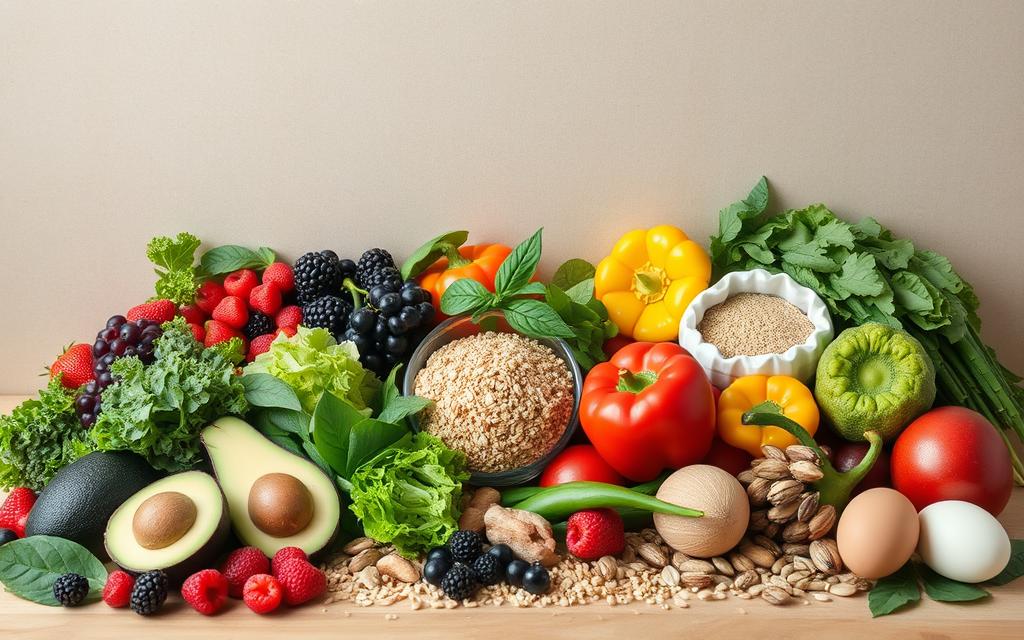
Some superfoods are gluten-free and full of good stuff for pregnancy. Foods like quinoa, salmon, and spinach are great. They have iron, omega-3s, and folate, which are good for you and your baby.
Nutrient-Dense Options for Each Trimester
Every trimester, pregnant women need different nutrients. For example, folic acid is key in the first trimester to help prevent birth defects. Eating a variety of nutrient-rich foods helps meet these changing needs.
By choosing safe and nutritious gluten-free foods, pregnant women can have a balanced diet all through their pregnancy.
Foods to Avoid During a Gluten-Free Pregnancy
Pregnant women on a gluten-free diet must watch out for gluten in obvious and hidden places. It’s important to make smart food choices to keep both mom and baby healthy.
Obvious Sources of Gluten
Gluten is found in foods like wheat, barley, and rye. This includes bread, pasta, cereals, and baked goods that aren’t gluten-free. It’s key to avoid these to stay safe if you have celiac disease or gluten sensitivity.
Hidden Sources of Gluten
Gluten can be in foods you don’t expect, like some sauces, processed meats, and beer. Always check labels and ask about food when eating out to avoid gluten.
Other Foods to Limit During Pregnancy
Some foods, even without gluten, should be eaten in small amounts during pregnancy. These include high-mercury fish, undercooked meats, and foods with lots of added sugars and fats.
Navigating Food Cravings Safely
Food cravings are common during pregnancy. When you give in, pick gluten-free foods that are good for you. For sweet cravings, try fruit or dark chocolate. For something crunchy, go for gluten-free crackers or veggie sticks.
Creating a Balanced Gluten-Free Pregnancy Meal Plan
A gluten-free diet is key for a healthy pregnancy. It helps both mom and baby stay well. It’s important to eat right to support your baby’s growth.
Daily Nutritional Requirements
Pregnant women need to eat foods rich in folic acid, iron, calcium, and protein. These nutrients are crucial for a healthy baby. They help prevent birth defects and support development.
Sample Meal Plans for Each Trimester
Here’s a sample meal plan for pregnant women on a gluten-free diet:
| Trimester | Breakfast | Lunch | Dinner |
|---|---|---|---|
| First | Gluten-free oatmeal with fruits | Grilled chicken salad | Baked salmon with quinoa |
| Second | Gluten-free pancakes with berries | Turkey lettuce wraps | Grilled steak with roasted vegetables |
| Third | Scrambled eggs with spinach | Chicken Caesar salad | Gluten-free pasta with marinara sauce |
Gluten-Free Snack Ideas for Pregnant Women
Healthy snacking is important during pregnancy. Here are some gluten-free options:
- Fruit smoothies
- Gluten-free crackers with hummus
- Yogurt parfait with granola and berries
Simple Gluten-Free Recipes for Pregnancy
Simple, nutritious meals are essential. Here are some ideas:
Breakfast Options
Gluten-free banana pancakes made with almond flour and topped with fresh fruits are a delicious start to the day.
Lunch and Dinner Ideas
For lunch, try a grilled chicken wrap in a gluten-free tortilla. For dinner, make gluten-free lasagna with layers of vegetables and lean ground beef.
By following these meal ideas and eating a balanced diet, pregnant women can stay healthy on a gluten-free diet.
Eating Out and Social Situations While Pregnant and Gluten-Free
Being pregnant and gluten-free doesn’t mean you have to miss out on social dining experiences. With a little planning and communication, you can enjoy meals out and social gatherings while keeping your dietary needs in check.
Communicating Your Needs Effectively
When dining out, it’s crucial to communicate your gluten-free needs clearly to your server. Don’t hesitate to ask questions about menu items and food preparation to ensure your meal is safe.
Restaurant Strategies and Safe Dining Options
Choose restaurants that offer gluten-free options and have a reputation for handling dietary restrictions well. Researching ahead of time can make a big difference in your dining experience.
Handling Social Gatherings and Family Meals
For social gatherings, consider offering to bring a dish to share, ensuring there’s something you can enjoy. This also helps educate others about gluten-free eating.
Travel Tips for Gluten-Free Pregnant Women
When traveling, pack snacks and research gluten-free friendly restaurants at your destination. Informing your travel companions about your dietary needs can also help make your trip smoother.
Managing Morning Sickness on a Gluten-Free Diet
Managing morning sickness on a gluten-free diet needs careful planning. Morning sickness can be tough, but there are safe gluten-free remedies and foods to help. These can ease your symptoms.
Safe Remedies and Foods
Choosing gentle, easy-to-digest foods is key when you’re feeling sick. Some safe options include:
- Ginger-based products, like ginger tea or ginger ale
- Bland crackers, such as rice crackers
- Fresh fruits, like bananas or apples
These foods can help calm your stomach without causing gluten sensitivity.
Staying Nourished When Feeling Ill
It’s important to keep eating even when you’re sick. Small, frequent meals are easier to handle than big ones. Try:
- Gluten-free toast with avocado or peanut butter
- Yogurt or smoothies made with gluten-free ingredients
- Electrolyte-rich beverages, like coconut water
Gluten-Free Alternatives to Common Morning Sickness Remedies
Some remedies for morning sickness may have gluten. Look for gluten-free alternatives, such as:
- Gluten-free crackers or cookies to help with nausea
- Vitamin B6 supplements in gluten-free capsules
By picking the right foods and remedies, you can manage morning sickness on a gluten-free diet. This makes for a healthier pregnancy.
Emotional and Psychological Aspects of a Gluten-Free Pregnancy
Going through a gluten-free pregnancy can be tough. It needs awareness, support, and good ways to cope. Women on a gluten-free diet face special challenges that can affect their mood.
Dealing with Dietary Restrictions During Pregnancy
Managing a gluten-free diet can feel like too much. It’s key to find healthy ways to deal with stress. Mindfulness, meditation, or talking to healthcare providers or support groups can help.
“The key to managing the emotional aspects of a gluten-free pregnancy is not just about the food; it’s about creating a supportive environment that fosters overall well-being.”
Finding Support and Community
Meeting others who understand can be really helpful. Joining online forums or local groups can make you feel less alone. It helps you feel supported.
Self-Care Strategies for Gluten-Free Moms-to-Be
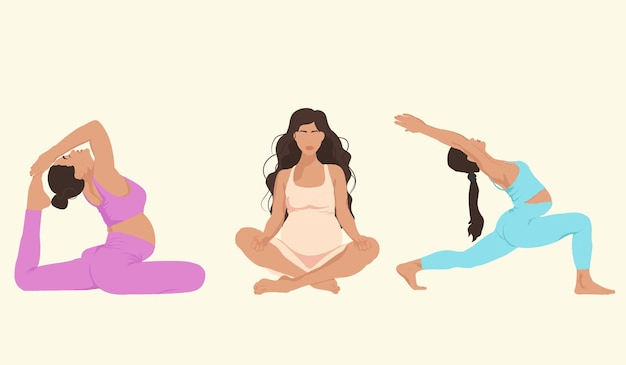
Doing things like prenatal yoga, reading, or just relaxing can boost your mood. Don’t forget to take care of your mental health. It’s just as important as eating right.
Preparing Family Members for Your Dietary Needs
Getting your family involved in gluten-free living can make your home more supportive. Teach them why a gluten-free diet is important. Let them help with meal planning. It makes a big difference.
| Self-Care Activity | Benefits |
|---|---|
| Prenatal Yoga | Reduces stress, improves flexibility |
| Meditation | Enhances emotional well-being, reduces anxiety |
| Reading | Provides relaxation, expands knowledge on gluten-free living |
Conclusion
A well-planned Gluten-Free Pregnancy Diet is key for a healthy pregnancy. It’s especially important for women with gluten intolerance or sensitivity. Knowing the importance of gluten-free prenatal nutrition helps expectant mothers make better diet choices.
With careful planning, a gluten-free diet can give the needed nutrients for both mom and baby. Include naturally gluten-free foods, certified gluten-free products, and nutrient-rich options in your meals.
Being mindful of your Gluten-Free Pregnancy Diet and making smart choices ensures a healthy pregnancy. Focus on your health and your baby’s well-being by sticking to your gluten-free lifestyle.