Will My Breastfed Baby Get Gas If I Eat Certain Foods?

When you’re breastfeeding, the food you eat isn’t just nourishing you—it’s feeding your baby too. That’s why maintaining a well-balanced diet packed with fresh fruits, veggies, whole grains, healthy fats, and lean proteins is crucial for both of you. Interestingly, eating a variety of foods can also help your baby develop a taste for diverse flavors. But if you have a fussy, gassy baby, you might be wondering if certain foods in your diet are to blame. Let’s dive into what you need to know about diet and baby gas.
Understanding Baby Gas
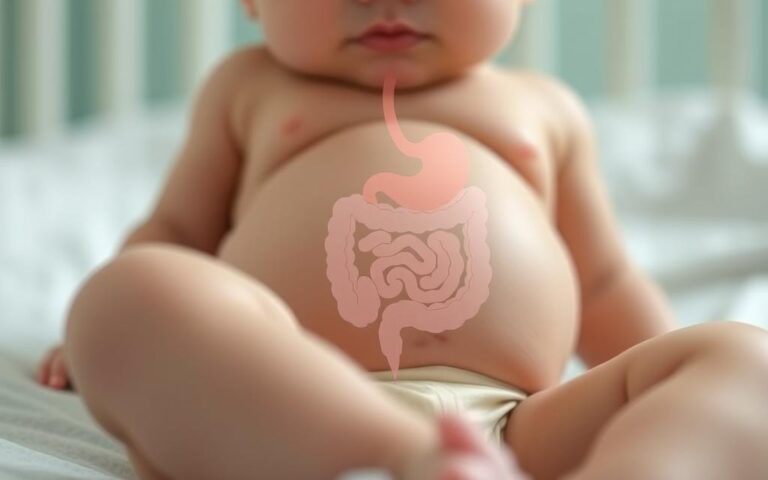
Gas is a normal part of the digestive process for people of all ages, including infants. Babies often have more gas than older children and adults, primarily because their digestive systems are still maturing. When bacteria in the gut break down food, gas is produced. Additionally, babies tend to swallow more air as they feed or cry, leading to even more gas.
Diet and Breastfeeding
The food you eat can influence your breast milk, although not everything you consume will cause your baby to become gassy. A varied and balanced diet not only ensures you’re getting the nutrients you need but also introduces your baby to different tastes through your breast milk. This can help them accept a wider range of foods later in life.
Common Culprits for Gas
Certain foods are notorious for causing gas, both in adults and possibly in breastfed babies. Here are some common culprits:
Dairy Products
Dairy products like milk, cheese, yogurt, and ice cream are often linked to gas in breastfed babies. If your baby is sensitive to dairy, you might notice increased fussiness and gassiness after you consume these foods.
Cruciferous Vegetables
Vegetables like broccoli, cabbage, and cauliflower can cause gas in adults. Some moms report that these veggies make their breastfed babies gassy too. The indigestible carbohydrates in these vegetables can lead to gas production when they reach the large intestine.
Certain Fruits
Fruits such as bananas, apples, and pears contain sugars and fibers that can cause gas. For instance, fructose in these fruits can be tough to digest for some people, leading to gas production.
Other Potential Gassy Foods
Other foods like beans, garlic, and spicy dishes are also known to cause gas. While the scientific evidence linking these foods to gas in breastfed babies is limited, some mothers find that eliminating them helps reduce their baby’s gassiness.
Food Sensitivities in Breastfed Babies
While gas is usually harmless, food sensitivities can cause significant discomfort for some babies. Symptoms of food sensitivity include severe colic, skin rashes, vomiting, diarrhea, and breathing difficulties. These symptoms often appear within a few hours after feeding.
Dairy Sensitivities
Dairy is one of the most common food sensitivities in breastfed babies. If your baby is sensitive to dairy, you’ll need to avoid all sources of it, including hidden ingredients like casein and whey found in processed foods.
Cruciferous Vegetables and Gas
Broccoli, cabbage, and other cruciferous vegetables contain fibers that are hard to digest. While these fibers don’t pass into your breast milk, some mothers notice their babies become gassy after they eat these vegetables. If you observe this pattern, try eliminating these veggies from your diet to see if it helps.
Fruit-Related Gas Issues
Fruits high in fructose, like apples and pears, can cause gastrointestinal discomfort and gas. Since fructose can pass into breast milk, it may contribute to your baby’s gassiness. If you suspect fruits are the culprit, consider reducing your intake of high-fructose fruits and observing any changes in your baby’s behavior.
Eggs and Gas
Eggs are less likely to cause gas but can be a common allergen. If your baby has an egg allergy, they may exhibit symptoms such as skin rashes, nausea, vomiting, diarrhea, or trouble breathing after feeding. It’s essential to monitor your baby for these signs and consult a doctor if they occur.
Garlic and Breastfeeding
Garlic can cause gas and other gastrointestinal issues in people with conditions like IBS. While there’s no concrete evidence that garlic causes
gas in breastfed babies, its strong flavor can change the taste of your breast milk. Interestingly, some studies suggest that babies enjoy the taste of garlic and feed longer when their mothers consume it. However, if you notice that your baby becomes gassy or fussy after you eat garlic, you might want to consider eliminating it from your diet.
General Tips for Managing Gas
If your breastfed baby seems uncomfortable or colicky due to gas, there are several strategies you can try to help alleviate their discomfort.
Check for Latching Problems
A proper latch is crucial for reducing the amount of air your baby swallows while feeding. If your baby isn’t latching on well, they might swallow more air, leading to increased gas. Signs of a poor latch include sore, bruised, or cracked nipples. If you suspect a latching issue, consult with a lactation consultant or your pediatrician for guidance.
Manage Oversupply
An oversupply of milk can lead to lactose overload, causing gassiness and digestive discomfort for your baby. If your baby seems fussy during feedings and has loose, green stools, they might be experiencing lactose overload. To manage this, allow your baby to fully empty one breast before switching to the other, ensuring they get enough hindmilk, which is higher in fat and helps slow down digestion.
Keep the Air Out
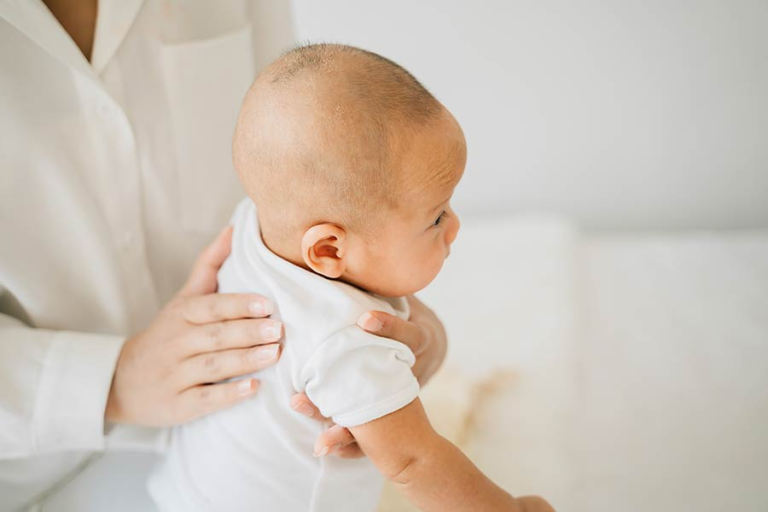
Minimize the amount of air your baby swallows by feeding them before they start crying, as crying causes them to gulp air. Additionally, burp your baby after each feeding, and even during feedings, to help release any trapped air.
Probiotics and Baby Gas
Some evidence suggests that probiotics can help balance the gut bacteria in infants, potentially easing colic and gas. Consult with your pediatrician to see if infant probiotic drops might be beneficial for your baby.
Elimination Diet
If you suspect your baby has a food sensitivity, an elimination diet can help identify the culprit. Keep a food diary and note any patterns between what you eat and your baby’s gassiness. Eliminate one food at a time for two to three weeks to see if your baby’s symptoms improve. If you notice a positive change, try reintroducing the food to confirm the sensitivity. Working with a registered dietitian or lactation consultant can ensure you maintain a balanced diet while identifying potential food sensitivities.
When to Seek Professional Advice
If your baby exhibits severe symptoms such as prolonged fussiness, colic, skin rashes, vomiting, diarrhea, or breathing difficulties, it’s crucial to seek medical advice. A pediatrician can help diagnose food allergies or sensitivities and provide guidance on dietary adjustments.
Conclusion
Most breastfeeding mothers can eat a varied diet without causing their babies significant gas issues. However, if your baby seems particularly gassy and fussy, identifying and eliminating specific foods from your diet may help. Remember, a little gas is normal for babies as their digestive systems mature. Always consult with healthcare professionals before making significant changes to your diet to ensure both you and your baby receive proper nutrition.
FAQs
Can a mother’s diet really cause gas in a baby?
Yes, certain foods in a mother’s diet can cause gas in a breastfed baby, although this is not very common. Dairy products are the most frequent culprits, but other foods like cruciferous vegetables, fruits, and spicy foods can sometimes contribute to gassiness.
How long does it take to see improvements after eliminating a food?
Improvements can usually be seen within a week of eliminating a problematic food from your diet. However, for babies with true food allergies, it may take up to a month for symptoms to fully resolve.
What are the signs of a food allergy in a breastfed baby?
Signs of a food allergy in a breastfed baby include severe colic, skin rashes, vomiting, diarrhea, and breathing difficulties. If you notice these symptoms, contact your pediatrician immediately.
Are there any foods all breastfeeding mothers should avoid?
Generally, breastfeeding mothers do not need to avoid specific foods unless their baby shows signs of sensitivity or allergy. However, it’s advisable to limit high-mercury fish, certain herbs, alcohol, caffeine, and chocolate.
How can I ensure my baby gets enough nutrients if I eliminate certain foods?
If you need to eliminate certain foods from your diet, work with a registered dietitian or lactation consultant to ensure you’re still meeting your nutritional needs. They can help you find suitable alternatives and maintain a balanced diet.