The Lowdown on Combining Breast Milk and Formula

Many parents mix breast milk and formula for their babies. They do this for health reasons or because of their busy lives. It’s a way to balance feeding needs with daily routines.
This method lets others help with feeding. It also makes it easier for moms to go back to work. Knowing the pros and cons is key to making good choices.
Key Takeaways
- Combination feeding involves giving a baby both breast milk and formula.
- This approach offers flexibility for families with various needs.
- It’s essential to understand the benefits and challenges.
- Parents should consider their reasons for combination feeding.
- Informed decisions lead to a smoother feeding experience.
Understanding Your Feeding Options
Choosing how to feed your baby is a big decision. It depends on many things, like what you know and what’s available. Today, parents have more info and help than ever. This makes it easier to pick the best way to feed your baby.
Breast Milk Benefits
Breast milk is the best food for babies. It’s full of nutrients and helps keep the baby’s immune system strong. It also might help with brain development. Plus, it’s easy to use and doesn’t cost much.
Formula Benefits
Formula is a good choice for babies too. It’s a solid option for parents who can’t or don’t want to breastfeed all the time. New formulas are made to be as close to breast milk as possible.
Why Parents Choose Combination Feeding
Many parents choose to mix breast milk and formula. They might do this for different reasons. Maybe they don’t make enough milk, or they go back to work. Or maybe they want to share feeding duties with their partner.
| Feeding Method | Benefits |
|---|---|
| Breast Milk | Optimal nutrition, immune system support, cognitive development advantages |
| Formula | Nutritionally balanced, flexible, allows for shared feeding responsibilities |
| Combination Feeding | Flexibility, can help with low milk supply, allows for shared responsibilities |
Can I Mix Breast Milk and Formula in One Bottle?
Many parents wonder if they can mix breast milk and formula in one bottle. This is a big question for those who are thinking about or already do combination feeding.
Safety Considerations
Mixing breast milk and formula safely is key. Make sure to handle both ingredients right to keep their nutrients. For example, don’t mix breast milk with hot formula milk. The heat can ruin the nutrients in the breast milk. Wait until the formula cools down to body temperature before mixing.
Official Recommendations from Pediatricians
Pediatricians say to be careful when mixing breast milk and formula. The American Academy of Pediatrics says it’s important to follow the right steps. They suggest making the formula as directed and then mixing it with breast milk at the right temperature.
Common Misconceptions Clarified
Some think mixing breast milk and formula can upset a baby’s stomach. But, many parents mix both without issues. It’s also thought that mixing might lessen the benefits of breast milk. Yet, when done right, it can be a good and easy way to feed your baby. The main thing is to mix both properly to keep their quality.
| Feeding Method | Nutritional Benefits | Preparation Tips |
|---|---|---|
| Breast Milk | Provides antibodies, easy to digest | Stored properly in the fridge or freezer |
| Formula | Formulated to mimic breast milk, nutrient-rich | Prepared according to manufacturer’s instructions |
| Mixed Feeding | Combines benefits of both, flexible feeding option | Mix after formula has cooled to body temperature |
The Science Behind Breast Milk and Formula Composition
Understanding the science of breast milk and formula is key for combination feeding. These two sources give babies the nutrients they need to grow. Knowing how they work together is important for parents who mix them.
Nutritional Differences Explained
Breast milk changes as a baby grows, providing proteins, fats, carbs, vitamins, and minerals. It also has antibodies to fight off infections. Formula is made to be like breast milk but doesn’t have all the antibodies and complex compounds.
Nutritional Comparison:
| Nutrient | Breast Milk | Formula |
|---|---|---|
| Protein | Variable, adapts to baby’s needs | Standardized, based on average needs |
| Fats | Rich in omega-3 fatty acids | May contain added omega-3 fatty acids |
| Antibodies | Present, provides immune protection | Absent |
How They Interact When Combined
When mixed, breast milk and formula’s nutrients can change the feeding’s overall profile. The guidelines for mixing breast milk and formula suggest making them separately. This helps keep breast milk’s nutrients intact.
Digestion Considerations for Babies
Babies’ stomachs are sensitive, and mixing breast milk and formula can cause digestive issues. Watching how a baby reacts and adjusting the mix can help avoid problems.
Best Practices for Mixing Breast Milk and Formula
To make mixing breast milk and formula work, parents need to know a few key things. They should learn how to prepare the mix, keep it at the right temperature, and make sure it’s safe for their baby to drink.
Preparing Formula First Method
One way to mix breast milk and formula is to prepare the formula first. Follow the instructions on the formula package to get it right. It’s important to use the right amount of formula and water to avoid making it too strong or weak.
Proper Mixing Techniques
When you mix breast milk and formula, do it gently. This helps prevent air bubbles from forming. Instead of shaking it hard, try swirling it softly.
Temperature and Consistency Guidelines
The mix should be at body temperature, or slightly warm. Also, make sure it’s not too thick or too thin for your baby’s comfort.
Avoiding Nutrient Degradation
To keep nutrients in the mix, combine breast milk and formula just before feeding. If you need to store it, keep it cold in the fridge at a temperature below 39°F (4°C).
Ensuring Safe Consumption
Always check the mix’s temperature before feeding it to your baby. You can do this by dropping a few drops on your wrist. It should feel warm but not hot.
| Best Practice | Description | Benefit |
|---|---|---|
| Prepare Formula First | Follow manufacturer’s instructions for formula preparation before adding breast milk. | Ensures correct formula concentration. |
| Gentle Mixing | Swirl mixture gently to avoid frothing. | Prevents air bubbles, making it safer for the baby. |
| Check Temperature | Ensure mixture is at body temperature before feeding. | Comfortable for the baby, reducing the risk of discomfort. |
If you’ll be away from your baby soon, start practicing mixing a few weeks early. This helps your baby get used to the new routine, making things easier for both of you.
Alternative Approaches to Combination Feeding
There are other ways to mix breast milk and formula, apart from just mixing them together. These methods let parents tailor feeding to their baby’s and their own needs. They can change as the baby grows and the mother’s comfort levels shift.

Alternating Between Breast Milk and Formula Feedings
One way is to switch between breast milk and formula at different times. For instance, a mom might breastfeed in the morning and evening. Then, she uses formula for the middle of the day when she’s not with the baby.
Supplementing After Breastfeeding Sessions
Another method is to add formula after breastfeeding. This is good if the baby isn’t getting enough milk or if the mom wants to slowly add more formula. It’s important to watch how the baby reacts and adjust the formula amount as needed.
It’s worth noting that it can take as long as 5-7 days for your body to adjust to a missed feed.
Creating a Customized Feeding Schedule
Creating a feeding plan that fits your family is another smart strategy. This means planning when to breastfeed and when to use formula based on the baby’s needs and your lifestyle. A good plan helps keep up milk supply and fits in formula feeding.
Exploring these options helps parents find the best way to mix breast milk and formula. This way, they can avoid the risks of mixing everything in one bottle.
Choosing the Right Formula for Combination Feeding
Choosing the right formula is key for your baby’s health and growth. It’s important to pick one that works well with breast milk.
Types of Formula Compatible with Breast Milk
Most cow’s milk-based formulas work well with breast milk. But, some babies might be sensitive. It’s vital to talk to a pediatrician to find the best one.
Considering Baby’s Digestive Sensitivities
Babies with stomach issues might do better with a sensitive formula. Look for formulas called “gentle” or “sensitive.” Always watch how your baby reacts to a new formula.
Transitioning Between Formulas
If a formula doesn’t agree with your baby, you might need to switch. Start by mixing a little of the new formula with the old one. Gradually add more to ease any upset stomach.
When picking a formula, consider these things:
- Nutritional content
- Digestive sensitivity
- Allergy concerns
Storage and Handling Guidelines for Mixed Feedings
Mixed feedings need careful handling and storage to keep their nutrients and avoid contamination. When you mix breast milk and formula, it’s key to follow the right steps. This ensures the mix stays safe and healthy for your baby.
Proper Storage Containers and Temperatures
Choose clean, sterilized containers for mixed feedings. Glass or BPA-free plastic is best. Keep them in the fridge at 39°F (4°C) or colder. For longer storage, freeze in airtight containers or freezer bags made for breast milk.
Shelf Life of Combined Milk
The shelf life of mixed feedings varies by storage method. In the fridge, it’s safe for up to 24 hours. Frozen, it lasts up to 6 months. Always mark containers with the date and time they were made.
Traveling with Mixed Feedings
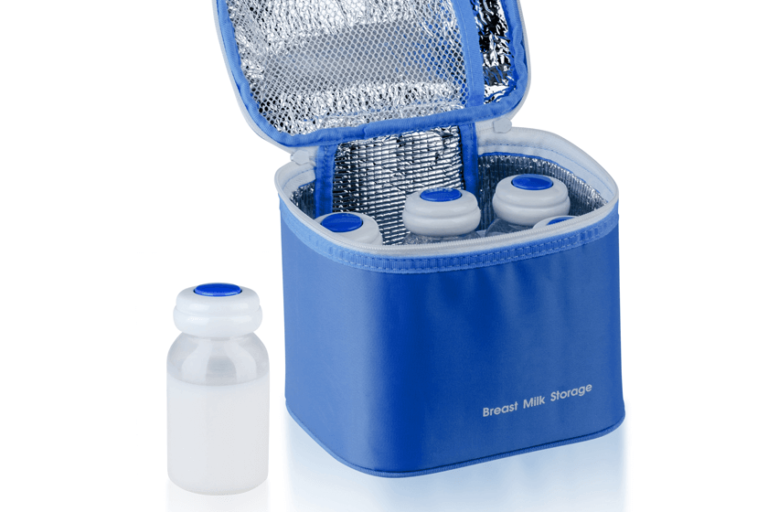
Traveling with mixed feedings? Use insulated cooler bags with ice packs to keep it cool. Here are some tips:
Cooler Options
- Choose a cooler bag with compartments for organization.
- Bring enough ice packs for your trip’s length.
On-the-Go Preparation
- Make mixed feedings just before you leave.
- Store them in airtight containers and keep them cool while traveling.
| Storage Method | Temperature | Shelf Life |
|---|---|---|
| Refrigerator | 39°F (4°C) or below | Up to 24 hours |
| Freezer | 0°F (-18°C) or below | Up to 6 months |
By following these guidelines, your mixed feedings stay safe and nutritious for your baby, even when you’re away.
Potential Challenges and Solutions
Combination feeding comes with its own set of challenges. It offers flexibility and benefits, but it’s important to know the possible issues. Understanding these challenges and how to solve them is key.
Impact on Breast Milk Supply
One major concern is how combination feeding affects breast milk supply. The more a baby nurses, the more milk is made. Formula can reduce nursing frequency, which might lower milk supply. To keep a good supply, mothers should nurse often, watch their baby’s output, and adjust feeding times as needed.
Managing Nipple Confusion
Nipple confusion happens when a baby struggles to switch between breast and bottle nipples. To avoid this, introduce the bottle slowly. Let the baby get used to the new nipple at their own pace. Having someone else offer the bottle can also help, as babies can tell the difference in scents.
Addressing Digestive Changes
Combination feeding can sometimes cause digestive issues in babies, like gas or constipation. Keeping an eye on the baby’s stool and comfort can help spot problems early.
Recognizing Signs of Intolerance
Signs of intolerance or discomfort include fussiness, gas, or changes in stool. If parents notice these signs, they should talk to their pediatrician.
When to Consult a Pediatrician
If a baby shows signs of discomfort, doesn’t gain weight, or reacts badly to feeding, parents should see a pediatrician. The pediatrician can give personalized advice and help find the best solution for the baby.
| Challenge | Potential Solution |
|---|---|
| Impact on Breast Milk Supply | Frequent breastfeeding, monitoring baby’s output |
| Nipple Confusion | Gradual introduction of bottle, different person giving the bottle |
| Digestive Changes | Monitoring stool and comfort, consulting pediatrician if issues persist |
Emotional Considerations for Parents
Parents who choose to mix breast milk and formula might feel emotional. They might feel guilty or unsure if they’re making the right choice for their baby.
Overcoming Guilt About Supplementing
Many parents feel guilty about adding formula to their baby’s diet. But, supplementing is a personal choice that can help many families. A mother said, “I felt guilty at first, but my baby’s happiness and my own well-being made it worth it.” It’s about finding what works best for you and your baby.
“The biggest relief was when I realized that I wasn’t failing as a mother just because I needed to supplement.”
Building Confidence in Your Feeding Choices
Building confidence in your feeding decisions means understanding your options and trusting your instincts. Communicating openly with your healthcare provider and other parents who have chosen combination feeding can provide valuable support and reassurance.
- Educate yourself about the benefits and challenges of combination feeding.
- Share your concerns with your healthcare provider.
- Connect with other parents who have made similar choices.
Communicating with Healthcare Providers
Talking to your healthcare provider is key. They can guide you on mixing breast milk and formula safely and help you keep an eye on your baby’s health and adjustment to the feeding regimen.
Just because you’re moving to formula doesn’t mean you can’t bond with your baby. Skin-to-skin contact, switching up positions, and even getting your partner or other family members involved in the process can be just as rewarding. It’s about creating a nurturing environment, regardless of the feeding method.
Real-Life Experiences from Combination Feeding Parents
Many parents have successfully navigated combination feeding, sharing valuable insights and strategies. Their experiences offer a wealth of information for those considering or already practicing this feeding method.
Success Stories and Strategies
One of the biggest benefits of combination feeding is its flexibility. Parents have found that switching between breast milk and formula feedings meets their baby’s nutritional needs. It also fits their lifestyle better.
For example, a mother might breastfeed at night and use formula during the day. This way, she can be away from her baby without worrying about feeding.
Creating a customized feeding schedule is another success story. Some parents breastfeed in the morning and evening, with formula in between. Others supplement with formula after breastfeeding to ensure their baby eats enough.
Common Challenges Overcome
While combination feeding is beneficial, it comes with challenges. Some parents face nipple confusion, where the baby prefers the bottle to the breast. But, with patience and persistence, many overcome this issue.
Maintaining milk supply is another challenge. To solve this, many continue to breastfeed regularly, even if it’s just once or twice a day. They supplement with formula as needed.
Advice from Parents Who’ve Been There
Experienced parents advise newcomers to stay flexible and patient. “Don’t be too hard on yourself if things don’t go as planned at first,” says one mother. “It may take some trial and error to find a routine that works for you and your baby.”
Another key piece of advice is to communicate openly with your healthcare provider. Talk about your feeding choices and any challenges you’re facing. They can offer valuable guidance and support to help you navigate your combination feeding journey.
Conclusion
Parents can mix breast milk and formula safely by following some key guidelines. It’s important to know the nutritional differences and similarities between them.
Creating a customized feeding schedule is a good start. Parents should also be ready for any challenges that come up. This includes watching how it affects their milk supply and avoiding nipple confusion.
Combining breast milk and formula can be a great way to feed babies. By knowing how to mix these two, parents can give their babies the best nutrition possible.