The Erection Algorithm: How Your Body Calculates Readiness

Male sexual health is complex and involves many factors. At its heart is the erection algorithm. This is how the body decides if it’s ready for an erection.
This process is a mix of physical and mental factors. It shows why sexual wellness is so important. By looking into how the body decides, we learn more about male sexual health.
Key Takeaways
- The erection algorithm is a complex process involving physical and psychological factors.
- Male sexual health is closely linked to overall sexual wellness.
- Understanding the erection algorithm can provide insights into male sexual health.
- Physical and psychological factors play a critical role in determining readiness for an erection.
- A deeper understanding of male sexual health can lead to improved sexual wellness.
The Fascinating Science of Male Arousal
Exploring male arousal shows us how complex sexual readiness is. It involves both the brain and blood flow.
The Basic Mechanics of an Erection
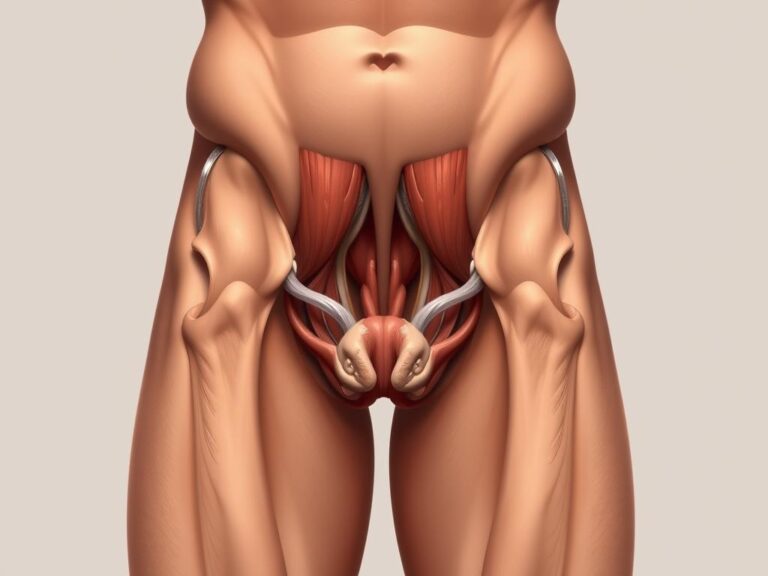
An erection happens mainly because of blood flow. The penile arteries widen, letting more blood into the penis.
This blood fills the corpus cavernosum, making it bigger. It also pushes the penile veins against a tough layer, keeping blood in.
Blood Flow Dynamics in Penile Tissue
Blood flow is key for an erection. It’s all about the right mix of blood coming in and going out.
The Role of Arteries and Veins
The arteries bring blood to the penis. The veins take it away. When you get an erection, the arteries get wider, and the veins get squeezed.
- The cavernosal arteries directly supply the erectile tissue.
- The helicine arteries, branching off the cavernosal arteries, regulate blood flow into the cavernosal spaces.
How Smooth Muscle Relaxation Works
Relaxing smooth muscle is vital for an erection. It lets more blood flow into the penis.
This happens because of nitric oxide and other chemicals. They make a molecule called cGMP, which helps with erections.
The Erection Algorithm: How Your Body Calculates Readiness
The human body is complex, and getting an erection involves a detailed algorithm. This algorithm combines physical and mental factors. It’s a balance of neural signals, hormones, and blood flow.
The Neural Computation Process
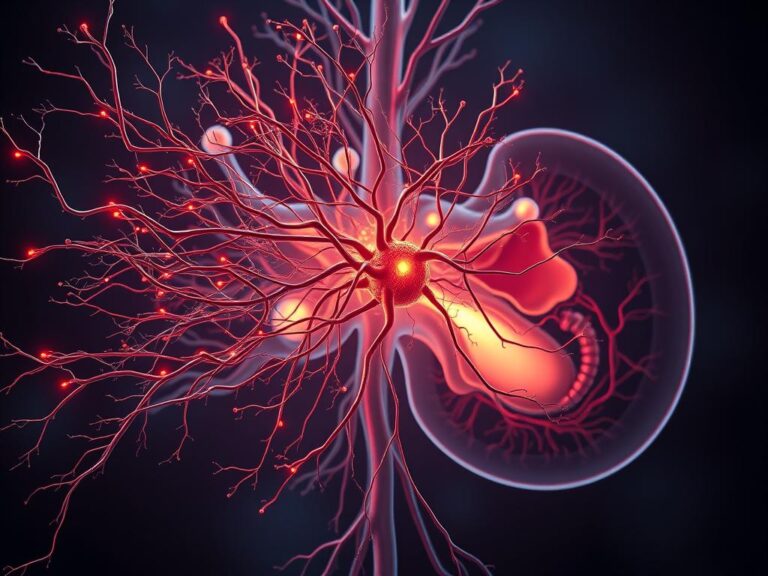
The neural process is key to the erection algorithm. It uses a network of neurons to process sensory and emotional information. This process changes based on the environment and mood.
It integrates sensory inputs, like what we see and touch, and checks if we’re emotionally ready. The brain then responds with a signal that might lead to an erection.
Feedback Loops in Sexual Response
Feedback loops are vital in the sexual response cycle. They help adjust the body’s arousal level. They can either boost or reduce the response, depending on the situation.
Positive Feedback Mechanisms
Positive feedback mechanisms boost the arousal signal, making an erection more likely. They do this by releasing neurotransmitters that increase blood flow to the penis.
Inhibitory Control Systems
On the other hand, inhibitory control systems help reduce the arousal response. They are important for preventing unwanted erections.
The balance between these systems ensures the body’s response is fitting. It shows a complex algorithm that considers both physical and mental factors.
The Brain-Penis Connection: Neural Pathways Explained
The brain and penis have a complex relationship. It involves a network of neural pathways. These pathways are key for controlling erections and sexual health.
The Role of the Central Nervous System
The central nervous system (CNS) is central to this connection. It handles signals that can cause an erection. The CNS combines information from senses and emotions.
How Sensory Input Triggers Response
Sensory input is key in starting an erection. This can be from seeing or touching something.
Visual and Tactile Stimulation Pathways
Visual stimulation involves the brain processing sexy images. Tactile stimulation is direct touch to the genitals. Both are important for starting an erection.
The Autonomic Nervous System’s Role
The autonomic nervous system (ANS) controls erections. It has two parts: the sympathetic and parasympathetic systems. The parasympathetic system is key for vasodilation, needed for an erection.
Important factors in the brain-penis connection include:
- Sensory input (visual, tactile, etc.)
- Emotional state and psychological factors
- Hormonal balance
Knowing these factors helps us understand the complexity of erections. It shows how important sexual health is.
Hormonal Influences on Sexual Readiness
Hormones play a big role in our sexual health, including how ready we are. They work together in the body, affecting our sexual performance and overall health.
Testosterone and Its Critical Functions
Testosterone is key for male sexual health. It helps develop male reproductive tissues and secondary sexual traits. Low testosterone can cause lower libido and erectile issues.
Other Hormones That Impact Erectile Function
Other hormones also affect erectile function. These include dopamine, serotonin, and stress hormones like cortisol.
The Role of Dopamine and Serotonin
Dopamine is called the “pleasure hormone” because it’s linked to the brain’s reward system, affecting sexual desire. Serotonin can either boost or block sexual function, depending on its levels and how it interacts with receptors.
Stress Hormones and Their Effects
Stress hormones like cortisol can harm sexual readiness by stopping the release of hormones needed for sex. Long-term stress can cause hormonal imbalances, affecting sexual performance.
Psychological Factors in the Erection Equation
Erectile function is not just physical; it’s also influenced by the mind. The mind’s role in sexual arousal is key. Understanding this can help solve erectile dysfunction.
The Impact of Stress and Anxiety
Stress and anxiety can harm erectile function. Stress hormones like cortisol can disrupt the erectile process.
- High stress can lower libido.
- Anxiety about performance can worsen erectile issues.
- Techniques like meditation and deep breathing can help.
How Emotional State Affects Physical Response
An individual’s emotional state greatly affects their physical response during sex. A positive mood can boost erectile function. A negative mood can hinder it.
Depression and Erectile Function
Depression deeply affects erectile function. It can reduce libido and cause erectile dysfunction.
“Depression can affect sexual function in multiple ways, making it essential to address mental health in the treatment of erectile dysfunction.”
The Role of Relationship Dynamics
Relationship dynamics are key to erectile function. A supportive relationship can improve sexual performance. Conflict and tension can cause erectile issues.

In conclusion, understanding erectile function requires looking at psychological factors. Addressing stress, anxiety, emotional state, depression, and relationship dynamics can improve sexual health.
Physical Health and Its Impact on Erectile Function
Good physical health is key for erectile function. It affects the body’s ability to get and keep an erection. The erection algorithm involves many body processes. Poor health can cause erectile dysfunction.
Cardiovascular Health and Blood Flow
Heart health is important for erections. Blood flow to the penis is needed for an erection. Hypertension and atherosclerosis can block this flow, making erections hard to get or keep.
Metabolic Conditions Affecting Sexual Readiness
Diabetes and obesity can hurt erectile function. These conditions cause blood and hormone problems. They mess with the erection algorithm.
Diabetes and Erectile Dysfunction
Diabetes is a big risk for erectile problems. High blood sugar harms blood vessels and nerves. This makes it hard to get an erection. Managing diabetes can help.
Obesity and Its Effects on Hormonal Balance
Being overweight can lower testosterone levels, which is important for sex. Obesity also raises the risk of diabetes and heart disease. These issues make erectile problems worse.
Staying healthy with exercise and a good diet can help. It improves physical health and erectile function.
When the Algorithm Fails: Common Erectile Issues
Erectile dysfunction can signal health problems. It’s when a man can’t get or keep an erection for sex. This issue affects many men, getting more common with age.
Temporary vs. Chronic Dysfunction
Some erectile problems are short-term. They might be due to stress, certain meds, and can go away once the cause is fixed. But, chronic ED lasts longer and may point to serious health issues.
Identifying Root Causes of Erectile Problems
Finding the cause of erectile dysfunction is key to fixing it. There are physical and psychological reasons.
Physical vs. Psychological Origins
Physical reasons include heart disease, diabetes, being overweight, and some brain disorders. Heart health is vital because issues like high blood pressure can block blood to the penis. Yet, depression, anxiety, and stress can also cause ED.
When to Seek Medical Help
If ED doesn’t go away, see a doctor. They can find the cause and suggest treatments. Early treatment can help your sex life and health.
Signs you need a doctor include:
- Often can’t get or keep an erection
- ED with symptoms like chest pain or dizziness
- Health problems that might cause ED
Understanding and treating the causes of erectile dysfunction can greatly improve your sex life.
Age-Related Changes in Sexual Response
Sexual response changes with age, due to hormonal, neurological, and vascular factors. Men experience different changes in sexual function as they age.
What to Expect in Different Decades
In their 20s and 30s, men usually have the best sexual function. By the 40s and 50s, they might notice a drop in libido or erectile firmness. These changes get more noticeable in the 60s and later.
Natural Adaptations vs. Pathological Changes
It’s key to know the difference between normal aging and health issues. Some decline in sexual function is normal. But, big problems like erectile dysfunction or low libido might mean there’s a health problem.
Hormonal Shifts Throughout Life
Hormonal changes are a big part of aging’s impact on sex. Testosterone levels peak in early adulthood and then drop. This drop can lower libido and affect erections.
Adapting to Changing Sexual Function
Adjusting to these changes means making lifestyle changes, possibly getting medical help, and talking openly with partners. As one expert says,
“Aging is a natural process, and with the right approach, men can continue to enjoy a fulfilling sex life well into their later years.”
Understanding these changes and being proactive helps men deal with aging’s challenges. Embracing these changes and seeking support when needed is key to a fulfilling life.
Medical Interventions and Treatments
For those with erectile dysfunction, many medical options can help. Erectile dysfunction affects millions of men, impacting their lives and relationships.
Pharmaceutical Options for Erectile Dysfunction
Pharmaceutical treatments are a common choice. PDE5 inhibitors have changed how we treat erectile dysfunction.
How PDE5 Inhibitors Work
PDE5 inhibitors boost nitric oxide, a natural chemical. This relaxes penis muscles, improving blood flow. Drugs like sildenafil (Viagra) and tadalafil (Cialis) are well-known.
Alternative Medication Approaches
Other treatments include testosterone replacement therapy for low testosterone. Always talk to a doctor before trying these.
Non-Pharmaceutical Treatments
Not all treatments are medication-based. There are non-pharmaceutical options for those who prefer or need them.
Devices and Mechanical Aids
Devices like vacuum erection devices work by creating a vacuum. This draws blood into the penis, helping achieve an erection. They are safe and effective for many.
Surgical Options When Necessary
In some cases, surgery is needed. This includes penile implants, devices placed inside the penis for erections.
Always talk to a healthcare provider to find the best treatment. Everyone’s needs and health are different.
- Consult a healthcare professional before starting any treatment.
- Consider lifestyle changes alongside medical interventions.
- Be aware of the potentia side effects of treatments.
Conclusion: Optimizing Your Sexual Health Algorithm
Knowing how your body gets ready for sex is key to good sexual health. It involves understanding how nerves, hormones, and health work together. This knowledge helps you improve your sexual health.
Being ready for sex means taking care of your body and mind. Exercise, a healthy diet, and enough sleep boost your heart and hormones. Stress and anxiety can hurt your sex life, but relaxation helps.
Being mindful of what affects your sex life helps you make better choices. Improving your sexual health is about taking care of your body and mind. By doing so, you can feel better in all areas of your life.