The Emotional Armor That Shuts Down Physical Response

Have you ever felt like you’re shielding yourself from the world? This protective mechanism, known as emotional armor, can deeply affect our physical reactions. It’s a way to cope with stress, trauma, or overwhelming situations.
Developing emotional armor can change how we physically react. This is important to understand for our overall health and happiness.
Key Takeaways
- Emotional armor is a coping mechanism that shields us from stress and trauma.
- It can impact our physical responses, affecting our overall well-being.
- Understanding emotional armor is essential to addressing its consequences.
- Recognizing the signs of emotional armor can help us take the first step towards healing.
- Acknowledging the impact of emotional armor on our physical responses can lead to a more balanced life.
Understanding Emotional Armor: A Protective Shield
Emotional armor is how we secretly protect ourselves from feeling too much. It grows over time, often because of stress, trauma, or hard experiences. This shield helps us deal with tough feelings and situations.
What Constitutes Emotional Armor
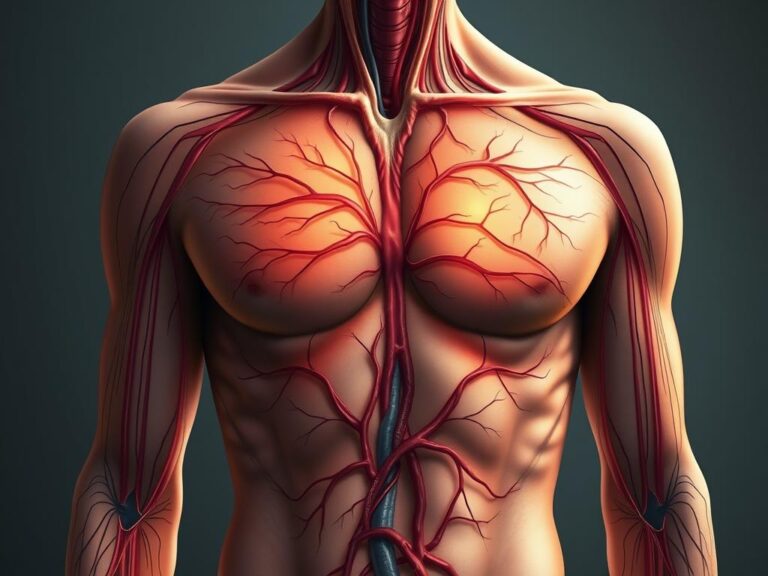
Emotional armor has many parts, both mental and physical. It’s about hiding or dulling our feelings, which can show up as body tension or numbness. It’s not just in our heads but also affects how our body reacts, making it hard to tackle.
How Protective Mechanisms Form in Childhood
Protective shields like emotional armor start forming in childhood. Things like neglect, abuse, or tough childhoods can make us build this armor. Kids might hide their feelings to survive, a habit that can stick with them into adulthood if not changed.
Signs You’re Wearing Emotional Armor
Spotting emotional armor can be tricky, but there are clues. Look out for feeling numb or distant from your feelings, trouble making close bonds, and a push to stay away from emotional or stressful spots. Physical signs like constant tension or pain can also hint at it. Knowing these signs helps us start to heal and understand our emotional armor.
The Mind-Body Connection: How Emotions Affect Physical Responses
Exploring how emotions impact our bodies is fascinating. It shows how our feelings can change how we feel physically. This connection is complex but vital to our health.
The Science Behind Emotional and Physical Integration
The link between emotions and physical responses is deep. It starts with our nervous system. When we feel an emotion, it sets off a chain of events in our body.
Neurological Pathways of Emotional Processing
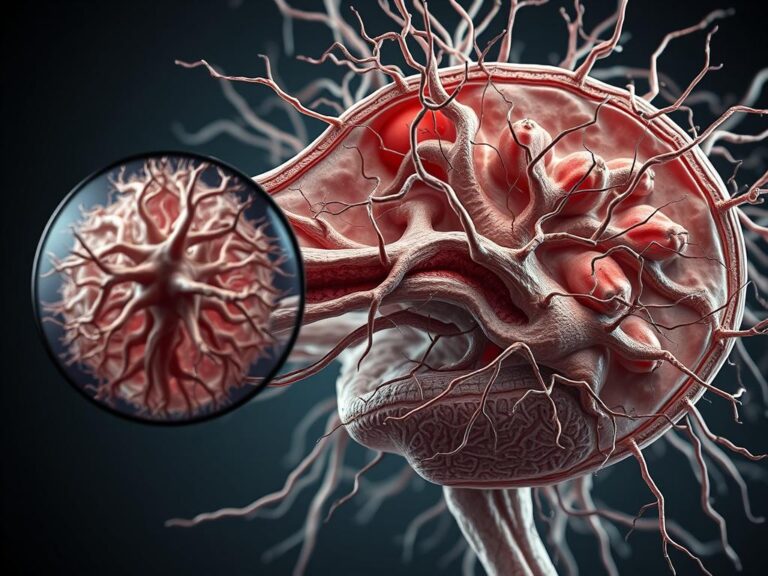
Emotions are processed through many brain and body connections. The amygdala is key in handling fear and anxiety.
The Role of the Autonomic Nervous System
The autonomic nervous system controls our body’s automatic actions. It includes the sympathetic and parasympathetic systems. The sympathetic system gets us ready to react, while the parasympathetic helps us relax.
How Stress Hormones Impact Physical Sensations
Stress hormones like cortisol and adrenaline are released when we’re stressed. They can make our heart race and muscles tense. Too much stress can harm our health over time.
The mind-body connection shows why we need to care for our emotional health. By learning about emotional processing and stress hormones, we see how our feelings affect our bodies.
The Emotional Armor That Shuts Down Physical Response
Developing emotional armor protects our feelings but also affects our body’s stress response. This coping mechanism can disconnect our emotions from physical sensations. This can harm our overall health.
Recognizing When Your Body Goes Numb
Numbness is a key sign that your body is shutting down due to emotional armor. It can make you feel less connected to your body. Spotting numbness is important, as it shows your emotional armor is affecting your body.
Common Physical Manifestations of Emotional Blocking
Emotional blocking can cause physical signs like body tension and breathing changes. These signs show how our body tries to handle stress or trauma.
Tension Patterns in the Body
Emotional blocking can lead to body stiffness or pain. Common spots include the neck, shoulders, and lower back. Recognizing these signs helps us see how our emotional armor affects our body.
Breathing Changes and Restrictions
Emotional blocking can also change how we breathe. Stress or strong emotions can make our breathing shallow or restricted. This can reduce oxygen in our body and increase anxiety.
The Disconnect Between Feelings and Sensations
Building emotional armor can separate our feelings from physical sensations. This makes it hard to understand and deal with our emotions. It affects how we react to situations.
By noticing and tackling the physical signs of emotional armor, we can start to break down our defenses. This helps us build emotional resilience and improve our well-being.
Psychological Defense Mechanisms at Work
Understanding psychological defense mechanisms helps us see how we face emotional challenges. These strategies are hidden ways our minds deal with stress and uncomfortable feelings. They help us keep a sense of balance and normalcy when things get tough.
Dissociation and detachment are key defense mechanisms. Dissociation is like disconnecting from your thoughts, feelings, or experiences. It helps avoid the emotional shock of a traumatic event by separating from it. Detachment makes you feel emotionally distant from a situation or person, like feeling numb.
Dissociation and Detachment
Dissociation and detachment can be helpful in tough times. But using them too much can make you feel isolated and disconnected from others. For example, someone who has been through trauma might forget their memories of it. This can make it hard to form close relationships later.
Repression and Suppression
Repression and suppression are also important defense mechanisms. Repression pushes uncomfortable memories or desires into your subconscious mind. Suppression is more conscious, where you actively try to forget or ignore upsetting information. Both can offer temporary relief but can increase psychological distress if not dealt with.
Rationalization and Intellectualization
Rationalization and intellectualization explain away uncomfortable truths. Rationalization makes excuses for bad behavior. Intellectualization analyzes stressful situations in a detached way, avoiding emotional impact. For example, someone facing a serious illness might focus on medical facts instead of their emotional response.
Avoidance and Denial
Lastly, avoidance and denial are common defenses. Avoidance means staying away from things that might upset you. Denial is refusing to accept reality because it’s too painful. While they offer short-term relief, they can block emotional growth if not faced.
In conclusion, psychological defense mechanisms are complex ways our minds handle stress and adversity. Knowing about these mechanisms helps us understand our emotional responses better. This knowledge can guide us towards healthier emotional processing and growth.
- Dissociation and detachment can lead to feelings of isolation.
- Repression and suppression can result in increased psychological distress if not addressed.
- Rationalization and intellectualization can hinder emotional processing.
- Avoidance and denial can prevent long-term emotional growth.
Trauma’s Role in Building Emotional Barriers
Our emotional responses are shaped by past traumas. These experiences can influence how we react to different situations. They can lead to the creation of emotional armor, a protective mechanism.
How Past Experiences Shape Current Responses
Traumatic events can deeply affect our emotional well-being. They lead to the formation of emotional barriers. These barriers help us avoid reliving the trauma but can also limit our emotional experiences.
- Trauma can lead to heightened states of anxiety or fear.
- It can cause emotional numbing, making it hard to connect with others.
- Past traumas can influence our trust issues and intimacy.
The Body’s Memory of Trauma
The body remembers traumatic experiences, showing up physically or emotionally. This is known as the body’s “memory” of trauma. It shows how our physical and emotional responses are deeply connected, affecting emotional armor.
Some common signs include:
- Tension or pain in specific body areas.
- Hypervigilance or an exaggerated startle response.
- Avoidance behaviors related to places, people, or activities that remind one of the trauma.
Adaptive Functions of Emotional Numbing
Emotional numbing is an adaptive function after trauma. It helps us cope with overwhelming emotions by reducing their intensity. While it’s protective short-term, long-term emotional numbing can harm emotional health and relationships.
Understanding trauma’s role in building emotional barriers is key to overcoming them. By acknowledging the past and its impact, we can heal and become more emotionally resilient.
The Hidden Costs of Emotional Armor
Emotional armor might seem like a good idea at first. But it has big costs that affect our lives in many ways. Keeping up this shield can hurt our bodies, minds, and how we connect with others.
Physical Health Consequences
Keeping our emotions locked away can really hurt our bodies. It can cause a lot of health problems.
Chronic Pain and Tension
Chronic pain and tension are common signs. This happens because we hold our muscles tight when we hide our feelings. This tightness can cause serious problems like fibromyalgia or chronic back pain.
Immune System Effects
Our immune system also suffers. Stress from hiding our feelings can make us get sick more often. Studies show that stress can lead to more infections and even autoimmune diseases.
Relationship Impacts
Emotional armor affects our relationships too. When we’re numb, we find it hard to connect deeply with others. This can make us feel lonely, even when we’re around people.
Limitations on Personal Growth and Emotional Health
One of the biggest costs is how it limits our growth and emotional health. By hiding our feelings, we miss chances to learn about ourselves and grow emotionally. This makes it hard to build emotional resilience and handle stress well.
To improve our emotional health, we need to face the reasons behind our emotional armor. This way, we can work towards a healthier emotional life.
Breaking Through the Armor: Therapeutic Approaches
Breaking through emotional armor needs a mix of different therapies. It’s about understanding how emotions, coping, and personal experiences work together.
Many therapies help people overcome their emotional barriers. These include body-focused, mind-focused, and mindfulness-based methods.
Somatic Experiencing and Body-Centered Therapies
Somatic Experiencing (SE) is a therapy that works with the body. It helps release tension caused by trauma. This way, people can process their experiences and feel less need for emotional protection.
Other body-focused therapies, like mindful movement and somatic practices, help people connect with their bodies. This connection improves emotional control and strength.
Cognitive Behavioral Techniques for Emotional Regulation
Cognitive Behavioral Therapy (CBT) teaches ways to manage emotions better. It helps people change negative thoughts into positive ones. This leads to better coping and less need for emotional armor.
- Cognitive restructuring
- Emotional labeling
- Grounding techniques
Mindfulness and Present-Moment Awareness
Mindfulness helps people stay in the moment. It lets them watch their thoughts and feelings without getting lost in them. Regular practice builds emotional strength and reduces the need for armor.
Trauma-Informed Approaches to Healing
Trauma-informed care understands the impact of trauma. It creates a safe space for people to start healing. This helps them feel safe enough to work through their trauma and shed their emotional armor.
Key parts of trauma-informed care are:
- Creating a safe and trusted environment
- Encouraging choice and control
- Supporting empowerment and self-care
By using these therapies, people can find better ways to cope and manage their emotions. This helps them break through their emotional barriers.
Building Emotional Resilience Without Shutting Down
It’s key to keep a strong mind-body connection for emotional health. This means facing life’s ups and downs with awareness and flexibility. We’ll look at ways to build resilience without numbing or shutting down.
Healthy Emotional Regulation Strategies
At the core of emotional resilience is effective emotional regulation. This means managing your emotions in different situations. Here are some strategies:
- Emotional labeling: Recognizing and naming your emotions to better understand them.
- Self-soothing techniques: Using methods like deep breathing or progressive muscle relaxation to calm the nervous system.
- Reframing: Changing your perspective on a situation to reduce emotional intensity.

Creating Safety for Vulnerability
Being vulnerable is tough but vital for deep connections and resilience. To feel safe being vulnerable, focus on:
- Building trust with others through consistent and supportive interactions.
- Practicing self-compassion to create an internal sense of safety.
- Gradually opening up to others in a controlled and comfortable manner.
Developing Emotional Intelligence
Emotional intelligence is key for resilience. It means understanding and managing your emotions and empathizing with others. Key aspects include:
Recognizing Emotions in Real-Time
This means being aware of your emotions as they change. It’s about catching emotions as they arise and understanding their triggers.
Practicing Self-Compassion
Treating yourself with kindness and understanding, even when feeling tough emotions, is vital for resilience.
Stress Management Techniques That Preserve Sensitivity
Managing stress well is key to keeping emotional sensitivity. Techniques include:
- Mindfulness practices: Engaging in mindfulness meditation or other mindfulness activities to stay present.
- Physical activity: Regular exercise to reduce stress and improve mood.
- Boundary setting: Learning to say “no” and set healthy limits to protect your emotional energy.
Conclusion: Embracing Wholeness Through Integration
Understanding The Emotional Armor That Shuts Down Physical Response is vital for our well-being. It helps us see how emotional armor affects us. This knowledge lets us start to break free from its hold.
Building emotional resilience is essential for wholeness. We need to learn healthy ways to manage our emotions. We must also create safe spaces to be vulnerable and practice mindfulness. This way, we can connect our emotional and physical selves better.
Starting this journey of self-discovery and healing leads to a more real and resilient life. By integrating our emotional and physical responses, we can reach our full capacity. We can then live more fully.