
The Controversy Around Designer Babies

The idea of designer babies has caused a lot of debate around the world. People are worried about the ethics and what it means for our future.
Science and technology have made it possible to change a child’s genes. This has made some people excited, while others are very concerned.
Now, we can think about designing a child’s traits, like looks, smarts, or health. It’s not just something from science fiction anymore.
As the debate goes on, it’s important to understand the controversy around designer babies. We need to think about how it affects our society.
Key Takeaways
- The concept of designer babies is a highly debated topic.
- Genetic engineering has made it possible to customize a child’s genetic makeup.
- The debate surrounding designer babies involves parents, scientists, and ethicists.
- Designer babies raise concerns about the ethics and implications of genetic engineering.
- The topic is no longer science fiction, but a growing reality.
What Are Designer Babies? Science and Technology Explained
Designer babies are at the edge of genetic engineering, where science and ethics meet. They are made by changing embryos’ genes. This lets parents pick traits for their kids.
Definition and Basic Concepts
Genetic engineering for designer babies means changing an organism’s genes. This is done using biotechnology to pick traits. It involves changing embryos’ DNA to add traits like disease resistance or physical features.
It starts with understanding the human genome and finding genes for certain traits. New technologies in genetic sequencing and editing make these changes possible.
Current Genetic Modification Technologies
Many genetic modification tools have been developed. Each has its own level of precision and use. Some key ones are:
- Zinc Finger Nucleases (ZFNs): An early tool, precise but hard to design.
- TALENs (Transcription Activator-Like Effector Nucleases): More flexible than ZFNs.
- CRISPR-Cas9: A game-changer, known for its ease, speed, and accuracy.
The CRISPR-Cas9 Breakthrough
CRISPR-Cas9 is a big step in genetic engineering. It makes precise changes to the genome. This lets in new traits or fixes genetic problems.
“The CRISPR-Cas9 system has opened new avenues for treating genetic diseases and has the power to change genetics.” – Dr. Jennifer Doudna, CRISPR-Cas9 pioneer
This tech is leading genetic research. It offers unmatched precision and speed. It’s used for more than designer babies, like treating genetic diseases and possibly curing hereditary ones.
| Technology | Precision | Complexity |
|---|---|---|
| ZFNs | Moderate | High |
| TALENs | High | Moderate |
| CRISPR-Cas9 | Very High | Low |
From Science Fiction to Reality: The Evolution of Genetic Engineering
Genetic engineering has moved from science fiction to real science. It has seen big steps and debates. Knowing its history helps us understand the ethical implications designer babies and the bioethics designer babies debates.
Historical Roots in Eugenics Movements
Genetic engineering started in the early 1900s with eugenics. Eugenics wanted to improve genes through breeding. But, it was filled with ethics issues and fake science. Yet, it helped start modern genetic engineering.
Understanding eugenics helps us see today’s genetic modification debates.
Milestone Developments in Reproductive Technology
Reproductive tech has grown a lot, from in vitro fertilization (IVF) to genetic editing. These advances have helped fertility and genetic changes. But, they’ve also raised hopes and worries about ethical implications.
Notable Cases and Scientific Breakthroughs
Events like Louise Brown’s birth and CRISPR-Cas9 editing have been big in genetic engineering. They’ve brought both joy and worry. They show we need to think deeply about bioethics in designer babies.
| Year | Milestone | Significance |
|---|---|---|
| 1978 | First IVF Baby Born | Revolutionized fertility treatments |
| 2012 | CRISPR-Cas9 Discovered | Enabled precise genetic editing |
| 2018 | First Genetically Edited Babies | Sparked global ethical debate |
As genetic engineering gets better, knowing its past and ethics is key. It helps us deal with the complex debates coming.
The Controversy Around Designer Babies: Ethical Battlegrounds
Genetic editing tools have made the debate on designer babies more complex. The ethics of designer babies involve human dignity, natural vs. artificial selection, and the rights of future people.
Human Dignity and Instrumentalization Concerns
Creating designer babies raises concerns about human dignity. Critics worry it could make human life a commodity. The risk of instrumentalization is high, as it might make children products of expectations, not valued for themselves.
“The ethical issue is not just about the technology itself, but about the values and societal norms it reflects and shapes.”
Natural vs. Artificial Selection Arguments
The debate centers on natural vs. artificial selection. Supporters see genetic engineering as a precise version of natural selection. But critics fear it could stray from natural evolution, leading to unknown consequences. The line between therapy and enhancement is often unclear.
Consent Issues and Rights of Future Persons
Another key issue is consent for the future person. The individual being modified cannot consent yet. This raises big questions about their rights and whether we can predetermine their lives. Ensuring the rights and dignity of future generations is essential.
The debate on designer babies is complex, touching on ethics, society, and science. It needs a deep understanding of all these aspects.
Medical Benefits: The Case for Genetic Modification
Genetic engineering could change healthcare a lot. It has many uses in medicine.
Eliminating Hereditary Diseases
Genetic modification might get rid of hereditary diseases. These diseases come from genetic mistakes passed down. CRISPR-Cas9 can edit genes precisely. This could stop sickle cell anemia and cystic fibrosis.
Enhancing Quality of Life and Longevity
Genetic engineering could also make life better and longer. It can change genes linked to aging. This way, people might live healthier for more years.
The Therapy vs. Enhancement Distinction
There’s a big difference between therapy and enhancement in genetic modification. Therapy fixes or prevents diseases. Enhancement makes traits better than usual.
Where to Draw the Line
Finding the right line between therapy and enhancement is hard. We need to think about ethics, society, and medicine. This line is key to using genetic modification wisely.
Medical Necessity Criteria
Setting clear criteria for medical need is important. We must look at how bad the condition is and the benefits and risks of genetic changes.
Here’s a table showing how genetic modification could be better than old treatments for some diseases:
| Condition | Traditional Treatment | Genetic Modification |
|---|---|---|
| Sickle Cell Anemia | Blood transfusions, pain management | Potential cure through gene editing |
| Cystic Fibrosis | Medications to manage symptoms | Possible correction of the genetic defect |
| Huntington’s Disease | Symptomatic treatment | Potential prevention through genetic editing |
Designer Babies Pros and Cons: A Balanced Assessment
The idea of designer babies has sparked a lot of debate. It’s important to look at both the good and bad sides of this technology. We must consider the benefits and risks of genetic modification.
Designer babies could bring many benefits to families and society. For example, they could help prevent genetic diseases. A study in the New England Journal of Medicine found that genetic editing could cut the risk of some genetic disorders by up to 90%.
Potential Benefits for Families and Society
Designer babies could offer many advantages. They could help avoid genetic diseases and improve certain traits. This could lead to better health and more opportunities for future generations. Some benefits include:
- Prevention of genetic diseases
- Enhanced physical and cognitive traits
- Increased chances of successful pregnancies
Dr. Jennifer Doudna, a CRISPR-Cas9 pioneer, says, “Genetic editing could greatly improve human health. But we must think carefully about the ethics.”
Significant Risks and Downsides
But there are also risks and downsides to designer babies. These include the chance of unintended effects and making social inequalities worse.
| Risks | Consequences |
|---|---|
| Off-target effects | Unintended genetic changes |
| Social inequality | Exacerbating existing disparities |
| Genetic diversity | Potential loss of genetic variation |
Unintended Consequences and Unknown Variables
The long-term effects of genetic modification are not fully known. There could be unknown risks to the safety and effectiveness of this technology. An expert in bioethics says, “We are dealing with a technology that is not only changing the human genome but also the human condition.”
In conclusion, we must carefully consider the pros and cons of designer babies. There are benefits, but also risks and unknowns. We need more research and debate to understand this technology fully.
Social Justice and Equity Concerns
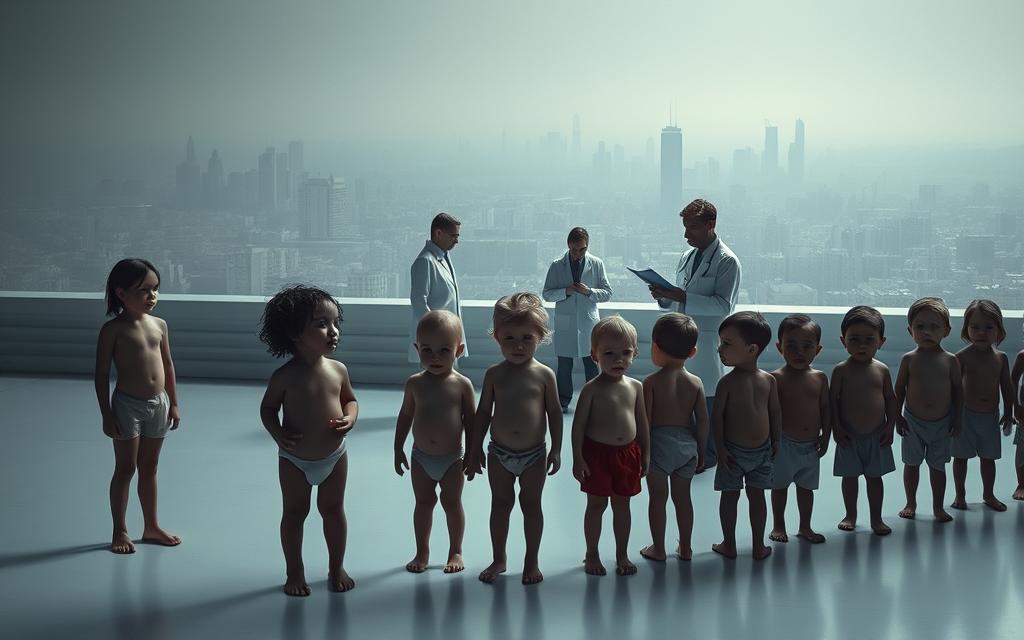
Designer babies are not just a scientific leap but also a societal hurdle, mainly about fairness. As we explore the possibilities and effects of genetic engineering, we must think about how it might impact society.
Access Disparities and the Genetic Divide
The tech behind designer babies is advanced and pricey, sparking worries about access disparities. If only some can pay for genetic tweaks, it could widen social gaps. This could lead to a new kind of social hierarchy.
Risk of Creating Genetic “Haves” and “Have-Nots”
The fear of a genetic gap between “haves” and “have-nots” is real. This gap could affect health, smarts, and physical skills. The ethical implications of such a gap are huge, possibly making some groups seem better than others based on genes.
Implications for Diversity and Disability Communities
Designer babies also raise big questions for diversity and disability groups. There’s a chance genetic changes could reduce diversity. Also, focusing on “designing” babies might make society view disabilities worse, affecting how we value and include people with disabilities.
In summary, the designer babies controversy shows we need a careful and open talk about genetic engineering’s ethics. Making sure fairness and considering societal effects are key to handling this complex issue.
Legal Frameworks and Policy Challenges
Genetic modification technologies are advancing fast. This makes it critical to have strong laws and policies for designer babies. We need to look at current rules, the problems policymakers face, and what the future holds.
Regulatory Approaches Around the World
Countries have different rules for genetic engineering and designer babies. Some have strict laws, while others are more open. For example, many European countries ban certain genetic changes due to ethics. On the other hand, China allows some genetic changes for health reasons.
United States Regulatory Landscape
In the U.S., the rules are complex. Several agencies, like the FDA and USDA, oversee genetic engineering. But, there’s no clear plan for designer babies. This creates confusion for scientists, doctors, and families.
Challenges in Creating Effective Oversight
Setting up good oversight for genetic engineering is hard. Technology is changing fast, and rules can’t keep up. There are also big ethical questions about genetic changes. Plus, genetic research is global, making international agreements even more complicated.
Cultural and Religious Perspectives on Designer Babies Ethics
The debate on designer babies goes beyond science and ethics. It touches on culture and religion too. Different cultures and religions have their own views on the ethics of designer babies. These views shape how societies deal with genetic modification.
Religious groups have varied opinions on designer babies. Some think it’s like “playing God,” worrying about the sanctity of life. Others see it as a way to help people, fitting with their values of kindness and care.
Culture also plays a big part in how people see designer babies. Societal values, history, and community norms influence opinions. It’s important to understand these views to have a fair and open discussion about designer babies.
As the technology gets better, it’s key to listen to all cultural and religious views. This will help create policies that respect different values. It will also help tackle the tough issues designer babies bring up.