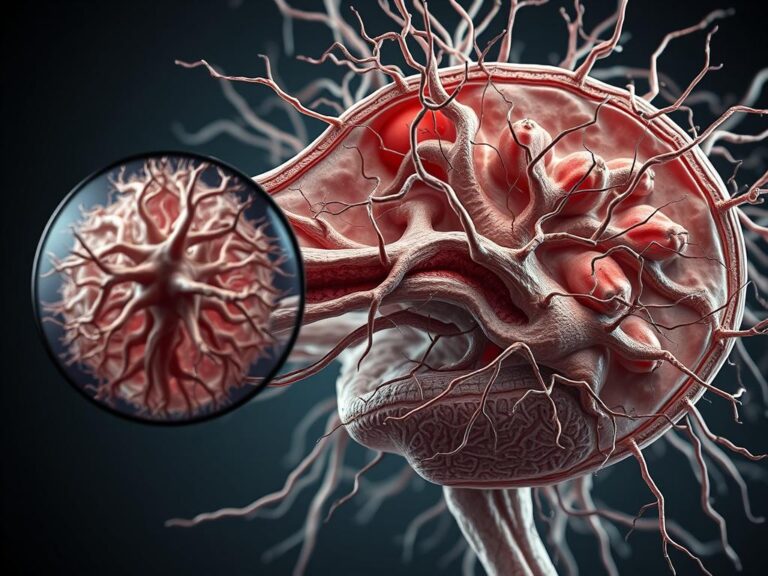
The Blood Flow Problem No One Talks About When Discussing ED
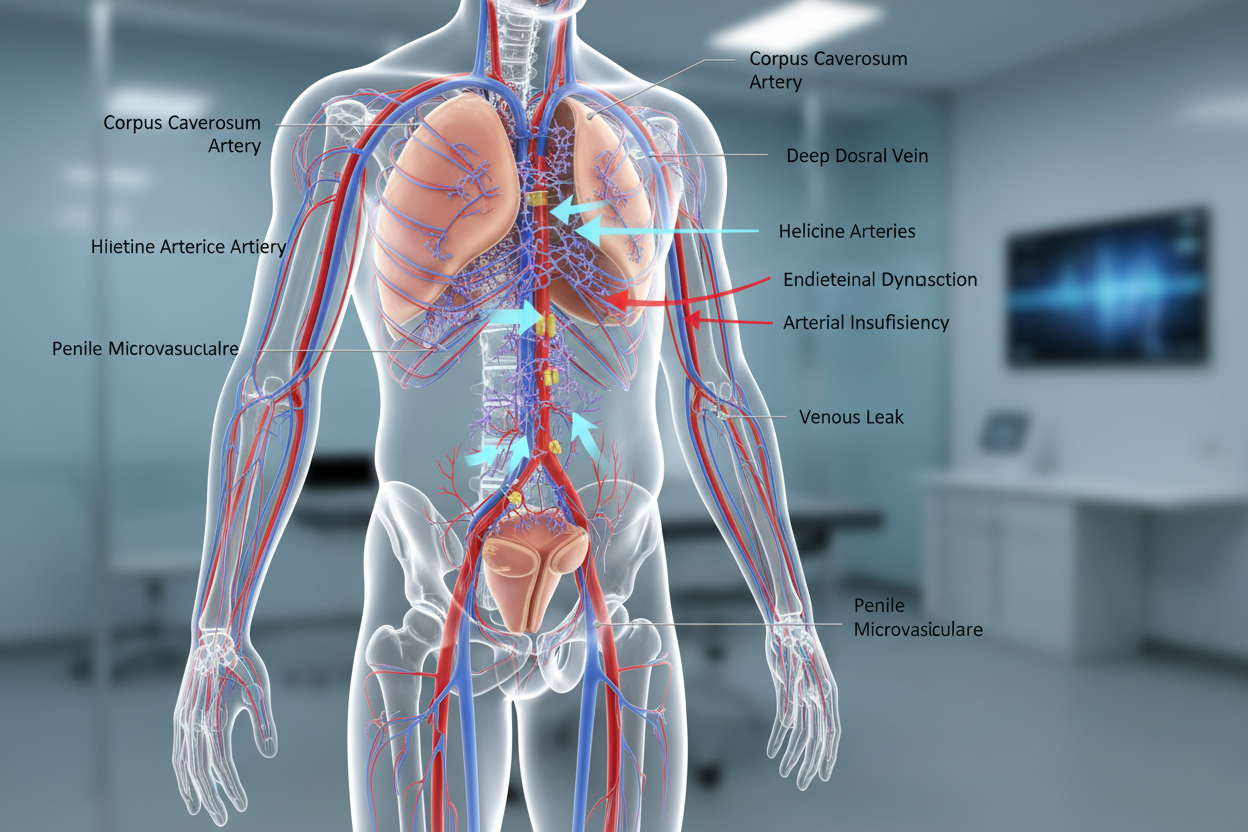
Erectile dysfunction (ED) is a complex condition that affects millions of men worldwide. While various factors contribute to ED, one crucial aspect is often overlooked: blood flow. Understanding the role of blood flow in ED is essential to addressing this condition effectively.
Poor blood flow can lead to ED, and it’s not just about the physical aspects. Emotional and psychological factors can also play a significant role. By exploring the connection between blood flow and ED, we can gain a deeper understanding of this condition and potential treatment options.
Key Takeaways
- Poor blood flow is a significant contributor to ED.
- Understanding blood flow is crucial for effective ED treatment.
- Emotional and psychological factors can impact blood flow.
- Addressing blood flow can help alleviate ED symptoms.
- A comprehensive approach is necessary for treating ED.
Why Most ED Discussions Focus Only on Arterial Blood Flow
Most talks about erectile dysfunction (ED) focus on blood flow through arteries. This overlooks other important factors. This narrow view can lead to treatments that don’t fully work. Blood flow issues in erectile dysfunction involve more than just getting blood in. It’s also about keeping it there.
The importance of blood circulation for erection is huge. Good blood flow is key for getting and keeping an erection. But, it’s not just about getting blood in. The way blood stays in the penis is also vital.
There are a few reasons why arterial blood flow gets so much attention:
- Many people with ED have problems with arteries.
- Tests often show issues with arteries first.
- Treatments usually aim to improve artery flow.
But ignoring venous blood flow can mean missing out on full care. It’s important to understand all aspects of blood flow issues in erectile dysfunction for good treatment.
The Complete Picture: How Erections Actually Work
Erections are more than just blood flow. They involve both blood coming in and going out. This balance is key to understanding why some men have trouble getting an erection, even if their blood flow seems fine.
Blood Flow In: The Arterial Phase Everyone Knows About
The arterial phase is the most talked-about part of erections. Blood flows into the penis through special arteries. These arteries widen, letting blood into the penis and starting the erection.
Nitric oxide and other substances help this happen. They relax the muscles in the arteries and penis, making it easier for blood to flow in.
The blood makes the penis expand. This expansion helps keep the blood inside by blocking the veins. This is important for keeping the erection going.
Any problems with this blood flow can lead to erectile dysfunction.
Blood Flow Out: The Venous Restriction Nobody Mentions
The venous restriction is often ignored, but it’s crucial. Venous occlusion helps keep the blood in the penis. The tunica albuginea, a tough layer, presses against the veins, stopping blood from leaving.
Damage to this layer can cause blood to leak out too fast. This is known as venous leak and can cause ED.
It’s important to understand both the blood coming in and the blood staying in. This knowledge helps doctors find better ways to treat ED.
The Blood Flow Problem No One Talks About When Discussing ED: Venous Leak
Venous leak is a big problem in erectile dysfunction that’s often ignored. It’s when blood can’t stay in the penis during an erection. Knowing about it is key to fixing ED and finding good treatments.
What Happens When Blood Won’t Stay Where It Needs To
When venous leak happens, the veins in the penis can’t hold blood. This leads to a loss of erection. It’s because the veins are too big or too many, letting blood go.
Men with venous leak might find it hard to keep an erection, even when they start strong. This can really affect their sex life and overall happiness. It’s important to tackle this issue to boost confidence and quality of life.
Key symptoms of venous leak include:
- Difficulty maintaining an erection
- Loss of erection during sexual activity
- Inconsistent erectile function
Why Doctors and Patients Overlook This Condition
Doctors and patients often miss venous leak. The main reason is that they usually focus on blood flow from arteries, not veins. Also, finding venous leak needs special tests, like cavernosometry or cavernosography, which aren’t always done.
Patients might not want to talk about their issues, making it harder to catch and treat venous leak. Doctors need to know about it and teach patients about how to get tested and treated.
By understanding and addressing venous leak, men can regain control over their erectile function and improve their overall sexual health.
Understanding Veno-Occlusive Dysfunction and Its Impact
It’s important to know how blood gets trapped during an erection to fix erectile dysfunction. Veno-occlusive dysfunction, or venous leak, happens when the veins in the penis can’t hold blood. This leads to erectile dysfunction.
The Role of the Tunica Albuginea in Trapping Blood
The tunica albuginea is a fibrous layer around the corpora cavernosa. It’s key in trapping blood during an erection. When erect, it presses the veins, stopping blood from leaving. The health of the tunica albuginea is crucial for keeping an erection.
The mechanism works by the corpora cavernosa expanding against the tunica albuginea. This compresses the venules, keeping blood inside the penis. Any problem in this process can cause venous insufficiency.
What Goes Wrong in Venous Insufficiency
In venous insufficiency, the veins can’t be compressed well, letting blood escape. This can happen due to damage to the tunica albuginea or the veins themselves.
Looking into venous insufficiency shows it’s caused by several things. These include poor vascular health and trauma. Knowing these causes helps in finding the right treatments.
| Cause | Description | Impact on Erection |
|---|---|---|
| Damage to Tunica Albuginea | Trauma or disease affecting the tunica albuginea | Reduced ability to trap blood |
| Venous Structure Issues | Problems with the veins themselves | Inadequate compression of veins |
| Poor Vascular Health | Conditions affecting overall vascular health | Increased likelihood of venous leak |
To tackle veno-occlusive dysfunction, we need to understand its causes and how it works. By finding the main cause, doctors can create specific treatments to help improve erections.
Root Causes of Impaired Blood Flow Retention
Impaired blood flow is a big problem in erectile dysfunction (ED). Knowing what causes it is key to fixing it. Erections need many things to work right, and any problem can cause ED.
Many things can cause blood flow issues, and knowing them helps find good treatments. Natural aging is one reason, as it makes it harder for blood to stay in the penis.
Natural Aging and Tissue Elasticity Loss
As men get older, their penis tissues lose stretchiness. This makes it tough to keep blood in and get an erection. Aging happens to everyone, but knowing how it affects erections can help manage ED.
Peyronie’s Disease and Scarring Effects
Peyronie’s disease causes scar tissue in the penis, leading to curvature and ED. The scars from Peyronie’s can mess with blood flow, making erections hard to get. There are treatments to help with symptoms and improve erections.
Diabetes and Long-Term Vascular Damage
Diabetes is a big risk for ED because it damages blood vessels and nerves. This damage makes it hard to keep blood in the penis for an erection. Controlling diabetes can help keep erections better.
Knowing why blood flow issues happen is key to treating ED. By tackling these problems, men can get better erections and live better lives. Improving Blood Flow for ED Management means making lifestyle changes, getting medical help, and fixing health problems.
Identifying the Warning Signs of Venous Leak
Getting an erection is just the start. The real challenge is keeping it up. Men with venous leak can get an erection but can’t keep it long enough for sex.
The Key Difference: Achieving Versus Maintaining Erections
Getting an erection is a complex process. It involves the brain, blood vessels, and hormones. But keeping an erection is harder. It needs the penis to hold blood in.
The venous system plays a big role here. It helps keep blood in the penis. Without it, the erection can’t last.
Additional Symptoms That Point to Blood Flow Issues
There are other signs of blood flow problems too. These include:
- Erections that are softer than usual
- Difficulty achieving orgasm due to insufficient erection firmness
- Penile pain during or after erection
These symptoms can really affect a person’s life. They can make everyday activities harder.
| Symptom | Description | Possible Indicator |
|---|---|---|
| Inability to maintain erection | Erection is lost shortly after achievement | Venous leak |
| Soft erections | Erections lack firmness | Blood flow issues |
| Penile pain | Pain during or after erection | Vascular problems |

How Doctors Diagnose Blood Flow Issues in Erectile Dysfunction
Doctors often look at blood flow when they diagnose erectile dysfunction. They use several key methods to find the cause. These tests help understand the vascular causes of ED.
Penile Doppler Ultrasound Testing
Penile Doppler Ultrasound Testing is a main tool. It checks blood flow to the penis without hurting you. Doctors inject a medicine to make an erection, then use ultrasound to see the blood flow.
Advanced Imaging: Cavernosometry and Cavernosography
Doctors also use advanced imaging like cavernosometry and cavernosography. Cavernosometry looks at blood flow in and out of the penis. Cavernosography uses a contrast agent to see the venous drainage and find leaks.
What Happens During a Vascular ED Evaluation
A vascular ED evaluation is a detailed check. It starts with a medical history and physical exam. Then, specific tests are done based on the doctor’s choice. These tests show the blood flow issues and help plan treatment.
Knowing the diagnosis is key for men with ED. It affects the treatment options. By finding blood flow problems, doctors can create a better treatment plan. This improves the chances of managing ED well.
Addressing Blood Flow in ED Treatment: Medical Options
Effective treatment of ED needs a full approach that includes managing blood flow to the penis. Medical options are key in fixing the root causes of erectile dysfunction, especially blood flow issues.
How Standard ED Medications Work with Venous Problems
Standard ED meds, like PDE5 inhibitors (e.g., sildenafil, tadalafil), boost nitric oxide effects. This natural chemical relaxes penis muscles, increasing blood flow. But, their success may be limited with venous leaks.
It’s important to understand how these meds work with venous problems. This helps figure out if they’ll work well.
Injection Therapy for Venous Insufficiency
Injection therapy injects meds directly into the penis for an erection. It’s good for men with venous insufficiency. It skips the usual ways blood flow works.
Mechanical Solutions: Vacuum Devices and Constriction Rings
Mechanical solutions, like vacuum erection devices and constriction rings, help with blood flow issues. Vacuum devices pull blood into the penis. Constriction rings keep it there.
These tools are great for men who can’t use or don’t respond to oral meds.
When Surgery Becomes an Option
Surgery might be needed for blood flow ED issues. It can fix vascular problems or put in penile prostheses. Surgery is usually a last choice when other treatments don’t work.
| Treatment Option | Description | Effectiveness for Venous Leak |
|---|---|---|
| Standard ED Medications | PDE5 inhibitors to enhance nitric oxide effects | Variable, depending on severity of venous leak |
| Injection Therapy | Direct injection of medications into the penis | Can be effective, bypasses normal physiological processes |
| Mechanical Solutions | Vacuum devices and constriction rings | Effective for some, particularly when other treatments fail |
| Surgery | Correcting vascular problems or penile prostheses | Considered when other treatments fail, variable success rates |
Blood Flow Solutions for Erectile Dysfunction Through Lifestyle Changes
Improving blood flow is key to managing erectile dysfunction. Making lifestyle changes can help a lot. By adding certain habits to your daily routine, you can boost your vascular health. This might help reduce ED symptoms.
Exercise Programs That Strengthen Vascular Function
Regular exercise is great for your heart and blood flow. Aerobic exercises like walking, cycling, or swimming are especially good. They make your heart stronger and improve oxygen delivery to your body, including your blood vessels.
Nutritional Approaches to Support Healthy Blood Circulation
Eating foods rich in antioxidants is beneficial. Berries, leafy greens, and other fruits and veggies can fight inflammation and improve blood vessel function. Also, foods high in omega-3 fatty acids, like salmon and walnuts, are good for your heart.
Weight Loss and Its Direct Impact on ED
Keeping a healthy weight is vital for your blood vessels. Too much weight, especially around the belly, can harm your blood flow. Losing weight through diet and exercise can greatly improve blood flow and lessen ED symptoms.
By making these lifestyle changes, you can actively work on improving your blood flow. This can help manage erectile dysfunction.
Improving Blood Flow for ED Management: Prevention Strategies
Understanding how blood flow affects ED is key to preventing it. By focusing on keeping blood vessels healthy, people can lower their risk of erectile dysfunction.
Building Vascular Health Before Problems Begin
Strong vascular health is the first step in preventing ED. This means adopting habits that boost blood flow. Regular exercise, like cardio, helps by increasing nitric oxide, which is vital for blood vessels to open up.
Eating well is also important. A diet full of fruits, veggies, and whole grains supports blood vessel health. Foods packed with antioxidants, like berries and leafy greens, fight off damage to blood vessels.
Risk Factors You Can Control Today
Many risk factors for ED can be managed with lifestyle changes. Quitting smoking is a big step, as it helps keep blood vessels healthy and improves blood flow. Stress management, through meditation or yoga, also helps blood vessels function better.
| Risk Factor | Prevention Strategy |
|---|---|
| Smoking | Smoking cessation programs |
| High Blood Pressure | Regular exercise, healthy diet |
| Diabetes | Monitoring blood sugar levels, healthy diet |
By tackling these risk factors and improving vascular health, people can prevent ED and keep their sexual health in check.
Knowing When to Talk to Your Doctor About Blood Flow and Male Sexual Health
Knowing when to see a doctor about blood flow issues in erectile dysfunction is key. Erectile dysfunction (ED) can affect your life quality and show health problems, like blood circulation issues.
If you often have trouble getting or keeping an erection, talk to a doctor. The importance of blood circulation for erection is huge. Good blood flow is needed for a healthy erection.
Men should watch for signs to see a doctor. These include:
- Persistent erectile dysfunction
- Difficulty achieving or maintaining an erection
- Pain during erections or ejaculation
Talking to a doctor about these symptoms can help find the cause. This could be venous leak or veno-occlusive dysfunction. Then, you can find the right treatment. Early action can greatly improve your health and life quality.
If you’re having erectile dysfunction symptoms, don’t wait to get medical help. A doctor can help with blood flow issues and improve your sexual health.
Conclusion
Erectile Dysfunction (ED) is a complex issue that affects millions of men globally. It’s not just about blood flow in arteries; blood flow issues in veins also play a big part. Understanding the causes and effects of Impaired Blood Flow is key to managing ED effectively.
Recognizing the signs and getting a proper diagnosis is the first step. There are many ways to treat ED, from medical options to lifestyle changes. Preventive measures like keeping your blood vessels healthy and managing risk factors can also help a lot.
If you’re experiencing ED symptoms, it’s important to talk to your doctor. This is the first step to understanding your condition and finding a solution. With the right approach, managing ED and improving your sexual health is possible.