
Fertility Supplements: Separating Myths from Facts

Many people and couples struggle to conceive. The use of fertility supplements has grown. But, it’s hard to know what’s true and what’s not.
The supplements for fertility market is full of products claiming to boost reproductive health. Some might help, but others could be useless or even harmful. It’s key to grasp how these supplements work and their effects on fertility.
Looking for the best fertility supplements means sorting out what’s real from what’s not. This article will give you a detailed look at fertility supplements, their effectiveness, and what you should know before choosing.
Key Takeaways
- Understanding the difference between fact and fiction in fertility supplements is key.
- Not all supplements are the same; some work better than others.
- It’s vital to research and know the ingredients and benefits.
- Always talk to a healthcare professional before starting any supplements.
- Knowing the truth can help you make smart choices about your reproductive health.
Understanding the Fertility Supplement Market
Fertility supplements are now a common choice for those wanting to boost their reproductive health. They aim to increase the chances of getting pregnant. The market offers many products, each claiming to help in different ways.
The Growing Popularity of Fertility Boosters
The need for fertility boosters has grown a lot. More people and couples are using supplements as part of their fertility journey. This rise is due to a growing interest in natural health and wellness.
Why People Turn to Supplements for Fertility Support
People choose supplements for female fertility and supplements for male fertility for many reasons. They want to fix nutritional gaps, improve reproductive health, and boost conception chances. These supplements include nutrients and herbs thought to aid fertility.
The Difference Between Prescription and Over-the-Counter Options
It’s key to know the difference between prescription fertility meds and OTC supplements. Prescription meds are closely watched and often used with a doctor’s guidance. OTC supplements, on the other hand, can be bought without a prescription but their quality and effectiveness can vary. Important things to consider include:
- The level of regulation and quality control
- The specific ingredients and their known effects on fertility
- The possible interactions with other meds or treatments
The Science Behind Fertility and Nutritional Support
Learning about fertility and nutrition can help you make better choices for your reproductive health. A balanced diet is key for fertility.
How Nutrition Affects Reproductive Health
Nutrition is important for reproductive health because it helps with hormonal balance and reproductive processes. Eating well supports your health and can improve fertility.
The Role of Micronutrients in Fertility
Micronutrients like folate, vitamin D, and iron are very important for fertility. Folate helps prevent birth defects. Vitamin D helps with hormonal balance. Iron is important for healthy ovulation.
Understanding Nutrient Deficiencies and Fertility
Nutrient deficiencies can harm fertility. For instance, not enough iron can cause ovulation problems. Taking fertility vitamins and natural fertility supplements can help.
Knowing how nutrition affects fertility helps you make better diet and supplement choices. This can improve your fertility with the right fertility support supplements.
Supplements for Female Fertility: Evidence-Based Options
More women are turning to supplements to boost their fertility. This trend is backed by growing research. Certain supplements are now seen as promising for reproductive health.
Folate and Folic Acid: Beyond Pregnancy Prevention
Folate and folic acid are famous for preventing birth defects. But they’re also key for reproductive health. Studies suggest they might help with ovulation and fertility too.
Coenzyme Q10 (CoQ10) for Egg Quality
CoQ10 is an antioxidant that helps cells make energy. Research shows it can improve egg quality, mainly in older women. It does this by boosting mitochondrial function.
Vitamin D and Hormonal Balance
Vitamin D is vital for hormonal balance, which is essential for fertility. Studies link vitamin D deficiency to reproductive issues like PCOS.
Iron and Its Impact on Ovulation
Iron is vital for fertility. It supports ovulation and helps prevent ovulation problems. Getting enough iron, through food or supplements, can help women with fertility issues.
Myo-Inositol for PCOS Support
Myo-inositol may help women with PCOS. It could improve insulin sensitivity and help with regular ovulation. This could boost fertility in women with PCOS.
These supplements are some of the best options for supporting female fertility. Always talk to a healthcare provider before starting any supplements.
Supplements for Male Fertility: What Research Shows
Male fertility is key for conception. Research has found supplements that support sperm health. A balanced diet is important, but some nutrients can help with fertility issues in men.
Zinc and Selenium for Sperm Production
Zinc and selenium are vital for male fertility. Zinc helps with sperm production and testosterone. Selenium acts as an antioxidant, protecting sperm from damage. Studies show that lacking these minerals can harm sperm quality.
Antioxidants (Vitamin C, Vitamin E) for Sperm Health
Vitamins C and E protect sperm from oxidative stress. This stress can damage DNA and slow down sperm. Research shows these vitamins can improve sperm quality and reduce damage.
L-Carnitine and Sperm Motility
L-Carnitine is an amino acid that boosts sperm energy. This can improve motility. Some studies suggest L-carnitine can make sperm move better and boost fertility.
CoQ10 for Sperm Quality
Coenzyme Q10 (CoQ10) is an antioxidant that may improve sperm quality. It helps sperm cells produce energy, leading to better motility and fertility.
Ashwagandha and Testosterone Levels
Ashwagandha is an adaptogenic herb that may raise testosterone levels. It can also reduce stress effects on fertility. Research indicates ashwagandha may help protect male reproductive health from stress.
| Supplement | Potential Benefit | Research Status |
|---|---|---|
| Zinc | Supports sperm production and testosterone regulation | Strong evidence |
| Selenium | Protects sperm from oxidative damage | Promising research |
| Vitamin C, E | Antioxidant protection for sperm | Evidence supports use |
| L-Carnitine | Improves sperm motility | Some evidence |
| CoQ10 | Enhances sperm quality and motility | Promising results |
| Ashwagandha | May improve testosterone levels and reduce stress impact | Emerging evidence |
Herbal Fertility Supplements: Traditional Remedies vs. Scientific Evidence
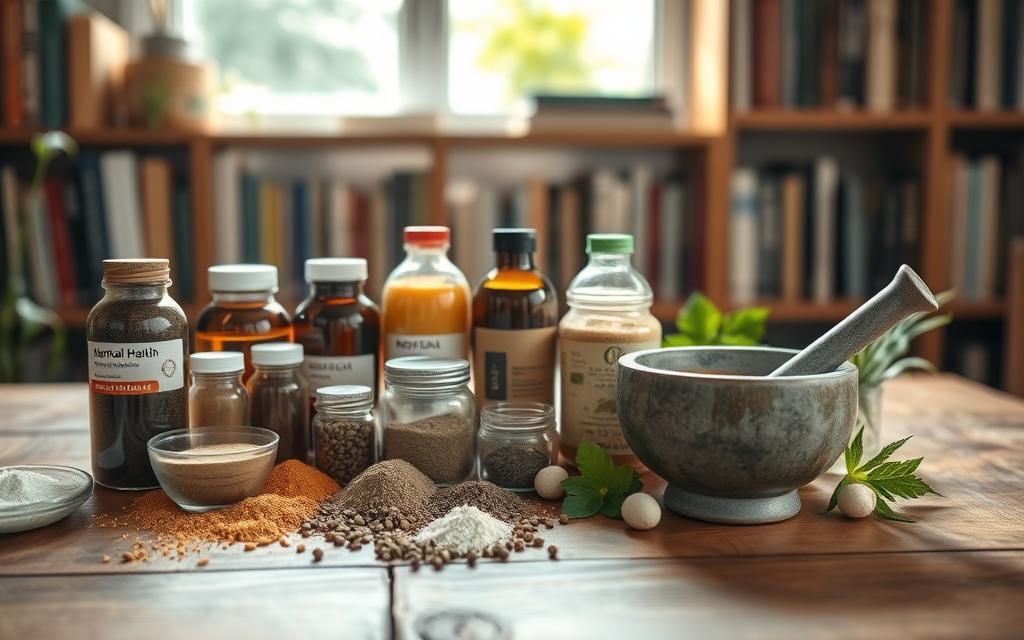
Herbal supplements for fertility are popular, but do they really work? They are seen as a natural way to help with reproductive health. But, it’s important to look at the science behind their benefits.
Vitex (Chasteberry) for Female Hormonal Balance
Vitex, or chasteberry, is used to balance female hormones. Research suggests it may help with menstrual cycles and fertility. It works by affecting the pituitary gland, which controls other hormones.
Maca Root for Libido and Fertility
Maca root is believed to boost fertility and libido. Some studies indicate it can increase sperm count and motility in men. It also helps with libido in both men and women.
Red Clover and Its Estrogenic Effects
Red clover has isoflavones, which act like estrogen. Some think it helps with hormonal balance. But, the evidence is mixed, and more research is needed.
Tribulus Terrestris for Male Fertility
Tribulus terrestris is used for male fertility. Some studies show it may improve sperm quality and testosterone. But, the current evidence is not conclusive, and more studies are needed.
Before using herbal fertility supplements, talk to a healthcare provider. They can help ensure they are safe and effective for your fertility plan.
Common Fertility Supplement Myths Debunked
The world of fertility supplements is full of myths. Many think all natural supplements are safe, or that more is better. But these ideas can be wrong and even dangerous.
Myth: All Natural Fertility Supplements Are Safe
Just because a supplement is called “natural,” it’s not safe for everyone. Natural fertility supplements can react with medicines or cause side effects. Some herbs can trigger allergies or mess with fertility treatments.
Myth: More Is Always Better with Fertility Vitamins
More fertility vitamins don’t always mean better results. Taking too much can be bad. For example, too much iron can lead to constipation and stomach problems.
Myth: Supplements Work Quickly to Boost Fertility
Fertility supplements aren’t a quick solution. They might take months to work, and results can differ for everyone.
Myth: What Works for One Person Works for Everyone
Results with fertility supplements vary a lot. What helps one person might not help another. This is because of different health needs and conditions.
| Myth | Reality |
|---|---|
| All natural supplements are safe | Natural doesn’t always mean safe; there are possible interactions and side effects |
| More is better with fertility vitamins | Too much can be harmful; stick to the recommended amounts |
| Supplements work quickly | Effects can take months to show; patience is key |
| One-size-fits-all approach | Results vary greatly among individuals due to different health conditions and needs |
Supplements for Fertility: What’s Hype vs What’s Helpful
The market for fertility supplements is growing fast. It’s key to know the difference between what’s just hype and what really helps. With so many options, it’s important to look at the science behind each one.
Overhyped Supplements with Limited Evidence
Some supplements are marketed a lot but don’t have much science to back them up. For example, some herbal remedies are called miracles, but the research isn’t there. Be careful of anything that seems too good to be true or has little research.
Supplements with Promising Research
Other supplements show promise in studies or for certain fertility problems. For instance, some antioxidants might help sperm quality, or certain vitamins could support ovulation. These need more study and a doctor’s advice.
Supplements with Strong Scientific Support
Some fertility support supplements have a lot of science behind them. Folic acid, for example, is known to prevent birth defects. Iron and zinc also play key roles in reproductive health. These are basics for anyone trying to conceive.
Cost vs. Benefit Analysis of Popular Fertility Supplements
When picking best fertility supplements, think about cost and benefits. Some are pricey but don’t offer much, while others are cheaper and proven. Doing a cost vs. benefit analysis helps make better choices.
In short, understanding fertility supplements takes careful study. Knowing which are just hype, which show promise, and which are scientifically proven helps make better choices for fertility health.
Potential Risks and Side Effects of Fertility Supplements
Fertility supplements can be helpful, but they also have risks. It’s important to know about possible side effects and how they might interact with other things you take.
Interactions with Medications and Fertility Treatments
Fertility supplements can affect how other medicines or treatments work. This can be a problem for people using treatments like IVF. Some supplements might make these treatments work too well or not enough.
Quality and Regulation Concerns in the US Market
The quality of fertility supplements in the US can vary a lot. Because they’re not as closely watched by the FDA as prescription drugs, their safety and effectiveness can be different.
When Supplements Can Do More Harm Than Good
In some cases, fertility supplements can actually harm you. This can happen if you take too much of certain vitamins or minerals. Taking too much can be toxic or cause other health problems.
Allergic Reactions and Sensitivities
Some people might have an allergic reaction or sensitivity to certain ingredients in fertility supplements. It’s key to watch for any bad reactions and change your supplement plan if needed.
| Potential Risk | Description |
|---|---|
| Interactions with Medications | Fertility supplements can interact with other medications or fertility treatments. |
| Quality and Regulation Concerns | The quality and regulation of fertility supplements vary in the US market. |
| Adverse Effects | Supplements can cause harm if taken inappropriately or in excess. |
| Allergic Reactions | Individuals may experience allergic reactions to certain ingredients. |
Beyond Supplements: Lifestyle Factors That Impact Fertility
Understanding lifestyle factors is as important as taking fertility support supplements for better fertility. Supplements give essential nutrients, but lifestyle choices greatly affect reproductive health.
Diet and Weight Management
Eating a balanced diet with fruits, veggies, whole grains, and lean proteins is key. Keeping a healthy weight is also vital. Being too thin or overweight can mess with hormone levels and ovulation.
- Eat foods high in antioxidants to reduce oxidative stress.
- Choose whole grains over processed carbohydrates.
- Include healthy fats, such as those found in nuts and fish, in your diet.
Exercise and Physical Activity
Regular exercise boosts fertility by lowering stress and improving health. But too much can be bad, so finding a balance is important.
Stress Management Techniques
High stress can harm fertility. Using stress-reduction methods like meditation, yoga, or deep breathing can help manage stress.
Environmental Factors and Toxin Exposure
Exposure to toxins like pesticides and heavy metals can hurt fertility. Using protective gear and choosing organic produce can reduce exposure.
Sleep Quality and Fertility
Good sleep is vital for hormonal balance and health. Aim for 7-8 hours of sleep each night to support fertility.
By focusing on these lifestyle factors and possibly using natural fertility supplements or fertility boosters, you can improve your fertility.
How to Choose Quality Fertility Support Supplements
Choosing the right fertility support supplements is important. There are many products out there. It’s key to know what makes a supplement good and safe for those trying to conceive.
Reading Labels and Understanding Dosages
Start by reading the label of any supplement you’re interested in. Look for clear info on ingredients, amounts, and dosage. Be cautious of proprietary blends that hide the exact amounts of each ingredient.
Third-Party Testing and Certifications
Third-party testing is vital for supplement quality. Check if the product has been certified by groups like NSF International, ConsumerLab.com, or the National Science Foundation. These certifications show the product has been tested for purity and strength.
Evaluating Manufacturer Reputation
Do your homework on the manufacturer. Check their history, customer reviews, and ratings from independent sources. A good manufacturer is open and has a track record of quality products.
Timing of Supplement Use and Combination Products
Think about when to start taking supplements and whether to use single nutrients or mixtures. Some supplements work better at certain times in your fertility journey. Mixtures can be handy but make sure they don’t have extra stuff you don’t need.
| Supplement Type | Key Benefits | Considerations |
|---|---|---|
| Individual Nutrients | Targeted support for specific fertility needs | May require multiple products; potentially overdose if not watched |
| Combination Products | Easy to use; often based on science | May have extra stuff; could interact with other ingredients |
By looking at these points, you can pick the best fertility support supplements. This helps increase your chances of finding a quality product that fits your needs.
Conclusion: Making Informed Decisions About Fertility Supplements
Finding the right fertility supplements can feel like a big task. But knowing what you’re looking at is the first step. This knowledge helps you make choices that support your reproductive health.
There are many fertility supplements out there, for both men and women. They might offer some benefits. It’s important to look at the science behind them and talk to a doctor before starting.
When picking fertility supplements, check for third-party testing and certifications. This ensures the product is safe and effective. Also, be careful about how they might interact with other medicines or treatments.
In the end, fertility supplements should be just one part of your health plan. A healthy diet, regular exercise, and managing stress are also key. By combining these, you can improve your fertility and overall health.