
Effective Sleep Training Methods for Tired Parents

Being a tired parent is common, often due to helping kids develop good sleep habits. This exhaustion can really affect your daily life and health. It’s important for parents to find effective sleep training techniques to get some rest.
Starting a sleep routine can seem hard, but it’s doable with the right steps. Consistency and patience are essential for success. By learning the best methods, parents can help their kids sleep better, making the whole family happier and more rested.
Key Takeaways
- Establish a consistent sleep schedule for your child.
- Create a bedtime routine that promotes relaxation.
- Watch for sleepy cues to put your child to bed at the right time.
- Avoid stimulating activities before bedtime.
- Make the sleep environment comfortable and dark.
Understanding the Basics of Sleep Training
Starting a journey to a well-rested family begins with learning about sleep training. It’s a method that helps babies sleep through the night. This is key for their growth and the family’s happiness.
What Is Sleep Training?
Sleep training means setting a regular sleep schedule and a bedtime routine. This routine tells the baby it’s time to sleep. Dr. Richard Ferber says, “It’s not about leaving your child to cry; it’s about teaching them to fall asleep on their own.” Popular sleep training approaches include the Cry It Out method, the Ferber method, and gentle sleep training methods.
Why Sleep Training Matters for Child Development
Sleep training is vital for a child’s growth. It helps them sleep better, which means they rest and recover well. A well-rested child is happier, more focused, and has a stronger immune system. The American Academy of Pediatrics says, “Sleep is key for a child’s physical, emotional, and mental growth.”
When to Start Sleep Training Your Baby
The best time to start sleep training depends on the baby’s age and readiness. Most doctors suggest starting between 4 to 6 months. This is when babies can start learning to self-soothe.
Setting Realistic Expectations
Parents need to have realistic expectations about sleep training. It takes time, patience, and consistency. Be ready for setbacks and don’t get discouraged if progress is slow. Dr. Marc Weissbluth says, “Consistency is key in sleep training.”
Sleep Training Methods Parents Are Talking About This Year
New sleep training trends are changing bedtime routines for families. Parents are looking for ways to help their kids sleep better. But, what makes these methods effective, and how do you pick the right one?
Overview of Current Trends in Sleep Training
Now, parents are leaning towards gentler and more flexible sleep training. They want methods that work well and fit their parenting style. Some of the top-rated sleep training methods include:
- Gentle sleep training techniques
- Progressive waiting approaches
- Establishing consistent bedtime routines
Why Some Methods Are Gaining Popularity
Some sleep training methods are becoming more popular. Gentle techniques are loved for being kind, while progressive waiting is valued for being structured yet flexible.
How to Choose the Right Method for Your Family
Choosing the right sleep training method depends on several factors. Consider your child’s age, temperament, and your family’s lifestyle. It’s also wise to look at trending sleep training tips and talk to pediatricians or sleep specialists if needed.
The Science Behind Effective Sleep Training
Effective sleep training is based on understanding child development and sleep science. The best methods are those that meet a child’s needs and are consistently applied. Research shows that a bedtime routine and a sleep-friendly environment are key to successful sleep training.
By knowing the latest trends and the science behind sleep training, you can make a choice that’s best for your family.
The Cry It Out Method: Pros and Cons
Parents looking for sleep training solutions often hear about the Cry It Out method. This method lets babies cry until they fall asleep. It’s a topic of much debate among parents and experts.
How the Cry It Out Method Works
The Cry It Out method starts with a consistent sleep routine. It also helps create an environment that encourages babies to soothe themselves. Parents are told to put their baby to bed awake, so the child learns to fall asleep alone. This method needs patience and consistency, as it may take a few nights for the baby to adjust.
Research on Effectiveness and Safety
Research on the Cry It Out method shows mixed results. Some studies say it works well when done right, while others worry about its emotional impact on children. Parents must consider these points and think about their child’s needs.
Implementing the Cry It Out Method Correctly
To use the Cry It Out method right, start with a calming bedtime routine. Make sure the baby’s basic needs are met before sleep. Being consistent and supportive helps the baby get used to this new sleep method.
Common Misconceptions About Crying It Out
Many think the Cry It Out method means ignoring a baby’s cries. But, many who support it say to check on the baby sometimes to make sure they’re safe and comfortable. Knowing the details of this method helps parents make better choices for their child’s sleep.
The Ferber Method: Progressive Waiting Approach
The Ferber Method is a structured sleep training technique. It uses a gradual waiting approach to help babies sleep on their own. Developed by Dr. Richard Ferber, it teaches babies to self-soothe and fall asleep without parents.
Understanding Ferberization
Ferberization increases the time between checks on the child at bedtime. This method helps babies learn to sleep without parents. A consistent bedtime routine is key before starting the Ferber Method.
Step-by-Step Implementation Guide
Begin with a consistent bedtime routine. Then, put your child in bed while they are awake. Leave the room and return at longer intervals, starting with 3 minutes.
Expected Timeline and Results
The Ferber Method can show results in a few nights to a week. Being consistent is important for the best results.
Adapting the Ferber Method for Different Ages
The Ferber Method works for infants and can be adapted for older children. Adjust the intervals and approach based on the child’s age and personality.
By using the Ferber Method correctly, parents can teach their children healthy sleep habits. It’s an effective sleep training technique.
Gentle Sleep Training Approaches
Many parents are now using gentle sleep training methods. These help their kids learn to sleep well without the stress of old methods. They focus on a bedtime routine and a sleep-friendly environment.
The Chair Method
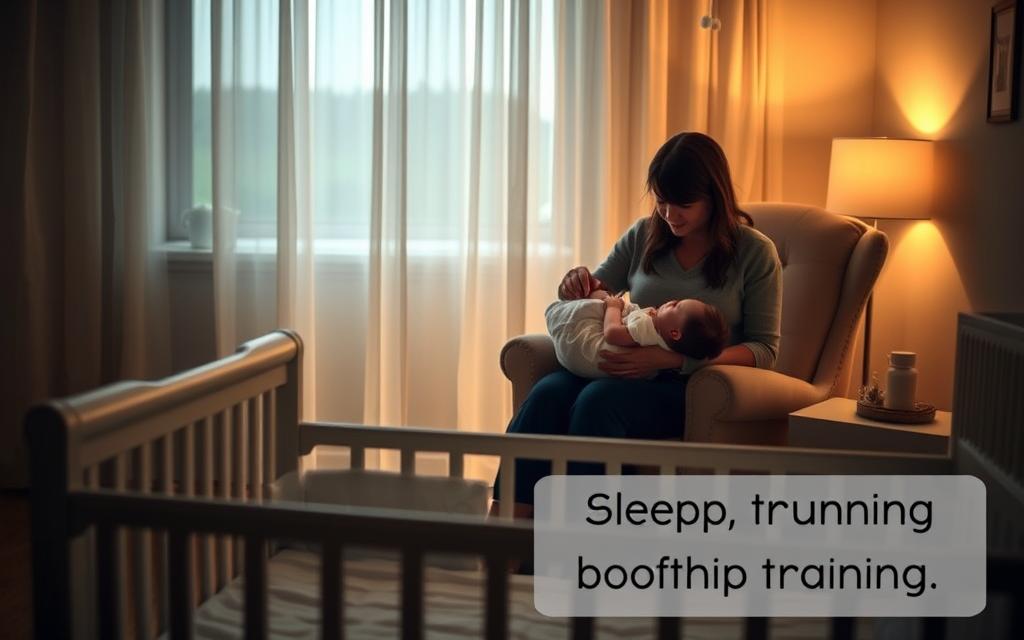
The Chair Method has you sit next to your child’s bed until they sleep. You move the chair back a bit each night. This helps your child get used to sleeping alone.
This method is gentle and comforting. It lets parents be there while teaching kids to sleep on their own.
The Pick-Up-Put-Down Method
The Pick-Up-Put-Down Method involves picking up your child when they cry. Then, you put them back down when they calm down. This keeps happening until they fall asleep.
This method requires patience. But it can work well for some families.
The Fading Method
The Fading Method slowly reduces your time with your child as they fall asleep. You might start by sitting beside them, then gradually move away. This helps your child learn to fall asleep by themselves.
Which Gentle Method Is Right for Your Child?
Choosing the right gentle sleep training method depends on your child and your family. Think about what will work best for you and your child. Some parents mix different methods.
Remember, what works for one family might not work for another. Be patient and find what works for you.
Age-Specific Sleep Training Strategies
Effective sleep training needs a plan that fits the child’s age and growth stage. As kids get older, their sleep needs and challenges change. So, sleep training methods must also change.
Sleep Training for 4-6 Month Olds
Babies at 4-6 months start to sleep more regularly. Gentle sleep training methods are best at this time. Start a bedtime routine with calming activities like bath time, reading, or singing.
- Watch for tired signs: yawning, rubbing eyes, or becoming less active.
- Keep the sleep environment quiet and dark.
- Avoid overstimulation before bedtime.
Sleep Training for 6-12 Month Olds
Babies from 6-12 months notice their surroundings more and might resist sleep. Gradual withdrawal of parental presence at bedtime works well.
“By 6 months, most babies are developmentally ready to sleep through the night without feeding,” says Dr. Marc Weissbluth, a renowned pediatrician.
Start with small steps, like sitting in a chair near the crib. Then, gradually move further away over time.
Sleep Training for Toddlers (1-3 Years)
Toddlers need a consistent bedtime routine and clear rules. Consistency is key for sleep training at this age. A predictable sleep schedule and a cozy sleep environment help a lot.
| Age | Sleep Training Focus | Strategies |
|---|---|---|
| 4-6 Months | Establishing Routine | Gentle methods, bedtime routine |
| 6-12 Months | Gradual Withdrawal | Reducing parental presence at bedtime |
| 1-3 Years | Consistency and Boundaries | Predictable schedule, cozy sleep environment |
Adjusting Methods as Your Child Grows
As children grow, their sleep needs change. It’s important to be flexible and adjust sleep training strategies as needed.
Parents should be ready to change their approach as their child grows. This ensures sleep training stays effective and meets their child’s changing needs.
Creating the Optimal Sleep Environment
Creating a great sleep space is key for kids to sleep well. A well-designed area can really help with sleep training.
Setting Up the Perfect Sleep Space
It’s not just about a comfy bed. You need to make a space that relaxes and keeps distractions away. Think about using blackout curtains, a white noise machine, or a fan for a calm vibe.
The Role of White Noise and Lighting
White noise can block out sounds that might wake a child. Also, keeping the room dark helps the body’s clock stay in sync. Dim red lights or nightlights can make the room feel cozy.
Temperature and Comfort Considerations
The room’s temperature is important. It should be just right, not too hot or cold. Also, a clean and comfy bed can make sleep better.
Sleep Products That Actually Help
There are many products that can help make a sleep space better. These include:
- White noise machines
- Blackout curtains
- Cozy bedding and mattresses for kids
- Smart baby monitors with sleep tracking
| Product | Benefits |
|---|---|
| White Noise Machine | Masks background noise, promotes better sleep |
| Blackout Curtains | Blocks out light, regulates circadian rhythms |
| Cozy Bedding | Enhances comfort, promotes relaxation |
By paying attention to these details, parents can make a sleep space that helps with sleep training. This leads to better sleep for the whole family.
Establishing Effective Bedtime Routines
A good bedtime routine is key for better sleep for everyone. It involves calm activities that tell kids it’s time to sleep. This leads to better sleep quality and longer sleep times.
Components of a Successful Bedtime Routine
A great bedtime routine has relaxing activities to help kids wind down. These might include:
- A warm bath to relax the muscles
- Reading a bedtime story to calm the mind
- Singing a lullaby or soft music to create a soothing atmosphere
- Giving a gentle massage to release tension
Age-Appropriate Routines from Infancy to Toddlerhood
Bedtime routines should match the child’s age and stage. Infants might just need feeding and cuddling. Toddlers might enjoy stories and interactive games.
| Age Group | Sample Bedtime Routine |
|---|---|
| Infants (4-6 months) | Bath, feeding, cuddling, sleep |
| Toddlers (1-3 years) | Bath, storytime, lullaby, goodnight kiss, sleep |
Consistency: The Key to Success
Being consistent with bedtime routines is very important. Keeping the same routine and schedule, even on weekends or holidays, helps kids sleep better.
Sample Bedtime Routines That Work
Here are a few bedtime routines that work well:
- 60-minute routine: Bath (15 minutes), storytime (15 minutes), lullaby (5 minutes), goodnight kiss, sleep
- 30-minute routine: Reading (10 minutes), singing (5 minutes), cuddling (10 minutes), sleep
By having a consistent and calming bedtime routine, parents can help their kids sleep better. This improves sleep for the whole family.
Troubleshooting Common Sleep Training Challenges
Sleep training can be a journey filled with unexpected twists and turns. It’s not uncommon for parents to encounter challenges along the way. Understanding how to address these issues is key for successful sleep training.
Dealing with Regression and Setbacks
Regression is a normal part of the sleep training process. It can be triggered by various factors such as illness, travel, or changes in routine. To manage regression, it’s essential to remain consistent with the sleep training method you’re using. Stick to your routine as much as possible, and try to minimize the impact of the triggering factor.
Addressing Separation Anxiety
Separation anxiety is a common challenge during sleep training. It’s essential to establish a goodbye ritual that reassures your child you’re leaving but will return. Gradually increasing the time spent away from your child can also help them adjust to your absence.
When to Adjust Your Approach
Sometimes, the chosen sleep training method may not be working as expected. It’s essential to recognize the signs that indicate a need for adjustment.
Signs Your Current Method Isn’t Working
If your child continues to struggle with sleep or shows signs of distress, it may be time to reassess your approach. Look for signs such as persistent crying, difficulty falling asleep, or frequent nighttime wakings.
Making Modifications for Your Child’s Needs
Every child is unique, and what works for one may not work for another. Be prepared to modify your approach based on your child’s cues and responses. This might involve changing the sleep training method or adjusting the bedtime routine.
Managing Multiple Children’s Sleep Schedules
For families with multiple children, managing sleep schedules can be challenging. Creating a unified bedtime routine can help simplify this process. Consider staggering bedtimes or using a consistent sleep training method across all children.
When to Seek Professional Help
If sleep training challenges persist despite your best efforts, it may be time to seek professional help. Consult with a pediatrician or a certified sleep consultant who can provide personalized guidance and support.
Conclusion: Finding Your Family’s Sleep Solution
Exploring different sleep training methods shows that there’s no single way that fits everyone. What works for one family might not work for another. The goal is to find a sleep training method that matches your child’s needs and your parenting style.
Some sleep training methods might appeal to you more than others. You might choose the Cry It Out method, the Ferber Method, or a gentler approach. The most important thing is to have a consistent bedtime routine and a sleep-friendly environment.
By using effective sleep training techniques, creating a good sleep space, and having a calming pre-sleep routine, you can help your child sleep well. Be patient, stay consistent, and adjust your approach as your child grows.
With the right strategy and persistence, you can help your child sleep better. This will make your whole family happier and more rested. Look into the methods we’ve discussed and find the best sleep solution for your family.