Identifying Newborn Allergies and Sensitivities
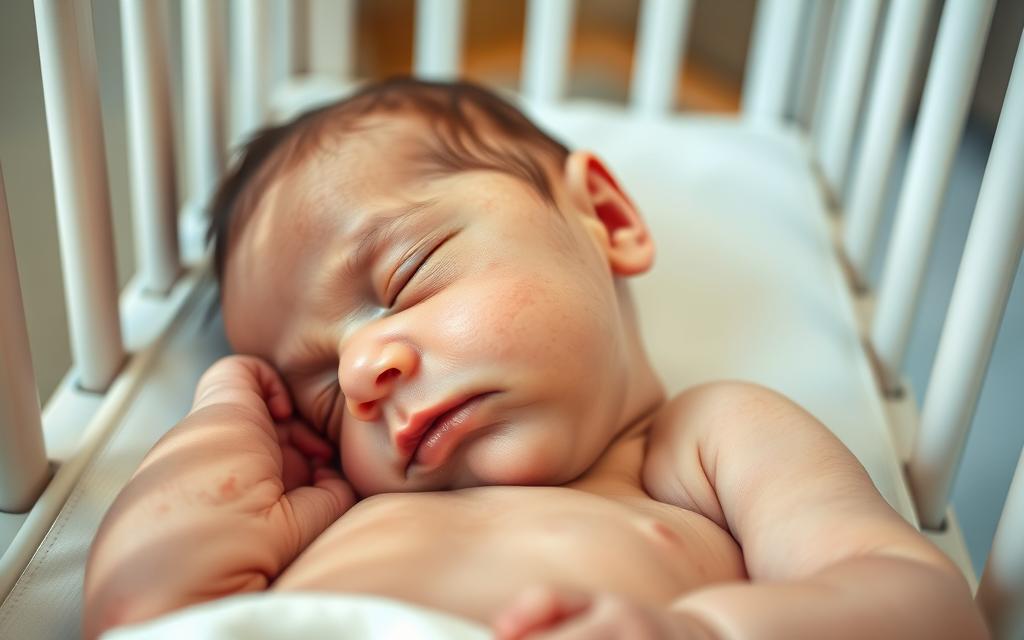
Seeing your baby uncomfortable is a worry for any parent. Baby allergies and sensitivities can be hard to spot. They often look like normal baby behaviors or common issues.
It’s important to know the signs of allergic reactions in newborns. This helps catch problems early. While some skin or digestive issues are normal, serious or lasting symptoms might mean an allergy or sensitivity.
Key Takeaways
- Common signs that may indicate a baby allergy or sensitivity include skin rashes, digestive issues, and respiratory problems.
- Early detection is key to managing and treating baby allergies effectively.
- Consulting a pediatrician is essential for diagnosing and understanding the best course of action for your baby.
- Keeping a symptom diary can help track patterns and possible triggers.
- Breastfeeding mothers may need to adjust their diet to help alleviate baby’s allergy symptoms.
Understanding Newborn Allergies and Sensitivities
It’s important to know about newborn allergies and sensitivities for your baby’s health. Newborns can react differently to various things, so it’s key to know the signs and risks.
What Are Allergies in Newborns?
Allergies in newborns happen when their immune system overreacts to something new, like food, dust, or pollen. This can cause mild to severe symptoms. “An allergy is not just a simple reaction; it’s an overreaction of the immune system that can have serious consequences,” say pediatric experts.
How Sensitivities Differ from Allergies
Sensitivities are reactions that don’t involve the immune system. They can be caused by irritants and usually have milder symptoms. For example, a baby might react to certain fabrics or soaps.
Why Newborns Are Vulnerable
Newborns are more likely to have allergies and sensitivities because their immune systems are not fully developed. Their skin, digestive system, and lungs are also growing. This makes them more prone to irritants. So, parents need to watch out for triggers and take steps to prevent them.
Knowing about newborn allergies and sensitivities helps parents spot signs early. This way, they can protect their baby’s health.
Signs of Newborn Allergies and Sensitivities
It’s important to know the signs of allergies and sensitivities in newborns. This knowledge helps you care for your baby better. Newborn allergies and sensitivities can show up in different ways. So, it’s key to watch your baby’s health closely.
Skin-Related Symptoms
Skin symptoms are common signs of allergies in newborns. These can include:
- Rashes or hives
- Eczema
- Redness or irritation
Table 1: Common Skin-Related Symptoms
| Symptom | Description |
|---|---|
| Rashes or Hives | Appear as red, itchy patches on the skin |
| Eczema | A condition that causes the skin to become inflamed, irritated, and itchy |
Digestive System Reactions
Digestive issues can also be a sign of allergies or sensitivities in newborns. Symptoms include:
- Diarrhea
- Vomiting
- Colic
It’s essential to monitor your baby’s digestive health closely.
Respiratory Indicators
Respiratory problems can be a serious sign of an allergy. Watch for:
- Coughing
- Wheezing
- Runny nose
Behavioral Changes
Behavioral changes can also indicate allergies or sensitivities. These can include:
- Fussiness
- Irritability
- Changes in appetite
Knowing these signs can help you spot problems early.
Food Allergies in Newborns
Spotting food allergies in newborns early is key to their health. Food allergies happen when the body sees a food as a threat. In babies, this can show up in different ways, so parents need to watch closely.
Common Food Allergens
Common culprits include cow’s milk, eggs, peanuts, tree nuts, soy, wheat, fish, and shellfish. These foods are often introduced when babies start eating solid foods or through formula. Parents should know the signs of an allergic reaction, which can vary from mild to severe.
Breastfeeding and Food Allergies
Breastfeeding is usually best, but sometimes, allergens in breast milk can cause problems. If a food allergy is suspected, mothers might need to change their diet.
Formula Sensitivities
Some babies react to proteins in formula, leading to fussiness, rash, or stomach issues. Switching to a hypoallergenic formula might help these symptoms.
Cow’s Milk Protein Allergy
This is a common allergy in newborns. Symptoms include digestive problems, skin rashes, and in serious cases, anaphylaxis. To manage it, avoiding cow’s milk proteins is necessary.
Environmental Triggers for Newborn Allergies
The environment is a big factor in newborn allergies. Knowing what triggers them is important for their health. Newborns are surrounded by allergens every day that can cause reactions.
Household Allergens
Household items can cause allergies in newborns. This includes chemicals in cleaners, fragrances, and materials in furniture. Using hypoallergenic products and avoiding harsh chemicals can help.
Seasonal Factors
Seasonal changes can also lead to allergies in newborns. For example, during pollen season, staying indoors and using air purifiers can help. Monitoring local pollen counts is also helpful.
Pet Dander and Newborns
Pets can be a big source of allergens for newborns. Pet dander can be inhaled and cause allergic reactions. Keeping pets clean and out of the baby’s room can help.
Dust Mites and Mold
Dust mites and mold are common allergens. Dust mites live in bedding and carpets, while mold grows in damp places. Using dust mite-proof bedding and keeping the home dry can help.
Skin Sensitivities in Newborns
Newborns have very sensitive skin. It can react to many things, leading to allergies. Their skin is thin and not fully developed.
Contact Dermatitis
Contact dermatitis is common in newborns. It happens when they touch something they’re allergic to. Symptoms include redness, itching, and small bumps. Soaps, lotions, and some fabrics can cause it.
Reactions to Fabrics and Detergents
Newborns can also react to fabrics and detergents. Choosing gentle, fragrance-free detergents helps. Dressing them in soft, natural fibers like cotton is best.
Diaper Rash vs. Allergic Reactions
Diaper rash is common in newborns. It’s caused by urine and feces. Distinguishing between diaper rash and an allergic reaction is key for the right treatment. Diaper rash is usually more localized and can have infections.
Eczema in Newborns
Eczema, or atopic dermatitis, is a chronic condition. It makes the skin dry and itchy. Newborns with eczema have red, inflamed patches. Keeping the skin moisturized and avoiding triggers helps manage it.
Understanding and addressing skin sensitivities in newborns is important. By identifying causes and taking action, parents can help their babies with these common issues.
Differentiating Between Normal Newborn Conditions and Allergies
As a new parent, it’s key to tell normal newborn issues from real allergies. Newborns often face skin and digestive problems. This makes it hard to know if it’s just a normal condition or an allergy.
Baby Acne vs. Allergic Rash
Baby acne is common and shows up as small, red pimples on the face. It usually starts 2-4 weeks after birth. Unlike allergic rashes, baby acne is mainly on the face and doesn’t hurt.
An allergic rash can pop up anywhere on the body. It might also come with itching or fever.
Normal Spit-Up vs. Milk Protein Allergy
Spitting up is normal in newborns because their digestive systems are not fully developed. But, a milk protein allergy can lead to more serious signs. These include blood in the stool, diarrhea, or constant vomiting. If your baby shows these signs, talk to your pediatrician.
Cradle Cap vs. Allergic Dermatitis
Cradle cap is a harmless scalp rash that looks yellow and scaly. It’s different from allergic dermatitis, which can cause red, itchy patches anywhere on the body. While cradle cap isn’t itchy, allergic dermatitis can be uncomfortable for the baby.
Colic vs. Food Sensitivity
Colic is when a healthy baby cries a lot. It’s different from a food sensitivity, which can cause symptoms like diarrhea, rash, or blood in the stool.
| Condition | Common Symptoms | Differentiating Factors |
|---|---|---|
| Baby Acne | Small, red pimples on the face | Localized to the face, no discomfort |
| Allergic Rash | Red, itchy patches anywhere on the body | May be accompanied by fever or itching |
| Normal Spit-Up | Spitting up after feeding | No blood, no persistent vomiting |
| Milk Protein Allergy | Blood in stool, diarrhea, persistent vomiting | Severe symptoms, consult a pediatrician |
Knowing these differences helps you spot possible allergies. It also guides you to get the right medical care for your newborn.
When to Consult a Pediatrician
Newborn allergies and sensitivities can worry parents. Knowing when to see a pediatrician is key. Being aware of signs that need quick action helps your baby get the right care.
Warning Signs That Require Immediate Attention
Some newborn symptoms mean a serious allergy or sensitivity. Look out for trouble breathing, a fast heartbeat, and a big drop in blood pressure. If you see these, get emergency help right away.
Preparing for Your Doctor’s Visit
Before you go to the pediatrician, write down your baby’s symptoms. Note when they happen and any possible causes. This info is very helpful for the doctor to figure out what’s wrong.
Questions to Ask Your Pediatrician
At your visit, ask lots of questions. For example, “What could be causing my baby’s symptoms?” and “What treatments are available?”
Finding an Allergist for Your Baby
If the pediatrician suggests an allergist, ask for a referral. Also, check with your insurance for specialists in your network.
| Signs to Watch For | Action to Take |
|---|---|
| Difficulty breathing, rapid heartbeat | Seek emergency medical help |
| Mild skin rash, digestive issues | Schedule a pediatrician visit |
Diagnostic Approaches for Newborn Allergies
It’s important for parents to know how to diagnose newborn allergies. This involves watching for signs, looking at the baby’s medical history, and using specific tests.
Elimination Diets for Breastfeeding Mothers
For breastfeeding moms, starting an elimination diet is a first step. They remove common allergens like dairy, nuts, and soy from their diet. This is done for 2-4 weeks to see if the baby’s symptoms get better.
Allergy Testing for Babies
Allergy testing is used, but with care in newborns. Their skin is very sensitive. Tests might include skin prick tests or blood tests to check how the baby reacts to certain foods.
Food Challenge Tests
Food challenge tests are the most accurate way to find out about food allergies. The baby is slowly given the suspected allergenic food while being watched closely. This is done in a safe place to make sure everything goes smoothly.
Keeping a Symptom Journal
Parents should keep a symptom journal. It’s a way to track any reactions or symptoms the baby has. This journal is very helpful for doctors to see patterns and find out what might be causing the problems.
| Diagnostic Approach | Description | Key Considerations |
|---|---|---|
| Elimination Diet | Removing common allergens from the diet | Typically done by breastfeeding mothers |
| Allergy Testing | Skin prick or blood tests to measure immune response | Used cautiously in newborns due to sensitive skin |
| Food Challenge Tests | Gradual introduction of suspected allergenic food under supervision | Considered the gold standard for diagnosing food allergies |
| Symptom Journal | Recording symptoms and reactions | Helps identify patterns and possible causes |
Treatment Options for Newborn Allergies and Sensitivities
Treating newborn allergies requires a mix of medical treatments and lifestyle changes. It’s important for parents to know these options to manage their baby’s condition well.
Medical Treatments
For serious allergic reactions, medical help is needed. Antihistamines are often given to ease symptoms like itching and rashes. In severe cases, epinephrine auto-injectors might be advised.
Dietary Adjustments
Changing what a baby eats is key in managing baby allergies, like food allergies. For moms who breastfeed, an elimination diet might be suggested to avoid certain foods. For formula-fed babies, a hypoallergenic formula can be a good choice.
Environmental Modifications
It’s important to cut down on environmental allergens. Using HEPA filters helps reduce dust and pollen. Keeping the home clean and avoiding pet dander are also important steps.
Managing Eczema and Skin Reactions
Eczema and skin reactions are common in babies with allergies. Keeping the skin moisturized and using topical corticosteroids can help. It’s also key to avoid things that can make skin reactions worse.
| Treatment Option | Description | Benefit |
|---|---|---|
| Antihistamines | Relieves itching and rashes | Quick symptom relief |
| Elimination Diet | Identifies and avoids allergenic foods | Reduces allergic reactions |
| HEPA Filters | Reduces dust and pollen | Minimizes environmental allergens |
Long-Term Management and Prognosis
Understanding long-term management and prognosis is key for parents dealing with newborn allergies. It’s not just about treating immediate reactions. It’s also about planning for the future.
Will My Baby Outgrow Their Allergies?
Parents often wonder if their baby will outgrow their allergies. The answer depends on the allergy type and its severity. Some, like milk protein allergy, are often outgrown. Others, like peanut allergy, may last longer.
Emotional Impact on Parents
Dealing with newborn allergies can be tough on parents. The need to always watch out for allergic reactions can cause stress and anxiety. It’s important for parents to recognize these feelings and seek help when needed.
Creating Support Systems
Building a support system is essential for parents with newborn allergies. This can include family, friends, and support groups. Having people who understand the challenges can make a big difference.
Preparing Caregivers and Family Members
It’s important to teach caregivers and family about the baby’s allergies. They need to know how to spot allergic reactions and what to do in emergencies. This ensures the baby gets consistent care everywhere.
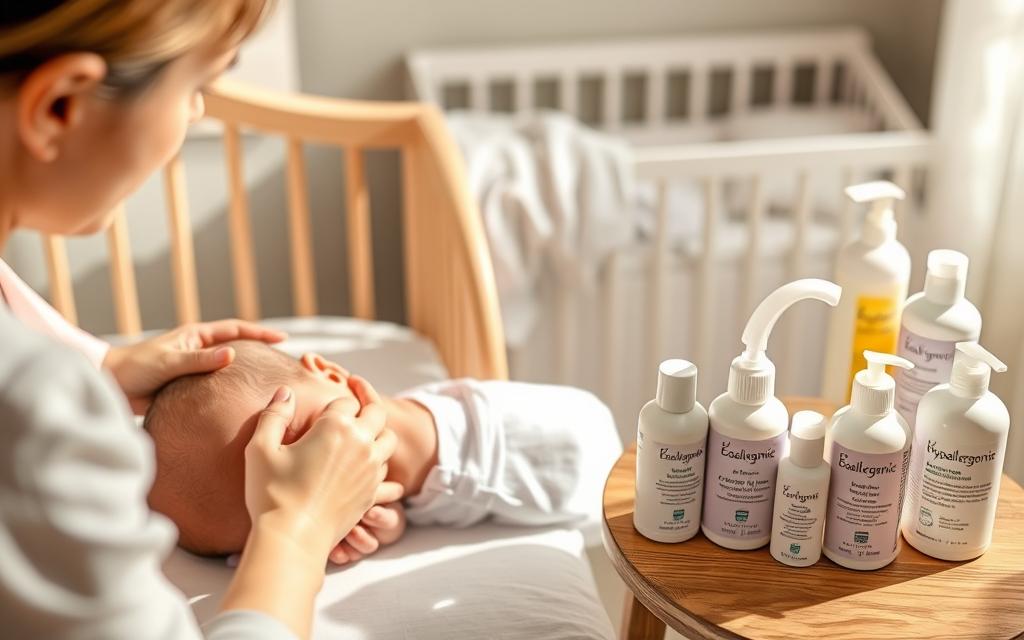
| Allergy Type | Likelihood of Outgrowing | Management Tips |
|---|---|---|
| Milk Protein Allergy | High | Breastfeeding mothers may need to avoid milk products; formula-fed babies might require a hypoallergenic formula. |
| Peanut Allergy | Low to Moderate | Avoid peanuts and peanut products; introduce peanuts gradually under medical supervision for some babies. |
| Eczema | Varies | Moisturize regularly; avoid triggers; use topical corticosteroids as prescribed. |
Conclusion: Supporting Your Newborn Through Allergies and Sensitivities
It’s important to know the signs of newborn allergies and sensitivities. This knowledge helps you care for your baby better. Symptoms can range from skin issues to digestive problems.
As a parent, being informed and proactive is essential. Work with your pediatrician to adjust your baby’s diet and environment. This way, you can manage their allergies and sensitivities effectively. Remember, each baby is unique, so what works for one might not work for another.
Helping your newborn with allergies and sensitivities takes patience and vigilance. With the right approach, your baby can overcome these challenges and grow well. Being aware of these signs is the first step to creating a healthier, happier space for your child.