Prenatal Supplements vs. Whole Foods: Which Wins?
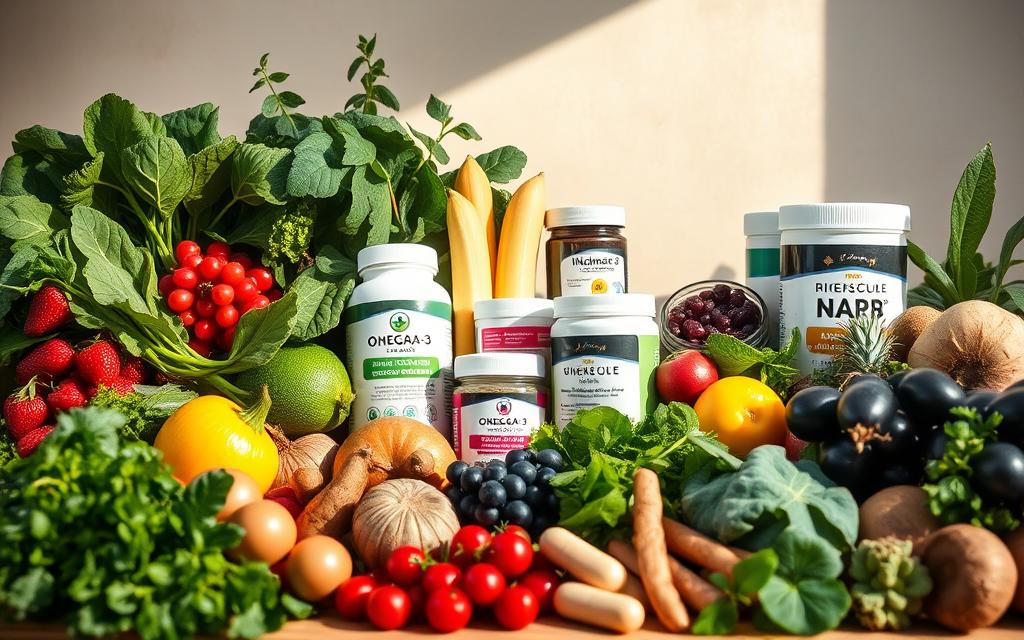
Nutrition is key during pregnancy. Expectant mothers often debate whether prenatal supplements or whole foods are better for getting needed nutrients.
Studies show that not getting enough vitamins can lead to pregnancy issues and health problems in babies. Some think prenatal vitamins are a must. Others believe that whole foods offer the right nutrients.
In this article, we’ll dive into the debate between prenatal supplements and whole foods. We’ll also look at why prenatal nutrition is vital for a healthy pregnancy.
Key Takeaways
- Pregnancy nutrition is crucial for fetal development.
- Prenatal supplements and whole foods have different benefits.
- A balanced diet is essential for a healthy pregnancy.
- The best prenatal vitamins can help fill nutritional gaps.
- Whole foods provide essential nutrients and fiber.
The Critical Importance of Prenatal Nutrition
Prenatal nutrition is key for the health and growth of the fetus. A balanced diet is essential for fetal development.
How Nutrition Affects Fetal Development
Nutrition affects fetal development by giving the needed building blocks for growth. Essential nutrients help form vital organs and systems.
Key Nutrients Needed During Pregnancy
Important nutrients include folate, iron, calcium, and DHA. These are crucial for preventing birth defects and supporting the baby’s development.
| Nutrient | Role in Pregnancy |
|---|---|
| Folate | Prevents neural tube defects |
| Iron | Supports red blood cell production |
| Calcium | Essential for bone development |
Consequences of Nutritional Deficiencies
Nutritional deficiencies can cause issues like low birth weight. They also increase the risk of pregnancy problems. It’s vital to ensure enough nutrition for a healthy pregnancy.
Understanding Prenatal Supplements
When a woman finds out she’s pregnant, she’s often told to start prenatal supplements. These supplements help keep both mom and baby healthy during this important time.
What Are Prenatal Supplements?
Prenatal supplements are special foods that pregnant women eat. They fill in any missing nutrients in their diet.
Common Ingredients in Prenatal Vitamins
These supplements have vitamins and minerals like folic acid, iron, calcium, and vitamin D.
Different Forms of Supplements
Prenatal supplements come in many forms to meet different needs and likes.
| Form | Description | Benefits |
|---|---|---|
| Pills/Capsules | Traditional tablet or capsule form | Easy to incorporate into daily routine |
| Gummies | Chewable, flavored supplements | More palatable for those who struggle with pills |
| Liquids | Supplements in liquid form | Can be easier to absorb; suitable for those with digestive issues |
The Power of Whole Foods During Pregnancy
Whole foods are key for a healthy pregnancy. They offer a mix of nutrients that support the baby’s growth and the mother’s health. This is different from supplements, which only give one nutrient at a time.
Nutrient Density of Whole Foods
Whole foods are packed with nutrient density. They have vitamins, minerals, and other good stuff. Foods like leafy greens, berries, and fatty fish are especially good for pregnant women.
Bioavailability of Nutrients from Food
The bioavailability of nutrients in whole foods is better than in supplements. This means our bodies can use these nutrients more easily from food.
Additional Benefits Beyond Vitamins and Minerals
Whole foods give more than just vitamins and minerals. They also have phytonutrients and other compounds. These support our health and well-being in many ways.
Phytonutrients and Their Importance
Phytonutrients in whole foods are very important during pregnancy. They have antioxidant properties. These can help protect against pregnancy complications.
Eating a variety of whole foods is good for pregnant women. It gives them the nutrients they need for a healthy pregnancy.
Prenatal Supplements vs. Whole Foods: Which Wins?
Expectant mothers often debate whether prenatal supplements or whole foods are better. The choice depends on several factors like nutrient sources, how well the body absorbs them, convenience, and cost.
Direct Comparison of Nutrient Sources
Prenatal supplements aim to give essential vitamins and minerals. Yet, “prenatal supplements vary widely in content, often containing only a subset of essential vitamins, and the levels are often below recommended levels.” Whole foods, on the other hand, offer a mix of nutrients, including phytonutrients and fiber, not found in supplements.
Absorption Differences
The body absorbs nutrients differently from supplements and whole foods. Nutrients in whole foods are often better absorbed because of the natural mix of vitamins and minerals. Supplements, however, can be harder to absorb due to their form and other substances that might block absorption.
Convenience Factors
Convenience plays a big role in choosing between prenatal supplements and whole foods. Supplements are quick and easy, especially for those with busy lives or dietary needs. But, whole foods can be made convenient with meal planning and prep.
Cost Analysis: Supplements vs. Nutrient-Dense Foods
The cost of prenatal supplements versus whole foods is another key factor. Supplements might seem cheaper at first, but a diet rich in whole foods can save money in the long run. Whole foods also offer more nutrients, which might reduce the need for extra supplements.
In conclusion, prenatal supplements and whole foods both have their pros and cons. A balanced approach that includes both might be the best way to get the right nutrients during pregnancy.
Essential Nutrients: Supplement vs. Food Sources
During pregnancy, getting the right nutrients is key. Pregnant women often use prenatal supplements and whole foods to meet their needs.
Folate/Folic Acid
Folate is very important during pregnancy. It helps prevent birth defects of the brain and spine.
Food Sources
Dark leafy greens like spinach and kale are full of folate. Legumes, citrus fruits, and fortified cereals also have it.
Supplement Forms
Folic acid is found in supplements. It’s key for preventing neural tube defects. Most prenatal vitamins have 600-800 mcg of it.
Iron
Iron is vital for making red blood cells. It supports the health of both the mother and the baby.
Food Sources
Red meat, poultry, fish, and beans are iron-rich. So are lentils and fortified cereals. Vitamin C helps increase iron absorption from plants.
Supplement Forms
Iron supplements are often given to pregnant women. Especially those with iron deficiency anemia. The daily amount needed is about 27 mg.
Calcium
Calcium is crucial for the baby’s bones and the mother’s bone health.
Food Sources
Dairy, leafy greens, almonds, and fortified plant-based milk are good calcium sources.
Supplement Forms
Calcium supplements are advised for those who don’t get enough from food. The daily amount needed is about 1,000 mg.
Vitamin D
Vitamin D helps with calcium absorption and bone health.
Food Sources
Fatty fish, fortified dairy, and some mushrooms are natural vitamin D sources.
Supplement Forms
Many pregnant women take vitamin D supplements. Especially in winter or with little sun.
DHA and Omega-3s
DHA is an omega-3 fatty acid important for the baby’s brain.
Food Sources
Fatty fish like salmon are rich in DHA. Walnuts and chia seeds also have omega-3s.
Supplement Forms
DHA supplements, often from algal oil, are popular. Especially for those who don’t eat enough fatty fish.
In conclusion, supplements and whole foods are both important for pregnant women. A balanced diet and targeted supplements can ensure the best health for both mother and baby.
The Bioavailability Question
The bioavailability of nutrients is key in figuring out if prenatal supplements or whole foods are better. Bioavailability means how well the body can use nutrients from what we eat.
How Your Body Absorbs Nutrients from Different Sources
Nutrient absorption is complex and depends on where the nutrient comes from. Whole foods have many nutrients that help each other get absorbed better. On the other hand, supplements have single nutrients that might not get absorbed as well.
Synthetic vs. Natural Forms
The type of nutrient, whether made in a lab or found naturally, affects how well it’s absorbed. Studies show that whole food prenatal vitamins are better absorbed than synthetic ones. This is because natural nutrients often come with helpers that make absorption easier.
Factors That Affect Absorption
Many things can change how well nutrients are absorbed. These include other nutrients, how healthy your digestive system is, and your genes. For example, vitamin C helps iron get absorbed, but calcium can stop it.
| Factor | Effect on Absorption |
|---|---|
| Presence of Vitamin C | Enhances iron absorption |
| Presence of Calcium | Inhibits iron absorption |
| Health of Digestive System | Affects overall nutrient absorption |
Nutrient Interactions and Combinations
Nutrients can affect each other’s absorption. Eating a variety of whole foods can help your body get the most out of nutrients. Some nutrients work together better, while others might not.
Knowing how nutrients interact is important for getting the most from prenatal nutrition, whether from supplements or whole foods.
Common Challenges with Prenatal Supplements
Using prenatal supplements during pregnancy can face several hurdles. These include side effects and concerns about quality. Despite their aim to support fetal growth, these supplements often encounter obstacles.
Side Effects and Tolerability Issues
Prenatal supplements can lead to side effects like nausea, constipation, and stomach pain. These problems can make it hard for pregnant women to stick to their supplement plan.
Quality and Purity Concerns
Prenatal supplements differ greatly in what they contain and their quality. Some may have harmful contaminants or allergens. It’s vital to check the quality and purity of these supplements.
Cost Considerations
The cost of prenatal supplements can be a big worry for some families. Prices vary a lot based on the brand and what’s in it.
Consistency and Compliance Challenges
Keeping up with prenatal supplements can be tough. Forgetfulness, side effects, or running out can cause gaps in taking them.
To tackle these issues, pregnant women should talk to their healthcare providers. They can help find the right prenatal supplement for each person. This way, they can avoid problems and get the most from their supplements.
Challenges of Getting All Nutrients from Food Alone
Many pregnant women struggle to get all the nutrients they need from food alone. Modern diets and lifestyle factors make it hard to get enough nutrients just from food.
Dietary Restrictions and Food Aversions
Dietary restrictions can limit the nutrients you get. For example, vegans need to focus on getting enough vitamin B12, iron, and omega-3 from plants. Food aversions during pregnancy can also lead to missing out on important nutrients.
Modern Food Quality Issues
Today’s food quality has decreased due to intensive farming and processing. This means foods often have fewer vitamins and minerals than they used to. Fruits and vegetables, for instance, may have less nutrition than before.
Time and Preparation Constraints
Busy lives make it hard to cook healthy meals. Relying on quick, processed foods can lead to missing out on nutrients. Planning meals ahead can help solve this problem.
Meeting Increased Nutritional Demands
Pregnancy boosts the need for certain nutrients. It’s hard to get these through food alone, especially for women with multiple pregnancies or short gaps between them.
| Nutrient | Increased Demand During Pregnancy | Food Sources |
|---|---|---|
| Folic Acid | 50% increase | Leafy greens, legumes |
| Iron | 100% increase | Red meat, poultry, fortified cereals |
| Calcium | 50% increase | Dairy, fortified plant-based milk |
What the Research Says: Evidence-Based Findings
Research on prenatal supplements and whole food nutrition is key to understanding their effects on pregnancy. Studies have given us insights into their benefits and limits.
Clinical Studies on Prenatal Supplements
Many studies have looked into prenatal supplements’ impact on pregnancy. They show that these supplements can help prevent issues like neural tube defects. For example, folic acid has been shown to greatly lower the risk of these defects.
Research on Whole Food Nutrition During Pregnancy
Whole food nutrition is also crucial during pregnancy. Whole foods offer essential nutrients and other good stuff like phytonutrients. Eating a diet full of whole foods can lead to better pregnancy outcomes and lower risks of complications.
Expert Consensus and Medical Guidelines
Health groups like the American College of Obstetricians and Gynecologists (ACOG) suggest a balanced diet as the main source of nutrients. They say supplements should only fill in the gaps. Experts agree that a mix of whole foods and supplements is best for prenatal nutrition.
Gaps in Current Research
Even with progress, there are still areas where research is lacking. We need more studies on the long-term effects of prenatal supplements and what makes up the best prenatal vitamins. More research will help give better nutrition advice for pregnant women.
Creating Your Optimal Prenatal Nutrition Plan
Creating a prenatal nutrition plan is key for a healthy pregnancy. It should fit your unique needs, considering your diet, health, and lifestyle.
Assessing Your Individual Needs
To make a good prenatal nutrition plan, you need to know your individual needs. Think about your health, diet, and any nutritional gaps. Consulting with a healthcare provider can help pinpoint what you need and how to get it.
Working with Healthcare Providers
Healthcare providers are crucial in making a prenatal nutrition plan. They guide on essential nutrients and check your nutrition during pregnancy. Regular visits can spot issues early.
Combining Approaches for Best Results
Using whole foods and prenatal supplements together is best. Whole foods give a wide range of nutrients. Prenatal supplements fill in any gaps.
Sample Meal Plans with Supplement Integration
Here’s a meal plan that includes prenatal supplements:
| Meal | Food | Supplement |
|---|---|---|
| Breakfast | Oatmeal with fruits and nuts | Prenatal vitamin |
| Lunch | Grilled chicken with vegetables | Iron supplement |
| Dinner | Salmon with quinoa and broccoli | DHA supplement |
By mixing a balanced diet with the right supplements, expectant mothers can meet their nutritional needs. This supports a healthy pregnancy.
Special Considerations for High-Risk Pregnancies
Women expecting a baby with high-risk pregnancy should focus on their diet. This is because high-risk pregnancies can be complicated by medical conditions, carrying twins, or being older. It’s important to plan their nutrition carefully.
Medical Conditions That Affect Nutrient Needs
Some medical issues, like gestational diabetes or high blood pressure, change what a pregnant woman needs to eat. For example, women with gestational diabetes should watch their carb intake. Those with high blood pressure might need to eat less salt.
| Medical Condition | Nutritional Consideration |
|---|---|
| Gestational Diabetes | Monitor carbohydrate intake |
| Hypertension | Limit sodium intake |
Multiple Pregnancies
Women expecting twins or more need more nutrients because they’re supporting more babies. They need more protein, iron, and other important nutrients.
Age-Related Nutritional Concerns
Women over 35 are considered advanced in age for pregnancy and are at higher risk. They might need more vitamins and minerals in their diet.
Genetic Factors and Personalized Nutrition
Genetics can also affect what a pregnant woman needs to eat. Some women might not be able to process certain nutrients well. They might need advice on their diet tailored to their genetic makeup.
Understanding these special needs can help women with high-risk pregnancies. It can lead to better health for both the mother and the baby.
Conclusion: Finding Your Balance
Finding the right balance between prenatal supplements and whole foods is key. Experts say whole food prenatal vitamins can help, but they shouldn’t replace whole foods.
A good approach to prenatal nutrition combines supplements with whole foods. This mix ensures expectant mothers get all the nutrients they need for health.
Understanding the importance of nutrients, supplements, and whole foods is crucial. Pregnant women can make better choices with this knowledge. They can work with healthcare providers to create a plan that fits their needs.
Getting the right balance between supplements and whole foods is essential for a healthy pregnancy. By making smart choices, expectant mothers can ensure the best nutrition for themselves and their babies.