Pregnancy Diet Trends: Plant-Based and Low-GI Foods
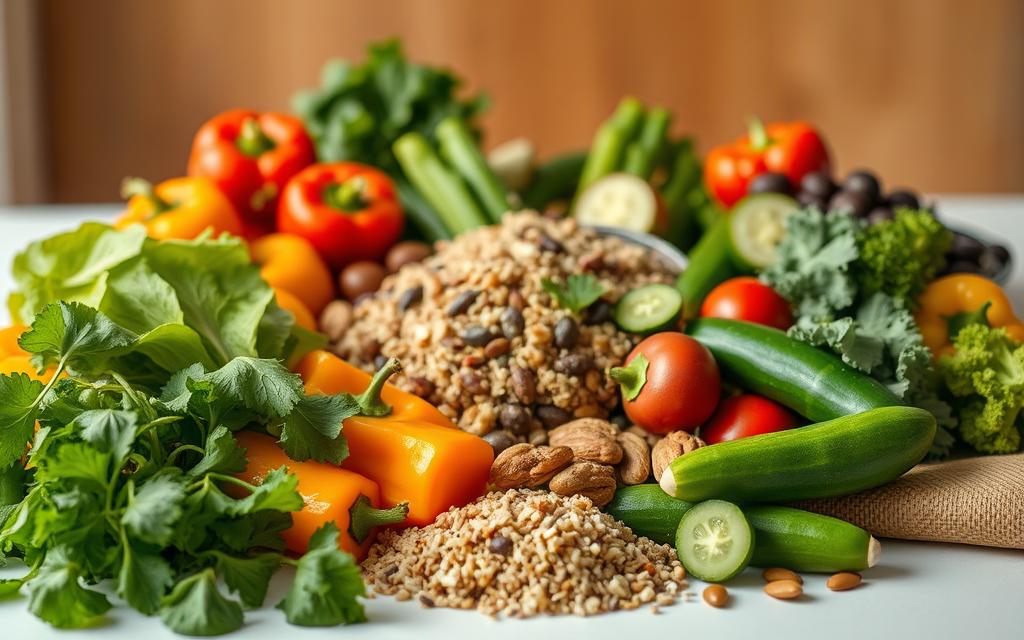
Eating well during pregnancy is key for the health of both mom and baby. A good diet helps the baby grow and keeps the mom feeling great. It’s all about balance.
Nowadays, more people are choosing plant-based diets and low-GI foods. These choices are good for health in general. They’re also great for pregnant women, providing important nutrients and keeping blood sugar stable.
Expectant moms want to eat right to support their baby’s growth. Learning about plant-based and low-GI foods is important. By adding these to their diet, women can help ensure a healthy pregnancy.
Key Takeaways
- Healthy eating is key during pregnancy for both mom and baby.
- Plant-based diets offer many health benefits.
- Low-GI foods help manage blood sugar levels.
- A balanced diet supports the baby’s growth and development.
- Incorporating plant-based and low-GI foods can lead to a healthier pregnancy.
The Evolving Landscape of Pregnancy Nutrition
The world of pregnancy nutrition is changing fast. This change comes from new studies and food trends. It shows how important good nutrition is for the baby and the mom.
Historical Perspectives on Pregnancy Diets
In the past, pregnancy diets were shaped by culture and not much science. People focused on gaining enough weight and fixing nutrient gaps. Prenatal diet tips were mostly based on old ways, not science.
Why Modern Pregnancy Diets Are Changing
Today’s pregnancy diets are different because of new nutrition knowledge. There’s more focus on eating foods rich in nutrients, managing weight, and following diets that help both mom and baby. This includes plant-based and low-GI diets.
The Science Behind Maternal Nutrition and Fetal Development
Studies prove that nutrition for pregnant women is key for the baby’s growth. Foods like folic acid, iron, and calcium are vital for avoiding birth defects and healthy baby growth. The science backs up the need for balanced diets for pregnant women.
Knowing the science behind nutrition helps expecting moms make better food choices. This leads to better health for both mom and baby.
Essential Nutritional Needs During Pregnancy
Pregnancy requires a lot of different nutrients. A balanced diet is key for the health of mom and baby.
Key Nutrients for Fetal Development
The baby grows thanks to the mom’s diet. Essential nutrients like folic acid, iron, calcium, and protein are vital.
Caloric Requirements by Trimester
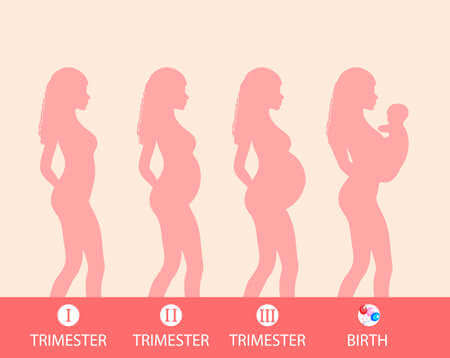
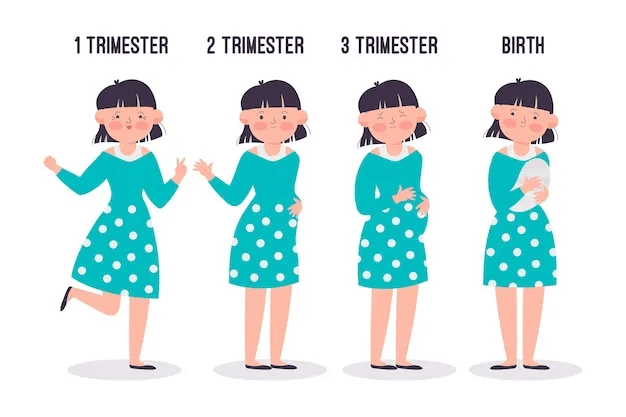
Calories needed change as pregnancy goes on. You don’t need more in the first three months. But, you’ll need more in the second and third.
| Trimester | Caloric Increase |
|---|---|
| First | No increase |
| Second | 340 calories/day |
| Third | 450 calories/day |
The Importance of Balanced Macronutrients
It’s important to balance macronutrients during pregnancy. This includes:
Protein Needs During Pregnancy
Protein is key for the baby’s growth. You should aim for about 71 grams a day.
Healthy Fats for Brain Development
Healthy fats, like omega-3s, are important for the baby’s brain.
Complex Carbohydrates for Sustained Energy
Complex carbs give you energy and are full of fiber, vitamins, and minerals.
A good Pregnancy Diet Plan balances these nutrients. It’s about making smart choices for a healthy pregnancy.
Pregnancy Diet Trends: From Plant-Based to Low-GI Foods
In recent years, pregnancy diet trends have changed a lot. Many women now choose plant-based and low-GI diets. This shows a growing interest in healthy eating and wanting to support fetal development through nutrition.
Overview of Current Popular Pregnancy Diets
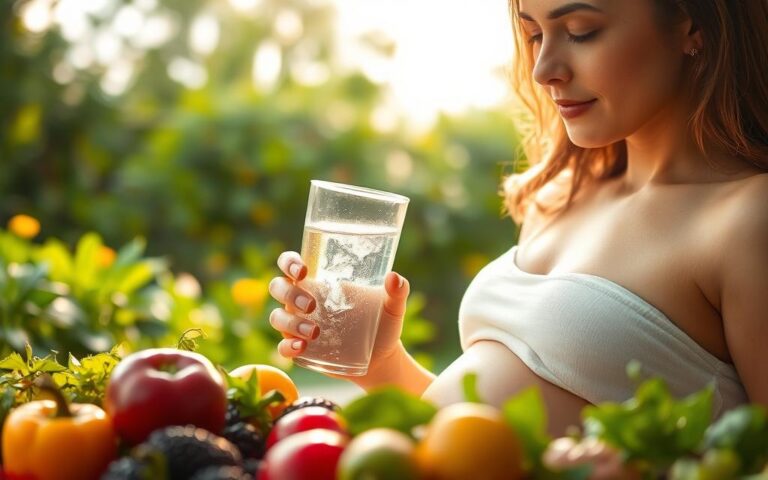
Today, pregnancy diet trends focus on whole and nutrient-rich foods. Plant-based diets are becoming more popular, with many women choosing vegetarian or vegan options during pregnancy. Also, low-GI (Glycemic Index) diets are being adopted to manage blood sugar and support healthy weight gain.
A study found that a well-planned plant-based diet offers health benefits for pregnant women. It can lower the risk of gestational diabetes and hypertension. The American Pregnancy Association also supports a balanced plant-based diet during pregnancy.
Scientific Evidence Behind Modern Trends
Research backs the benefits of plant-based and low-GI diets during pregnancy. A plant-based diet, rich in fruits, vegetables, and whole grains, provides essential nutrients and fiber. A low-GI diet helps manage blood sugar and reduces the risk of gestational diabetes.
“A low-GI diet during pregnancy can significantly reduce the risk of gestational diabetes and improve pregnancy outcomes,” according to a study published in the Journal of Nutrition.
Cultural Influences on Pregnancy Nutrition
Cultural background greatly influences dietary choices during pregnancy. Different cultures have unique traditional diets that affect nutritional intake. For example, some cultures focus on foods believed to support fetal development.
- Traditional diets rich in omega-3 fatty acids, such as those found in fatty fish, are common in coastal communities.
- Plant-based diets are more prevalent in cultures with a strong vegetarian or vegan tradition.
How Diet Trends Affect Mother and Baby
The dietary choices made during pregnancy significantly impact both mother and baby. A balanced diet supports fetal development and reduces the risk of pregnancy complications. For instance, a diet rich in essential nutrients supports the baby’s growth and development. A low-GI diet helps manage the mother’s blood sugar levels.
By understanding current diet trends and their implications, expectant mothers can make informed choices. This supports their health and their baby’s well-being.
Plant-Based Eating During Pregnancy: Benefits and Considerations
Eating plant-based during pregnancy has many benefits. It can improve health for the mom and help the baby grow well. A good plant-based diet gives many nutritional advantages.
Nutritional Advantages of Plant-Based Diets
Plant-based diets are full of important nutrients like folate, iron, and fiber. Folate is key because it helps prevent birth defects in the baby. Foods high in folate include spinach, kale, lentils, and chickpeas.
Addressing Potencial Nutrient Gaps
Even with many benefits, plant-based diets might miss some nutrients. These include vitamin B12, omega-3 fatty acids, and zinc. Vitamin B12 can be found in fortified plant-based milk or supplements. Omega-3s are in walnuts, chia seeds, and flaxseeds.
Plant-Based Protein Sources for Pregnant Women
Pregnant women need enough protein for the baby’s growth. Great plant-based protein sources are:
- Legumes (lentils, chickpeas, black beans)
- Nuts and seeds (almonds, chia seeds, hemp seeds)
- Whole grains (quinoa, brown rice)
- Soy products (tofu, tempeh)
Safely Transitioning to Plant-Based Eating During Pregnancy
To start a plant-based diet safely, talk to your healthcare provider. Make sure the diet is balanced and includes a variety of foods. This ensures you get all the nutrients you need.
Low-GI Foods and Blood Sugar Management in Pregnancy
Expectant mothers are often told to eat certain foods to manage blood sugar. This is because managing blood sugar is key for a healthy pregnancy. It affects both the mother and the baby.
Understanding Glycemic Index and Pregnancy
The glycemic index (GI) shows how fast foods raise blood sugar. Foods with a high GI increase blood glucose quickly. During pregnancy, knowing and controlling GI is vital to avoid gestational diabetes and keep a healthy pregnancy.
Low-GI foods digest slowly, causing blood sugar to rise gradually. This helps manage gestational diabetes and keeps energy levels up all day.
Benefits of Low-GI Eating for Gestational Diabetes Prevention
Studies show that eating low-GI foods can prevent gestational diabetes. Stable blood sugar levels reduce the risk of this condition. It’s linked to complications for both mother and baby.
Eating low-GI foods also helps control cravings and supports nutritional balance during pregnancy.
Top Low-GI Foods for Pregnant Women
Adding low-GI pregnancy foods to your diet is easy and tasty. Some great options include:
- Whole grain bread and cereals
- Non-starchy vegetables like broccoli and spinach
- Most fruits, such as apples and berries
- Legumes, including lentils and chickpeas
- Nuts and seeds
These foods are low on the GI scale and packed with nutrients. They are considered Pregnancy Superfoods.
Balancing Low-GI Eating with Other Nutritional Needs
While low-GI foods are good, it’s also key to meet all nutritional needs during pregnancy. This includes enough protein, healthy fats, and various vitamins and minerals.
A diet that includes low-GI foods and other nutrient-rich foods supports a healthy pregnancy. It’s about finding a balance that benefits you and your baby.
Common Misconceptions and Possible Risks of Trendy Pregnancy Diets
Exploring pregnancy diets can be tricky. It’s important to know the difference between trends and good advice. Expectant mothers need to watch out for the dangers in popular diets.
Debunking Pregnancy Diet Myths
Many myths about pregnancy diets are shared online and in person. Some think a low-carb diet is good during pregnancy. But, whole grains are key for fiber, vitamins, and minerals needed for the baby’s growth. Always trust experts and healthcare providers for diet advice.
“A well-balanced diet during pregnancy is not just about the mother’s health; it’s also about providing the necessary nutrients for the baby’s growth and development.”
When Trendy Diets May Be Harmful
Diets like extreme plant-based or very low-GI can be risky. For example, not enough vitamin B12 can cause problems. Pregnant women should talk to their healthcare provider before changing their diet.
| Dietary Approach | Potential Risks | Precautions |
|---|---|---|
| Extreme Plant-Based Diet | Vitamin B12 deficiency, Protein insufficiency | Consult a prenatal nutritionist, Supplement as necessary |
| Very Low-GI Diet | Restrictive eating, Nutrient imbalance | Balance with other nutritional needs, Monitor blood sugar levels |
Red Flags to Watch For in Pregnancy Nutrition Advice
Be careful of advice that promises quick fixes or guaranteed results. Always check information with trusted health groups or healthcare providers.
Working with Healthcare Providers on Dietary Choices
Pregnant women should team up with their healthcare providers to create a diet plan. This ensures the diet is safe and meets the needs of both the mother and baby.
By being informed and careful, expectant mothers can confidently choose the best diets for their health and their baby’s well-being.
Practical Implementation: Shopping Lists and Meal Prep Strategies
Pregnancy diet plans can be easier with good shopping lists and meal prep. Expectant mothers can really benefit from tips on following their chosen diets.
Budget-Friendly Plant-Based and Low-GI Shopping
Eating plant-based or low-GI foods doesn’t have to cost a lot. Here are some budget-friendly shopping tips:
- Buy in bulk: Grains, nuts, and dried fruits are cheaper in larger quantities.
- Seasonal produce: Choose fruits and vegetables that are in season for better prices.
- Plan meals around sales: Check weekly grocery ads and plan your meals.
Time-Saving Meal Prep for Busy Expecting Mothers
Meal prep is a big help for busy expectant mothers. Here are some strategies:
- Batch cooking: Prepare large batches of a single ingredient or entire meals.
- Slow cooker recipes: Use slow cookers for meals that simmer all day.
- Pre-cut vegetables: Many grocery stores offer pre-cut veggies for convenience.
Kitchen Tools That Make Healthy Eating Easier
The right kitchen tools can really help with meal prep. Some essential tools include:
| Tool | Benefit |
|---|---|
| Slow Cooker | Prepares meals that simmer all day, perfect for busy mothers. |
| Food Processor | Quickly chops, slices, and purees ingredients, saving time and effort. |
| Instant Pot | Pressure cooks meals quickly, retaining nutrients and flavors. |
Adapting Recipes to Meet Pregnancy Nutritional Needs
When adapting recipes, think about the nutritional needs during pregnancy. Make sure meals are full of folate, iron, and calcium. For example, add spinach to pasta sauces or use fortified plant-based milk to boost nutrition.
By using these practical strategies, expectant mothers can keep their diet healthy and balanced during pregnancy.
Creating a Personalized Pregnancy Diet Plan
Making a diet plan just for you during pregnancy can really help your health. A custom diet plan meets your special nutritional needs. It makes sure you and your baby get all the nutrients you need to grow well.
Sample Meal Plans Combining Plant-Based and Low-GI Approaches
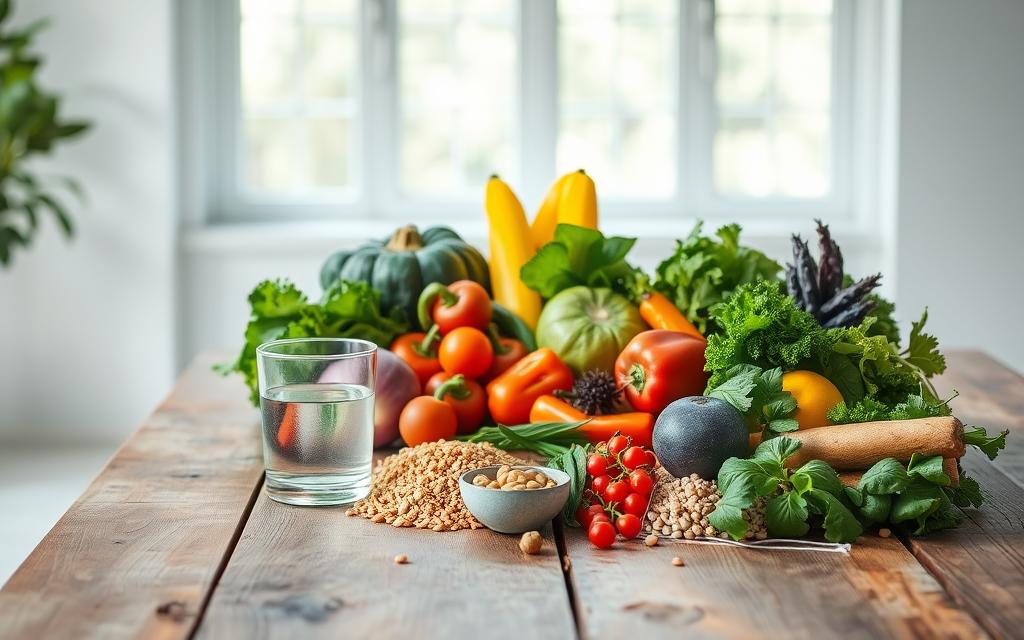
Eating plant-based and low-GI foods can give you a healthy diet during pregnancy. For example, a meal plan might include:
- Breakfast: Overnight oats with almond milk, chia seeds, and fresh berries
- Lunch: Quinoa salad with roasted vegetables, avocado, and a citrus vinaigrette
- Dinner: Grilled salmon with brown rice and steamed broccoli
These meals give you important nutrients. They also help keep your blood sugar stable and make you feel full.
Adapting Diet Plans for Each Trimester
Your nutritional needs change with each trimester. In the first trimester, eating foods rich in folate is key for your baby’s growth. In the second and third trimesters, focus on iron and calcium for your baby’s growth and your health.
Accommodating Food Aversions and Cravings
Food aversions and cravings are common in pregnancy. To deal with them, try to understand what you’re craving and find healthier options. For example, if you crave ice cream, try Greek yogurt with honey and fruit instead.
When to Consult with a Prenatal Nutritionist
While general advice is useful, every pregnancy is different. Talking to a prenatal nutritionist can give you personalized advice. This is key for women with health issues or carrying twins.
Conclusion: Nurturing Your Pregnancy Journey Through Mindful Eating
Expectant mothers need to focus on mindful eating in today’s world of Pregnancy Diet Trends. A diet rich in plant-based and low-GI foods is key for a healthy pregnancy.
Knowing your nutritional needs and staying updated on Pregnancy Diet Trends is vital. This knowledge helps women choose a balanced diet. It combines the good of plant-based and low-GI foods.
Mindful eating in pregnancy is more than just a diet. It’s about building a healthy food relationship that benefits both mom and baby. By making informed choices, expectant mothers can ensure their well-being and give their children a healthy start.