Prepare Your Body for a Healthy Pregnancy: Pre-Pregnancy Wellness

Getting your body ready for a healthy pregnancy is key for both mom and baby. A healthy pregnancy begins with a healthy body. It’s important to take the right steps to get there.
By focusing on pre-pregnancy wellness, you boost your chances of a healthy pregnancy and baby. This means making lifestyle changes and caring for your physical and mental health.
Key Takeaways
- Understand the importance of pre-pregnancy wellness for a healthy pregnancy.
- Learn how to prepare your body for a healthy pregnancy.
- Discover the lifestyle changes necessary for a healthy pregnancy.
- Find out how to take care of your physical and mental health before pregnancy.
- Get an overview of what to expect in the subsequent sections.
The Importance of Pre-Pregnancy Planning
The journey to a healthy pregnancy starts long before conception. Pre-pregnancy planning is key. It greatly affects the health of both parents and their future child.
Why Preparation Matters
Preparation is essential for a healthy pregnancy. Focusing on prenatal health before conception helps address health issues. A fertility diet full of nutrients boosts reproductive health, increasing the chance of a successful conception.
Timeline for Optimal Preparation
Pre-pregnancy planning should start 3 to 6 months before trying to conceive. This time is for lifestyle changes, health checks, and nutrition improvements. Understanding this period helps couples prepare for a healthier pregnancy.
Planning ahead and making smart health and lifestyle choices can greatly improve pregnancy chances. This leads to a better outcome for everyone involved.
Pre-Pregnancy Wellness: Preparing Your Body for a Healthy Baby
Starting with pre-pregnancy wellness is key to a healthy pregnancy. It’s important for women planning to conceive. It affects their reproductive health and their baby’s health.
The Foundation of Maternal Health
Maternal health is essential before pregnancy. It means managing health conditions, keeping a healthy weight, and eating right. These steps help lower the risk of pregnancy problems.
Setting Realistic Health Goals
Setting doable health goals is important. First, check your current health. Then, find areas to improve and set a timeline. Goals like better diet, more exercise, or stress reduction keep you on track.
Creating Your Pre-Pregnancy Checklist
A checklist helps you get ready for pregnancy. It should list things like a doctor’s visit, diet review, and starting prenatal vitamins. It also includes quitting bad habits. This way, you’re ready for a healthy pregnancy.
Essential Nutrition for Fertility and Conception
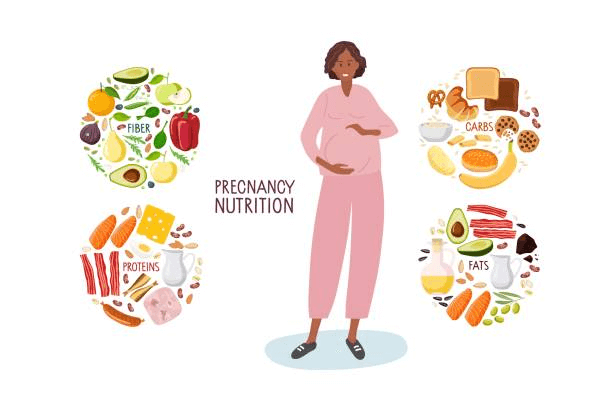
A well-balanced diet is key to boosting fertility and supporting conception. Foods rich in nutrients help prepare the body for pregnancy. It’s important to choose the right foods when trying to conceive.
Key Nutrients for Reproductive Health
Some nutrients are great for reproductive health. Folic acid, iron, calcium, and omega-3 fatty acids are essential. Folic acid prevents birth defects of the brain and spine. Iron helps make healthy eggs, and calcium is vital for hormone balance.
Omega-3 fatty acids boost hormone production and improve egg quality. Antioxidants like vitamins C and E protect eggs and sperm, making them more fertile. Foods high in antioxidants include berries, leafy greens, and nuts.
Foods to Embrace and Avoid
A fertility-friendly diet includes whole foods. Leafy greens, berries, and whole grains are packed with nutrients. Lean proteins like poultry and fish (low-mercury) are also good. Dairy or fortified plant-based milk provides calcium.
On the other hand, avoid foods that can harm fertility. Limit processed foods, sugary snacks, and high-caffeine beverages. A balanced diet is essential for reproductive health.
Meal Planning for Fertility
Good meal planning ensures you get the right nutrients for fertility. Add colorful vegetables and fruits to your meals. Include lean proteins and whole grains for a balanced diet.
Sample Fertility-Boosting Meal Plan
| Meal | Foods | Nutrients |
|---|---|---|
| Breakfast | Oatmeal with berries and nuts | Fiber, Antioxidants, Omega-3 |
| Lunch | Grilled chicken salad with leafy greens and avocado | Protein, Healthy Fats, Vitamins |
| Dinner | Baked salmon with quinoa and steamed vegetables | Omega-3, Protein, Vitamins, Minerals |
By eating nutrient-rich foods and avoiding processed and sugary ones, couples can boost their fertility.
The Role of Supplements in Preconception Care
Supplements play a key role in preconception care. They help ensure a healthy pregnancy. Understanding the benefits and safety of different supplements is important for couples planning to have a baby.
Prenatal Vitamins: When to Start
Prenatal vitamins support the health of both mom and baby. It’s best to start taking them three months before trying to conceive. Prenatal vitamins have folic acid, iron, calcium, and other important nutrients for a healthy pregnancy.
Folic Acid and Its Importance
Folic acid is a vital part of prenatal vitamins. It helps prevent neural tube defects like spina bifida. The neural tube forms early in pregnancy (within the first month), so it’s key to have enough folic acid from the start.
“Folic acid supplementation has been shown to reduce the risk of neural tube defects by up to 70%.”
Other Beneficial Supplements
Other supplements can also be helpful before pregnancy. Omega-3 fatty acids support brain development, and probiotics improve gut health. But, always talk to a healthcare provider before adding new supplements.
Supplement Safety Guidelines
Choosing the right supplements is important. Always check with a healthcare provider to find the best ones for you. Make sure the supplements come from trusted sources and follow the recommended amounts. This way, couples can enjoy the benefits of supplements safely.
Achieving a Healthy Weight Before Pregnancy
Getting to a healthy weight before pregnancy is key for reproductive health. It’s good for both mom and baby. A healthy weight means better fertility and fewer pregnancy risks.
BMI and Fertility Connection
Body Mass Index (BMI) plays a big role in fertility. Being too heavy or too light can mess with ovulation and getting pregnant. Staying in the normal BMI range helps with fertility and a healthy pregnancy.
Healthy Weight Loss Strategies
Women who are overweight should lose weight slowly. Eating well and exercising regularly helps. Always talk to a healthcare provider before starting any weight loss plan. They can make sure it’s safe and works.
Weight Gain for Underweight Women
Women who are underweight might need to gain weight for a healthy BMI. This should come from eating foods that are full of nutrients, not just more calories. A healthcare provider can help with a safe weight gain plan.
Exercise Routines to Boost Fertility
Regular physical activity is key for better fertility and health. It not only boosts reproductive health but also gets the body ready for pregnancy.
Best Workouts for Reproductive Health
Some exercises are better than others for fertility. Here are a few:
- Yoga: It makes you more flexible and lowers stress, which helps your reproductive health.
- Brisk Walking: It’s good for your heart and mood.
- Swimming: It’s easy on your body and improves blood flow and reduces swelling.
Exercise Intensity and Frequency
It’s best to do moderate exercise to boost fertility. Too much intense exercise can harm your reproductive health.
Try to do at least 30 minutes of moderate exercise every day, five days a week.
Activities to Avoid When Trying to Conceive
While exercise is good, some activities are not when you’re trying to conceive. Avoid:
- High-Impact Exercises: These put too much strain on your body.
- Excessive Heat: Stay away from hot yoga or saunas. They can harm sperm quality and ovulation.
Sample Weekly Workout Plan
Here’s a workout plan to help with fertility:
- Monday: 30-minute brisk walking
- Tuesday: Yoga for 45 minutes
- Wednesday: Rest day
- Thursday: Swimming for 30 minutes
- Friday: Cycling for 30 minutes
- Saturday: Yoga for 45 minutes
- Sunday: Rest day or light stretching

Medical Check-ups and Screenings Before Conception
Knowing your health before you get pregnant is key. Preconception care includes medical tests and screenings. These help find any health issues that could affect your pregnancy.
Essential Health Assessments
Before you try to conceive, getting a full health check is vital. This includes:
- Checking for any underlying medical conditions
- Reviewing your vaccination history
- Conducting blood tests to identify any infections or deficiencies
These tests help doctors spot any areas that need attention before you get pregnant.
Genetic Counseling Considerations
Genetic counseling is a big part of preconception care. It’s key for couples with a family history of genetic disorders. Counselors can help figure out the risk of passing on certain conditions to your child.
Managing Chronic Conditions
If you have a chronic condition like diabetes or hypertension, managing it before you get pregnant is critical. Working with your doctor to control your condition can greatly reduce risks during pregnancy.
Dental Health and Pregnancy Preparation
Dental health is often overlooked but is very important in preconception care. Gum disease has been linked to pregnancy complications. So, it’s essential to fix any dental issues before you conceive.
By tackling these areas, you can prepare your body for a healthy pregnancy. Preconception care is a proactive way to ensure a great start for your baby.
Lifestyle Modifications for Optimal Fertility
Making key lifestyle changes can greatly improve reproductive health. This can increase the chances of getting pregnant. By adopting healthier habits, you can boost your fertility and get ready for a healthy pregnancy.
Quitting Smoking and Alcohol
Smoking and drinking too much alcohol can harm fertility. Quitting smoking can make your reproductive health better. Reducing alcohol intake helps balance hormones. Both partners should stop these habits to increase their chances of getting pregnant.
Reducing Caffeine Intake
Too much caffeine can lower fertility. Cutting down caffeine to moderate levels can improve reproductive health. It’s best to have no more than 200mg of caffeine a day, which is about one 12-ounce cup of coffee.
Environmental Toxin Exposure
Exposure to toxins like pesticides and heavy metals can harm reproductive health. To reduce exposure, use non-toxic cleaners, avoid contaminated food, and wear protective gear when handling chemicals.
Sleep Quality and Fertility
Good sleep is key for hormonal balance and reproductive health. Aiming for 7-8 hours of sleep each night and keeping a regular sleep schedule can boost fertility. A calming bedtime routine can also improve sleep quality.
By making these lifestyle changes, you can greatly improve your reproductive health. This can increase your chances of a healthy pregnancy.
Mental Health and Stress Management
Understanding how mental health affects fertility is key to a healthy pregnancy. Managing stress and keeping your mind healthy are essential for optimal fertility.
Impact of Stress on Fertility
Too much stress can harm fertility by upsetting the body’s hormonal balance. This balance is vital for getting pregnant. Stress can also mess with ovulation and reproductive health.
Mindfulness and Relaxation Techniques
Mindfulness practices like meditation, yoga, and deep breathing can lower stress. These activities help relax and boost mental health, leading to a healthier pregnancy.
Building a Support System
Having a strong support network is key for managing stress and keeping your mental health in check. This can include family, friends, or support groups. Sharing your experiences and getting support can greatly reduce stress and feelings of isolation.
When to Consider Professional Support
If stress and mental health issues keep bothering you, it’s time to get professional help. Talking to a mental health expert can offer more ways to manage stress and help you have a healthy baby.
| Stress Management Technique | Benefits |
|---|---|
| Meditation | Reduces stress, improves mental clarity |
| Yoga | Enhances flexibility, reduces anxiety |
| Deep Breathing Exercises | Promotes relaxation, improves oxygen flow |
Partner’s Role in Pre-Pregnancy Wellness
Partners are key in pre-pregnancy wellness, helping the mother stay healthy and fertile. A healthy pregnancy is a team effort. Knowing how to help can make a big difference.
Male Fertility Factors
Male fertility depends on sperm quality, lifestyle, and health. Eating well, with lots of antioxidants and vitamins, can boost sperm health. “A healthy diet and lifestyle can greatly improve sperm quality,” a study found.
Lifestyle Changes for Partners
Partners can help by making lifestyle changes. Quitting smoking, drinking less, and staying fit are good starts. These steps help with fertility and a healthier pregnancy.
Creating a Supportive Environment
Support is vital for pre-pregnancy wellness. It means emotional support, managing stress, and sharing tasks. Mindfulness, counseling, or just being open and understanding can help.
Joint Preparation Activities
Doing things together can strengthen the bond and improve wellness. This includes going to preconception counseling, planning a fertility diet, and exercising together. Together, couples can get ready for a healthy pregnancy.
By understanding and using these tips, partners can actively support a healthy pregnancy. This makes the journey to parenthood smoother and more successful.
Tracking Fertility and Timing Conception
Tracking your fertility is a vital step in preparing your body for pregnancy. Knowing when you’re most fertile boosts your chances of getting pregnant.
Methods for Monitoring Ovulation
There are several ways to track ovulation, including:
- Tracking basal body temperature
- Observing changes in cervical mucus
- Using ovulation predictor kits
These methods help find the most fertile days in your cycle.
Fertility Apps and Tools
Fertility apps and digital tools make tracking ovulation easier and more accurate. Some popular options include:
- Apps that predict ovulation based on cycle data
- Wearable devices that track physiological changes
Optimal Timing for Intercourse
Timing intercourse around ovulation is key for conception. It’s best to have regular, unprotected sex five days before ovulation and on ovulation day itself.
When to Seek Specialist Help
If you’ve been trying to conceive for over a year without success, it’s time to see a fertility specialist. They can help improve your reproductive health and address any issues.
Conclusion: Your Journey to a Healthy Pregnancy
Starting your journey to a healthy pregnancy needs careful planning. Focus on Pre-Pregnancy Wellness to boost your chances of a healthy baby.
We’ve talked about key steps to get your body ready for pregnancy. This includes good nutrition, taking supplements, and maintaining a healthy weight. We also discussed the importance of lifestyle changes, medical check-ups, managing stress, and your partner’s role.
By adding these steps to your prenatal health routine, you’ll be ready for a healthy pregnancy. Remember, a healthy pregnancy is a team effort. By making smart choices about Pre-Pregnancy Wellness, you’re setting the stage for a positive outcome for you and your baby.