Postpartum Anxiety vs. Baby Blues: Spotting the Difference

Having a baby is a big change, but it can also bring emotional challenges. Many new moms feel sad, worried, or anxious after giving birth. These feelings are often called baby blues or postpartum anxiety.
Even though they share some symptoms, they are different. They need different ways to be helped.
It’s important for new moms to know the difference between postpartum anxiety and baby blues. This article will help you understand the symptoms, causes, and treatments of these mood disorders. We’ll focus on maternal mental health.
Key Takeaways
- Distinguishing between postpartum anxiety and baby blues is essential for proper care.
- Both conditions have different symptoms and require different treatments.
- Maternal mental health plays a significant role in the well-being of new mothers.
- Understanding these conditions can help new mothers receive the support they need.
- Recognizing the signs of postpartum anxiety and baby blues is the first step towards healing.
The Emotional Landscape of New Motherhood
Entering motherhood is often seen as a dreamy journey. But, the real experience can be much more complex. Many new moms feel a mix of emotions, from joy and excitement to anxiety and feeling overwhelmed.
The Reality Behind the Glow
People often think new moms should always be happy, known as the “glow” of new motherhood. But, this isn’t true for everyone. Many women face feelings of not being good enough, anxiety, and stress. These feelings can get worse because of the pressure to meet society’s expectations.
Common stressors for new moms include:
- Lack of sleep and physical recovery from childbirth
- Adjusting to new responsibilities and roles
- Pressure to breastfeed and concerns about baby’s health
- Changes in relationships with partners, family, and friends
Why Recognizing Your Mental Health Matters
It’s important for new moms to recognize signs of mental health issues. Postpartum mental health problems can be mild baby blues or serious conditions like postpartum depression and anxiety. Recognizing these problems is the first step to getting the help needed.
Here’s why mental health is key during this time:
- Early help can stop more serious mental health problems
- Good support can make moms and babies feel better
- Talking openly about mental health can help reduce stigma
What Are the Baby Blues?
Having a new baby can bring a mix of feelings, known as the baby blues. Many new moms go through this. It includes emotional and physical signs.
Common Symptoms and Experiences
The baby blues can affect everyone differently. But, they usually include emotional and physical signs.
Emotional Symptoms
Women might feel mood swings, be overwhelmed, or irritable. Some may also feel anxious or sad.
Physical Manifestations
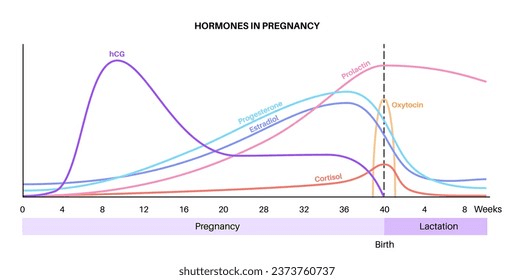
Physical signs can be changes in appetite, trouble sleeping, or feeling tired. These come from hormonal changes and adjusting to being a new mom.
Timeline and Natural Resolution
The baby blues start in the first few days after giving birth. They usually go away in a couple of weeks. Knowing this can help new moms get through this tough time.
| Symptom | Typical Timeline | Resolution |
|---|---|---|
| Mood Swings | Days 1-3 Postpartum | Resolves within 2 weeks |
| Fatigue | Days 1-7 Postpartum | Improves with rest and support |
| Anxiety | Days 2-5 Postpartum | Often resolves as hormones stabilize |
Knowing about the baby blues and their usual time frame can help new moms feel more ready. It also makes them feel less alone after having a baby.
Understanding Postpartum Anxiety
It’s key for new moms to grasp postpartum anxiety. This condition brings overwhelming fear or worry. Knowing its signs and symptoms is vital.
Recognizing the Signs and Symptoms
Postpartum anxiety shows in physical signs, thoughts, and actions. Spotting these signs helps in supporting new moms.
Physical Symptoms
Physical signs of postpartum anxiety include:
- Restlessness
- Difficulty sleeping
- Rapid heartbeat
- Trembling or shaking
Thought Patterns and Behaviors
Anxious thoughts and actions are also signs. These might be:
- Excessive worry about the baby’s health
- Fear of being a bad parent
- Difficulty concentrating
- Avoidance of certain situations
Types of Postpartum Anxiety Disorders
Postpartum anxiety can take different forms, each with its own traits.
Generalized Anxiety Disorder
Generalized anxiety disorder is about constant worry over daily issues.
Panic Disorder
Panic disorder causes sudden, intense fear attacks without warning.
Obsessive-Compulsive Disorder
Obsessive-compulsive disorder is about unwanted thoughts and compulsive actions.
| Disorder | Characteristics |
|---|---|
| Generalized Anxiety Disorder | Excessive worry about everyday things |
| Panic Disorder | Sudden feelings of terror |
| Obsessive-Compulsive Disorder | Recurring, unwanted thoughts and repetitive behaviors |
Postpartum Anxiety vs. Baby Blues: Spotting the Difference
It’s important for new moms to know the difference between postpartum anxiety and the baby blues. Both are common after having a baby, but they affect mental health and daily life differently.
Key Differentiating Factors
The main difference between postpartum anxiety and the baby blues is how severe and lasting the symptoms are. Also, how much they affect a mom’s daily activities.
Intensity and Duration
The baby blues are mild and usually go away within two weeks. Postpartum anxiety, on the other hand, has more severe symptoms that can last longer.
Impact on Daily Functioning
The baby blues might make a mom feel emotional, but they don’t stop her from taking care of herself and her baby. Postpartum anxiety, though, can make it hard for a mom to do these basic things.
When Normal Worry Becomes Clinical Anxiety
It’s normal for new moms to worry about their babies. But, if these worries turn into constant, scary thoughts that get in the way of daily life, it might be postpartum anxiety. Knowing when worry turns into clinical anxiety is important for getting the right help.
Spotting the difference between normal postpartum worries and serious conditions like postpartum anxiety is tough. But, it’s vital for making sure new moms get the support they need.
Postpartum Depression: The Third Piece of the Puzzle
Postpartum depression is often overlooked, even though it’s a serious issue. It’s different from the baby blues and postpartum anxiety. This condition can make it hard for a new mom to take care of herself and her baby.

It’s important to know about postpartum depression to help new moms. Unlike the baby blues, which are mild and short, depression is more serious. It can make a mom feel sad, hopeless, and lose interest in things she used to enjoy.
How Depression Differs from Anxiety and Baby Blues
Depression and anxiety have different symptoms. Depression makes a person feel sad and lose interest. Anxiety makes them worry too much. The baby blues are mild and usually go away in a couple of weeks. But depression can last for months if not treated.
The table below shows the main differences between depression, anxiety, and the baby blues:
| Condition | Primary Symptoms | Duration |
|---|---|---|
| Postpartum Depression | Sadness, hopelessness, loss of interest | Can last for months |
| Postpartum Anxiety | Excessive worry, fear | Can be persistent |
| Baby Blues | Mild sadness, mood swings | Typically resolves within 2 weeks |
When Multiple Conditions Overlap
Some new moms deal with more than one condition at once. This makes it harder to diagnose and treat. For example, a mom might have depression and anxiety at the same time.
Healthcare providers need to do thorough checks to figure out what’s going on. They then create a treatment plan that fits the mom’s needs. Knowing the differences and how they can mix together helps new moms get the right help during the postpartum time.
Risk Factors for Developing Postpartum Mood Disorders
It’s important for new moms and doctors to know about postpartum mood disorders. These can include anxiety and depression. Knowing the risk factors helps in spotting and treating these conditions early.
Biological and Hormonal Factors
Big changes in hormones happen after a baby is born. These changes can affect mood. Women who are sensitive to hormones might be more at risk. Also, thyroid problems after birth can lead to mood issues.
Personal and Family History
If a woman has had mental health problems before, she might face a higher risk. A family history of mental health issues also matters. Knowing this can help doctors give better support.
Social and Environmental Triggers
Things like lack of support, stressful events, and money problems can also raise the risk.
“The lack of a support system can exacerbate feelings of isolation and anxiety in new mothers.”
Seeking Professional Help
For many new mothers, asking for help is a big step. It shows you’re strong, not weak. It’s a key moment in your mental health journey.
When to Reach Out
If postpartum anxiety or depression is affecting your daily life, talk to your healthcare provider. Don’t wait until you feel overwhelmed. Early help can really help.
- Symptoms persist or worsen over time
- You have difficulty caring for yourself or your baby
- You experience thoughts of harming yourself or your baby
Assessment Process
Your healthcare provider will start by talking to you about your symptoms and health history. This is a safe space to share your feelings and concerns. They might also do a physical exam and/or a psychological test to check for other issues.
Overcoming Barriers
Many new mothers are scared to ask for help because of stigma or fear of being judged. It’s essential to remember that you’re not alone. Asking for help is a brave move towards healing.
“The most courageous act is to think for yourself. Aloud.” – Coco Chanel
Talking to your healthcare provider is the first step towards getting the support you need. Don’t let fear or stigma stop you from getting the help that can improve your mental health and overall well-being.
Treatment Approaches for Postpartum Anxiety
It’s important for new moms to know about treatment options for postpartum anxiety. Managing this condition requires a mix of therapy, medication, and other strategies.
Therapy Options
Therapy is key in treating postpartum anxiety. There are two main types:
- Cognitive Behavioral Therapy (CBT): Changes negative thoughts and behaviors.
- Interpersonal Therapy (IPT): Improves communication and relationships, great for new moms.
Cognitive Behavioral Therapy
CBT focuses on solving problems. It helps new moms deal with anxiety by changing how they react to stress.
Interpersonal Therapy
IPT helps with relationship issues that can lead to anxiety. It strengthens support systems for new moms.
Medication Considerations for Nursing Mothers
Some moms might need medication for anxiety. It’s important to think about the benefits and risks, mainly for those breastfeeding.
Talking to a healthcare provider is key to finding the right treatment.
Complementary and Integrative Approaches
There are also other ways to help manage anxiety. These include:
- Relaxation techniques like deep breathing and muscle relaxation.
- Mindfulness practices like meditation and yoga.
- Changing your lifestyle with regular exercise and a healthy diet.
These methods can help along with traditional treatments. They improve overall well-being.
Self-Care and Coping Strategies
Dealing with postpartum anxiety needs a full plan that includes self-care and coping strategies. New moms must focus on their health in this tough time.
Creating a Postpartum Wellness Plan
Making a wellness plan is a smart move for managing anxiety. It should have achievable goals, a support system, and ways to handle stress. A clear plan helps new moms face challenges head-on.
Building Your Support Network
Having a strong support network is key for new moms with anxiety. This group can include family, friends, doctors, and support groups. Having many people to talk to can really help.
Practical Daily Management Techniques
There are daily ways to fight postpartum anxiety. These methods fall into a few main areas:
Sleep Strategies
Getting a regular sleep schedule is important. Try to sleep when your baby does and make your sleep area cozy.
Nutrition and Movement
Eating well and doing gentle exercises can boost your mood. Food and exercise are big helpers for your mental health.
Mindfulness Practices
Practices like meditation and deep breathing can lower anxiety. They help you stay in the moment.
| Technique | Description | Benefits |
|---|---|---|
| Sleep Strategies | Consistent sleep routine, sleep when the baby sleeps | Reduces fatigue, improves mental clarity |
| Nutrition and Movement | Balanced diet, gentle exercise | Improves mood, enhances physical health |
| Mindfulness Practices | Meditation, deep breathing | Reduces anxiety, promotes relaxation |
“The most courageous act is to think for yourself. Aloud.” – Coco Chanel
By using these self-care and coping strategies every day, new moms can handle postpartum anxiety better. This improves their overall health and happiness.
Conclusion: The Path to Maternal Wellness
It’s key for new moms to understand the difference between postpartum anxiety and the baby blues. Knowing the signs and symptoms helps them get the help they need.
Putting maternal wellness first is vital for the whole family’s health. By recognizing risks and getting support, new moms can handle new mom stress and mental health issues.
Good treatments, like therapy and self-care, are important for postpartum mental health. Making a wellness plan and having a support network helps moms deal with anxiety and depression.
New moms need to know they’re not alone and help is out there. By spreading awareness and talking openly about postpartum mental health, we can build a supportive community. This community will help promote maternal wellness.