
Newborn Genetic Screening: Exploring the Benefits and Concerns
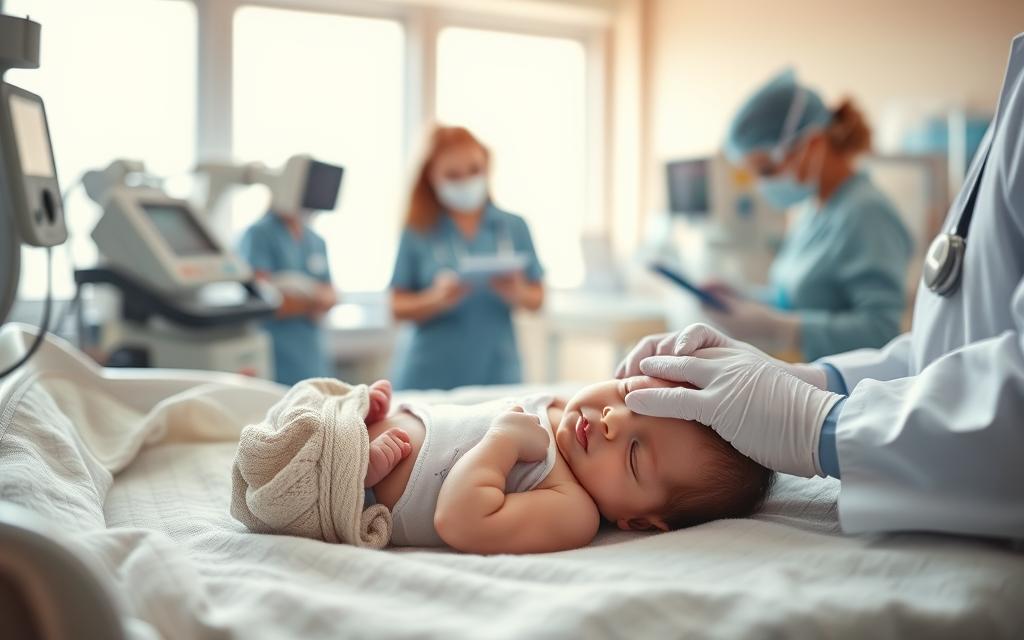
Newborn genetic screening is key to keeping newborns healthy. It tests for genetic disorders that can greatly affect a child’s life.
The role of genetic screening newborns is huge. It helps find problems early, leading to better care for kids.
But, newborn genetic testing also brings up worries. There are risks and big decisions to make after the test.
Key Takeaways
- Newborn genetic screening is essential for detecting genetic disorders early.
- Early detection through genetic screening newborns can lead to improved outcomes.
- Concerns regarding the risks and implications of newborn genetic testing need to be addressed.
- Careful consideration of test results is critical.
- Understanding the benefits and concerns is vital for informed decision-making.
The Current Landscape of Newborn Screening
Medical technology keeps getting better, changing how we screen newborns. This brings both good and bad changes.
More tests are now available, but not all states screen the same way. This makes things complicated.
Standard Screening Tests in the United States
In the U.S., newborn screening tests look for certain genetic and metabolic disorders.
These tests, done with a simple blood draw, can spot conditions like PKU, hypothyroidism, and sickle cell disease.
The Recommended Uniform Screening Panel (RUSP) suggests a set of tests for all states to follow.
Variations in Screening Across States
Even with the RUSP, test offerings vary greatly from state to state.
Some states add extra tests not on the RUSP list. Others might not test for all suggested conditions.
Mandatory vs. Optional Tests
The debate on mandatory versus optional tests is heated. Some say all newborns should get the same tests. Others think parents should have a say.
This shows we need a fair balance. We must weigh the benefits of screening against parents’ rights.
Understanding Genetic Screening for Newborns
Newborn genetic screening is a fast-growing field. It mixes old and new tech to find and fix health problems early. This helps keep babies healthy from the start.
Traditional Metabolic Screening vs. Genetic Testing
For years, metabolic screening has been the go-to for newborns. It uses the heel prick test to spot metabolic disorders. Genetic testing for infants looks at DNA to find genetic disorders. It gives a wider view of a baby’s health than traditional screening.
Technologies Used in Modern Newborn Screening
Today’s newborn screening uses many techs to catch health issues early. Two main ones are:
Heel Prick Tests and Blood Spot Analysis
The heel prick test takes a small blood sample from a newborn’s heel. It checks for metabolic disorders. Blood spot analysis has been key in newborn screening for years. It tells a lot about a baby’s health.
Advanced DNA Sequencing Methods
Advanced DNA sequencing methods are changing newborn screening. They let us look at a newborn’s genetic material. Whole-exome sequencing finds many genetic disorders, helping parents and doctors.
Genetic screening in newborns is very important. It combines old and new tech to understand a baby’s health better.
- Early detection of genetic disorders
- Improved health outcomes through timely intervention
- Enhanced parental awareness and preparedness
As newborn genetic testing gets better, it will be more key in caring for kids. It opens doors for early help and treatment.
The Evolution of Newborn Screening Programs
Newborn screening programs have grown a lot over time. They have seen big steps forward, starting with PKU testing.
The first test for newborns was the Guthrie test for phenylketonuria (PKU) in the 1960s. It was a big start for early disease prevention in babies.
Historical Development of Newborn Screening
After PKU testing, newborn screening grew to check for many more diseases. The Recommended Uniform Screening Panel (RUSP) helped make tests the same everywhere in the U.S.
Recent Advances in Screening Capabilities
New tech has let us screen for even more diseases. Tandem mass spectrometry and next-generation sequencing are key to better screening.
How the Recommended Uniform Screening Panel Evolved
The RUSP has changed over years, adding new tests based on science and advice. This growth has made newborn screening benefits better, helping more babies stay healthy.
Medical Benefits of Genetic Screening for Newborns
Genetic screening for newborns has many benefits. It helps find genetic disorders early. This way, doctors can start treatment right away, improving the child’s life a lot.
Early Detection and Intervention Opportunities
Genetic screening finds genetic conditions early. This means doctors can start treatment quickly. This treatment can change a child’s life for the better.
Early intervention is key in managing genetic disorders. For example, catching Phenylketonuria (PKU) early means a child can avoid severe brain damage by sticking to a special diet.
Preventing Serious Health Complications
Genetic screening can spot newborns at risk of serious health problems. This lets doctors take steps to prevent them. For instance, finding heart issues early can lead to surgery, saving lives.
| Condition | Early Detection Benefit | Potential Outcome Without Screening |
|---|---|---|
| Phenylketonuria (PKU) | Dietary management from birth | Severe intellectual disability |
| Congenital Heart Defects | Early surgical intervention | Heart failure, death |
| Cystic Fibrosis | Early treatment and management | Recurrent respiratory infections, malnutrition |
Success Stories and Positive Outcomes
Many success stories show how genetic screening helps. A newborn with a rare genetic disorder was treated early. This greatly improved their life.
Case Studies of Lives Saved Through Early Detection
A child with severe congenital hypothyroidism was caught early. Treatment with thyroid hormone stopped developmental delays. Now, the child lives a normal life.
These stories highlight the value of genetic screening for newborns. Finding conditions early can greatly improve outcomes and save lives.
Should All Newborns Be Genetically Screened?
The debate on universal genetic screening for newborns is intense. Medical professionals, parents, and ethicists are all talking about it. As genetic testing gets better, the question of screening all newborns is a big issue.
Arguments for Universal Screening
Those who support universal screening say it can catch health problems early. They think it can prevent serious issues. Screening all newborns could find genetic disorders early, allowing for quick medical help.
Some of the key benefits of universal screening include:
- Early detection of genetic disorders
- Potential prevention of serious health complications
- Improved health outcomes through timely intervention
Arguments Against Mandatory Testing
Those against mandatory screening worry about risks and implications. They say not all genetic conditions can be treated. They also think it could cause unnecessary worry for families.
Some of the concerns include:
- Potential for false positives or misinterpretation of results
- Unnecessary anxiety and stress for families
- Privacy and data protection concerns
Finding Middle Ground in the Debate
Some experts think there’s a middle way. They suggest letting parents choose if they want screening. This way, parents have control, and those who want screening can get it.
Opt-Out vs. Opt-In Approaches
The choice between opt-out and opt-in for newborn screening is key. Opt-out means screening all by default, with parents opting out if they want. Opt-in means parents must agree to screening.
In the end, deciding on universal screening for newborns needs careful thought. It’s about weighing the benefits and risks. It’s also about finding policies that work for everyone involved.
Ethical Considerations in Newborn Genetic Testing
Newborn genetic testing raises many ethical questions. It’s important to look at these issues closely. As genetic testing becomes more common, we must tackle the ethical challenges it brings.
Informed Consent Issues
One big concern is informed consent. Parents might not fully understand the tests or give consent right after birth. It’s key to make sure parents are well-informed.
Privacy and Data Protection Concerns
Privacy and data security are also major concerns. Protecting this sensitive info is vital to avoid misuse. The way genetic data is stored and handled must be very secure.

Balancing Parental Rights and Child Welfare
Genetic testing also brings up questions about balancing parental rights and the child’s welfare. Parents should have a say in their child’s health, but the state also cares about the child’s well-being. Finding a fair balance is essential.
Long-term Implications of Genetic Information
The long-term effects of genetic information from newborn screening are not clear. As kids grow, this info could affect their future health, insurance, and relationships. It’s important to think about these long-term effects in the debate about newborn genetic testing.
In conclusion, the ethics of newborn genetic testing are complex. We need a careful approach to weigh the benefits against the risks and ethical concerns.
- Ensuring informed consent from parents
- Protecting the privacy and security of genetic data
- Balancing parental rights with child welfare
- Understanding the long-term implications of genetic information
International Perspectives on Newborn Screening
Looking at newborn screening worldwide shows us it’s not the same everywhere. Countries use different methods based on their healthcare, culture, and technology. This makes each country’s approach unique.
Comparison of Screening Programs Worldwide
Newborn screening varies greatly across the globe. In the United States, a Recommended Uniform Screening Panel (RUSP) guides state programs. The UK focuses on fewer conditions. Poorer countries struggle to screen babies due to lack of resources.
Here’s a look at how different countries screen newborns:
| Country | Number of Conditions Screened | Screening Method |
|---|---|---|
| United States | 35+ | Tandem Mass Spectrometry |
| United Kingdom | 9 | Tandem Mass Spectrometry & other methods |
| Australia | 25+ | Tandem Mass Spectrometry & other methods |
Cultural and Social Factors Influencing Screening Policies
Culture and society shape newborn screening policies. For example, some countries have more genetic disorders due to family ties. This affects their screening focus.
“The cultural context in which newborn screening is implemented can significantly affect its acceptance and effectiveness.” –
Lessons from Different National Approaches
Studying how countries handle newborn screening offers insights. Countries with universal healthcare can screen more comprehensively. But, there’s a balance between screening benefits and ethical and financial limits.
Understanding global newborn screening efforts helps us see the challenges. It shows the need for tailored solutions. This perspective is key to deciding if all newborns should be screened.
Financial Aspects of Expanded Newborn Screening
Newborn genetic screening is growing, and so are the financial concerns. The cost of testing infants is a big issue for healthcare systems and families.
Cost-Benefit Analysis of Expanded Screening
The newborn screening controversy often focuses on cost versus benefit. Some say early detection is worth the cost. Others think it’s too expensive. We need a detailed look at the financial side.
A study found that making screening more effective can help. It suggested increasing the number of conditions tested and lowering the cost per test.
“Newborn screening is a cost-effective way to prevent serious health problems, but it requires careful planning and execution.”
Insurance Coverage and Accessibility Issues
Genetic screening newborns isn’t covered by all insurance, causing access problems for families. The lack of standard insurance coverage leads to unequal access to these tests.
Economic Impact on Healthcare Systems
Expanded newborn screening affects healthcare systems in many ways. There are costs for testing and follow-up care. But, there are also savings from avoiding serious health issues.
Public vs. Private Funding Models
The argument over public vs. private funding models for newborn screening continues. Some say public funding is key for everyone to have access. Others think private funding is more efficient.
Finding a balance between public and private funding might be the best solution. It could make sure screening is both accessible and affordable.
Psychological Impact on Families
When a newborn is diagnosed with a genetic condition, families face a big emotional challenge. The news can shock and upset them, causing anxiety and fear for the future.
Dealing with Positive Results
Getting positive results from newborn genetic testing is tough. Parents might feel guilty or worried about their child’s future. Healthcare providers should offer emotional support and clear guidance.
The Burden of Knowledge and Uncertain Findings
Genetic screening for babies can sometimes show unclear results. This uncertainty can stress families, making it hard for them to decide on their child’s care.
Support Systems for Affected Families
Families need strong support after newborn genetic screening. They should have access to genetic counseling resources for information and emotional help.
Genetic Counseling Resources
Genetic counseling is key for families to understand screening results. Counselors help with managing conditions, making decisions, and dealing with emotions. A genetic counseling expert says, “Genetic counseling is not just about explaining the diagnosis; it’s about supporting families through a very challenging time.”
“The role of genetic counselors is to empower families with knowledge and support, helping them navigate the complexities of genetic conditions.”
Families can find these resources through healthcare providers or organizations focused on genetic conditions.
The value of genetic screening in newborns is clear, but so is the emotional toll on families. With the right support and resources, we can help families through this tough time.
Conclusion: Balancing Benefits and Concerns in Newborn Screening
Newborn genetic screening is a complex issue. It has many benefits and concerns that need careful thought. The medical benefits are clear, like early detection and prevention of serious health issues. But, there’s a question about whether all newborns should be screened.
The debate on universal screening shows the need to weigh early detection against ethical, financial, and psychological concerns. It’s important to ensure informed consent, protect privacy, and support families. As screening programs grow, addressing these concerns is key to improving newborn health.
Understanding the benefits and implications of newborn screening helps us find a better approach. This approach prioritizes the well-being of newborns and their families. The debate on universal screening will continue, but with careful thought, we can manage its complexities.