Nesting Parties: An Eco-Friendly Take on Baby Showers
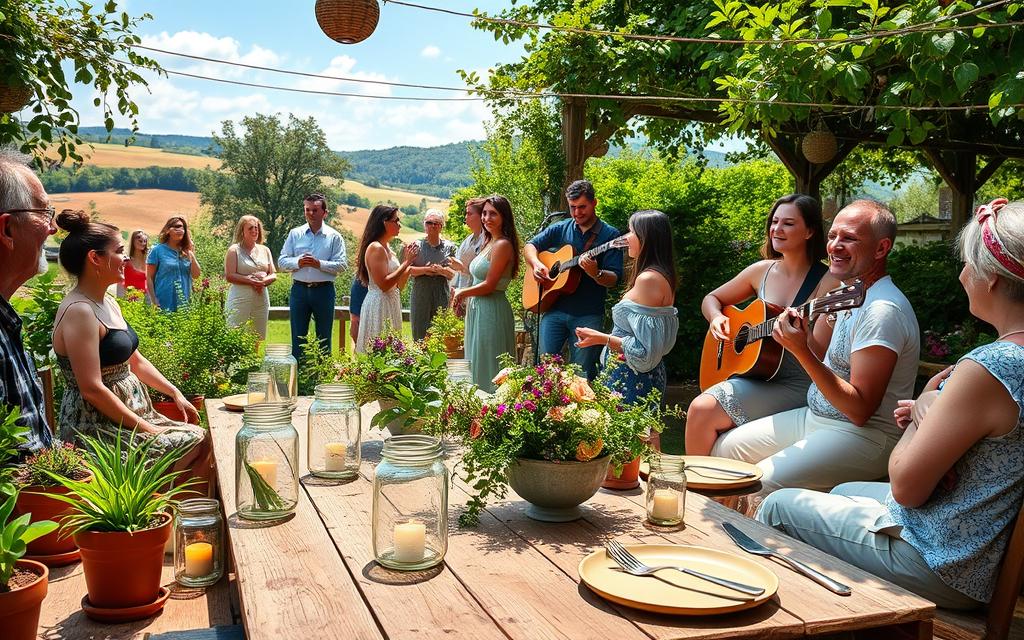
Celebrating a new baby’s arrival is a joy. Doing it in an eco-friendly way is now more popular. Nesting Parties are a green alternative to traditional baby showers. They aim to cut down on waste and encourage eco-friendly habits.
Hosting a Nesting Party can greatly lessen the environmental harm of your celebration. You can use digital invites, pick out green decorations, and choose gifts that are both useful and good for the planet. It’s a caring way to welcome a new baby while teaching them about caring for our planet from the start.
Key Takeaways
- Choose digital invitations to reduce paper waste.
- Opt for sustainable decorations that can be reused.
- Select gifts that are eco-friendly and meaningful.
- Focus on experiences over material gifts.
- Use the celebration to teach about sustainability.
What Are Nesting Parties?
Nesting parties are changing how we celebrate new beginnings. They focus on community and being green. Expectant parents are choosing these events for their deeper meaning and eco-friendly approach.
The Origin and Philosophy Behind Nesting Parties
Nesting parties aim to create a supportive community for new parents. They help build a sense of belonging among friends, family, and the expecting couple. This approach values sustainable living and eco-friendly practices to lessen the environmental impact of celebrations.
“Nesting parties are not just about celebrating a new life; they’re about building a community that values sustainability and mutual support.”
How They Differ from Traditional Baby Showers
Nesting parties differ from traditional baby showers. They focus on community building and environmental stewardship, not just on gifts. The table below shows the main differences:
| Aspect | Traditional Baby Showers | Nesting Parties |
|---|---|---|
| Focus | Gift-giving and material preparations | Community building and environmental stewardship |
| Decorations | Often involves disposable decorations | Reusable and biodegradable decorations |
| Food and Beverages | May include a lot of packaged or processed food | Locally sourced, seasonal, and sustainable options |
Nesting parties celebrate the upcoming arrival while also helping the planet.
Nesting Parties: The Eco-Friendly Alternative to Baby Showers
As we become more eco-aware, our celebration methods are changing. Traditional baby showers often lead to a lot of waste. Nesting parties, with their focus on community and quality, are a greener choice.
Environmental Impact of Traditional Baby Showers
Traditional baby showers can harm the environment a lot. This is mainly because of single-use decorations, too many gifts, and food waste.
Single-Use Decorations and Their Footprint
Decorations like balloons and disposable plates add a lot to waste. They’re used once and then thrown away, ending up in landfills or as litter.
Gift Excess and Packaging Waste
The tradition of giving gifts at baby showers can lead to too many items and a lot of packaging waste. Many gifts come wrapped in non-recyclable materials and have plastic packaging.
Food Waste Concerns
Food waste is a big issue at traditional baby showers. Often, more food is made than eaten, leading to unnecessary waste. Better planning could help avoid this.
The Sustainable Approach of Nesting Parties
Nesting parties are more eco-friendly. They focus on community, quality, and long-term environmental benefits.
Community-Centered Philosophy
Nesting parties build a community around the expecting parents. They focus on support, not material gifts. This reduces waste and fosters a supportive environment.
Focus on Quality Over Quantity
Nesting parties encourage meaningful, well-made items or experiences. This approach means fewer, but more significant gifts.
Long-Term Environmental Benefits
The sustainable practices of nesting parties help the environment in the long run. They reduce waste and lower carbon footprints.
Nesting parties mark a big shift towards more eco-friendly celebrations. They align with our growing desire to lessen our environmental impact while celebrating life’s big moments.
Planning Your Eco-Friendly Nesting Party
Planning a green parenting event is a thoughtful way to bring loved ones together. It’s also a step towards being more sustainable. As you prepare for your baby’s arrival, think about the environmental impact of your choices.
Setting a Date and Creating a Guest List
The first steps are setting a date and making a guest list for your eco-friendly baby shower. Pick a date that doesn’t clash with other events. This avoids last-minute, wasteful arrangements. Keep your guest list small to cut down on waste and energy use.
Choosing a Sustainable Venue
Choosing a venue is key for an environmentally conscious party. Look for places that naturally need less decoration or energy.
Outdoor Locations and Natural Settings
Outdoor spots like parks or your backyard are great. They offer a natural setting, cutting down on the need for fake decorations.
Eco-Conscious Indoor Venues
If an outdoor spot isn’t possible, choose indoor venues with green practices. Look for places that use renewable energy or have recycling programs.
Digital vs. Paper Invitations
Deciding between digital and paper invitations affects your event’s environmental impact. Think about the pros of each.
Paperless Invitation Options
Digital invitations are a smart, waste-free choice. They’re easy to track, and you can manage RSVPs online.
Eco-Friendly Paper Alternatives
If you like physical invitations, go for recycled or sustainably sourced paper. Make sure the ink is eco-friendly too.
By making smart choices at every step, you can host a truly eco-friendly baby shower. It celebrates your new baby and shows your commitment to the planet.
Sustainable Decorations for Your Nesting Party
Creating a beautiful and eco-conscious nesting party is easier than you think. By choosing sustainable decorations, you can significantly reduce the environmental impact of your celebration.
Reusable and Biodegradable Decoration Ideas
Opting for reusable and biodegradable decorations is a great way to make your nesting party more eco-friendly. Here are some creative ideas:
Natural Elements as Decor
Use natural elements like flowers, branches, and leaves to create stunning decorations. These elements are not only biodegradable but also add a touch of nature to your party.
Borrowed or Rented Items
Consider borrowing or renting decorative items instead of buying new ones. This approach reduces waste and can be cost-effective.
Plantable Decorations
Plantable decorations, such as seed paper flowers or herb planters, are a wonderful way to decorate your party. They give your guests a lasting memory to plant at home.
DIY Eco-Friendly Decor Projects
Engaging in DIY eco-friendly decor projects can be a fun and creative way to personalize your nesting party. Here are some ideas to get you started:
Upcycled Banner Tutorials
Create a beautiful banner using recycled materials like old cards, fabric scraps, or newspaper. There are many tutorials available online to guide you through the process.
Cloth-Based Decorations
Use cloth napkins, tablecloths, and other fabric items to create a warm and inviting atmosphere. These can be reused multiple times, reducing the need for disposable decorations.
Seed Paper Crafts
Make decorations using seed paper, which can be planted to grow wildflowers or herbs. This is a unique and eco-friendly way to add a personal touch to your party.
By incorporating these sustainable decoration ideas into your nesting party, you’ll not only reduce waste but also create a memorable and earth-friendly celebration.
Earth-Friendly Food and Beverages
Making your nesting party more sustainable is easy. Just think about your menu and drinks. The food at these events brings people together and affects the environment. Choosing eco-friendly options can make your party memorable and good for the planet.
Local and Seasonal Menu Planning
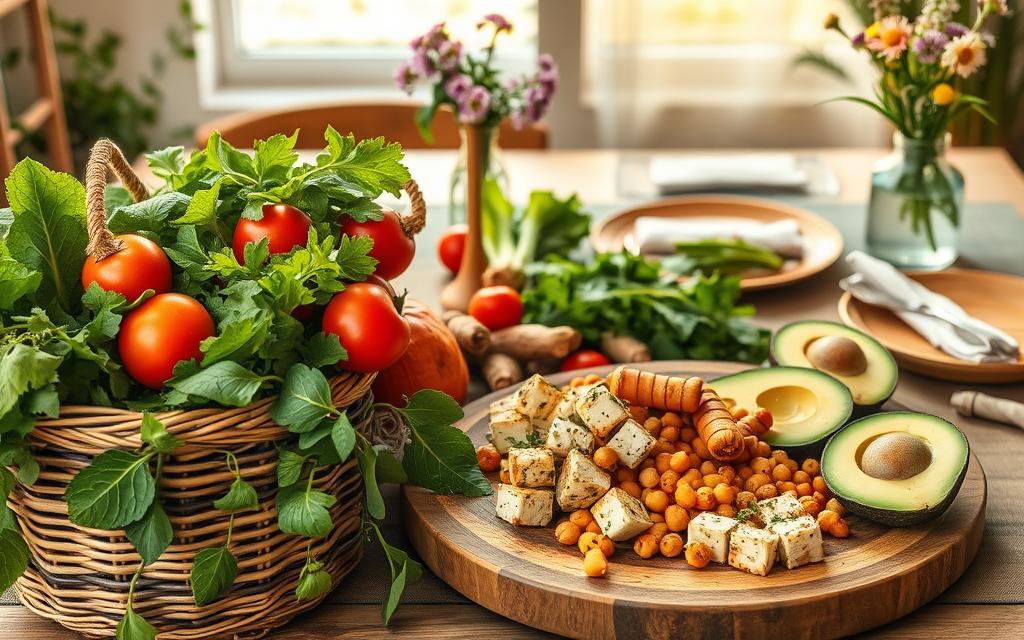
Using local and seasonal ingredients is key. It makes food fresh and tasty. It also cuts down on carbon emissions from transport.
Working with Local Vendors
Team up with local farmers and vendors. This gives you fresh produce and supports the local economy. It also reduces the need for long-distance food transport.
Seasonal Recipe Ideas
Seasonal ingredients spark creativity in cooking. For a summer party, try dishes with berries, corn, and tomatoes. In winter, go for root veggies, squash, and citrus.
Reducing Food Waste
Reducing waste is vital for an eco-friendly party. Good planning can cut down on food waste.
Accurate Portion Planning
Guessing the right food amount per guest is key. A bit extra is okay, but not too much.
Leftover Management Strategies
Plan for leftovers by donating or composting. Ask guests to take food home too.
Sustainable Serving Options
The way you serve food matters too. Choosing the right dishes can help a lot.
Reusable Dishware Solutions
Reusable dishes, cups, and utensils are best. If not possible, go for compostable or sustainable materials.
Compostable Alternatives
If you must use disposable items, choose compostable ones. They break down better than plastics, reducing waste.
Meaningful Activities for Nesting Parties
A nesting party is all about joy and caring for our planet. To make it special, we need to add meaningful activities.
Community-Building Rituals
At the heart of a nesting party are rituals that build community. They help guests feel connected and support each other. These activities honor the expecting parents and create a network of care.
Blessing Ways and Affirmation Circles
Blessing ways and affirmation circles are powerful. Guests share their wishes and encouragement for the new family. This creates a caring space for the parents-to-be.
Collective Wisdom Sharing
Collective wisdom sharing lets guests share their experiences. It’s a chance for the expecting couple to learn from others. This can be through stories, advice cards, or group discussions.
Skill-Sharing Workshops
Skill-sharing workshops are practical and fun. They help new parents learn important skills. Workshops can cover baby care and sustainable parenting.
Baby Care Basics
Baby care basics workshops teach essential skills. Guests learn about diapering, bathing, and soothing. These sessions are both informative and reassuring.
Sustainable Parenting Techniques
Sustainable parenting workshops focus on eco-friendly practices. Guests learn about cloth diapering and natural products. These workshops help parents make green choices.
Creating Keepsakes with Natural Materials
Creating keepsakes with natural materials adds a personal touch. Activities like making botanical prints or contributing to a community quilt are meaningful. They result in treasured mementos.
Botanical Prints and Impressions
Botanical prints and impressions use natural materials like leaves and flowers. This activity is creative and connects the celebration to nature.
Community Quilt or Blanket Projects
Community quilt or blanket projects bring guests together. They create a cozy, handmade item for the new baby. This collaborative effort shows the love and warmth for the child.
| Activity | Description | Benefits |
|---|---|---|
| Blessing Ways | Sharing well-wishes for the new family | Creates a supportive community |
| Skill-Sharing Workshops | Practical skills for new parents | Empowers parents with knowledge |
| Botanical Prints | Creating art with natural materials | Personalized keepsakes, connects to nature |
Eco-Conscious Gift Ideas and Registry Alternatives
Nesting Parties are a chance to change how we give gifts. Instead of focusing on material gifts, we can choose more sustainable options. This shift is perfect for welcoming a new baby.
Second-Hand and Upcycled Baby Items
Choosing second-hand and upcycled baby items is good for the planet. These gifts reduce waste and add a personal touch to your Nesting Party. They also help cut down on the need for new, resource-heavy products.
Quality Assessment Guidelines
When picking second-hand items, check their quality. Look for durable materials and make sure they’re clean and safe. Think about if the gift can last long or be passed on later.
Where to Find Pre-Loved Treasures
You can find great second-hand items at local thrift stores, online, or through community groups. Websites and apps for second-hand baby goods are also good resources. Local social media groups can lead you to hidden treasures.
Experience Gifts and Service Exchanges
Experience gifts and service exchanges are thoughtful alternatives to physical presents. They create memories and offer practical help to new parents.
Meal Trains and Childcare Circles
Setting up a meal train or childcare circle is a kind way to help new parents. These services give them food and care, easing the stress of having a new baby.
Skill-Based Offerings
Gift skills like baby massage, breastfeeding support, or household help. These are priceless to new parents facing the challenges of caring for a newborn.
Creating a Green Registry
For those who like registries, a green registry is a great choice. It helps guests pick eco-friendly gifts. Choose brands that care about the environment.
Ethical and Sustainable Brands
Search for brands that use eco-friendly materials and support fair labor. Patagonia is good for outdoor gear, and Bambo Nature offers eco-friendly baby products.
Minimalist Essentials List
A minimalist registry lists only the essentials. This approach reduces waste and makes gift-giving more thoughtful. It focuses on what’s truly needed.
Reducing Waste at Your Nesting Party
An eco-friendly baby shower is more than a theme. It’s a way to lessen our environmental impact. When planning your party, think about how to cut down on waste.
Zero-Waste Party Planning Tips
First, do a waste audit to find out where you can cut down. Look at the waste your party creates, like food, paper, and disposable decorations.
Waste Audit and Prevention Strategies
To reduce waste, use prevention strategies. Avoid single-use plastics, pick products with less packaging, and go for digital invites instead of paper ones.
Digital Documentation Instead of Paper
Choosing digital over paper is a big step in reducing waste. Use digital invites and consider a digital guest book or a shared online document for messages.
Composting and Recycling Stations
Having composting and recycling stations can cut down landfill waste. Make sure to have clear signs so guests know how to sort their waste.
Setting Up Effective Sorting Systems
A good sorting system is key for composting and recycling. Use bins labeled for different waste types. Have a special area for food waste composting.
Educating Guests About Proper Disposal
Teaching your guests about proper disposal is important. Give them clear instructions on what can be composted or recycled.
| Waste Reduction Strategy | Implementation Tip |
|---|---|
| Conduct a waste audit | Identify areas of waste generation |
| Use digital documentation | Reduce paper waste with digital invites and guest books |
| Set up composting and recycling stations | Use clear signage for sorting waste |
Cultural Considerations and Inclusive Practices
Creating an inclusive atmosphere at a Nesting Party means honoring diverse traditions. When we celebrate new beginnings, we must consider everyone’s cultural backgrounds and needs.
Honoring Diverse Traditions
To respect cultural elements, consider these steps:
- Research and Understanding: Learn about your guests’ cultural practices to include them meaningfully.
- Inclusive Decor: Use decorations that show a variety of cultural heritages, making everyone feel welcome.
Incorporating Cultural Elements Respectfully
It’s important to involve guests from different backgrounds in planning. This ensures their traditions are shown accurately and with respect.
Blending Eco-Values with Traditional Practices
Combining eco-friendly practices with cultural traditions makes Nesting Parties vibrant. For example, using biodegradable materials for decorations can go well with traditional attire or rituals.
Making Your Nesting Party Accessible to All
To make your Nesting Party accessible, consider both physical and economic aspects.
Physical Accessibility Considerations
- Choose a venue that’s easy to reach by public transport and has facilities for guests with disabilities.
- Make sure the venue is easy for everyone to navigate, with clear paths and accessible restrooms.
Economic Inclusivity Approaches
To make your Nesting Party affordable for all, think about these ideas:
- Potluck-style meals where everyone contributes.
- DIY activities that are fun and don’t cost much.
By embracing cultural diversity and inclusivity, Nesting Parties can symbolize community and sustainability. Let’s celebrate new beginnings in a way that honors our differences and strengthens our bonds.
Real-Life Examples: Successful Eco-Friendly Nesting Parties
Celebrating a new baby is special with eco-friendly nesting parties. These events are good for the planet and bring people together.
Case Studies and Testimonials
Many eco-friendly nesting parties have shown us how to celebrate sustainably. Let’s look at a couple of examples.
Urban Apartment Nesting Gathering
In a busy city, a family had a zero-waste baby shower in their small apartment. They sent out digital invites, reused decorations, and served food from local farms. Guests loved the cozy feel and the hosts’ green efforts.
Rural Community Celebration
In the countryside, another family threw a nesting party that drew the community in. They used compostable plates, had a potluck, and set up a recycling station. It was a hit for being green and bringing people together.
Lessons Learned and Practical Tips
These examples show that any party can be green with a bit of creativity. Here are some tips and lessons from hosting eco-friendly parties.
Common Challenges and Solutions
One big challenge is cutting down on waste. Use reusable or biodegradable stuff for decorations and plates. For food, choose local and seasonal items.
“The key to a successful eco-friendly nesting party is planning. From digital invitations to sustainable serving options, every detail counts.”
Unexpected Benefits Reported
Hosts of eco-friendly parties often find benefits they didn’t expect. They feel closer to their community and more fulfilled. Guests love the effort to be green, making the party more memorable.
By choosing eco-friendly nesting parties, we help the planet and celebrate life. As one host said, “It’s not just about the baby; it’s about the world we’re bringing them into.”
Conclusion: Embracing Sustainable Celebration for New Beginnings
Nesting Parties are a new way to celebrate baby showers, focusing on being green. They let expectant parents start their journey in a way that’s good for the planet.
An Environmentally Conscious Party is more than a trend. It’s a way to show love for the planet that will welcome a new family. With reusable decorations and local food, every choice makes the event special and meaningful.
Eco-Friendly Baby Showers, like Nesting Parties, connect us with nature and build community. They show us that green celebrations are key to the future of life events.
Hosting an Eco-Friendly Baby Shower or Nesting Party is more than just reducing waste. It sets a good example for everyone. Let’s work together to make celebrations better for our planet.