Navigating Asian Pregnancy Nutrition Myths
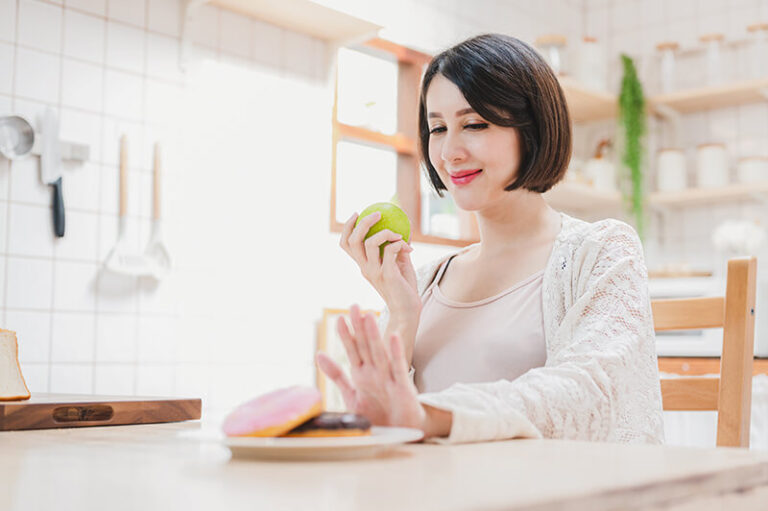
Pregnancy is a time when women are eager to learn about health, especially diet. But, there’s so much information out there. Many women find themselves caught between myths and real facts.
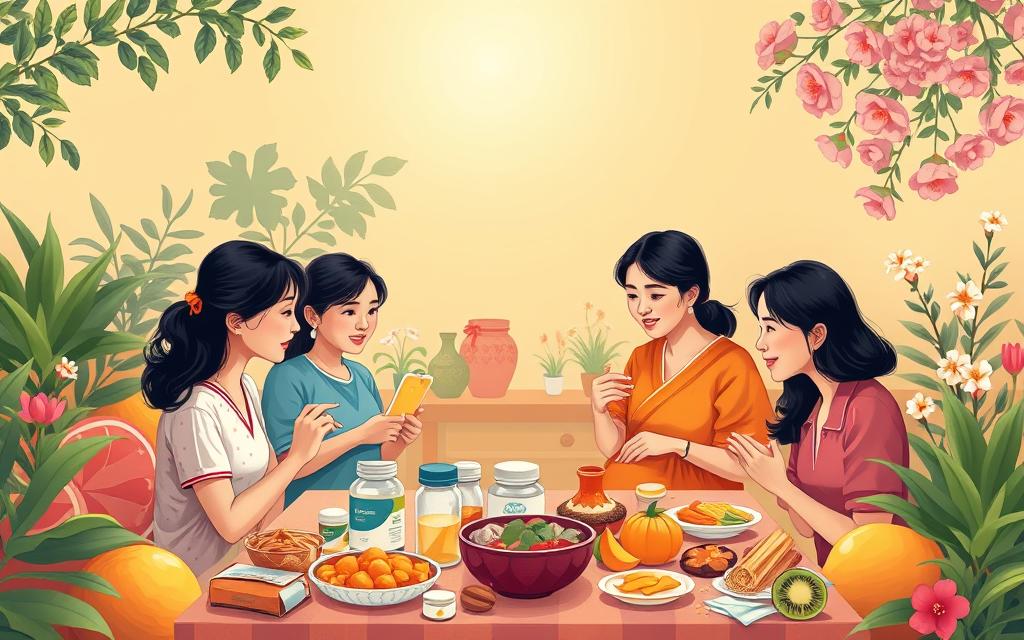
In many Asian cultures, old ways of eating during pregnancy are common. These practices are often based on cultural beliefs. But, they might not always match what science says. It’s important to know the truth about these myths for a healthy pregnancy.
Key Takeaways
- Separating cultural beliefs from scientific facts is crucial during pregnancy.
- Understanding pregnancy nutrition myths can lead to a healthier pregnancy.
- Cultural dietary practices can sometimes contradict scientific recommendations.
- Empirical knowledge is key to making informed decisions during pregnancy.
- Navigating through the abundance of health advice is challenging but necessary.
The Cultural Landscape of Pregnancy Nutrition in Asian Communities
Pregnancy nutrition in Asian communities is shaped by culture and modern changes. Cultural beliefs and family influence greatly affect what pregnant women eat.
Traditional Beliefs vs. Modern Science
Traditional views on pregnancy nutrition vary across Asia. They often clash with what science says today. For example, some believe in avoiding certain foods to protect the baby, but science might not back this up.
It’s key to understand these old beliefs to tackle Asian Pregnancy Myths and Asian Nutrition Myths. By matching these beliefs with science, doctors can give advice that fits the culture.
The Influence of Family Elders on Pregnancy Diets
Family elders greatly shape what pregnant women eat in Asian cultures. Their advice comes from long-held traditions and beliefs.
This can sometimes keep Pregnancy Myths alive, impacting what pregnant women eat. But, talking to family elders about nutrition science can help. This way, we can honor tradition while ensuring good nutrition.
| Cultural Influence | Traditional Practice | Modern Recommendation |
|---|---|---|
| Family Elders | Avoiding certain foods | Balanced diet with essential nutrients |
| Traditional Beliefs | Restrictive eating during pregnancy | Nutritional guidance based on scientific evidence |
Asian Pregnancy Nutrition Myths: What’s True and What’s Not
Asian pregnancy nutrition myths mix cultural tradition with scientific fact. These myths have been passed down for generations. They greatly affect what pregnant women eat.
Why Myths Persist Across Generations
These myths stick around because of tradition, family influence, and lack of good nutrition info. Many believe these myths as much as they do medical advice.
Family ties and respect for elders play big roles in keeping these myths alive. For example, some think certain foods can affect the baby’s health. They might believe:
- That “cooling” foods prevent heat-related problems
- It’s bad to eat fruits like papaya or pineapple
- Specific dishes can change the baby’s skin color or gender
The Impact of Misinformation on Maternal Health
Bad info about pregnancy nutrition can harm the mother’s health. Diets based on myths can cause nutritional gaps. This affects both the mom and the baby.
| Myth | Potential Impact |
|---|---|
| Avoiding seafood during pregnancy | Potential deficiency in omega-3 fatty acids |
| Limiting fruit intake due to “cooling” effects | Reduced intake of essential vitamins and minerals |
| Eating for two | Excessive weight gain and related health issues |
It’s key to know the truth about these myths for good health. Debunking them with science helps pregnant women make better food choices.
Hot and Cold Foods: Balancing Yin and Yang During Pregnancy
In many Asian cultures, pregnancy is more than just health. It’s about keeping a balance between yin and yang through food. Foods are seen as ‘hot’ or ‘cold’, guiding what pregnant women eat. Knowing this is key to understanding Asian pregnancy nutrition myths.
The Traditional Classification System Explained
Traditional Chinese medicine, adopted by many, divides foods into ‘hot’ and ‘cold’. ‘Hot’ foods raise body heat, while ‘cold’ foods lower it. Pregnant women are often told to avoid certain foods to keep balance.
Scientific Perspective on Temperature-Based Food Restrictions
Scientifically, ‘hot’ and ‘cold’ foods don’t match their actual temperature or body effect. Yet, ‘hot’ foods like spicy dishes can cause heartburn, common in pregnancy. ‘Cold’ foods might not be directly restricted by science but could be safer or easier to digest.
Which Recommendations Have Merit?
The yin-yang system isn’t scientifically proven, but some advice is still good. Avoiding very ‘cold’ or raw foods can lower food illness risk. A diet that balances nutrition and cultural practices is beneficial.
Key Considerations:
- Understanding the cultural context of dietary restrictions during pregnancy.
- Evaluating the nutritional benefits and risks associated with ‘hot’ and ‘cold’ foods.
- Finding a balance between traditional practices and modern nutritional advice.
Pregnant women can make smart food choices by combining cultural wisdom and scientific knowledge. This supports their health and their baby’s.
Protein Myths: From Avoiding Seafood to Excessive Meat Consumption
Protein is key for a healthy pregnancy. Yet, many myths about seafood and meat confuse expectant mothers. It’s important to know the truth about protein for the health of both mom and baby.
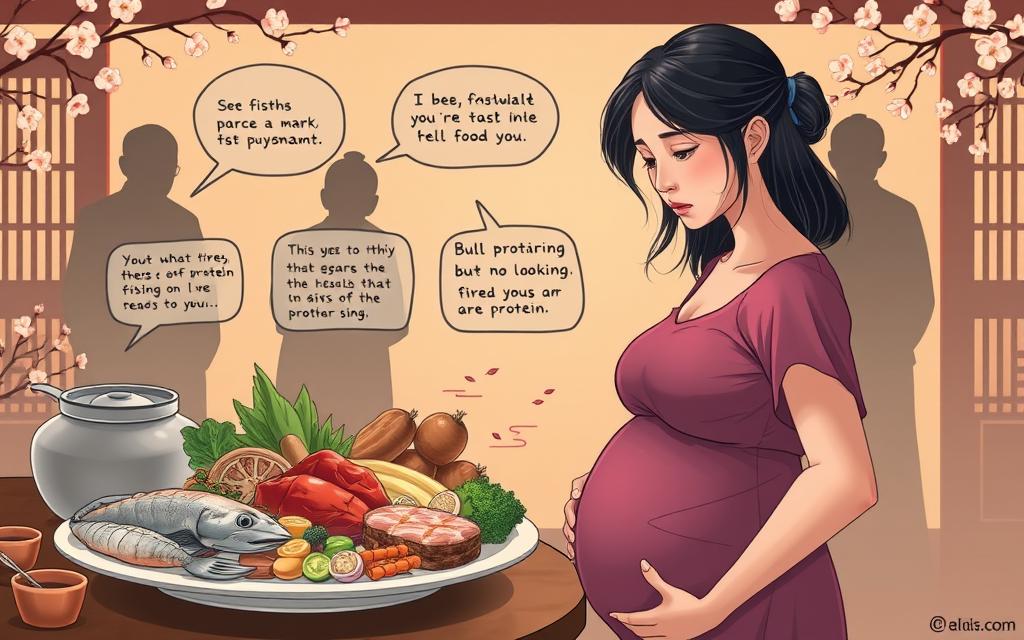
Common Seafood Restrictions and Their Validity
In many Asian cultures, some seafood is thought to be bad during pregnancy. Some of these beliefs are based on real concerns about mercury and toxins. But, others come from cultural traditions, not science.
For example, health experts warn against shark and swordfish because of mercury. But, fish like salmon is good because it has omega-3 fatty acids.
The “Eating for Two” Misconception
The idea that pregnant women should eat double is a common myth. In reality, they only need about 300 more calories a day in the second and third trimesters. It’s more important to focus on eating nutrient-rich foods, not just more calories.
Balancing Protein Needs Without Harmful Excesses
It’s important to get the right amount of protein. Eating too much, especially from meat, can be harmful. A good diet includes a variety of protein sources like lean meats, fish, eggs, dairy, and plant-based foods.
| Protein Source | Nutritional Benefits | Precautions |
|---|---|---|
| Seafood (Salmon) | Rich in omega-3 fatty acids, protein | Avoid high-mercury fish |
| Lean Meats (Chicken) | High-quality protein, low in saturated fats | Opt for organic or hormone-free |
| Legumes (Lentils) | Rich in protein, fiber, and minerals | May cause bloating in some individuals |
By understanding and debunking these protein myths, expectant mothers can make healthier choices. This ensures they and their babies get the nutrients they need for optimal health.
Fruit and Vegetable Misconceptions in Asian Pregnancy Diets
Fruits and vegetables are key to a healthy diet. Yet, in some Asian cultures, they’re tied to pregnancy myths. Expectant mothers in these communities face many dietary rules and tips from their elders.
Many believe that some “cooling” fruits should be skipped during pregnancy. But what does this really mean, and is it true?
“Cooling” Fruits to Avoid: Fact or Fiction?
In traditional Asian medicine, foods are seen as “cooling” or “heating.” It’s thought that too many “cooling” foods can upset the body’s balance. Fruits like watermelon and cucumber are seen as “cooling.” Yet, there’s little scientific proof that they should be avoided during pregnancy.
The Truth About Papaya, Pineapple, and Other Controversial Fruits
Papaya and pineapple are often said to be off-limits during pregnancy. This is because of old beliefs that they might cause miscarriage or early labor. While these fruits do contain compounds that could affect pregnancy, the evidence is mostly based on stories. Eating them in moderation is unlikely to harm.
Vegetable Myths and Their Nutritional Impact
Vegetables also have myths surrounding them. For instance, some think certain leafy greens are too “cooling.” But these greens are packed with nutrients like folate, which is vital for pregnant women. Knowing the nutritional value can help expectant mothers make better choices.
By looking into these myths and the facts, pregnant women can make better diet choices. They can balance cultural traditions with the latest nutritional advice.
Beverage Beliefs: Tea, Herbal Drinks, and Water Consumption
Asian cultures have a long history of drinking different beverages during pregnancy. But, not all these beliefs are true. Drinks like tea, herbal drinks, and water are important in our diet. Yet, myths and misconceptions often guide their use.
Traditional Herbal Teas: Helpful or Harmful?
Many Asian cultures drink traditional herbal teas during pregnancy, thinking they’re good for health. But, not all teas are safe. For example, peppermint tea and ginger tea are usually okay in small amounts. But, teas like licorice root tea might be risky. Pregnant women should talk to their doctors before drinking any herbal teas.
- Peppermint tea can help with nausea.
- Ginger tea has anti-inflammatory benefits.
- Licorice root tea might affect blood pressure and potassium levels.
Caffeine Consumption Myths During Pregnancy
There are many myths about caffeine during pregnancy. Too much caffeine is bad, but a little, about 200mg a day, is okay. This is roughly one 12-ounce cup of coffee. But, Asian diets often include many caffeinated drinks. It’s key to know how they add up.
Hydration Myths and Scientific Recommendations
Drinking enough water is very important during pregnancy. But, some think drinking too much water can cause too much amniotic fluid. The truth is, our bodies manage fluids well, and drinking enough water is good for health. Doctors say pregnant women should drink at least 8-10 glasses of water a day. This can change based on how active you are and where you live.
In short, choosing the right drinks during pregnancy needs a mix of cultural wisdom and scientific facts. By making smart choices, pregnant women can keep themselves and their babies healthy.
Postpartum Nutrition Myths in Asian Cultures
In Asian communities, myths about postpartum nutrition are common. These myths come from cultural beliefs, not science. They can affect new mothers’ health and wellbeing.
Confinement Diets: Traditional Practices vs. Nutritional Needs
Many Asian cultures follow confinement diets for new mothers. These diets include specific foods to eat or avoid. But, some practices might not meet today’s nutritional needs.
Nutritional Needs During Confinement:
- High protein intake for recovery
- Adequate hydration
- Balanced vitamins and minerals
| Traditional Food | Nutritional Value | Myth vs. Fact |
|---|---|---|
| Sesame oil chicken | Rich in protein and healthy fats | Myth: Believed to warm the body |
| Ginger | Anti-inflammatory properties | Fact: Helps with digestion |
Warming Foods and Recovery: Separating Fact from Fiction
In Asian cultures, “warming” foods are believed to aid recovery. But, it’s key to separate cultural beliefs from scientific facts.
Warming foods like ginger and soups are comforting and nutritious. Yet, the idea they “warm” the body is more cultural than scientific.
Breastfeeding Nutrition Myths
Breastfeeding is a critical time for nutrition. Myths about breastfeeding nutrition can lead to bad diets. This can harm both the mother and the baby.
Common Myths:
- Myth: Certain foods can spoil breast milk.
- Fact: A balanced diet supports breastfeeding.
By debunking these myths, new mothers can make better choices about their nutrition. This ensures they get the nutrients needed for recovery and breastfeeding.
Navigating Family Expectations While Maintaining Proper Nutrition
Expectant mothers in Asian communities face a big challenge. They must balance their family’s old ways with new nutrition advice. Food and nutrition are very important in these cultures, especially during pregnancy.
Family elders often decide what food is best. They base their choices on old beliefs and myths about pregnancy nutrition.
Respectful Communication Strategies with Elders
Talking openly with family elders is a good way to handle these issues. Open dialogue helps understand why certain foods are chosen. Expectant mothers can share their thoughts and still respect their culture.
They can explain the science behind new nutrition advice. This way, they can mix old and new in a good way.
If an elder says not to eat something, the mother can listen. Then, she can talk about the food’s good and bad points. This helps find a middle ground.
Finding Compromise Between Tradition and Modern Nutrition
It’s important to find a balance between old and new. This means keeping some traditional foods that are good for you. But, it’s also okay to change or skip foods that might not be good.
For example, if old diets suggest certain foods for balance, talk to your doctor. They can help you make these foods fit with today’s nutrition rules.
By finding a balance, expectant mothers can meet their family’s expectations. They also make sure they eat well. This is good for their health and helps create a supportive family atmosphere during pregnancy.
Conclusion: Embracing the Best of Both Worlds
Dealing with pregnancy nutrition can be tough, especially when old traditions meet new science. By tackling Asian Pregnancy Nutrition Myths, women can make smart choices for their health and their baby’s.
It’s key to find a balance in pregnancy nutrition. This means valuing cultural traditions but also looking at the latest science. This way, expectant moms can get all the nutrients they need for a healthy pregnancy.
The fight against Debunking Pregnancy Nutrition Myths helps women make the best choices for their pregnancy. By mixing traditional wisdom with scientific proof, women can sort through all the pregnancy advice and myths.
In the end, knowing how to eat right during pregnancy is good for both mom and baby. It also makes the pregnancy journey more positive and empowering.