
Mindful Parenting: Raising Children with Emotional Intelligence
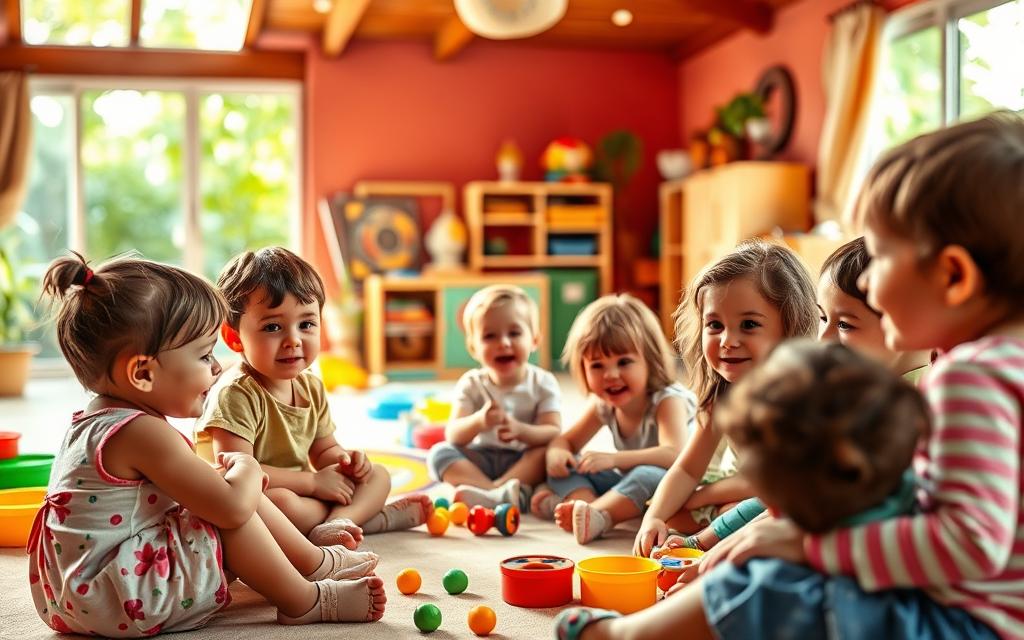
As a parent, there’s nothing more important than giving your children the tools they need to thrive in life. One of the most valuable gifts you can give them is the ability to understand and manage their emotions. Mindful parenting is an approach that helps you do just that.
By being more mindful and present in your interactions with your children, you can help them develop emotional intelligence. This, in turn, can lead to better relationships, improved academic performance, and a more positive overall well-being.
Key Takeaways
- Understand the concept of mindful parenting and its benefits
- Learn how to cultivate emotional intelligence in your children
- Discover the importance of being present in your interactions with your children
- Explore the positive impact of mindful parenting on your child’s well-being
- Find out how to start practicing mindful parenting today
Understanding Emotional Intelligence in Children
Emotional intelligence in children is key to their growth. It helps them understand and manage their feelings. This skill is important for their relationships, school work, and happiness.
The Components of Emotional Intelligence
Emotional intelligence has several important parts for kids. These are:
- Self-awareness: Knowing and understanding one’s emotions.
- Self-regulation: Controlling emotions to reach goals.
- Motivation: Using emotions to stay motivated and succeed.
- Empathy: Feeling and sharing others’ feelings.
- Social skills: Using emotional intelligence to get along with others.
| Component | Description | Example in Children |
|---|---|---|
| Self-awareness | Recognizing one’s emotions | A child identifying they are feeling angry |
| Self-regulation | Managing emotions to achieve goals | A child calming down to focus on homework |
| Empathy | Understanding others’ feelings | A child comforting a crying friend |
Development of Emotional Intelligence from Birth to Adolescence
Emotional intelligence grows a lot from birth to being a teenager. Babies start by noticing how others feel, learning about their own feelings too. As they get older, they get better at showing and handling their feelings.
By the time they’re teenagers, they face more complex feelings and social situations. Emotional intelligence keeps growing as they deal with these challenges.
The Fundamentals of Mindful Parenting: Raising Children with Emotional Intelligence
Mindful parenting is a powerful way to raise kids who are emotionally smart. It combines knowing your emotions with being a conscious parent. This creates a caring space where kids can grow emotionally.
Core Principles of Mindful Parenting
Mindful parenting is based on key principles. These help parents be more aware and respond better to their kids. The main principles are:
- Self-awareness: Knowing your own feelings helps you manage how you react to your kids.
- Emotional regulation: Keeping your emotions in check makes a calm space for your kids.
- Compassion: Being kind and understanding makes your kids feel safe and secure.
| Principle | Description | Benefit |
|---|---|---|
| Self-awareness | Understanding one’s own emotions | Better management of interactions |
| Emotional regulation | Managing one’s own emotions | Creates a calm environment |
| Compassion | Practicing empathy and understanding | Fosters a sense of safety |
The Connection Between Mindfulness and Emotional Intelligence
Mindfulness boosts emotional smarts in kids and adults. It helps parents teach their kids to notice and control their feelings.
Mindful parenting is more than just being present. It’s about knowing your feelings and your child’s, creating a space for emotional growth.
Benefits of Raising Emotionally Intelligent Children
Raising emotionally intelligent kids has many benefits. It can improve their school work and make family ties stronger. Teaching kids to handle their feelings helps them learn important life skills.
Improved Academic and Social Success
Smart kids do well in school because they can handle stress and focus. They also make good friends because they understand and connect with others. A study found that learning to manage emotions helps kids do better in school and feel better about themselves.
“Students who received social-emotional learning interventions showed significant improvements in their academic performance and social skills.”
Enhanced Resilience and Mental Health
Kids who are emotionally smart face challenges better and bounce back faster. They also feel less anxious and depressed because they know how to deal with their feelings. Dr. Daniel Goleman says emotional smarts are key to good mental health.
| Mental Health Aspect | Low Emotional Intelligence | High Emotional Intelligence |
|---|---|---|
| Stress Management | Difficulty managing stress | Effective stress management |
| Anxiety and Depression | Higher risk of anxiety and depression | Lower risk of anxiety and depression |
| Resilience | Lower resilience | Higher resilience |
Stronger Family Relationships
Emotionally smart kids talk better with their family, making relationships stronger. They understand and manage their feelings, which reduces fights and boosts empathy. This makes family life more loving and supportive.
Creating an Emotionally Safe Home Environment
Creating a safe home for kids is key for their emotional growth. It’s not just about the physical space. It’s also about the emotional feel of the home that parents create.
Establishing Emotional Safety Through Communication
Good communication is the base of emotional safety. Active listening and validation of emotions make kids feel heard and safe. Parents should make a space where kids can share their feelings freely, without fear of being judged.
This way, kids learn to express their feelings better. They also get better at managing their emotions.
Creating Physical Spaces That Support Emotional Processing
The home’s layout also affects emotional health. Having specific areas for different activities helps organize both the child’s emotions and physical space.
Setting Up a Calm-Down Corner
A calm-down corner is a special spot for kids when they’re feeling too much. Soothing elements like soft cushions and calming colors help kids calm down.
Family Meeting Areas
Having a spot for family meetings helps everyone talk openly and bond. Regular family meetings help solve problems, set goals, and build unity and cooperation.
Mindful Communication Techniques with Children
Using mindful communication can greatly improve your child’s emotional health and intelligence. It means being fully present and aware when talking to your child. This can help you understand and connect with them better.
Active Listening Strategies
Active listening is key in mindful communication. It means giving your child your full attention, understanding their view, and responding carefully. To do this, keep eye contact, don’t interrupt, and reflect on what they say.
Validating Children’s Emotions Without Judgment
It’s important to validate your child’s feelings without judging them. This makes them feel understood and accepted. Acknowledge their emotions and show empathy, instead of dismissing them.
Responding Mindfully to Emotional Outbursts
Handling emotional outbursts mindfully takes patience and understanding. Here are two effective ways to do it:
The Pause-Breathe-Respond Method
This method is about pausing before reacting, taking a deep breath, and then responding thoughtfully. It helps you stay calm and respond better.
Using “I” Statements Effectively
Using “I” statements helps you express your feelings without blaming the child. It makes conversations more constructive and less confrontational.
| Mindful Communication Technique | Description | Benefit |
|---|---|---|
| Active Listening | Giving full attention to the child and understanding their perspective. | Strengthens parent-child bond |
| Emotion Validation | Acknowledging and empathizing with the child’s feelings. | Enhances child’s emotional security |
| Pause-Breathe-Respond | Pausing, breathing, and then responding to a situation. | Reduces conflict and promotes thoughtful responses |
Teaching Children to Identify and Express Emotions
Teaching kids to understand and express their feelings is key. It helps them grow emotionally and socially. This skill lets them handle life’s ups and downs better.
Building an Emotion Vocabulary
Teaching kids about emotions is a first step. It’s about learning the names of feelings. From simple ones like happiness to complex ones like jealousy.
By learning these words, kids can share their feelings better. This makes it easier for them to ask for what they need emotionally.
Using Stories, Art, and Play to Explore Emotions
Stories, art, and play help kids understand emotions. Through storytelling, they see how characters feel. This helps them understand different emotions.
Art lets kids express feelings in their own way. Play, like role-playing, is a safe space to act out emotions. It helps them grasp and manage their feelings.
Implementing Daily Emotional Check-in Routines
Daily routines for checking in on emotions are helpful. It could be sharing feelings at dinner or before bed. This habit helps kids understand themselves better.
By using these methods, parents can help kids grow emotionally. This improves family life, making it more caring and supportive.
Developing Empathy and Social Awareness
Mindful parenting is key in teaching kids empathy and social awareness. These skills are vital for forming strong relationships and emotional intelligence.
Modeling Empathetic Behavior as Parents
Children learn from what they see, so parents must show empathy. By being kind and understanding, parents teach kids the importance of empathy. This can be as simple as comforting a child or saying thank you to others. Parents who show empathy help their children become more empathetic.
Activities That Build Social-Emotional Skills
Activities that promote social-emotional learning can boost kids’ empathy and awareness. Two effective methods include:
Perspective-Taking Exercises
Perspective-taking exercises help kids see things from others’ points of view. Role-playing different scenarios helps them understand and respond with empathy.
Community Service and Helping Others
Doing community service or helping others teaches kids about social responsibility. By being kind, they learn the value of helping others and gain insight into different experiences.
Mindful Discipline Approaches That Foster Emotional Growth
Discipline is more than just correcting behavior. It’s a chance to teach kids important life skills through mindful parenting. By using mindful discipline, parents can help their kids grow emotionally while keeping a strong bond.
Setting Boundaries with Compassion and Clarity
Setting boundaries is key for kids’ sense of safety. It shows them what’s expected. Mindful parents set these boundaries with kindness and clear reasons. This helps kids learn to control themselves and see how their actions affect others.
Natural Consequences vs. Punishment
Choosing natural consequences over punishment is a mindful discipline key. Natural consequences let kids learn from mistakes safely. For instance, if they forget lunch, they wait to eat at home. It teaches them responsibility without fear or anger.
Repairing Relationships After Conflict
Conflicts happen in any relationship. But how we solve them is what counts. Mindful parenting means fixing relationships after fights by talking feelings, apologizing, and finding solutions together. This teaches kids about empathy, forgiveness, and keeping relationships healthy.
By using these mindful discipline methods, parents can raise emotionally intelligent kids. Parenting with mindfulness is more than discipline. It’s about creating a caring space that helps kids grow in all ways.
Age-Specific Strategies for Emotional Intelligence Development
Teaching emotional intelligence to kids changes as they grow. Each age brings its own emotional challenges. Parents can use specific strategies to help their kids grow emotionally.
Toddlers and Preschoolers (2-5 years)
For young kids, emotional learning starts with simple steps. Parents can begin by labeling emotions to help them understand their feelings. Playing games that touch on emotions, like reading stories, is also good.
Starting a daily emotional check-in helps kids express their feelings. This is a key step in their emotional growth.
Elementary School Children (6-10 years)
Older kids need more structured ways to learn about emotions. Teaching them emotional vocabulary and letting them express feelings through art or writing works well. Parents can also teach problem-solving skills to help kids handle their emotions.
Doing family activities that teach empathy, like volunteering, also helps. This boosts their emotional smarts.
Tweens and Teenagers (11-18 years)
Teaching emotional smarts to teens is more complex. Encouraging self-reflection through journaling or talking about feelings is key. Parents can also help by talking about social issues and getting them involved in community service.
Teaching stress management techniques, like mindfulness, helps teens deal with their emotions better.
Self-Care for Parents: Nurturing Your Own Emotional Intelligence
To raise children with emotional smarts, parents must care for their own feelings first. Mindful parenting is not just about teaching kids. It’s also about keeping our own emotions in check.
Recognizing and Managing Parental Stress
Stress in parents can make it hard to be mindful. Spotting stress signs is key to handling it. Deep breathing, exercise, and meditation can lower stress.
- Identify your stress triggers
- Practice relaxation techniques daily
- Take breaks when needed
Building Your Support Network
A strong support system is vital for parents. Connecting with other parents or joining a parenting community offers emotional support and advice. Always ask for help when you need it.

Conclusion: The Lifelong Journey of Mindful Parenting
Mindful parenting is a journey that needs patience, understanding, and practice. It helps parents raise kids who can handle life’s ups and downs better.
It’s key to help kids grow emotionally. This way, they can form strong bonds and do well in school.
Teaching kids to be emotionally smart is a big investment in their future. Parents play a big role in helping this growth happen over time.
By being mindful, parents can create a safe space for their kids to grow emotionally. This can lead to a kinder and more understanding next generation.
As parents keep on this path, they also grow emotionally. This mindful parenting approach can deeply impact families and communities for years to come.