
Boost Male Fertility & Sperm Health Today
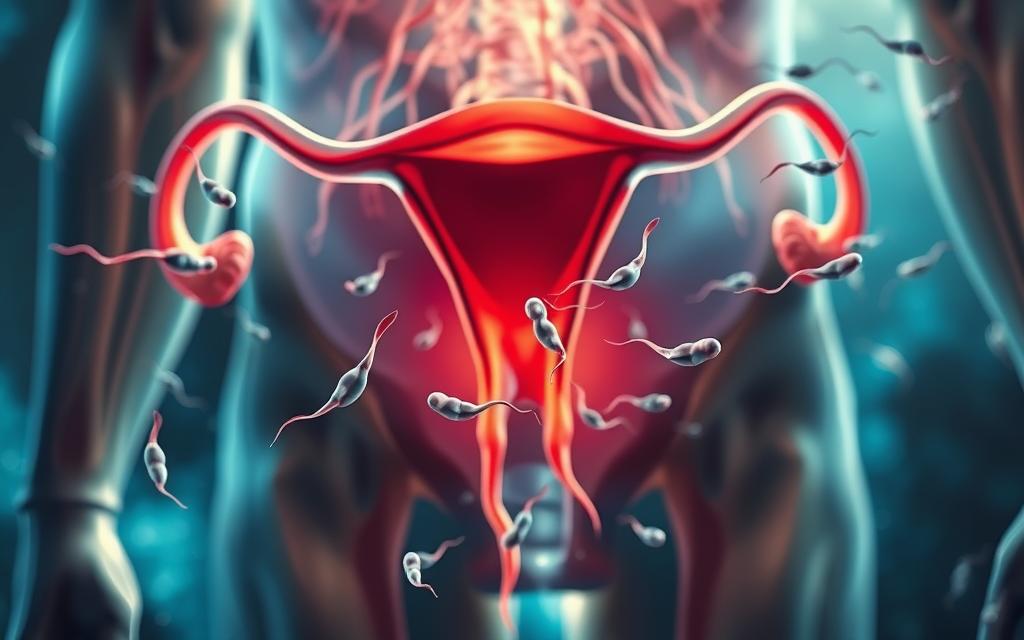
Having healthy sperm is key for fertility. The number, movement, and shape of sperm matter a lot for reproductive health.
Learning about sperm health can help you improve sperm quality. The Mayo Clinic Staff says a good sperm count, movement, and shape are vital for male reproductive health.
By working on these areas, you can take steps to boost your fertility.
Key Takeaways
- Healthy sperm is essential for fertility.
- Sperm quantity, movement, and shape are critical factors.
- Improving sperm quality can enhance male fertility.
- A healthy lifestyle can positively impact sperm health.
- Understanding sperm health is the first step towards improvement.
Understanding Male Fertility: The Basics of Reproductive Health
Male fertility is about several key things that affect sperm health. It’s influenced by lifestyle, health, and what we’re exposed to. Knowing these factors helps keep reproductive health in top shape.
What Makes Sperm Healthy?
Healthy sperm have the right amount, move well, and are the right shape. The Mayo Clinic says a good sperm count is over 15 million per milliliter. Sperm that move well and are shaped right are key for fertility.
Key Characteristics of Healthy Sperm:
| Characteristic | Description | Ideal Value |
|---|---|---|
| Sperm Count | Quantity of sperm per milliliter of semen | At least 15 million |
| Sperm Motility | Ability of sperm to move properly | At least 32% motile |
| Sperm Morphology | Shape and structure of sperm | At least 4% normal forms |
The Sperm Production Timeline
Sperm making, or spermatogenesis, takes about 70 to 90 days. It’s a continuous process in the testes. Things that harm sperm health can slow this down, affecting fertility.
Knowing when sperm are ready is key for better fertility. Waiting at least 3 months lets sperm mature fully. This can boost sperm count and fertility.
Common Causes of Male Infertility
Infertility in men is a complex issue with many causes. It’s not just one thing but a mix of factors that can stop a man from getting his partner pregnant.
Understanding these factors is key to solving the problem.
Medical Conditions Affecting Sperm Health
Some medical issues can harm sperm health. For example, sexually transmitted infections (STIs) can damage the reproductive system and lower sperm quality. Varicocele, a swelling of veins in the testicle, can also hurt sperm production.
Hormonal imbalances and genetic disorders can also cause infertility. For instance, hypogonadism, where the testes don’t make enough testosterone, can affect sperm production.
Lifestyle Factors That Decrease Fertility
Lifestyle choices can greatly impact male fertility. Smoking and excessive alcohol consumption can lower sperm count and quality. Exposure to harmful chemicals can also damage sperm DNA.
Being overweight or obese can harm fertility by changing hormone levels and sperm production. A healthy lifestyle is vital for good sperm health.
Age-Related Fertility Decline in Men
Age affects male fertility, just like it does for women. As men get older, their sperm quality and quantity can drop. Advanced paternal age is linked to higher risks of genetic problems in children.
While the decline is slower in men than in women, it’s a significant factor in fertility.
Male Fertility Matters: How to Boost His Sperm Health
Improving sperm quality and fertility needs a full plan. This includes lifestyle changes, better diet, and supplements. Men should focus on what directly helps sperm health.
The Importance of Sperm Quality vs. Quantity
Sperm quality is key in male fertility. Having lots of sperm is good, but quality matters more. Quality includes how well sperm move, their shape, and if their DNA is intact.
Key aspects of sperm quality are motility and morphology. Motility is how well sperm move. Morphology is their shape and structure. Problems here can stop fertilization.
Setting Realistic Expectations for Improvement
Improving sperm health takes time. Sperm production lasts about 70 to 90 days. So, any efforts will take at least a few months to see results.
Being patient and consistent is key. Eat well, exercise, manage stress, and avoid harmful stuff. These habits help a lot.
Timeframe for Seeing Results
How long it takes to see sperm health improvements varies. Usually, you’ll see changes in 3 to 6 months. This lets a full cycle of sperm production happen and shows the effects of healthy living.
Regular check-ups and semen tests track your progress. They show what needs work. Healthy habits and expert advice can boost fertility.
Nutrition for Optimal Sperm Production
Nutrition plays a big role in improving sperm quality and fertility. Eating foods rich in important nutrients can really help.
Fertility-Boosting Foods and Nutrients
Some foods are great for fertility because they have lots of antioxidants, vitamins, and minerals. Foods rich in antioxidants like berries and leafy greens protect sperm. Omega-3 fatty acids in fish and nuts keep sperm membranes healthy.
Zinc is key for making testosterone and growing sperm. Folate helps prevent sperm problems. You can find zinc in oysters and beef. Folate is in leafy greens and beans.
Foods to Avoid for Better Sperm Health
Some foods can hurt sperm health. Processed meats and foods with saturated fats can lower sperm quality. Soy products and high-mercury fish are also bad.
Too much sugar and caffeine can also harm sperm. They can cause insulin resistance and oxidative stress.
Hydration and Its Impact on Semen Quality
Drinking enough water is key for semen quality. Water intake helps make seminal fluid, which is important for sperm. Not drinking enough can lower semen volume and sperm count.
Drink lots of water every day. Aim for at least eight glasses. This is a good starting point for staying hydrated.
Lifestyle Changes That Improve Sperm Quality
Making simple lifestyle changes can greatly improve sperm quality and fertility. By adding healthy habits to your daily routine, men can boost their reproductive health. This increases the chances of conceiving.
Exercise and Weight Management
Regular exercise and a healthy weight are key for better sperm quality. Exercise improves overall health by reducing obesity and improving heart health. It also balances hormones. Studies show men who exercise have better sperm counts and motility than those who don’t.
Try to exercise for at least 30 minutes each day. Keeping a healthy weight is also important. Obesity can lower sperm quality by causing hormonal imbalances, including lower testosterone levels.
Sleep Quality and Stress Reduction
Getting enough sleep and managing stress are vital for sperm quality. Poor sleep quality can disrupt hormones, leading to lower sperm production. Aim for 7-8 hours of sleep each night to support reproductive health.
High stress can also harm sperm quality by increasing harmful substances that damage DNA. Activities like meditation, yoga, or deep breathing can help reduce stress.
Habits to Break for Better Fertility
Some habits can harm sperm quality, and breaking them is key for better fertility. Focus on quitting smoking and drinking too much alcohol. Also, avoid overheating and wearing tight clothing.
Smoking and Alcohol
Smoking badly affects sperm quality. It damages DNA, lowers sperm count, and reduces motility. Quitting is essential for better sperm health.
Too much alcohol can also harm sperm by upsetting hormone balance and lowering testosterone. Drinking less can help protect sperm health.
Overheating and Tight Clothing
Avoiding overheating is important. High testicular temperatures can harm sperm production. Stay away from hot tubs, saunas, and wear loose clothes.
Wearing tight clothing can also raise testicular temperature, damaging sperm. Choose loose, comfortable clothes to keep testicular temperature healthy.
Supplements and Vitamins for Enhanced Fertility
Supplements and vitamins are key for men’s fertility. A balanced diet is important, but extra nutrients can help. They support reproductive health.
Essential Nutrients for Sperm Production
Sperm production needs many nutrients. Zinc, selenium, and antioxidants are vital. Zinc helps with testosterone and sperm growth.
Lacking these nutrients can harm sperm quality. It’s important to get enough through diet or supplements.
Evidence-Based Supplements for Male Fertility
Some supplements boost male fertility. Zinc and selenium are key for healthy sperm.
Zinc and Selenium
Zinc boosts the immune system and aids sperm production. Selenium protects sperm from damage with its antioxidant properties.
Antioxidants and CoQ10
Antioxidants like vitamins C and E fight oxidative stress. This stress can harm sperm. CoQ10 also improves sperm motility.
| Supplement | Benefit | Recommended Daily Intake |
|---|---|---|
| Zinc | Supports testosterone production and sperm development | 15-20 mg |
| Selenium | Protects sperm from oxidative damage | 55 mcg |
| Antioxidants (Vitamin C, E) | Reduces oxidative stress | Varied; typically 60-90 mg for Vitamin C and 15-20 mg for Vitamin E |
| CoQ10 | Improves sperm motility | 100-200 mg |
When and How to Take Fertility Supplements
When and how you take fertility supplements matters. Talk to a healthcare provider to find the best plan.
Take supplements with meals to help your body absorb them better. Taking them at the same time every day keeps nutrient levels steady.
“The right supplements can make a significant difference in sperm health and overall fertility. Consulting with a healthcare professional is essential to tailor the supplementation to individual needs.”
Environmental Factors and Their Impact on Sperm Health
Environmental factors can greatly affect male fertility. What we surround ourselves with and our lifestyle choices can either help or harm sperm health. Knowing these factors is key to making better choices for fertility.
Heat Exposure and Testicular Temperature
High temperatures can harm sperm production. The testicles are very sensitive to heat. Avoiding hot tubs, saunas, and wearing loose clothes helps keep testicular temperature right. Also, it’s good to not put laptops on your lap for too long.
Chemical Exposures to Avoid
Some chemicals in our environment can harm sperm health. Endocrine disruptors, found in plastics and some pesticides, mess with hormone production needed for sperm. To avoid these, choose organic food, use BPA-free plastics, and steer clear of certain cleaners.
| Chemical | Common Sources | Precautionary Measures |
|---|---|---|
| BPA | Plastic bottles, food cans | Use BPA-free alternatives |
| Pesticides | Non-organic produce | Choose organic produce |
| Phthalates | Personal care products | Opt for phthalate-free products |
Creating a Fertility-Friendly Environment
To support fertility, we need to make smart lifestyle choices. This means staying healthy, managing stress, and avoiding bad substances. By doing these things, we can really boost our sperm health.
Making small changes in our daily lives can make a big difference. For example, using safe household cleaners and personal care items cuts down on harmful chemical exposure. Also, eating a diet full of antioxidants helps our reproductive health.
Tracking Progress and Seeking Professional Help
Fertility tracking is key for those dealing with reproductive health issues. It helps understand fertility status and when to get professional help.
At-Home Fertility Testing Options
At-home fertility testing kits are easy to start with. They check for sperm count and hormone levels. They give a first look at if you need more medical checks.
When to See a Fertility Specialist
If you’re having trouble getting pregnant or have fertility worries, knowing when to see a specialist is important. If you’ve tried for over a year or have health issues that might affect fertility, it’s time to get help.
What to Expect During Fertility Evaluation
A fertility check usually includes a detailed look at your medical history, physical exam, and tests. Knowing what to expect can reduce stress and get you ready for the process.
| Test Type | Description | Purpose |
|---|---|---|
| Semen Analysis | Examines sperm count, motility, and morphology | Assesses male fertility |
| Hormone Testing | Measures hormone levels, including testosterone and estrogen | Evaluates hormonal balance affecting fertility |
| Ultrasound | Visual examination of reproductive organs | Checks for structural abnormalities |
By tracking your fertility and knowing when to seek help, you can move forward towards your reproductive goals.
Conclusion: A Holistic Approach to Male Fertility
Improving male fertility requires a holistic strategy. It involves many aspects of health and wellbeing. It’s not just about making a few changes; it’s about changing your whole lifestyle to boost reproductive health.
Nutrition is key for sperm production and quality. Eating fertility-boosting foods full of antioxidants, vitamins, and minerals helps a lot. It’s also important to stay away from foods that can harm sperm quality.
Making lifestyle changes is also vital. Regular exercise and weight management can help. Reducing stress and getting enough sleep are also important for hormone balance and health.
In some cases, supplements and vitamins can offer extra help. But, always talk to a healthcare professional before starting any supplements.
| Aspect | Recommendations | Benefits |
|---|---|---|
| Nutrition | Eat fertility-boosting foods, avoid processed foods | Improved sperm quality and production |
| Lifestyle | Regular exercise, stress reduction, adequate sleep | Enhanced fertility and overall health |
| Supplements | Consult a healthcare professional for evidence-based supplements | Additional support for sperm health |
By combining these elements, men can take a proactive and holistic approach to improving their fertility. This approach not only boosts sperm health but also improves overall wellbeing.
Healthy sperm is key for fertility. The number, how they move, and their shape matter a lot for health.
Learning about sperm health can help you improve sperm quality. This means living a healthy life and knowing what affects sperm.
By being proactive, you can boost your reproductive health and overall well-being.
Key Takeaways
- Healthy sperm is essential for fertility.
- Quantity, movement, and shape of sperm are critical factors.
- A healthy lifestyle can improve sperm quality.
- Awareness of factors impacting sperm health is important.
- Proactive steps can enhance reproductive well-being.
Understanding Male Fertility: The Basics of Reproductive Health
Reproductive health is key to male fertility. It’s vital for couples trying to have a baby. Many things affect male fertility, like sperm health, overall health, and lifestyle.
To understand male fertility, knowing what makes sperm healthy is important. Healthy sperm have the right number, move well, and are shaped right. The Mayo Clinic Staff says a sperm count of at least 15 million per milliliter is best.
What Makes Sperm Healthy?
Healthy sperm are essential for fertility. Their quality depends on count, motility, and shape. A good sperm count is important, but so is sperm motility and shape and structure.
The Sperm Production Timeline
Sperm production takes about 70 to 80 days. It starts with immature cells in the testes becoming mature sperm. Knowing this timeline helps men improve their fertility. Healthy diet and lifestyle can boost sperm health over time.
Understanding male fertility and sperm health helps men improve their reproductive health. This increases their chances of having a baby.
Common Causes of Male Infertility
Infertility in men comes from many sources. These include medical, lifestyle, and environmental factors. Knowing these causes helps tackle the problem.
Medical Conditions Affecting Sperm Health
Some medical issues harm sperm health. For example, sexually transmitted infections (STIs) can damage the reproductive system. This affects sperm quality.
Varicocele, a vein swelling in the testicle, also harms sperm production. Hormonal imbalances, like hypogonadism, and conditions like diabetes and obesity can also lower fertility.
Lifestyle Factors That Decrease Fertility
Lifestyle choices greatly impact male fertility. Smoking and excessive alcohol consumption hurt sperm count and quality. Exposure to environmental toxins and pesticides also harms sperm.
A sedentary lifestyle and bad diet worsen fertility problems. Staying healthy and active can help.
Age-Related Fertility Decline in Men
Age affects male fertility, just like in women. As men get older, their sperm quality and quantity drop. Advanced paternal age increases genetic mutation risks and lowers fertility.
Men over 40 face sperm quality decline challenges. Understanding age’s role in fertility helps men make better reproductive health choices.
Male Fertility Matters: How to Boost His Sperm Health
Improving male fertility needs a full plan. This includes changing what you eat, how you live, and maybe taking supplements. Boosting sperm health is key for men to improve their fertility.
The Importance of Sperm Quality vs. Quantity
Sperm quality is more important than how many you have. Having lots of sperm is good, but the quality matters most for fertilizing an egg. Sperm motility, shape, and DNA health are key to fertility.
Sperm quality depends on lifestyle choices like diet, exercise, and avoiding toxins. Eating foods full of antioxidants, vitamins, and minerals can help sperm quality.
Setting Realistic Expectations for Improvement
Improving sperm health takes time. It’s important to be realistic. Sperm production takes about 70-80 days. So, any changes will take a few months to show up.
Men should be patient and keep working on their fertility. It’s also important to track progress and change plans if needed.
Timeframe for Seeing Results
How long it takes to see sperm health improvements varies. It depends on the starting sperm quality and how well changes work. Usually, you’ll see improvements in 3-6 months.
| Timeframe | Expected Improvements |
|---|---|
| 0-3 months | Initial changes in sperm quality due to dietary adjustments and lifestyle modifications |
| 3-6 months | Noticeable improvements in sperm count, motility, and morphology |
| 6+ months | Significant enhancements in overall sperm health and fertility |
Understanding sperm quality and setting realistic goals helps men improve their fertility. This approach is proactive and informed.
Nutrition for Optimal Sperm Production
The food we eat greatly affects our reproductive health, including sperm quality and fertility. Eating foods rich in essential nutrients can greatly improve sperm health.
Fertility-Boosting Foods and Nutrients
Certain foods are great for boosting fertility because they are full of antioxidants, vitamins, and minerals. Foods rich in antioxidants, like berries and leafy greens, protect sperm from damage.
Nutrients like zinc, found in oysters and chicken, are key for sperm production. Other important nutrients include folate, vitamin D, and omega-3 fatty acids.
| Food | Nutrient | Benefit |
|---|---|---|
| Oysters | Zinc | Enhances sperm production |
| Berries | Antioxidants | Protects sperm from damage |
| Leafy Greens | Folate | Supports healthy sperm |
Foods to Avoid for Better Sperm Health
Some foods can harm fertility, while others can help. Processed meats and foods high in saturated fats can lower sperm quality.
It’s best to avoid soy products, high-mercury fish, and too much alcohol for better sperm health.
Hydration and Its Impact on Semen Quality
Drinking enough water is key for semen quality. Adequate hydration keeps semen thick enough for sperm to move well.
Even a little dehydration can hurt sperm count and how well they move.
Lifestyle Changes That Improve Sperm Quality
Making simple lifestyle changes can greatly improve sperm quality and male fertility. By adding healthier habits to your daily routine, you can boost your reproductive health. This increases your chances of getting pregnant.
Exercise and Weight Management
Regular exercise and a healthy weight are key for better sperm quality. Studies show that active men with a good BMI have better sperm count and motility. Exercise helps regulate hormones, including testosterone, which is vital for sperm production.
Key Exercise Tips:
- Do moderate-intensity exercise, like brisk walking or cycling, for at least 30 minutes daily.
- Add strength training to build muscle and balance hormones.
- Avoid too much exercise, as it can harm sperm production.
Sleep Quality and Stress Reduction
Good sleep and stress management are essential for healthy sperm production. Poor sleep and chronic stress can lower hormone levels, affecting sperm count and motility.
Stress Reduction Techniques:
- Try relaxation methods like meditation or deep breathing.
- Do activities that reduce stress, such as yoga or reading.
- Get 7-8 hours of sleep each night to regulate hormones.
Habits to Break for Better Fertility
Some habits can harm sperm quality and fertility. By avoiding or quitting these habits, you can improve your reproductive health.
Smoking and Alcohol
Smoking and too much alcohol can badly affect sperm health. Quitting smoking and drinking less can improve sperm count and motility.
Overheating and Tight Clothing
Avoid overheating and wear loose, comfortable clothes. This helps keep testicular temperature right for healthy sperm production.
| Lifestyle Change | Benefit to Sperm Quality |
|---|---|
| Regular Exercise | Improves hormone regulation and sperm count |
| Healthy Weight Management | Enhances sperm motility and overall reproductive health |
| Stress Reduction | Helps regulate hormone levels and improve sperm production |
| Adequate Sleep | Supports hormone regulation and sperm health |
Supplements and Vitamins for Enhanced Fertility
Supplements are key in boosting male fertility. They help fill nutritional gaps and improve sperm health. Even with a good diet, supplements can offer extra support for better sperm production and reproductive health.
Essential Nutrients for Sperm Production
Certain nutrients are vital for sperm production and health. Zinc and selenium are key minerals for sperm development and motility. Eating foods rich in these minerals or taking supplements can help meet your needs.
Evidence-Based Supplements for Male Fertility
Research has found several supplements that boost male fertility. Two notable ones are:
Zinc and Selenium
Zinc is important for testosterone and sperm development. Selenium acts as an antioxidant, protecting sperm from damage. Studies show these minerals can increase sperm count and motility.
Antioxidants and CoQ10
Antioxidants like vitamins C and E reduce oxidative stress, which harms sperm. CoQ10 also improves sperm motility. These supplements are great for men with low sperm count or motility issues.
When and How to Take Fertility Supplements
The timing and way you take fertility supplements matter. It’s best to talk to a healthcare provider about the right plan. Taking supplements with meals can help with absorption, and sticking to a routine is important for seeing results.
Here are some key considerations:
- Consult a healthcare provider before starting any supplement regimen.
- Choose high-quality supplements from reputable manufacturers.
- Be consistent with your supplement routine.
- Monitor your progress and adjust as necessary.
Environmental Factors and Their Impact on Sperm Health
Sperm health is not just about what’s inside us. The world around us plays a big role too. The environment can greatly affect how well sperm quality and fertility are.
Heat Exposure and Testicular Temperature
Too much heat is bad for sperm health. High testicular temperatures can hurt sperm production and quality. Avoiding excessive heat is key to keeping sperm healthy. This means staying away from hot tubs, wearing loose clothes, and cooling off if you work in the heat.
Chemical Exposures to Avoid
Some chemicals can harm sperm health. Pesticides, heavy metals, and endocrine disruptors are bad for fertility. To reduce their impact, use protective gear at work, choose organic food, and avoid plastics with BPA.
Creating a Fertility-Friendly Environment
To help sperm health, we need to make our environment better. This means staying healthy, exercising, and managing stress. Also, good air quality and less pollution help a lot.
By knowing and controlling our environment, we can protect and improve sperm health. This approach to fertility includes lifestyle changes and being aware of external factors.
Tracking Progress and Seeking Professional Help
Checking fertility is a mix of self-checks and doctor visits. For men wanting to have kids, knowing their fertility is key.
At-home fertility testing kits are a good start. They check sperm count and motility to give a first look at fertility.
At-Home Fertility Testing Options
At-home tests are easy to use for a first check. They need a semen sample for analysis.
But, these tests might not give the full picture like a doctor’s evaluation can.
When to See a Fertility Specialist
If home tests show problems or you haven’t conceived after a year, see a fertility specialist. They do detailed checks and offer advice tailored to you.
A specialist can find and fix fertility issues. They might suggest treatments or changes in lifestyle.
What to Expect During Fertility Evaluation
A specialist will review your medical history, do a physical check, and test your semen. They might suggest more tests based on what they find.
Knowing what to expect can ease worries. It prepares you for the steps to check and maybe boost your fertility.

Conclusion: A Holistic Approach to Male Fertility
A holistic approach to male fertility means making big lifestyle changes. It also involves adjusting what you eat and thinking about supplements. This helps improve sperm health naturally.
Eating the right foods and avoiding bad substances can boost sperm quality. Regular exercise, less stress, and enough sleep also help. These changes are key to better fertility.
By going holistic, you can boost your reproductive health and chances of getting pregnant. This approach not only helps with sperm health but also improves your overall well-being.
Adding natural ways to boost sperm health to your daily routine can help men control their fertility. It increases their chances of successful conception.