Macro vs. Micronutrients for Pregnant Women

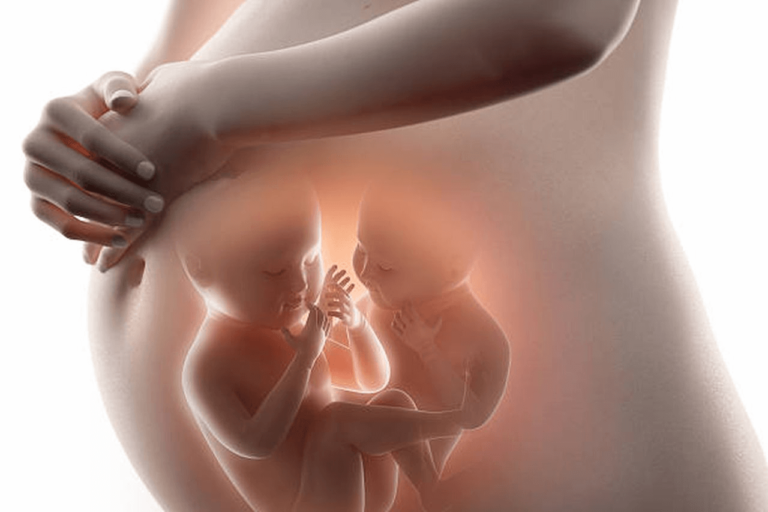
Nutrition is key for pregnant women’s health and their baby’s growth. The American College of Obstetrics and Gynecology (ACOG) says pregnant women need more nutrients. This is to keep them healthy and support their baby’s development.
Proper pregnancy nutrition is about finding the right mix of macronutrients and micronutrients. Not getting enough nutrients can harm both the mother and the baby. It’s important to eat well during pregnancy.
Key Takeaways
- Pregnancy nutrition is vital for maternal and fetal health.
- Both macronutrients and micronutrients play critical roles.
- Nutritional deficiencies can impact pregnancy outcomes.
- A balanced diet is essential for a healthy pregnancy.
- Consulting healthcare providers for personalized nutrition advice is recommended.
The Critical Role of Nutrition During Pregnancy
Pregnancy is a time when nutrition plays a huge role in fetal growth. It’s vital for the health of both mom and baby. Without the right nutrients, pregnancy can face serious risks. So, it’s key for pregnant women to eat well and follow prenatal care recommendations.
How Maternal Nutrition Affects Fetal Development
What mom eats affects how the baby grows. The importance of macronutrients during gestation is huge. They help build the baby’s body.
First Trimester Nutritional Foundations
The first three months set the stage for the baby’s growth. Folate is especially important to prevent birth defects. Eating foods full of macronutrients and micronutrients is essential.
- Foods rich in folate, such as leafy greens and fortified cereals
- Protein sources like lean meats, fish, and legumes
- Whole grains for complex carbohydrates
Organ Development and Nutrient Demands
As pregnancy goes on, the body needs more nutrients. Iron is key for making red blood cells. It helps with the baby’s growth and the mom’s health.
- Iron-rich foods to prevent anemia
- Calcium for fetal bone development
- Omega-3 fatty acids for brain and eye development
By eating right and knowing what nutrients are needed, pregnant women can lower the risk of micronutrient deficiency in pregnancy. This supports a healthy pregnancy.
Understanding Macronutrients vs. Micronutrients
A healthy diet for expectant mothers needs a balance of macronutrients and micronutrients. These are key for fetal growth. Knowing their roles is vital for a healthy pregnancy.
What Are Macronutrients?
Macronutrients give the body energy and are needed in large amounts. They are proteins, carbohydrates, and fats. Each one supports the health of the mother and her baby.
Proteins, Carbohydrates, and Fats Explained
Proteins help build and repair tissues. Carbohydrates are the main energy source for the brain and other organs. Fats help absorb vitamins and keep skin and hair healthy.
- Proteins support fetal growth and development.
- Carbohydrates provide energy for the mother’s body and fetus.
- Fats aid in the absorption of fat-soluble vitamins.
Caloric Value and Daily Requirements
The need for macronutrients changes with each trimester. More calories are needed as the pregnancy goes on. Pregnant women need about 300 extra calories a day in the second and third trimesters.
What Are Micronutrients?
Micronutrients are needed in smaller amounts but are just as important. They include vitamins and minerals that help with many bodily functions during pregnancy.
Vitamins and Minerals: The Pregnancy Essentials
Folic acid helps prevent neural tube defects. Iron helps make red blood cells. Calcium is key for fetal bone growth.
- Folic acid: Prevents neural tube defects.
- Iron: Supports red blood cell production.
- Calcium: Essential for fetal bone development.
Trace Elements and Their Functions
Trace elements like zinc and iodine are important for fetal development and maternal health. Zinc boosts the immune system. Iodine is vital for thyroid function.
- Zinc: Supports immune function.
- Iodine: Crucial for thyroid function.
Macro vs. Micronutrients: What Pregnant Women Really Need
It’s important for pregnant women to know about macronutrients and micronutrients. They need a diet full of both to stay healthy and help their baby grow.
The Balancing Act of Pregnancy Nutrition
Eating the right amount of calories and nutrients is key during pregnancy. It’s not just about eating more. A balanced diet is crucial for both mom and baby’s health.
Macronutrients give energy and help with growth. Micronutrients prevent deficiencies and support the body’s functions. Both are essential for a healthy pregnancy.
Increased Caloric Needs During Pregnancy
As pregnancy goes on, women need more calories. Knowing this is important for the health of both mom and baby.
First Trimester: Minimal Increase
In the first trimester, calorie needs don’t go up much. Women can usually stick to their usual diet, focusing on foods rich in nutrients.
Second and Third Trimesters: Progressive Needs
In the second and third trimesters, calorie needs do go up. The exact amount depends on several factors like age, weight, and activity level. Generally, an extra 300 calories a day are suggested during these trimesters.
| Trimester | Caloric Increase | Nutritional Focus |
|---|---|---|
| First | Minimal | Nutrient-dense foods |
| Second | 300 calories/day | Balanced macronutrients |
| Third | 300 calories/day | Continued balanced diet, increased micronutrients |
A well-planned diet with a variety of foods can meet these needs. Pregnant women should eat whole foods like fruits, veggies, whole grains, lean proteins, and healthy fats.
Essential Macronutrients for Maternal and Fetal Health
Macronutrients are key during pregnancy. They help build the baby and keep the mom healthy. Eating the right mix of these nutrients is very important.
Proteins: Building Blocks for Your Baby
Proteins are vital for the baby’s growth. They help build tissues and make important substances. This is crucial for the baby’s development.
Complete vs. Incomplete Protein Sources
Knowing the difference between complete and incomplete proteins is important. Complete proteins are in animal products like meat and eggs. They have all the amino acids needed. Incomplete proteins are in plants like beans and lack some amino acids. But, you can get all the amino acids by eating different plants together.
Daily Protein Requirements During Pregnancy
Pregnant women need more protein for their baby’s growth. The amount needed changes as the pregnancy goes on. Generally, they should eat about 25 grams more protein each day.
Carbohydrates: Primary Energy Source
Carbohydrates are the main energy source for mom and baby. They are essential for the body’s needs during pregnancy.
Complex Carbohydrates vs. Simple Sugars
Complex carbohydrates like whole grains and fruits are full of fiber and nutrients. They give lasting energy and help control blood sugar. On the other hand, simple sugars in sweets raise blood sugar quickly and should be limited.
Fiber for Digestive Health
Fiber is important for digestion during pregnancy. It helps prevent constipation and keeps blood sugar stable.
By eating the right mix of proteins and carbs, pregnant women can stay healthy and support their baby’s growth. A diet rich in whole foods provides the needed nutrients for a healthy pregnancy.
Key Micronutrients That Support Pregnancy
A well-balanced intake of micronutrients is key for pregnant women. It affects their health and their baby’s development. Certain nutrients are crucial for a healthy pregnancy and avoiding complications.
Folate and Neural Tube Development
Folate is vital for preventing neural tube defects (NTDs) in the fetus. NTDs, like spina bifida and anencephaly, happen early in pregnancy. Often, women don’t even know they’re pregnant yet.
Food Sources of Folate
Folate is found in leafy greens, legumes, and citrus fruits. Eating these foods helps meet daily folate needs.
Folic Acid Supplementation Guidelines
The CDC says all women of childbearing age should take 400 micrograms of folic acid daily. Pregnant women might need more. Always check with a healthcare provider for advice.
Iron: Preventing Anemia and Supporting Oxygen Transport
Iron is crucial for preventing anemia and carrying oxygen to the fetus. Iron deficiency is common in pregnancy due to increased blood volume and fetal demands.
Heme vs. Non-Heme Iron Sources
Iron is in two forms: heme (in animal products) and non-heme (in plants). Heme iron is easier for the body to absorb.
Maximizing Iron Absorption
Eating vitamin C-rich foods with iron-rich foods boosts absorption. Avoid tea and coffee with meals to improve absorption.
| Micronutrient | Role in Pregnancy | Food Sources |
|---|---|---|
| Folate | Prevents neural tube defects | Leafy greens, legumes, citrus fruits |
| Iron | Prevents anemia, supports oxygen transport | Red meat, poultry, beans, fortified cereals |
Getting enough of these micronutrients is crucial for a healthy pregnancy. Pregnant women should talk to their healthcare providers about nutrition and supplements.
Common Nutrient Deficiencies During Pregnancy
Nutrient deficiencies are a big worry during pregnancy. They can harm both mom and baby. Getting enough nutrients is key to avoiding problems and helping the baby grow.
Warning Signs of Nutritional Deficiencies
Pregnant women need to watch for signs of nutrient gaps. These signs can show up in many ways.
Physical Symptoms to Watch For
Look out for fatigue, weakness, and shortness of breath. These could mean you’re low on iron. Other signs might be skin problems or hair loss. These could point to a lack of vitamins or minerals.
When to Consult Your Healthcare Provider
If you notice any odd or lasting symptoms, see your doctor. They can check your health and see if you’re missing any nutrients.
Most Common Deficiencies in American Pregnant Women
In the U.S., some nutrient gaps are more common in pregnant women. Knowing about these can help prevent them.
Iron Deficiency Anemia
Iron deficiency anemia is a big problem during pregnancy. It happens when you don’t have enough iron. This is needed to make hemoglobin, which carries oxygen in your blood.
Vitamin D Insufficiency
Vitamin D is important for bones and the immune system. Low levels during pregnancy can lead to serious issues. So, it’s vital to keep vitamin D levels up.
Knowing about these common gaps and acting early can greatly improve health for both mom and baby.
Practical Meal Planning for Optimal Pregnancy Nutrition
Planning meals well during pregnancy is key for health. A good diet gives both mom and baby the nutrients they need. This is important for a healthy pregnancy.
Creating Balanced Meals with Both Macro and Micronutrients
A balanced diet during pregnancy includes proteins, carbs, fats, vitamins, and minerals. Proteins help the baby grow. Carbohydrates give energy. Healthy fats help with vitamin absorption and brain development.
The Pregnancy Plate Method
The Pregnancy Plate Method makes meal planning easy. Divide your plate into sections. Half for veggies and fruits, a quarter for proteins, and a quarter for whole grains. This keeps your meals balanced.
Meal Composition Guidelines
Here are some meal planning tips:
- Eat a variety of colorful veggies and fruits for vitamins and minerals.
- Choose lean proteins like poultry, fish, and legumes.
- Whole grains like brown rice, quinoa, and whole-wheat bread are full of fiber and nutrients.
Sample Meal Plans for Each Trimester
Different trimesters need different nutrients. Here’s how to adjust your meals.
First Trimester: Managing Nausea While Maintaining Nutrition
In the first trimester, it’s important to manage nausea. Eat small, easy-to-digest meals like crackers, toast, and plain rice. Include ginger and foods rich in vitamin B6 to help with nausea.
Second and Third Trimesters: Meeting Increased Needs
In the second and third trimesters, you need more nutrients. Make sure to eat iron-rich foods like spinach and red meat. Also, include calcium-rich foods like dairy and folate-rich foods like leafy greens.
By following these tips, expectant mothers can give their babies the best nutrition.
Special Dietary Considerations During Pregnancy
Diet is very important for pregnant women with special needs. Women on vegetarian or vegan diets, or with gestational diabetes, need special advice. This ensures a healthy pregnancy.
Vegetarian and Vegan Pregnancies
Vegetarian and vegan pregnancies need careful planning. It’s important to:
- Get enough protein from plants like legumes, nuts, and tofu.
- Make sure to get vitamin B12 from fortified foods or supplements.
- Find ways to get iron and zinc, like eating foods high in vitamin C with iron-rich foods.
Meeting Protein and B12 Requirements
Protein is key for the baby’s growth, and B12 is important for red blood cells. Vegetarians and vegans can get these from plant-based proteins and B12-fortified foods.
Iron and Zinc Strategies for Plant-Based Diets
Iron and zinc help prevent anemia and support the baby’s growth. Eat iron-rich foods with vitamin C to help your body absorb them. Choose zinc-rich foods like beans and nuts.
Managing Gestational Diabetes Through Nutrition
Gestational diabetes needs careful diet management. It’s important to:
- Count carbohydrates to control blood sugar.
- Choose foods with a low glycemic index to avoid big blood sugar spikes.
- Make balanced meals with protein, healthy fats, and complex carbs.
Carbohydrate Counting and Glycemic Index
Knowing the glycemic index and counting carbs helps manage blood sugar. Choose whole foods and watch your portion sizes.
Balanced Meals for Blood Sugar Control
Eat meals with protein, healthy fats, and complex carbs to keep blood sugar stable. Eating regularly throughout the day is best.
Supplements: When and Why They’re Necessary
Expectant mothers might need supplements to get all the nutrients for a healthy pregnancy. A balanced diet is key, but supplements can fill in the gaps.
Prenatal Vitamins: What to Look For
Prenatal vitamins are made to support pregnancy nutrition. It’s important to find ones with key components.
Essential Components of a Quality Prenatal
A quality prenatal vitamin should have folic acid, iron, calcium, and DHA. Folic acid helps prevent neural tube defects. Iron is important for both the mother and baby to avoid anemia.
| Nutrient | Importance | Recommended Daily Intake |
|---|---|---|
| Folic Acid | Prevents neural tube defects | 600-800 mcg |
| Iron | Prevents anemia | 27 mg |
| Calcium | Supports fetal bone development | 1,000 mg |
Timing and Absorption Considerations
It’s best to take prenatal vitamins at the same time every day. This helps with consistency. If you feel nauseous, try taking it before bed or with food.
When Additional Supplementation May Be Needed
Some women might need more than just prenatal vitamins. This includes those with high-risk pregnancies or pre-existing health conditions.
High-Risk Pregnancies
Women with high-risk pregnancies might need extra supplements. A healthcare provider can help decide what’s needed.
Pre-Existing Conditions
Pregnant women with conditions like diabetes or celiac disease may need extra supplements. These help manage their condition during pregnancy.
Understanding supplements and prenatal vitamins helps expectant mothers make better choices. This ensures a healthy pregnancy for both mom and baby.
Conclusion: Nourishing Your Body for a Healthy Pregnancy
A healthy diet and proper nutrition are key for a healthy pregnancy. They support both the mother and the baby. Knowing about macro and micronutrients helps pregnant women make good food choices.
It’s important to focus on pregnancy nutrition for maternal health during pregnancy. A healthy diet for expectant mothers is vital. It gives the baby what they need and keeps the mother healthy.
Women can improve their nutrition by eating whole foods and planning meals well. Sometimes, supplements are needed too. This helps both the mother and the baby, preparing them for a healthy beginning.