Is Intermittent Fasting Safe During Pregnancy? Experts Weigh In

Pregnancy is a time when a woman’s health and nutrition are key for the baby’s growth. The trend of intermittent fasting has raised questions about its safety during pregnancy.
Health experts have different views on this topic. They are studying the effects of fasting during pregnancy closely. It’s important for pregnant women to know how fasting might affect them.
Key Takeaways
- Pregnant women should talk to their doctors before trying fasting.
- Studies on fasting during pregnancy are still coming in, with mixed results.
- Experts stress the need for good nutrition during pregnancy.
- Fasting might affect different stages of pregnancy differently.
- It’s vital to watch health and adjust diet as needed during pregnancy.
Understanding Intermittent Fasting: What It Is and How It Works
Intermittent fasting means eating and fasting in cycles. It’s not a diet but a way of eating that’s getting attention for its health perks. But, is it safe for pregnant women?
Common Intermittent Fasting Methods
There are a few ways to do intermittent fasting. The 16:8 and 5:2 diets are the most well-known. The 16:8 method means fasting for 16 hours and eating in an 8-hour window. The 5:2 diet lets you eat normally for 5 days and limits calories to 500-600 on the other 2 days.
- The 16:8 method is easy to stick to because it’s flexible with meal times.
- The 5:2 diet is harder because of the strict calorie limit on fasting days.
Health Benefits for Non-Pregnant Individuals
Studies show intermittent fasting is good for non-pregnant people. It can improve insulin sensitivity and reduce inflammation. This happens because the body starts using fat for energy when fasting.
How Fasting Affects Metabolism and Hormones
Fasting changes how the body uses energy, moving from glucose to fat. This can lead to weight loss and better metabolic health. It also affects hormone levels, like human growth hormone (HGH) and insulin sensitivity, which can boost metabolism.
Nutritional Needs During Pregnancy
It’s important to know what nutrients you need during pregnancy. This is for the health of both you and your baby. Pregnancy brings big changes, and good nutrition helps support these changes.
Increased Caloric Requirements for Pregnant Women
Pregnant women need more calories to support the growth of the fetus and other tissues. The exact amount depends on how far along you are and your pre-pregnancy diet. Usually, you’ll need about 300 extra calories a day in the second and third trimesters.
Essential Nutrients for Fetal Development
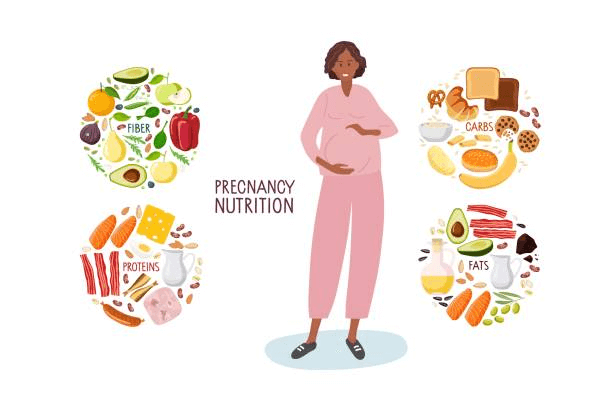
Important nutrients like folic acid, iron, calcium, and protein are key for the baby’s growth. Folic acid helps prevent birth defects, while iron supports blood production for both you and the baby. Calcium is crucial for the baby’s bones, and protein is important for overall growth.
Eating a variety of foods can help you get these nutrients. Include leafy greens, fortified cereals, lean meats, dairy, and legumes in your diet.
The Importance of Consistent Nutrition and Blood Sugar Stability
Staying consistent with your nutrition and keeping blood sugar stable is crucial. Blood sugar swings can lead to problems like gestational diabetes. Eating regular, balanced meals and snacks helps keep blood sugar steady.
Try to avoid too much sugar and refined carbs. Instead, focus on whole, nutrient-rich foods to keep your diet balanced during pregnancy.
Is Intermittent Fasting Safe During Pregnancy? Experts Weigh In
Healthcare professionals have shared their views on the risks of intermittent fasting during pregnancy. As more people try intermittent fasting, pregnant women are curious if it’s safe for them. Experts, including those from the American College of Obstetricians and Gynecologists (ACOG), usually advise against it due to potential risks.
Medical Consensus from ACOG and Other Organizations
The American College of Obstetricians and Gynecologists (ACOG) and other health groups have set guidelines for pregnancy nutrition. ACOG says pregnant women need more nutrients, and intermittent fasting might not provide enough.
Nutritional deficiencies are a big worry during pregnancy, and fasting could make them worse. Experts stress the need for a balanced diet that meets pregnant women’s increased nutritional needs.
| Organization | Guideline | Rationale |
|---|---|---|
| ACOG | Against intermittent fasting | Potential for nutritional deficiencies |
| American Pregnancy Association | Recommend balanced nutrition | Importance of meeting increased nutritional needs |
OB-GYN Perspectives on Fasting Protocols
OB-GYNs are key advisors for pregnant women on what to eat. Many OB-GYNs tell pregnant women to avoid fasting because of the risks to both mom and baby.
Monitoring fetal development and keeping the mom healthy are top priorities for OB-GYNs. They say pregnant women should eat a diet rich in nutrients, not cut calories.
Nutritionist and Dietitian Opinions on Pregnancy Nutrition Timing
Nutritionists and dietitians who focus on pregnancy nutrition stress the need for steady, balanced meals. They warn against skipping meals or cutting calories, as it can cause nutrient deficiencies and affect fetal growth.
Experts suggest that pregnant women eat whole, nutrient-rich foods. They should avoid diets that might cause blood sugar swings or not provide enough nutrients.
Potential Risks of Intermittent Fasting During Pregnancy
Pregnant women thinking about intermittent fasting should know the risks. This diet is popular for losing weight and improving health, but it’s not safe for everyone, especially not during pregnancy.
Blood Sugar Fluctuations and Gestational Diabetes Risk
Intermittent fasting can cause blood sugar to swing, raising the chance of gestational diabetes. This condition is bad for the mom and can harm the baby too. Keeping blood sugar steady is key for the baby’s growth.
Potential Impact on Fetal Growth and Development
Pregnancy needs a lot of nutrients, and fasting might not provide enough. Studies show that not enough food can slow down the baby’s growth and cause developmental problems.
Maternal Health Concerns Including Ketosis
Another worry is ketosis, when the body uses fat for energy because it lacks glucose. It’s important to watch what you eat to avoid this.
| Risks | Description | Potential Impact |
|---|---|---|
| Blood Sugar Fluctuations | Changes in blood sugar levels due to fasting | Increased risk of gestational diabetes |
| Fetal Growth Restrictions | Inadequate nutrient supply to the fetus | Growth and developmental issues |
| Ketosis | Elevated ketone levels in the blood | Maternal health complications |
In summary, while intermittent fasting might seem appealing, it’s not without risks for pregnant women. It’s crucial to talk to a doctor before changing your diet during pregnancy.
Research Findings on Fasting During Pregnancy
Research on fasting during pregnancy has given us important insights. It looks at how fasting affects both mom and baby. It covers topics like religious fasting and eating less calories.
Studies on Religious Fasting (Ramadan) and Pregnancy Outcomes
Fasting during Ramadan is a big deal for many Muslims. Studies on pregnant women fasting during Ramadan show mixed results. Some say fasting can change how mom’s body works and might affect the baby. But others think that fasting in moderation might not harm the baby too much.
A study in the Journal of Clinical Endocrinology and Metabolism found fasting during Ramadan changes mom’s blood sugar and fat levels. These changes could affect the baby’s growth. But the study says we need more research to know for sure.
Scientific Research on Caloric Restriction During Pregnancy
Studies on eating less during pregnancy mostly look at how it affects mom and baby. They found that eating very little can mean the baby doesn’t get enough nutrients. This could make the baby grow too slowly.
| Study | Sample Size | Findings |
|---|---|---|
| Journal of Nutrition | 500 pregnant women | Caloric restriction associated with lower birth weight |
| American Journal of Clinical Nutrition | 300 pregnant women | No significant adverse effects on fetal development with moderate caloric restriction |
Gaps in Current Research and Ethical Considerations
Even with lots of research, we still don’t know a lot about fasting during pregnancy. It’s hard to study because we have to make sure everyone is safe.
We need more research that follows strict rules to keep everyone safe. We should look into how different fasting plans affect pregnancy. And we should find ways to make fasting safer for pregnant women.
Trimester-Specific Nutritional Considerations
Pregnancy has different nutritional needs in each trimester. Good nutrition is key for the health of both mom and baby.
First Trimester: Morning Sickness and Foundational Development
In the first trimester, many women deal with morning sickness. This can make it hard to get the nutrients they need. It’s important to eat foods that are easy to digest and drink plenty of water. Foods high in folate, like leafy greens and fortified cereals, help prevent birth defects.
“Folic acid supplementation has been shown to significantly reduce the risk of neural tube defects,” according to the American College of Obstetricians and Gynecologists.
Second Trimester: Rapid Growth and Increased Nutrient Demands
The second trimester sees the baby grow fast and need more nutrients. Pregnant women should eat a diet full of protein, calcium, and iron. Protein helps the baby grow, and calcium is vital for the baby’s bones, teeth, and muscles.
- More calories are needed to support the growing fetus.
- Enough iron is key to prevent anemia in the mother.
Third Trimester: Final Development and Preparation for Birth
In the third trimester, the focus is on the baby’s growth and getting ready for birth. Nutrient-rich foods are still crucial, with a focus on omega-3 fatty acids for brain development and fiber for digestion.
As pregnancy goes on, drinking plenty of water and managing weight gain become more important. Pregnant women should follow personalized pregnancy nutrition guidelines from their healthcare provider.
When to Consult Healthcare Providers About Diet Changes
Pregnant women should talk to their healthcare providers before making big changes to their diet. This is key to making sure the diet changes meet the pregnancy’s nutritional needs and health goals.
Pre-Pregnancy Planning and Nutritional Counseling
Getting ready for pregnancy and getting nutritional advice can really help. Experts say women planning to get pregnant should learn about the best nutrition. This helps prepare their bodies for pregnancy’s demands.
Warning Signs That Your Diet May Be Inadequate
Pregnant women should watch out for signs their diet might not be enough. These include feeling very tired, dizzy, or noticing changes in how the baby moves. If you see these signs, you should talk to a healthcare provider right away.
| Warning Signs | Possible Nutritional Deficiencies |
|---|---|
| Fatigue, dizziness | Iron deficiency, inadequate caloric intake |
| Changes in fetal movement | Potential glucose or protein imbalance |
Building a Supportive Healthcare Team
It’s important to have a good healthcare team during pregnancy. This team can include doctors, nutritionists, and others. They can give you the care and advice you need.
By talking to healthcare providers and knowing the signs of a bad diet, pregnant women can make smart choices. This helps keep them and their baby healthy.
Healthier Alternatives to Intermittent Fasting for Pregnant Women
During pregnancy, it’s key to eat foods rich in nutrients. Instead of fasting, pregnant women can try other ways to stay healthy. These methods focus on good health for both mom and baby.
Balanced Meal Planning Approaches for Optimal Nutrition
A balanced diet is vital during pregnancy. Pregnant women should eat a variety of whole foods. This includes fruits, vegetables, whole grains, lean proteins, and healthy fats.
Here’s a sample meal plan:
| Meal | Foods Included | Nutritional Benefits |
|---|---|---|
| Breakfast | Oatmeal with fruits and nuts | Rich in fiber, vitamins, and minerals |
| Lunch | Grilled chicken with quinoa and vegetables | High in protein, complex carbohydrates, and essential vitamins |
| Dinner | Baked salmon with sweet potatoes and green beans | Rich in omega-3 fatty acids, vitamins, and minerals |
Mindful Eating Strategies During Pregnancy
Mindful eating means listening to your body’s hunger and fullness signals. It’s about eating slowly and enjoying your food. Dr. Susan Roberts says, “Mindful eating can help pregnant women have a better relationship with food and their bodies.”
“Eating mindfully allows you to tune into your body’s needs and make more informed choices about the food you eat.”
Some mindful eating tips include eating without distractions, using smaller plates, and stopping when you’re satisfied, not stuffed.

Safe Ways to Manage Healthy Weight Gain
Managing weight gain during pregnancy is important for both mom and baby. The American College of Obstetricians and Gynecologists (ACOG) suggests weight gain based on pre-pregnancy BMI. Safe ways to manage weight include:
- Eating nutrient-dense foods
- Staying hydrated
- Engaging in regular physical activity as recommended by a healthcare provider
By focusing on balanced meals, mindful eating, and safe weight management, pregnant women can support their health and their baby’s health.
Conclusion: Prioritizing Mother and Baby’s Health
The health of both mother and baby is crucial during pregnancy. Experts warn against intermittent fasting due to its risks. These risks include problems with blood sugar, fetal growth, and the mother’s health.
Before making any diet changes, it’s key to talk to healthcare providers. They can help ensure you get the right nutrients. Is intermittent fasting safe during pregnancy? Most doctors say no, because of the dangers it poses.
Experts suggest focusing on balanced meals to meet nutritional needs. Eating nutrient-rich foods and being mindful of what you eat is important. This helps keep both mother and baby healthy.
Choosing a diet or fasting plan during pregnancy should involve a healthcare provider. By prioritizing health, women can have a safe and successful pregnancy. This benefits both the mother and the baby.