Iron-Rich Foods for Babies: Why and When They Need It
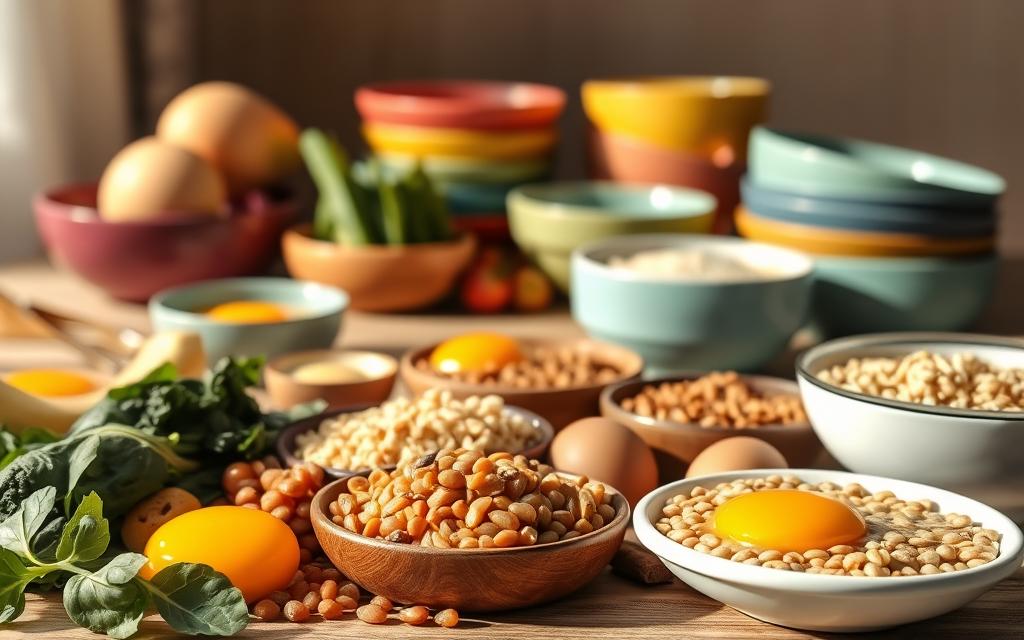
Babies need iron for healthy growth and development. This essential mineral is key for making hemoglobin. Hemoglobin carries oxygen to all parts of the body.
As babies grow, their iron stores, built up during fetal development, start to run low. It’s important to add iron-rich foods to their diet early. This helps prevent iron deficiency.
Knowing the importance of iron in a baby’s diet is key for parents. Iron helps with brain development, energy, and overall health.
Key Takeaways
- Iron is vital for a baby’s healthy growth and development.
- Babies’ iron stores deplete as they grow, needing dietary supplementation.
- Introducing iron-rich foods at the right time is essential.
- Iron supports cognitive development and energy production.
- A well-balanced diet with iron-rich foods is vital for overall health.
The Critical Role of Iron in Infant Development
Iron is very important for babies. It helps them grow in many ways. It’s key for making hemoglobin, which carries oxygen, and for brain growth.
How Iron Supports Brain Development
Iron is essential for the brain and nervous system. It helps make neurotransmitters and supports nerve signal transmission. Adequate iron intake during infancy is linked to better cognitive and motor development outcomes.
Iron’s Function in Blood Production
Iron is vital for making hemoglobin in red blood cells. Hemoglobin carries oxygen to the body. Without enough iron, babies can get anemia, leading to tiredness and poor brain function.
Long-term Benefits of Adequate Iron Intake
Getting enough iron early on has lasting benefits. It helps with thinking, learning, and behavior. A diet rich in iron supports overall health and growth.
| Age | Iron Needs | Food Sources |
|---|---|---|
| 0-6 months | 0.27 mg/day | Breast milk or iron-fortified formula |
| 7-12 months | 11 mg/day | Iron-rich foods like meat, beans, and fortified cereals |
| 1-3 years | 7 mg/day | Variety of iron-rich foods, including meat, poultry, fish, and fortified cereals |
When Do Babies Need Iron-Rich Foods?
Iron-rich foods are important for a baby’s diet. But when should they start eating them? The need for iron changes as a baby grows.
Iron Needs from Birth to 6 Months
Full-term babies are born with iron from their mother’s blood. For the first six months, breastfed babies get enough iron from their mother’s milk. But, it’s important to watch their iron levels if they’re not gaining weight right.
The 6-Month Milestone: Why Iron Becomes Crucial
By six months, babies use up their iron and breast milk isn’t enough. At this time, iron-rich foods become very important. They help prevent iron deficiency.
Iron Requirements for Babies 6-12 Months
Babies from 6 to 12 months need a lot of iron. Foods like fortified cereals, meat, and pureed vegetables are good sources. It’s best for babies in this age to eat iron-rich foods every day.
Toddler Iron Needs (12-24 Months)
When babies turn into toddlers (12-24 months), they need a variety of iron-rich foods. Toddlers need about 7 mg of iron each day. Foods like lean meats, beans, and iron-fortified cereals are great for them.
Knowing how much iron babies need at each stage is important. It helps make sure they get the right nutrition for growing and developing.
Iron-Rich Foods for Babies: Why and When They Need It
It’s important for babies to get enough iron as they start eating solid foods. This change is a big step in their growth. Iron is key for their health.
The Transition from Breast Milk to Solid Foods
By six months, babies need more iron than breast milk offers. That’s when they need iron-rich foods. Adding different iron-rich foods helps meet their needs.
Recommended Daily Iron Intake by Age
The amount of iron a baby needs changes with age. Infants from 7 to 12 months need 11 mg a day. Toddlers aged 1-3 years need 7 mg a day. Getting the right iron is important for their growth.
| Age Group | Recommended Daily Iron Intake (mg) |
|---|---|
| 7-12 months | 11 |
| 1-3 years | 7 |
Factors Affecting Iron Absorption in Infants
Several things can affect how well a baby absorbs iron. Vitamin C helps, but tea or coffee can block it. Knowing this helps parents choose the best foods for their baby.
Iron-fortified baby cereals are a good source of iron. Adding Vitamin C-rich foods, like pureed fruits, boosts iron absorption.
Signs and Symptoms of Iron Deficiency in Babies
It’s important to spot iron deficiency in infants early. Iron is key for their growth, and a lack can cause health problems.
Physical Symptoms to Watch For
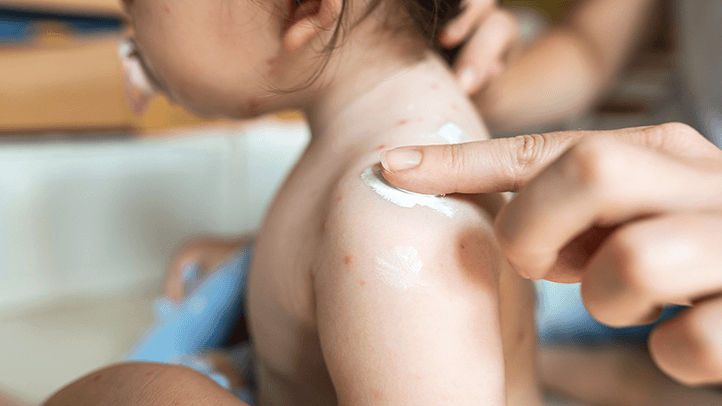
Babies with iron deficiency might look pale, gain weight slowly, and eat less. Pale skin is a common sign, showing they don’t have enough red blood cells.
Behavioral Changes That May Indicate Deficiency
Iron deficiency can also change a baby’s behavior. They might get irritable or move less. These signs are small, so watch your baby’s actions closely.
When to Consult Your Pediatrician
If you see signs of iron deficiency in your baby, see your pediatrician. They can check your baby’s health and suggest iron supplements if needed.
| Symptom | Description |
|---|---|
| Pale Skin | Lack of healthy red blood cells |
| Slow Weight Gain | Inadequate iron affecting overall growth |
| Irritability | Behavioral changes due to iron deficiency |
Best Animal-Based Iron Sources for Babies
Adding iron-rich animal foods to your baby’s diet is key for their growth. As they get older, they need more iron. Animal foods are a big help in meeting this need.
Introducing Meat to Your Baby’s Diet
Meat is a top iron source, thanks to heme iron. It’s easier for the body to absorb than iron from plants. Start with small amounts of meat and slowly increase it.
Beef and Lamb Options
Beef and lamb are full of iron. You can introduce them to babies at 6 months. Choose lean cuts and cook them until soft.
Poultry Choices
Chicken and turkey are also good for iron. Always cook them well to avoid sickness.
Fish and Seafood Iron Sources
Fish like salmon and sardines are iron-rich and full of omega-3s. These are great for brain growth. But, watch out for mercury in fish and pick low-mercury ones.
| Fish Type | Iron Content | Mercury Level |
|---|---|---|
| Salmon | High | Low |
| Sardines | High | Low |
| Shark | Variable | High |
Egg Yolks: A Versatile Iron Option
Egg yolks are a great iron source for babies. They’re easy to add to meals. Hard-boil eggs, mash yolks, and mix with milk or formula.
“Eggs are an excellent first food for babies due to their high nutritional value, including iron, protein, and vitamins.”
Simple Meat Preparation Methods for Babies
When preparing meat for babies, cook it until it’s tender. Then, chop or puree it finely. You can mix it with veggies or fruits for a complete meal.
Adding these animal-based iron sources to your baby’s diet is important. It helps them grow strong and healthy.
Plant-Based Iron-Rich Foods for Infants
Plant-based iron sources are key for infants, helping them grow fast. As babies start eating solid foods, parents can add iron-rich plant foods to their meals.
Legumes and Beans for Baby Meals
Legumes and beans are great for infants’ iron needs. You can mix them into pureed lentils or mashed beans. Black beans, chickpeas, and kidney beans are good choices, packed with iron and other nutrients.
Iron-Rich Vegetables for Babies
Some veggies are iron-rich and easy to add to baby meals. Spinach, broccoli, and kale can be steamed and pureed for babies.
Whole Grains and Their Iron Content
Whole grains are also good for babies’ iron needs. Foods like quinoa, brown rice, and whole wheat have iron and are part of a balanced diet.
Fruits That Contain Iron and Support Absorption
Some fruits, though not as iron-rich, help absorb iron better. Vitamin C-rich fruits like oranges, strawberries, and kiwi boost iron absorption when eaten with iron-rich foods.
Combining Plant Foods for Better Iron Absorption
Mixing different plant foods can improve iron absorption. Pairing iron-rich foods with vitamin C-rich foods boosts absorption. Try serving vitamin C-rich fruits like sliced oranges with iron-rich meals.
| Food | Iron Content | Tips for Preparation |
|---|---|---|
| Lentils | High | Puree cooked lentils for baby-friendly consistency |
| Spinach | High | Steam and puree with garlic for added flavor |
| Quinoa | Moderate | Cook and mix with vegetables for a nutritious meal |

Adding these plant-based iron-rich foods to your infant’s diet supports their growth and development.
Iron-Fortified Baby Cereals and Products
Many parents choose iron-fortified baby cereals for their babies. These cereals are easy to use and provide essential iron. As babies grow, they need more iron in their diet.
Benefits of Iron-Fortified Baby Cereals
Iron-fortified cereals are a key source of iron for babies starting at 6 months. They make it easy to ensure babies get enough iron. The main benefit is preventing iron deficiency, a common problem in infants.
How to Choose the Best Iron-Fortified Products
When picking iron-fortified cereals, read labels closely. Look for products that are rich in iron but low in sugar and salt. Choosing single-ingredient cereals can also lower allergy risks.
Preparing Iron-Fortified Cereals Properly
It’s important to prepare iron-fortified cereals right to get the most nutrition. Mix with breast milk, formula, or water for the right texture. Adding other iron-rich foods can also boost iron intake.
Beyond Cereals: Other Fortified Baby Foods
There are other fortified baby foods that can help with iron intake. These include some pureed meats and vegetables with iron. Always check the labels to meet your baby’s nutritional needs.
Creating Balanced, Iron-Rich Baby Meals
Balanced, iron-rich meals for babies are more than just food. They help babies grow and develop healthily. As babies get older, their diet needs change. It’s important for parents to know how to make meals that are both healthy and tasty.
Age-Appropriate Meal Planning
Meal planning for babies should match their age and growth stage. For 6-month-old babies, starting with iron-rich foods like pureed meats or iron-fortified cereals is a good idea. Around 8-12 months, you can add more iron-rich foods like mashed beans, lentils, and finely chopped meat.
Sample Meal Plans for Different Stages
For younger babies (6-8 months), a meal plan could include iron-fortified rice cereal with breast milk or formula. Add pureed chicken or beef. For older babies (8-12 months), introduce more textured foods like mashed lentil soup or finely chopped turkey. Mix it with vitamin C-rich foods like mashed peaches to help iron absorption.
Food Combinations That Enhance Iron Absorption
Combining iron-rich foods with vitamin C-rich foods boosts iron absorption. For example, iron-fortified cereal with sliced bananas or orange juice is beneficial. Vitamin C-rich foods like bell peppers, broccoli, and tomatoes are great additions to iron-rich meals.
Easy Iron-Rich Recipes for Busy Parents
Busy parents can try simple recipes like iron-fortified oatmeal with sliced fruit or lentil soup with steamed broccoli. Preparing meals ahead and storing them in the fridge or freezer saves time. This way, your baby gets the nutrients they need.
Pediatric nutrition experts say, “Ensuring enough iron is key for babies’ growth.” By following these tips, you can help your baby get enough iron.
Foods That Help and Hinder Iron Absorption
Certain foods can either help or hurt iron absorption, which is important for your baby’s health. Knowing which foods do what is key to getting enough iron.
Vitamin C: Iron’s Best Friend
Vitamin C makes it easier for the body to absorb non-heme iron. Foods like citrus fruits, strawberries, and bell peppers are full of Vitamin C. Eating these foods with iron-rich foods can help a lot.
Foods That Block Iron Absorption
Some foods and drinks can make it harder for the body to absorb iron. Coffee, tea, and milk are examples. Try to have these less when you’re eating foods high in iron.
Timing of Iron-Rich Foods and Milk
When you give your baby iron-rich foods and milk is important. It’s best to give them at different times. This helps your baby absorb more iron.
Strategic Food Pairings for Maximum Benefit
Pairing iron-rich foods with Vitamin C-rich foods can boost absorption. For instance, mixing mashed iron-fortified cereal with sliced oranges is a good idea.
| Food | Effect on Iron Absorption |
|---|---|
| Citrus Fruits | Enhances |
| Milk | Hinders |
| Vitamin C-rich Foods | Enhances |
| Coffee and Tea | Hinders |
Overcoming Challenges: Picky Eaters and Iron-Rich Foods
Dealing with picky eaters can be tough for parents. Iron is key for baby growth, helping the brain and making red blood cells. It’s hard to get babies to eat iron-rich foods when they’re picky.
Creative Ways to Introduce Iron-Rich Foods
Try different forms of iron-rich foods. If your baby doesn’t like red meat, try iron-fortified cereals or legumes like lentils and chickpeas. Mixing these into familiar dishes can make them more appealing.
Hiding Iron-Rich Ingredients in Favorite Dishes
Parents can sneak finely chopped spinach or minced meat into their baby’s favorite meals. This trick works well for babies who don’t like to try new foods.
Making Mealtime Positive and Stress-Free
Mealtime should be fun and stress-free. Don’t force your baby to eat. Instead, offer many foods and make mealtime interactive. This encourages them to try new things.
When to Be Patient vs. When to Worry
Be patient with your picky eater. It might take a few tries for them to accept a new food. But, if you notice signs of iron deficiency like pale skin or low energy, talk to your pediatrician.
| Iron-Rich Food | Preparation Method | Age to Introduce |
|---|---|---|
| Iron-fortified cereal | Mix with breast milk or formula | 6 months |
| Pureed red meat | Steam and blend | 8 months |
| Lentils | Cook and puree | 8 months |
With creativity and patience, parents can help their picky eaters get the iron they need for healthy growth.
Special Considerations for Vegetarian and Vegan Babies
Parents of vegetarian and vegan babies need to watch out for iron. It’s key for their growth on a plant-based diet.
Meeting Iron Needs Without Animal Products
Plant-based iron is harder for the body to absorb than animal iron. But, there are ways to help. Legumes, beans, and lentils are great for iron and can be mashed for babies. Vitamin C boosts iron absorption, so eating foods like citrus fruits with iron-rich foods is good.
Supplementation Considerations
At times, supplements might be needed to meet iron needs. Always talk to a pediatrician before starting any supplements.
Working with Your Pediatrician on Plant-Based Diets
A pediatrician can offer tailored advice on plant-based diets for babies. They can check iron levels and suggest foods or supplements. Regular visits are key to ensure your baby gets all nutrients.
Balanced Meal Planning for Plant-Based Babies
Creating a balanced diet for plant-based babies means mixing iron-rich foods with absorption boosters. Fortified cereals and dark leafy greens are good choices. Meal plans should match the baby’s age and growth needs.
Conclusion: Ensuring Your Baby Gets Enough Iron
It’s very important for your baby to get enough iron. Iron helps with brain growth, making blood, and overall health. By adding iron-rich foods at the right time, parents can help their babies grow well.
Iron is key in a baby’s diet. Foods like meat, fish, legumes, and fortified cereals are great sources. Knowing how to boost iron absorption helps parents meet their baby’s needs.
Following the advice in this article helps parents give their babies a diet full of iron. This sets them up for a healthy life ahead.