Inside Performance Anxiety: The Brain’s Most Misunderstood Reflex

Performance anxiety is a common issue that affects many people. It can happen to athletes, musicians, and even public speakers. This feeling of fear or worry can really hold someone back from doing their best.
This mental health problem can be really tough. It makes people feel too anxious and worried about how they’ll do. Knowing what causes and affects performance anxiety is key to solving it.
In this article, we’ll explore what performance anxiety is. We’ll look at how it affects mental health and what you can learn from our discussion.
Key Takeaways
- Understanding the concept of performance anxiety and its impact on mental health.
- The significance of addressing performance anxiety to improve overall well-being.
- Strategies to manage and overcome performance anxiety.
- The importance of mental health support in dealing with performance anxiety.
- Practical tips for individuals to cope with performance anxiety.
Understanding Performance Anxiety
Performance anxiety is a common issue, but it’s often not well understood. It affects people in many areas, like sports, arts, and school. It makes it hard for them to do their best.
What Defines Performance Anxiety
Performance anxiety is feeling scared or worried before a big event. It’s a deep fear of failing or being judged badly. This fear can show up in many ways, like physical symptoms, thoughts, and actions.
Physical symptoms might be shaking, sweating, or a fast heartbeat. Cognitive symptoms include negative thoughts and fear of not doing well. People might also avoid big events or do poorly because of their anxiety.
How It Differs from General Anxiety
General anxiety is a wide feeling of worry or fear. But performance anxiety is only triggered by situations where you’re being judged or evaluated. This shows how specific performance anxiety is.
The Prevalence in American Society
In America, performance anxiety is a big problem. It affects people of all ages and backgrounds. It’s common in schools, workplaces, and among professional athletes and performers. Knowing how widespread it is can help us find ways to deal with it.
By spotting the signs of performance anxiety, people can start to manage it. This can help them do better in their performances.
The Neurobiology Behind Performance Anxiety
Performance anxiety is closely linked to how our brains work. It involves areas like the amygdala and prefrontal cortex. To grasp how anxiety shows up, we must look at the brain’s inner workings.
Brain Regions Involved
Several brain areas are key in performance anxiety. The amygdala and prefrontal cortex are two main ones.
The Amygdala’s Central Role
The amygdala is a small almond-shaped part of the brain. It deals with emotions like fear and anxiety. When we see a threat or feel pressure, the amygdala kicks in. It sets off a chain of reactions that get us ready to act.
Prefrontal Cortex Function
The prefrontal cortex helps with making decisions, planning, and controlling emotions. In anxiety, it can both think clearly and add to the anxiety. It worries about what might happen if we fail.
Stress Hormones and Neurotransmitters
Stress hormones and neurotransmitters are key in how we handle anxiety. Knowing their roles helps us manage our anxiety better.
Cortisol and Adrenaline Effects
Cortisol and adrenaline are stress hormones released when we’re anxious. Cortisol gets us ready to face stress by using our energy. Adrenaline gets us ready to ‘fight or flight’ by increasing heart rate and energy.
- Cortisol: Mobilizes energy resources and aids in stress response.
- Adrenaline: Prepares the body for immediate action.
GABA and Serotonin Imbalances
GABA (Gamma-Aminobutyric Acid) and serotonin are neurotransmitters that control anxiety. GABA calms down the brain, while serotonin affects our mood. When these are out of balance, we feel more anxious.
- GABA: Helps in reducing neuronal excitability.
- Serotonin: Influences mood and anxiety levels.
Knowing how our brains handle performance anxiety helps us manage it better. By understanding brain areas and the effects of stress hormones and neurotransmitters, we can find ways to cope with anxiety.
Inside Performance Anxiety: The Brain’s Most Misunderstood Reflex
How we see performance anxiety affects how we deal with it. Many think it’s all bad, but it’s more complex. It can hurt or help our performance.
Why We Misinterpret Our Anxiety Response
Performance anxiety sets off many physical and mental reactions. Our body gets ready for a challenge by releasing stress hormones. But we often see this as just bad.
This natural response can actually help us perform better. The problem is when it doesn’t match the situation, causing too much anxiety. It’s important to understand and manage this response well.
The Evolutionary Purpose of Performance Anxiety
Performance anxiety has roots in evolution. It helped our ancestors prepare for dangers. Today, it helps us get ready for big challenges like performances.
This shows that performance anxiety isn’t something to get rid of. It’s about learning to use it to our advantage. Recognizing its role can help us manage it better.
The Yerkes-Dodson Law: Optimal Arousal
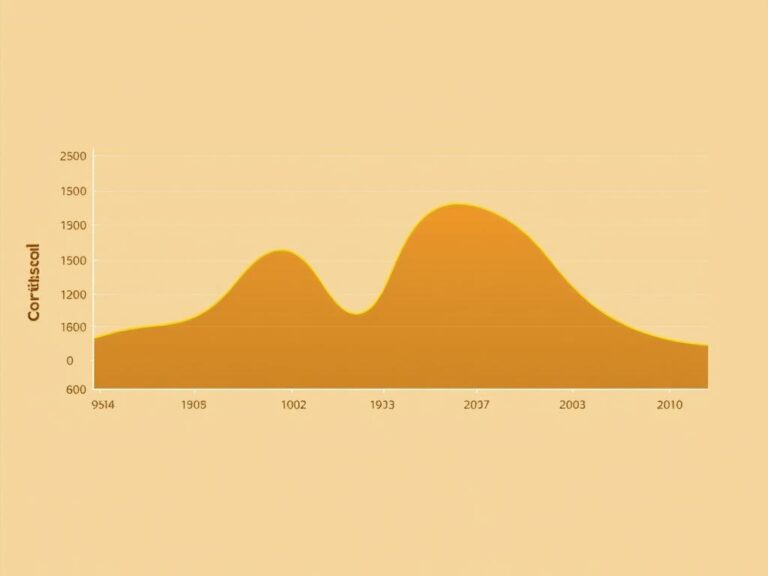
The Yerkes-Dodson Law says there’s a perfect level of excitement for top performance. Too little, and we’re not motivated. Too much, and we’re overwhelmed. The goal is to find that sweet spot.
Knowing the Yerkes-Dodson Law helps us control our anxiety. It’s about recognizing when we’re too calm or too stressed. Then, we can adjust to perform our best.
Seeing performance anxiety as a natural response we can manage changes everything. It turns a stress into a tool that boosts our performance.
The Fight-or-Flight Response in Performance Settings
Performance anxiety can trigger the fight-or-flight response. This ancient mechanism helps us react to danger. But, it often gets in the way of our best performance. It affects our body and mind, impacting how we do in different situations.
Physical Manifestations
The fight-or-flight response shows up quickly and strongly. It affects our heart rate, breathing, and muscle tension.
Heart Rate and Breathing Changes
When we’re in fight-or-flight mode, our heart beats faster and we breathe quicker. This can cause hyperventilation, leading to dizziness. Using breathing techniques can help manage these symptoms.
Muscle Tension and Tremors
Muscle tension leads to tremors or stiffness. This can be a big problem in tasks that need fine motor skills, like playing music or surgery.
“The tension in my body was so intense that my hands were shaking uncontrollably,” said a pianist experiencing performance anxiety.
Cognitive Effects
The fight-or-flight response also affects our mind. It can mess with our memory, concentration, and how we think.
Memory and Concentration Impacts
When we’re in fight-or-flight mode, focusing and remembering things can be hard. Our body is wired to react fast, not think deeply.
Negative Thought Patterns
It also leads to negative thoughts. Our mind worries about danger or failure. This can make anxiety worse, hurting our performance even more.
To deal with these effects, we need good coping strategies and stress management methods. Knowing how the fight-or-flight response works helps us prepare for anxiety. This way, we can do better in stressful situations.
Common Triggers of Performance Anxiety
It’s important to know what triggers performance anxiety to manage it better. Performance anxiety can happen in many situations, affecting people in different ways.
Public Speaking and Presentations
Public speaking or presentations often trigger performance anxiety. The fear of being judged can make it hard to speak clearly.
Athletic Competitions
Athletes face performance anxiety in competitions. The pressure to perform well can distract them from their game.
Creative Performances
Musicians, actors, and performers also deal with performance anxiety. The fear of mistakes can be overwhelming.
High-Stakes Testing and Evaluations
Students and professionals under pressure to perform well also experience performance anxiety. The stress of high-stakes tests can be intense.
Knowing these triggers is key to managing stress and doing better under pressure.
Performance Anxiety Across Different Populations
Performance anxiety affects people in many ways, from young students to experienced professionals. It depends on age, job, and the task at hand.
Children and Adolescents
Young people often feel anxious during school tests or presentations. The American Psychological Association says anxiety is common in kids. It can hurt their school work and how they interact with others. “Kids often feel the pressure to perform well, not just from parents and teachers but also from themselves.”
Professional Performers
Actors, musicians, and dancers face huge pressure to be perfect. A study in the Journal of Clinical Psychology shows they worry a lot about failing.
“The pressure to constantly produce high-quality performances can lead to burnout and anxiety disorders if not managed properly.”
Business Professionals
Workplace anxiety is common, affecting many employees. It’s seen in presentations, meetings, or when deadlines are near. Stress management is key for keeping mental health and work performance up. As Forbes points out, “Executives and managers often struggle with performance anxiety, which can impact their career advancement and overall job satisfaction.”
Athletes and Competitors
Athletes also deal with a lot of anxiety. The need to win and fear of injury can cause a lot of stress. “Sports psychologists emphasize the importance of mental preparation techniques to help athletes manage their anxiety and perform optimally.” They use methods like visualization and positive self-talk to help.
The Impact of Performance Anxiety on Professional Life
Performance anxiety can really affect your job and career. It can make you nervous about speaking in public, meeting deadlines, and handling team tasks.
Career Advancement Challenges
Those with performance anxiety might find it hard to move up in their careers. This can include:
- Fear of taking on new responsibilities
- Avoiding networking opportunities
- Difficulty in asserting themselves in meetings
Workplace Performance Issues
Performance anxiety can also cause problems at work. You might work less efficiently or have trouble managing your time. Effective stress management techniques are key to overcoming these issues.
Imposter Syndrome Connection
There’s a strong link between performance anxiety and imposter syndrome. People with imposter syndrome doubt their skills and feel like they’re pretending to be something they’re not. This can make anxiety worse and slow down your career progress.
It’s important to understand how performance anxiety affects your job. By facing these challenges, you can start to overcome them and reach your career goals.
Cognitive Behavioral Approaches to Managing Performance Anxiety
Performance anxiety can really hold you back. But, cognitive behavioral techniques offer a strong way to tackle it. By focusing on the thoughts behind anxiety, you can learn to handle it better.
Cognitive Restructuring Techniques
Cognitive restructuring is key in cognitive behavior therapy. It helps you spot and change negative thoughts that fuel performance anxiety.
Identifying Cognitive Distortions
The first step is to spot cognitive distortions like all-or-nothing thinking. Mindfulness helps by making you more aware of your thoughts.
Developing Balanced Thinking
After spotting distortions, you can work on balanced thinking. This means challenging negative thoughts and replacing them with positive ones. It’s a big part of stress management.
Exposure Therapy Methods
Exposure therapy is another great way to deal with performance anxiety. It involves slowly facing the things that make you anxious. This helps you feel more at ease and confident.
Mindfulness-Based Interventions
Mindfulness is also very helpful. It helps you stay in the present, reducing worries about the future or past.
Present-Moment Awareness
Being aware of the present is at the heart of mindfulness. It teaches you to focus on now without judgment. This can lower anxiety by cutting down on worries.
Acceptance Strategies
Acceptance strategies work well with mindfulness. They teach you to accept your thoughts and feelings instead of fighting them. This can make you less anxious and improve your performance.
By using these cognitive behavioral methods every day, you can find better ways to cope with performance anxiety. This not only boosts your performance but also makes you feel better overall.
Physiological Strategies for Anxiety Management
Managing anxiety well means knowing and using different body strategies. These methods help people handle their anxiety, so they can do their best when it matters most.
Breathing Techniques
Breathing techniques are key in managing anxiety. They calm the nervous system and lower stress.
Diaphragmatic Breathing
Diaphragmatic breathing, or belly breathing, uses the diaphragm to slow down breathing and relax. This method is great for reducing anxiety by keeping the mind on the breath and away from worries.
Box Breathing Method
The box breathing method is about breathing in for four counts, holding for four, exhaling for four, and holding again for four. This makes a ‘box’ shape with the breath, bringing calm and focus.
Progressive Muscle Relaxation
Progressive muscle relaxation is about tensing and relaxing different muscle groups. It helps release the physical tension that comes with anxiety.
Exercise and Nutrition Impact
Regular exercise and a healthy diet are important for managing anxiety. Exercise cuts down stress hormones, and a good diet gives the brain what it needs to function well.
Pre-Performance Routines
Having pre-performance routines that include physical warm-ups, healthy eating, and relaxation techniques helps get ready for tough situations.
Professional Treatment Options
It’s important to know about professional treatments for performance anxiety. This anxiety can affect many areas of life, like public speaking or sports. Luckily, there are many ways to manage it.
Therapy Approaches
Therapy is key in treating performance anxiety. Two top methods are:
Cognitive Behavioral Therapy
Cognitive Behavioral Therapy (CBT) helps people change negative thoughts and behaviors. It teaches coping strategies to lessen anxiety. This can greatly reduce performance anxiety.
Performance Psychology
Performance Psychology aims to improve performance by managing anxiety and boosting confidence. It’s great for athletes and those in high-stress jobs.

Medication Considerations
Medication might be part of the treatment plan for performance anxiety. The most common types are:
Beta Blockers
Beta Blockers reduce physical anxiety symptoms like tremors. They’re used by performers and athletes to control stage fright.
Anti-Anxiety Medications
Anti-anxiety medications help with anxiety symptoms. But, they’re usually used for short periods because of dependency risks and side effects.
When to Seek Professional Help
If performance anxiety is really affecting your life, get help. A mental health expert can diagnose and suggest the best treatment for you.
Conclusion: Reframing Performance Anxiety as a Tool
Understanding performance anxiety is key to success in many areas. It affects mental health but can be managed. This way, it can become a force for doing well.
Strategies like changing how we think, facing fears, and being mindful help a lot. Also, breathing exercises, relaxing muscles, and living a balanced life are important. They help us feel better overall.
Seeing performance anxiety as something we can handle opens up new possibilities. With the right approach, it can help us grow, not hold us back.