
How Your Nutritional Needs Shift During Pregnancy Trimesters
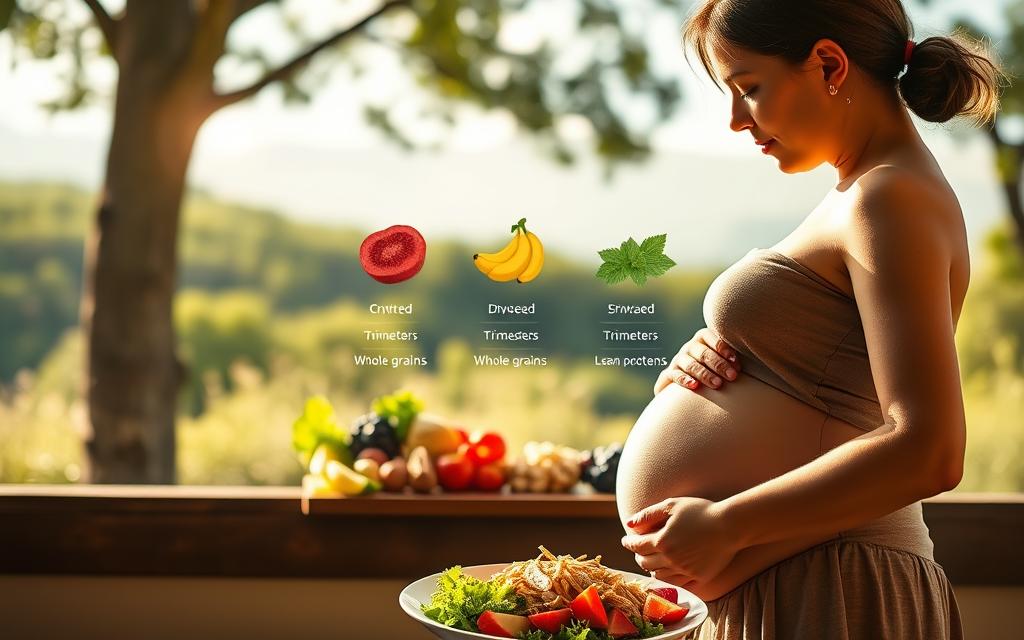
Knowing what you need nutritionally during pregnancy is key for your health and your baby’s. The Academy of Nutrition and Dietetics says a healthy pregnancy includes the right weight gain, a balanced diet, regular exercise, and supplements.
As you move through each trimester, your nutritional needs change. Eating well supports your baby’s growth. The Dietary Guidelines for Americans, 2020-2025, stress the need for good nutrition before, during, and after pregnancy.
Key Takeaways
- A healthy lifestyle during pregnancy includes a balanced diet and regular exercise.
- Nutritional requirements evolve as pregnancy progresses through different trimesters.
- Good nutrition is crucial for the baby’s growth and development.
- The Dietary Guidelines for Americans provide valuable recommendations for pregnant women.
- Timely vitamin and mineral supplementation is important during pregnancy.
The Foundation of Maternal Nutrition
Proper nutrition is key for a healthy pregnancy. It keeps the mother healthy and supports the baby’s growth.
Why Proper Nutrition Matters for Mother and Baby
Nutrition during pregnancy is vital. It affects the baby’s health and growth. A well-nourished mother is more likely to have a healthy baby. The U.S. Public Health Service suggests all women of childbearing age take 400 micrograms (0.4 mg) of folic acid daily. This helps prevent neural tube defects.
Key Nutrients Throughout Pregnancy
Several nutrients are crucial during pregnancy. These include folic acid, iron, calcium, and protein. It’s important to know their value and add them to your diet.
| Nutrient | Importance | Food Sources |
|---|---|---|
| Folic Acid | Prevents neural tube defects | Leafy greens, fortified cereals |
| Iron | Supports the mother’s and baby’s health | Red meat, beans, fortified cereals |
| Calcium | Essential for baby’s bone development | Dairy products, leafy greens |
| Protein | Supports overall growth and development | Meat, poultry, fish, beans |
Preparing Your Body: Pre-Pregnancy Nutrition
Getting your body ready nutritionally before pregnancy is key. Eating well and living healthily before you conceive helps. It makes sure your body has what it needs for your baby’s growth.
Building Nutritional Reserves
It’s important to build up your nutritional stores before pregnancy. You should eat a balanced diet full of important nutrients like folic acid, iron, and calcium. Women should also eat about 340-450 extra calories a day from healthy foods during the second and third trimesters.
| Nutrient | Importance | Food Sources |
|---|---|---|
| Folic Acid | Prevents birth defects of the brain and spine | Leafy greens, citrus fruits, fortified cereals |
| Iron | Supports the production of red blood cells | Red meat, poultry, fish, beans, lentils |
| Calcium | Essential for fetal bone development | Dairy products, fortified plant-based milk, leafy greens |
Important Nutrients Before Conception
Eating the right foods before you get pregnant is vital. Key nutrients include folic acid, iron, and omega-3 fatty acids. These help your baby grow and keep you healthy.
Lifestyle Adjustments for Optimal Fertility
Changing your lifestyle can boost your fertility. Keep a healthy weight, exercise often, and manage stress. A good diet and healthy habits can make you more fertile and support a healthy pregnancy.
First Trimester: Nutritional Needs During Early Development
Knowing what nutrients you need in the first trimester is key for a healthy pregnancy. The food you eat during this time is very important for your baby’s growth.
Managing Morning Sickness While Maintaining Nutrition
Morning sickness can make it hard to eat enough. Eating small, frequent meals can help. Also, choose foods that are easy to digest, like crackers or toast.
Critical Nutrients for Embryonic Development
The first trimester is very important for your baby’s growth. Some nutrients are more important than others.
Folate and Neural Tube Development
Folate is key to preventing birth defects of the brain and spine. Eat foods high in folate, like dark green, leafy vegetables, citrus fruits, and fortified cereals. Getting enough folate is crucial.
Protein Requirements for Cell Growth
Protein is vital for your baby’s cells to grow. Pregnant women should eat foods rich in protein, such as lean meats, fish, eggs, and legumes. This helps your baby grow.
| Nutrient | Importance | Food Sources |
|---|---|---|
| Folate | Prevents neural tube defects | Dark green leafy vegetables, citrus fruits, fortified cereals |
| Protein | Supports cell growth and development | Lean meats, fish, eggs, legumes |
By focusing on these nutrients and managing morning sickness, pregnant women can support their baby’s growth in the first trimester.
Second Trimester: How Nutritional Needs Change in Each Trimester
As pregnancy moves into the second trimester, the body needs more nutrients. This time is key for the fetus’s growth. The mother’s diet is very important for this.
Increased Energy Requirements
In the second trimester, pregnant women need more energy. They should eat an extra 300 calories a day. These calories should come from foods that are full of nutrients.
Supporting Rapid Fetal Growth
The second trimester is when the fetus grows fast. Some nutrients are very important during this time. Calcium and iron are two of them.
Calcium and Bone Development
Calcium is vital for the fetus’s bones, teeth, and muscles. Pregnant women need at least 1,000 mg of calcium a day. Good sources include dairy, leafy greens, and fortified plant-based milk.
Iron for Expanding Blood Volume
The body needs iron to make more blood for the fetus. Iron helps prevent premature birth and low birth weight. Pregnant women should get 27 mg of iron a day. Foods high in iron are red meat, poultry, fish, beans, and fortified cereals.
| Nutrient | Daily Recommended Intake | Food Sources |
|---|---|---|
| Calcium | 1,000 mg | Dairy products, leafy greens, fortified plant-based milk |
| Iron | 27 mg | Red meat, poultry, fish, beans, fortified cereals |
Knowing and adjusting to these nutritional changes is crucial. It greatly affects the fetus’s health and development. By focusing on key nutrients and eating well, pregnant women can help ensure a healthy pregnancy.
Third Trimester: Preparing for Birth Through Nutrition
When you reach the third trimester, your body needs more nutrients. This is because your baby is growing fast. The right foods help your baby get ready for birth.
Supporting Baby’s Brain Development
This trimester is key for your baby’s brain growth. Omega-3 fatty acids and choline are very important.
Omega-3 Fatty Acids and DHA
Omega-3s, especially DHA, are vital for your baby’s brain and eyes. Eating foods like fatty fish, nuts, and seeds helps. DHA helps brain cells stay strong and improves thinking skills.
Choline and Cognitive Development
Choline is also key for brain growth and metabolism. It helps make a neurotransmitter that boosts memory and thinking. Foods like eggs, lean meats, and veggies are good sources.
Eating well and taking supplements if needed is important. A healthy mom means a healthy baby.
Eating fruits, veggies, whole grains, and lean proteins is good too. A balanced diet helps your baby grow and gets you ready for motherhood.
- Eat a variety of foods to ensure you’re getting all the necessary nutrients.
- Consider consulting with a registered dietitian for personalized nutrition advice.
- Stay hydrated by drinking plenty of water throughout the day.
By eating right and staying healthy, you help your baby grow. You also get ready for a healthy birth.
Essential Vitamins and Supplements Throughout Pregnancy
Knowing about essential vitamins and supplements during pregnancy is key. Most doctors suggest taking a daily prenatal vitamin. These help fill any nutritional gaps and support both the mother’s health and the baby’s growth.
Prenatal Vitamins: What to Look For
When picking a prenatal vitamin, look for folic acid, iron, calcium, and omega-3 fatty acids. Folic acid is vital for preventing birth defects. Iron helps with the mother’s blood volume and the baby’s growth. Calcium is important for the baby’s bones, teeth, and muscles. Omega-3 fatty acids, especially DHA, aid in brain and eye development.
“Folic acid supplementation has been shown to reduce the risk of neural tube defects by up to 70%.”
Trimester-Specific Supplement Needs
While a standard prenatal vitamin meets many needs, some supplements are better in certain trimesters. For example, omega-3 supplements are recommended in the second and third trimesters for brain development. Also, calcium supplements are suggested in the third trimester for bone development and breastfeeding preparation.
- Folic acid and iron are crucial throughout pregnancy.
- Omega-3 fatty acids are particularly important during the second and third trimesters.
- Calcium needs increase during the third trimester.
It’s vital for pregnant women to talk to their healthcare provider before starting new supplements. This ensures they meet their nutritional needs.
Partnering With Healthcare Providers on Nutrition
Healthcare providers are key in guiding on trimester-specific dietary needs. They help expectant mothers manage their nutritional needs during pregnancy.
When to Consult Your Doctor About Nutrition
It’s important to talk to your doctor about nutrition early in pregnancy. They can give advice based on your health, diet, and any nutritional gaps.
Working With a Registered Dietitian During Pregnancy
A registered dietitian offers special advice on meal planning and nutrient intake. They help create a meal plan that fits your needs for each trimester.
Addressing Nutritional Concerns at Prenatal Appointments
Prenatal appointments are great for discussing nutritional worries. Your healthcare provider can check your health and your baby’s, guiding you on a healthy diet.
| Nutritional Aspect | First Trimester | Second Trimester | Third Trimester |
|---|---|---|---|
| Caloric Intake | No significant increase | Increase by 340 calories | Increase by 450 calories |
| Key Nutrients | Folic acid, iron | Calcium, protein | Iron, omega-3 fatty acids |
By teaming up with healthcare providers, expectant mothers can meet their nutritional needs. This supports a healthy pregnancy and the best development for their baby.
Special Nutritional Considerations
Pregnancy means different dietary needs for each woman. Some may follow a vegetarian or vegan diet, have cultural food practices, or manage food allergies. These situations require special attention to nutrition.
Vegetarian and Vegan Pregnancy Diets
Women on vegetarian or vegan diets during pregnancy must focus on key nutrients. These include protein, iron, calcium, vitamin B12, and omega-3 fatty acids. Eating a variety of plant-based foods and getting advice from a healthcare provider or dietitian is important.
Cultural Food Practices and Pregnancy
Cultural diets are important during pregnancy. It’s vital to respect these practices while ensuring nutritional needs are met. Healthcare providers can help incorporate cultural foods into a pregnancy diet safely.
Multiple Pregnancy Nutritional Needs
Women expecting twins or more have higher nutritional needs. They need more calories, protein, and nutrients for the growth of multiple babies. Regular check-ins with healthcare providers are key to adjusting the diet.
Managing Pregnancy With Food Allergies or Restrictions
Pregnant women with food allergies or dietary restrictions must be careful. They should avoid allergenic foods and find other nutrient sources. Working with healthcare providers is crucial for a safe and nutritious diet plan.
Conclusion: Nourishing Your Pregnancy Journey
It’s crucial to make informed food choices during pregnancy. Knowing what nutrients you need at each stage helps keep you and your baby healthy.
Eating well and taking the right supplements can make a big difference. By focusing on the right foods and supplements, you give your body and baby what they need to grow strong.
Following the advice in this article can help you feel confident during your pregnancy. It ensures you’re doing everything you can for your health and your baby’s.