Your Guide to Recognizing Early Pregnancy Symptoms
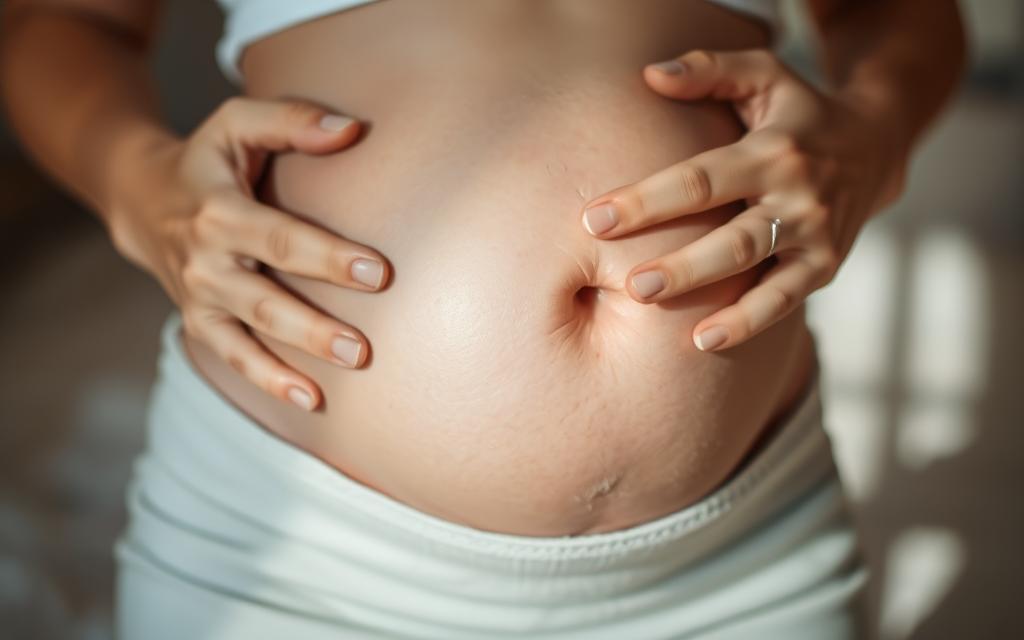
Welcome to our guide on early pregnancy symptoms. If you’re trying to get pregnant or think you might be, knowing the signs is key. Common early signs include missed periods, tender breasts, and nausea.
The Mayo Clinic says missed periods, tender breasts, and nausea are common early signs. These signs show you might be pregnant. It’s important to know them for a healthy pregnancy. We’ll talk about these signs and more in this article.
Knowing about early signs like morning sickness, fatigue, and mood swings helps your pregnancy journey. Recognizing these signs means you can take steps for a healthy pregnancy. Signs like nausea, breast tenderness, and fatigue are all normal in early pregnancy.
Key Takeaways
- Early signs and symptoms of pregnancy can include missed periods, tender breasts, and nausea.
- Common pregnancy symptoms include fatigue, mood swings, and digestive changes.
- Recognizing early signs and symptoms can help you navigate your pregnancy journey.
- Understanding physical and emotional changes during early pregnancy is key for a healthy pregnancy.
- Awareness of signs of pregnancy can help you take the necessary steps for a healthy and happy pregnancy.
- Early pregnancy symptoms can vary, but common signs include morning sickness, fatigue, and breast tenderness.
Understanding Early Pregnancy Signs and Symptoms
If you’re wondering am I pregnant, it’s key to know the early signs and symptoms. The Mayo Clinic says symptoms can differ among women and aren’t always a sure sign of pregnancy. Every woman’s journey is unique.
A pregnancy test can tell if you’re pregnant. But, it’s also good to know the common symptoms. These include a missed period, tender breasts, and feeling very tired. The American College of Obstetricians and Gynecologists says a missed period is often the first and most reliable sign for those with a regular cycle.
- Breast tenderness and changes
- Increased urination
- Morning sickness and nausea
- Fatigue and mood swings
Not all women feel all these symptoms, and how strong they are can vary. If you’re wondering if you’re pregnant, it’s best to take apregnancy testand talk to a healthcare provider.
When thinking about your symptoms and whether to take a pregnancy test, remember to be cautious. If you notice any unusual symptoms or health concerns, reach out to a doctor. They can offer guidance and support.
The First Signs That Could Mean You’re Pregnant
Are you waiting to see if you’re pregnant? Wondering what early signs and symptoms to look for? The Mayo Clinic says light spotting and cramping can be early signs of pregnancy. These signs might be small, but they show your body is changing.
Some women notice pregnancy symptoms just one to two weeks after getting pregnant. You might feel sore breasts, darkening areolas, or get really tired. Other early signs and symptoms include bloating, gas, and mood swings. Keep in mind, every woman is different, and not all will feel all these symptoms.
Here are some common signs of pregnancy to watch for:
- Light spotting or cramping
- Sore breasts
- Darkening areolas
- Fatigue
- Bloating and gas
- Mood swings
If you’re trying to get pregnant or think you might be, listen to your body. Look out for these early signs and symptoms. If you have any worries or questions, talk to your healthcare provider.
Physical Changes in Early Pregnancy
As your body gets ready for the growing fetus, you might notice many changes. One of the first signs is a missed period. This is often due to the pregnancy hormone, progesterone. It makes the uterine lining thicker, ready for the egg.
But, it can also lead to pregnancy nausea. This can be quite uncomfortable and might affect your daily life.
The Mayo Clinic says hormonal shifts can cause breast tenderness, tiredness, and changes in digestion. These symptoms might be uncomfortable, but they’re part of the pregnancy journey. Drinking plenty of water and eating well can help manage them.
- Breast tenderness and changes in breast size
- Fatigue and mood swings
- Constipation and digestive system changes
- Frequent urination
These symptoms come from the increased pregnancy hormone in your body. Remember, every woman’s pregnancy is different. Not everyone will feel all these symptoms.
Dealing with early pregnancy’s physical changes is key. Knowing what causes them and how to handle them can make your pregnancy healthier and more comfortable.
How to Tell if You’re Pregnant: Early Signs and Symptoms
As you start your pregnancy journey, it’s key to know the early signs and symptoms of pregnancy. The Mayo Clinic says a missed period is often the first clue. But, there are other pregnancy symptoms that can show up a week before you miss your period.
Common signs of pregnancy include sore breasts, feeling very tired, and needing to pee a lot. You might also feel mood swings, morning sickness, and dislike certain foods. Remember, these symptoms can be different for everyone. To be sure, wait at least a week after missing your period to take a pregnancy test.
You might also see changes like darker areolas, feeling bloated, or having trouble with constipation. Pregnancy symptoms can be a lot to handle. But knowing what to expect can help you get ready for this big change. By spotting the early signs and symptoms of pregnancy, you can start taking steps for a healthy pregnancy.
Some important signs of pregnancy to watch for are:
- Missed period
- Breast tenderness or swelling
- Fatigue
- Frequent urination
- Morning sickness or nausea
By knowing these early signs and symptoms, you can get medical help and start prenatal care. This supports a healthy pregnancy and a good experience.
Understanding Pregnancy Hormones and Their Effects
As you start to notice early signs of pregnancy, it’s key to grasp how pregnancy hormones work. The Mayo Clinic explains that hormonal shifts can lead to symptoms like nausea and tender breasts. These changes are due to higher hormone levels, which help your baby grow.
You might feel pregnancy nausea because of rising human chorionic gonadotropin (hCG) and other hormones. This symptom affects about 70-80% of pregnant people. Hormonal changes can also affect your energy, mood, and health.
The Role of hCG
The human chorionic gonadotropin (hCG) is vital for keeping the pregnancy going. It helps make other hormones, like progesterone and estrogen, which support your baby’s growth.
Progesterone Changes
Progesterone levels soar in early pregnancy, causing body changes. This hormone thickens the uterine lining for the fertilized egg. But, high levels can also cause fatigue, constipation, and other symptoms.
Estrogen’s Impact
Estrogen levels also go up, affecting your mood, energy, and health. This hormone promotes your baby’s growth but can also cause breast tenderness and nausea.
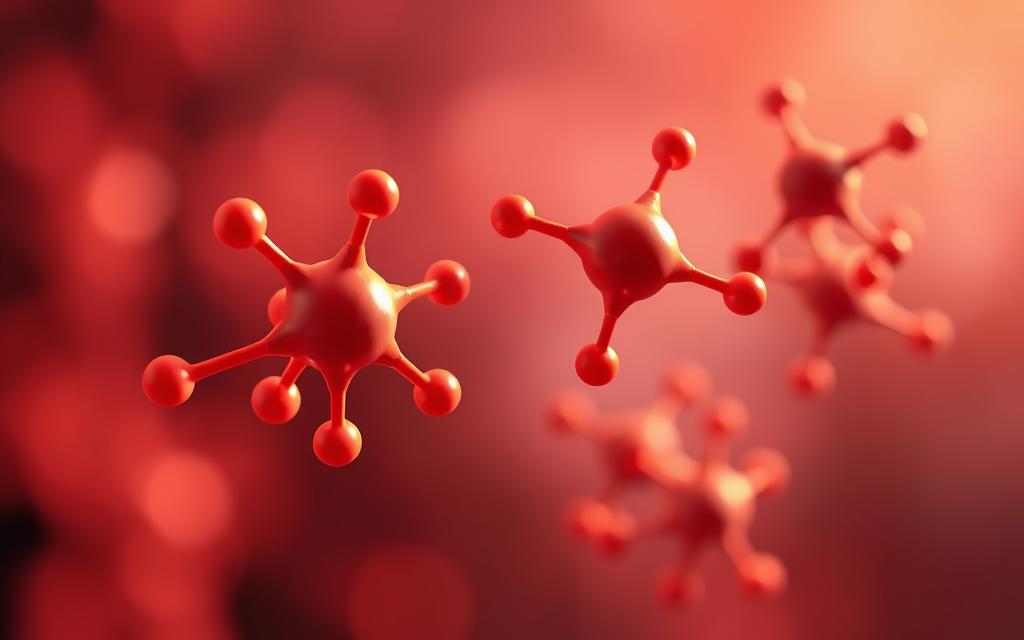
Knowing how pregnancy hormones work is vital for managing symptoms and a healthy pregnancy. By recognizing early signs, you can support your health and your baby’s growth.
Morning Sickness and Nausea: What to Expect
As you start to notice early signs of pregnancy, you might feel morning sickness and nausea. The Mayo Clinic says these symptoms hit about 50-90% of pregnant people. Morning sickness usually starts around 6 weeks and gets worse around 9 weeks. It usually gets better by the middle or end of the second trimester.
Morning sickness can really mess with your daily life. Pregnancy nausea can be caused by hormonal changes and being sensitive to smells. Here are some tips to help you feel better:
- Eat small, frequent meals to avoid overwhelming your stomach
- Choose bland foods that are easy to digest
- Stay hydrated by drinking plenty of water
- Avoid strong smells and odors that may trigger nausea
Some women have a more severe version of morning sickness called hyperemesis gravidarum. This can cause serious dehydration and needs medical help. If you’re vomiting more than 3-4 times a day or losing more than 5% of your pre-pregnancy weight, get medical help.
There’s no surefire way to stop morning sickness, but taking daily vitamins might help. Some women find relief from early signs and symptoms like nausea and vomiting with vitamin B6 and doxylamine. Always talk to your healthcare provider before taking any medication or supplements while pregnant.
Emotional and Mental Changes During Early Pregnancy
Early pregnancy brings big emotional and mental shifts. Hormonal changes, like more estrogen and progesterone, play a big role. The Mayo Clinic says these changes can lead to mood swings, anxiety, and changes in sleep.
Women often feel mood swings during early pregnancy. These can swing from feeling super happy to feeling irritable or sad. You might also feel anxious and excited as you get ready for your baby’s arrival. Plus, sleep pattern changes happen due to hormones and pregnancy discomfort.
It’s key to take care of yourself and get support from loved ones. Doing things that relax you, like meditation and yoga, can help with anxiety. By facing these changes head-on, you can handle the emotional and mental sides of early pregnancy better.
Every pregnancy is different, so it’s important to know the early signs and symptoms. Understanding these changes and getting help when you need it can make your early pregnancy journey smoother. This way, you can focus on having a healthy and joyful pregnancy.
When and How to Take a Pregnancy Test
As you notice early signs and symptoms of pregnancy, it’s key to confirm with a pregnancy test. The Mayo Clinic says taking a test is a must to know for sure. There are many tests out there, so picking the right one is important.
A pregnancy test looks for the hCG hormone, which shows up when you’re pregnant. You can choose from home tests or blood tests. Home tests work well after a missed period, but blood tests find pregnancy sooner and cost more.
When you take a pregnancy test, read the instructions well to get right results. Most tests show results quickly. It’s best to wait a week after missing your period to test. If you’re feeling pregnancy symptoms like morning sickness or tiredness, test as soon as you can.
Here are some tips for taking a pregnancy test:
- Wait until morning to take the test, as hCG levels are typically highest in the morning
- Avoid drinking too much water before taking the test, as this can dilute the hCG hormone
- Follow the test instructions carefully to ensure accurate results
When to Contact Your Healthcare Provider
When you notice early signs and symptoms of pregnancy, it’s time to call your healthcare provider. The Mayo Clinic advises reaching out as soon as you think you might be pregnant. This is because pregnancy symptoms can differ greatly from one woman to another, and some need quick attention.
Common signs of pregnancy include missing periods, feeling nauseous, and being very tired. But, it’s also key to watch out for serious symptoms like severe cramping or heavy bleeding. These can happen to a few women and need immediate care.
Here are some important times to call your healthcare provider:
- As soon as you suspect you may be pregnant
- If you experience any severe symptoms, such as severe cramping or heavy bleeding
- If you have a history of miscarriage or other pregnancy complications
By reaching out to your healthcare provider early, you get the best care and support for your pregnancy. Always choose caution when it comes to your health and your baby’s.
Conclusion: Next Steps After Recognizing Pregnancy Signs
Recognizing the early signs and symptoms of pregnancy is key for a healthy pregnancy. Knowing the common pregnancy symptoms like nausea, fatigue, and breast changes helps you prepare. This way, you can take the right steps.
After spotting the signs of pregnancy, reach out to your healthcare provider. They can confirm your pregnancy and guide you on prenatal care. They’ll help you through the exciting journey ahead. Early and regular prenatal care is vital for your and your baby’s health.
Starting this new chapter, keep a healthy lifestyle. Eat well, exercise regularly, and get enough rest. Your healthcare provider can give you personalized advice. They’ll support your physical and emotional needs during this time.