Helping Siblings Adjust to a New Arrival

Welcoming a new baby into the family is a big change for everyone. This is true, but even more so for the older siblings. As parents, it’s key to help this transition go smoothly for both the newborn and the older kids.
When introducing a new baby to siblings, parents need to think carefully. This way, they can help the children form a strong bond. This creates a happy and united family.
Key Takeaways
- Prepare older siblings in advance for the new arrival.
- Maintain a routine to provide a sense of stability.
- Involve older siblings in caring for the newborn.
- Supervise interactions between the newborn and older siblings.
- Show love and attention to all children to avoid feelings of jealousy.
Understanding Sibling Adjustment: What to Expect
It’s key for parents to know how siblings react to a new baby. This ensures a smooth transition for everyone. The arrival of a newborn changes things a lot, and siblings need to adjust.
Age-Related Reactions to a New Baby
How siblings react to a new baby changes with age. Younger kids, under 3, might feel jealous or left out. They’re just starting to find their place in the family.
Older kids, though, are more curious and might help out with the baby. Toddlers might act younger, wanting to be bottle-fed or having accidents. Preschoolers ask lots of questions and show curiosity. School-age kids are often more helpful and take on baby care tasks.
Common Emotions Siblings Experience
Siblings feel many emotions when a new baby arrives. They might feel excited and loving, but also angry, resentful, or jealous. Older siblings often worry they’re being replaced or getting less attention.
Dr. Laura Markham, a clinical psychologist, says, “Children’s reactions to a new sibling depend on their age, personality, and how they’re prepared.” Preparing them in advance and involving them can help reduce negative feelings.
Timeline for Adjustment
The time it takes for siblings to adjust varies. At first, they might be excited about the new baby. But soon, they might feel jealous or left out. With patience and the right approach, they’ll adjust to the new family dynamics.
A supportive environment is key. Parents should spend time with the older child, listen to their feelings, and encourage a good bond between siblings.
“With love, understanding, and patience, siblings can form a lifelong bond with the new baby,” says parenting expert Jane Nelsen. “It’s a journey that requires effort, but the rewards are huge.”
Preparing Children Before the Baby Arrives
As you wait for your new baby, it’s key to get your other kids ready for the big change. Getting them ready before the baby comes can help the whole family adjust better.
When and How to Share the News
Choosing the right time and way to tell your kids is important. Younger ones might need to wait until later in your pregnancy. Older kids can learn about it sooner. Be clear and use easy words to explain. It’s also smart to let them join in, making them feel part of the excitement.
Including Siblings in Pregnancy Milestones
Getting your kids involved in pregnancy moments can make them feel closer to the baby. They can listen to the baby’s heartbeat or feel kicks. This builds anticipation and a sense of duty, making the baby’s arrival more special.
Reading Books About New Babies
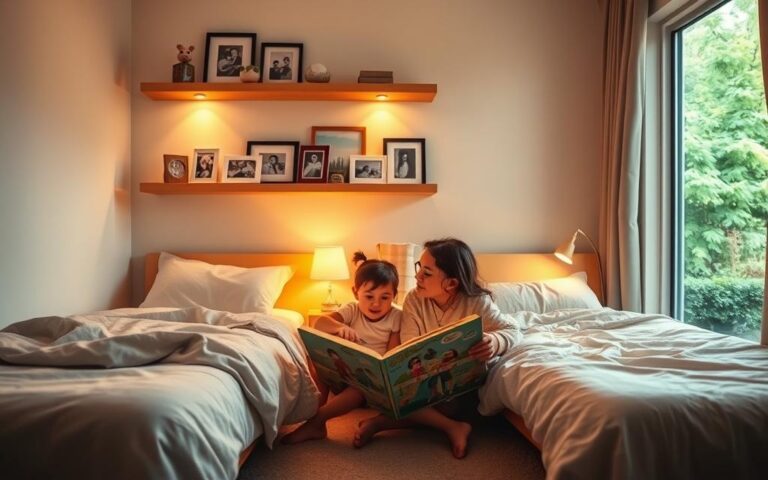
Reading books about new babies together is a great way to get your kids ready. These stories can answer their questions and prepare them for what’s to come. Pick books that fit their age and talk about sharing and caring.
Role-Playing with Dolls
Playing with dolls can teach your kids about caring for a new baby. It lets them practice nurturing and understand their role. This fun activity can prepare them positively for the baby’s arrival, helping them bond well.
By doing these things, you can make introducing the baby to your other kids a positive experience. It sets the stage for strong sibling bonds from the start.
Setting Up Your Home for Successful Sibling Relationships
To help your children adjust, setting up your home is important. A tidy home can lower fights between siblings. This makes your home a happier place for all.
Creating Special Spaces for Older Children
It’s vital to give older kids their own spots. “Having their own space can help older siblings feel secure and loved,” says Dr. Jane Smith. This could be a cozy reading corner or a play area free from baby stuff.
Organizing Baby Items Without Disrupting Siblings
Organizing baby things carefully is key. Use storage bins and keep baby stuff out of sight. This keeps things normal and safe, and helps avoid mess and accidents.
Safety Considerations with Young Siblings
Keeping young siblings safe is a must. Make sure the baby’s area is safe and teach older kids how to be gentle. Supervision is key to avoid accidents. Also, secure big furniture and appliances to prevent them from tipping over.
With these steps, parents can make a caring space. This supports newborn sibling bonding and helps siblings get along well from the start.
How to Introduce a Newborn to Siblings: The First Meeting
When a new baby comes, introducing them to their siblings is key. This moment is full of excitement and curiosity for the older kids. With the right planning, it can start a strong bond between them.

Hospital vs. Home Introductions
Parents must decide where to introduce the newborn to their siblings. Hospital introductions are easy if the baby was born there. This way, siblings can meet the baby before heading home. But, home introductions might be more relaxed, which could help everyone feel less stressed.
Managing the Initial Interaction
It’s important to make the first meeting calm and welcoming. Parents should think about their older children’s ages and personalities. This helps make sure the introduction is a good experience for all.
The Role of Each Parent During Introduction
Both parents have big roles in the introduction. The mom, fresh from giving birth, might need extra help. The other parent can focus on the older kids, helping them understand and enjoy the moment. Dividing responsibilities makes the experience smoother and more enjoyable for everyone.
Gift Exchange Between Siblings
Some families have a gift exchange between the baby and their siblings. It’s a nice way to make the older kids feel special and included. This makes the event even more memorable for the family.
By planning well, parents can help their children start a loving relationship from the beginning.
Maintaining Routines While Integrating the New Baby
When a new baby comes, keeping familiar routines can comfort older siblings. This time is key for adjustment. Keeping things normal helps reduce stress for everyone.
Preserving Important Rituals for Older Children
Keeping special rituals for older kids is important. This could be bedtime stories, outings, or game nights. These activities show older kids they’re loved and valued.
It’s vital to let older siblings help adjust these rituals for the new baby. This makes them feel included and important.
Adjusting Schedules Gradually
Changing schedules slowly is another key strategy. Sudden changes can confuse and stress older kids. Parents should make small changes, letting kids adjust slowly.
For example, if the baby’s feeding time is near an older child’s meal, adjust the meal time a bit. This way, the older child’s routine isn’t totally disrupted.
Creating New Family Traditions
Starting new traditions with the baby is also helpful. This could mean giving the older child a “big sibling” role. This role comes with duties and perks, promoting unity and cooperation.
New traditions might include a “baby day” where the older sibling helps with the baby. Or, having a special dinner together to celebrate the new addition.
By keeping rituals, adjusting schedules slowly, and starting new traditions, parents can ease the transition for older siblings. This way, welcoming a new baby becomes smoother for the whole family.
Fostering Newborn Sibling Bonding
Creating a strong bond between a newborn and their siblings is key for a happy family. This bond makes the home environment more peaceful. Parents have a big role in helping this bond grow through different ways.
Age-Appropriate Ways to Involve Siblings in Baby Care
Getting siblings involved in baby care helps them bond. Younger kids can bring diapers or toys to the baby. Older kids can help with feeding or reading to the baby. This not only helps in bonding but also teaches them responsibility and empathy.
Supervised Interaction Techniques
It’s important to watch when the newborn and siblings interact. Parents should always be there in the beginning. This ensures the baby’s safety and teaches siblings how to be gentle.
Praising Positive Sibling Behavior
When siblings act well towards the newborn, praise them. This encourages more positive behavior. Verbal praise or small rewards can help build a loving bond between them.
Special “Helper” Roles for Older Children
Give older children special roles to make them feel important. Being a “diaper helper” or “baby entertainer” teaches them responsibility. It also encourages them to interact positively with the baby.
| Activity | Age Group | Benefits |
|---|---|---|
| Bringing diapers to the baby | 2-5 years | Teaches responsibility, involves in baby care |
| Helping with feeding | 6 and above | Fosters bonding, teaches nurturing skills |
| Reading to the baby | 5 and above | Enhances language skills, promotes bonding |
By using these strategies, parents can help create a strong bond between the newborn and siblings. This sets the stage for a lifelong positive relationship.
Managing Regression and Jealousy in Older Children
When a new baby arrives, older kids might show they’re not okay. It’s a big change, and parents are key to helping everyone adjust smoothly.
Recognizing Signs of Sibling Jealousy
Older kids might feel jealous in different ways. They might cling more, act out, or get angry with the baby or others. Spotting these signs early helps parents act fast.
Some common signs include:
- Going back to behaviors they outgrew, like bedwetting or thumb-sucking
- Wanting more attention and hugs
- Being more aggressive or acting out
Addressing Behavioral Regression
When kids regress, it’s important to be patient and understanding. Keeping a regular routine helps them feel safe and secure.
Here are some ways to handle regression:
- Telling the child they’re important and loved
- Encouraging good behavior with praise and rewards
- Slowly bringing back expectations and responsibilities
Creating One-on-One Time with Each Child
It’s important to spend special time with each child. This can be as simple as eating together, playing a game, or going on an adventure.
One-on-one time has many benefits:
| Benefit | Description |
|---|---|
| Strengthened Bond | Improves the parent-child relationship |
| Reduced Jealousy | Makes the child feel special and less worried about the new baby |
| Increased Confidence | Helps the child feel better about themselves through positive interactions |
When to Seek Professional Help
Sometimes, adjusting to a new baby needs professional help. If the child’s behavior doesn’t get better or gets worse, it’s time to see a child psychologist or counselor.
Here are signs you might need professional help:
- Continued aggressive behavior towards the baby or others
- Big regression that affects daily life
- Deep anger or resentment towards the new baby
By being proactive and understanding, parents can help ease the challenges of introducing a new baby. This way, they can create a loving and supportive environment for all siblings.
Navigating Common Challenges in Sibling Adjustment
When a new baby arrives, older siblings may face challenges. Parents can help by using the right approach. Issues like rough play, negative comments, and interrupted sleep are common.
Handling Rough Play with the Baby
Rough play often happens when older siblings are excited or curious. Parents need to set clear rules and show gentle ways to interact with the baby. Supervision is key to keep the baby safe and teach gentle play.
Addressing Negative Comments from Siblings
Sometimes, older siblings may say negative things about the new baby. It’s important to listen and validate their feelings. Open communication helps solve these issues and builds a better sibling relationship.
Managing Interrupted Sleep for Everyone
The new baby can disrupt sleep for everyone. A consistent sleep routine and a sleep-friendly environment help. Parents should take turns at night to ensure rest for all.
Balancing Attention During Feeding Times
Feeding times can be tough for older siblings who want attention. Giving them special tasks during feeding helps. This keeps them busy and makes them feel involved in caring for the baby.
By tackling these challenges with patience and the right strategies, parents can create a better home. Encouraging positive behavior and sharing attention are key to a loving sibling relationship.
“The way we talk to our children becomes the way they talk to themselves.” – Peggy O’Mara
Conclusion: Building a Lifelong Sibling Bond
Welcoming a new baby into the family is a big step. It needs careful planning and patience. By using the tips from this article, parents can help their kids form a strong bond.
Creating a warm welcome for the baby is key. Activities like reading to the baby or helping with simple tasks make older kids feel included. These actions help build a strong bond between siblings.
Parents play a big role in fostering this bond. They can manage challenges and encourage positive interactions. With time and effort, siblings can grow up together, creating a loving family atmosphere.