
Pregnancy Test Timing After Ovulation Explained

Knowing when to take a pregnancy test after ovulation is key for getting right results. Conception happens when a sperm meets an egg, usually in the fallopian tube.
After that, the zygote moves to the uterus. There, it implants in the uterine lining. This action starts the production of human chorionic gonadotropin (hCG). This hormone is what pregnancy tests look for.
Ovulation, fertilization, and implantation times differ for each woman. Home pregnancy tests can be very accurate. They work by detecting hormone changes in urine.
Key Takeaways
- Conception occurs when sperm fertilizes an egg in the fallopian tube.
- The zygote implants in the uterine lining, triggering hCG production.
- The timing of ovulation, fertilization, and implantation varies among women.
- Home pregnancy tests detect hCG in urine.
- Proper use of home pregnancy tests ensures accurate results.
Understanding the Ovulation-to-Pregnancy Timeline
Ovulation is a key moment in the reproductive cycle. It starts a journey that ends in pregnancy. Knowing this timeline is vital for women trying to get pregnant or curious about when to take a pregnancy test.
What Happens During Ovulation
Ovulation usually happens around day 15 in a 28-day cycle. A mature egg is released into the fallopian tube. This egg can be fertilized for about 24 hours.
The timing of ovulation varies among women and even in the same woman from cycle to cycle.
The Fertilization Process
Fertilization happens in the fallopian tube when a sperm meets the egg. Sperm can live up to five days in the female reproductive tract. But the egg is only viable for about 24 hours.
After fertilization, the zygote starts its journey to the uterus.
Implantation: The Critical Step
The fertilized egg, now called a blastocyst, travels to the uterus. It implants into the uterine lining. This is called implantation and is key for pregnancy. It usually happens 6-10 days after fertilization.
Here’s a simplified overview of the timeline:
| Event | Timing |
|---|---|
| Ovulation | Day 15 of a 28-day cycle |
| Fertilization | Within 24 hours after ovulation |
| Implantation | 6-10 days after fertilization |
How Pregnancy Tests Actually Work
Pregnancy tests look for hormones that show if you’re pregnant. They check for human chorionic gonadotropin (hCG). This hormone comes from the placenta after the embryo attaches to the uterine lining.
Detection of hCG Hormone
hCG levels go up fast after implantation. This is key for pregnancy tests. Home pregnancy tests (HPTs) find hCG in urine. Blood tests check hCG levels in blood.
Different Sensitivity Levels
Not all pregnancy tests are the same. They can find hCG at different levels. For example, some HPTs can spot hCG at 6.5 mIU/mL, while others need 50 mIU/mL.
| Test Type | Sensitivity (mIU/mL) | Detection Capability |
|---|---|---|
| High Sensitivity | 6.5-20 | Early detection, often before missed period |
| Standard Sensitivity | 20-50 | Detection around the time of missed period |
Urine vs. Blood Tests
Urine tests are easy to use and common. Blood tests are more accurate and can find pregnancy sooner.
A medical expert said, “Blood tests can find hCG levels earlier than urine tests. They’re useful in some medical situations.”
“The ability to detect pregnancy through hCG measurement has revolutionized reproductive medicine.”
How Soon Can You Take a Pregnancy Test After Ovulation?
Many women wonder when to take a pregnancy test after ovulation. The timing depends on the test’s sensitivity and how much hCG the body produces.
The Earliest Possible Testing Window
Highly sensitive tests can find hCG as early as eight days after ovulation. But, the first part of the menstrual cycle can vary a lot. This makes it hard to know the best time for an early test.
Optimal Testing Timeframe
While some tests can find pregnancy early, waiting until after a missed period is usually better. Ovulation usually happens around day 14 of a 28-day cycle. Implantation happens 6-10 days after fertilization. So, testing too early can give false negatives.
Why Testing Too Early Can Be Problematic
Testing too early can be disappointing because of false negatives. hCG levels double every 48 hours in early pregnancy. If tested too soon, hCG might not be high enough, leading to wrong results.
| Days After Ovulation | hCG Level | Test Outcome |
|---|---|---|
| 8-10 days | Low | Possibly Negative |
| 12-14 days | Rising | Possibly Positive (Sensitive Tests) |
| After Missed Period | Higher | More Likely Positive |
Knowing when to take a pregnancy test can help manage hopes and avoid false negatives. It’s about finding the right balance between waiting eagerly and waiting for the most accurate results.
Types of Pregnancy Tests and Their Accuracy
The accuracy of pregnancy test results depends on the type of test. It’s important to know the different options. When looking for the best time for pregnancy test after ovulation, picking the right test is key.
Home Urine Tests
Home urine tests are the most common. They look for human chorionic gonadotropin (hCG) in urine. Many are midstream urine dip tests. Studies show these tests match lab results 70% of the time.
Blood Tests at the Doctor’s Office
Blood tests at a doctor’s office find hCG early and are more accurate. They’re used when an early pregnancy confirmation is needed.
Digital vs. Traditional Tests
Digital tests show a clear “pregnant” or “not pregnant” result. This makes them easier to read than traditional line tests. But, they cost more.
Midstream Tests vs. Test Strips
Midstream tests are more accurate and easier to use than test strips. Test strips can be more error-prone. Midstream tests offer a simpler testing experience. Research shows 99% of women get accurate results from midstream tests, making them a top choice for the best time for pregnancy test after ovulation.
Choosing the right pregnancy test is vital for accurate results. Knowing the differences between test types helps make better choices for reproductive health.
Early Detection Pregnancy Tests: Pros and Cons
Early detection pregnancy tests let women know sooner if they’re pregnant. But, they have some downsides. New home pregnancy tests give women a peek into their bodies earlier than before.
Benefits of Early Testing
One big plus of early tests is knowing you’re pregnant sooner. This is great for women who can’t wait to find out or need to make quick decisions about their pregnancy.
Early confirmation also cuts down on worry. It gives women peace of mind by telling them their status quickly.
Limitations and False Negatives
Even with their benefits, early tests aren’t perfect. Testing too soon can lead to false negatives. This means the test might say you’re not pregnant when you actually are.
This happens because hCG levels might be too low for the test to pick up early on.
Cost Considerations
The price of early pregnancy tests can really vary. More sensitive tests, which can spot lower hCG levels, cost more.
| Test Type | Sensitivity | Average Cost |
|---|---|---|
| Basic Pregnancy Test | 25 mIU/mL | $5-$10 |
| Early Detection Test | 10 mIU/mL | $10-$15 |
| High Sensitivity Test | 5 mIU/mL | $15-$25 |
Factors That Affect Pregnancy Test Accuracy
The accuracy of a pregnancy test depends on more than just the test itself. It also depends on external and internal factors. Knowing these factors can help you get a more reliable result when using an ovulation predictor kit or a pregnancy test.
Timing of the Test
When you take a pregnancy test is very important. Testing too early can give false negatives because there’s not enough hCG in your urine. It’s best to wait until after a missed period or at least a week after ovulation for accurate results.
Test Sensitivity
Different pregnancy tests can detect hCG at different levels. More sensitive tests can find pregnancy earlier. Choosing a test with the right sensitivity for your testing time can make your results more accurate.
User Error
How you use the test is also a big factor. Not following the instructions or using the test wrong can lead to wrong results. Always read and follow the instructions carefully.
Medical Conditions and Medications
Certain medical conditions and medications can change hCG levels or test results. For example, fertility treatments can cause hCG levels to rise, leading to false positives. Knowing your medical history and any medications you’re taking is very important.
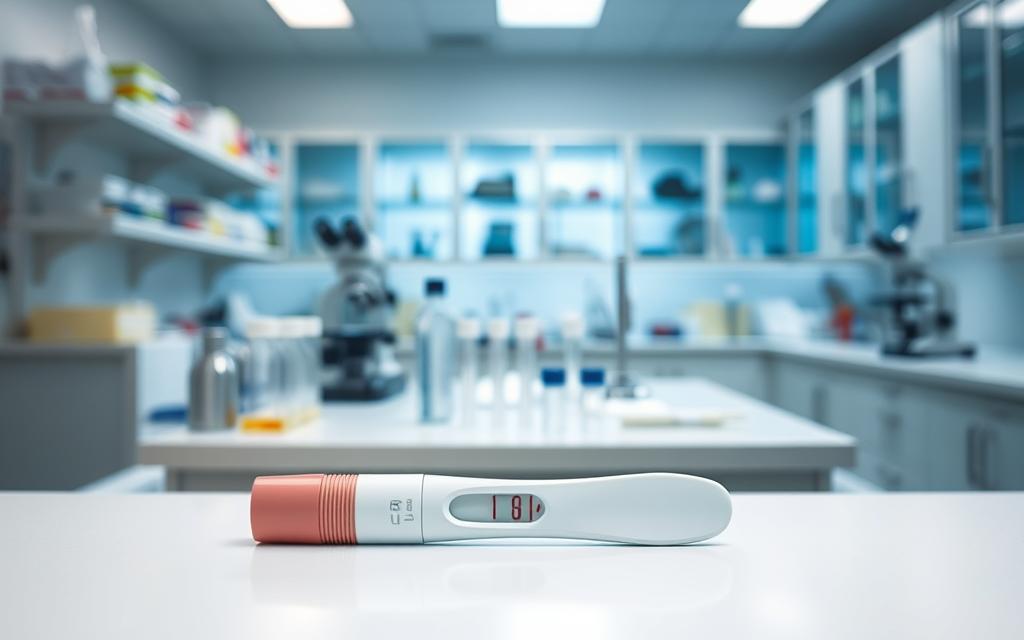
“The key to an accurate pregnancy test is not just the test itself, but understanding the factors that can influence its results.”
By knowing these factors, you can make your pregnancy test results more reliable.
Best Practices for Taking a Pregnancy Test
The accuracy of a pregnancy test depends on several factors. This includes when and how you take it. To get the most reliable results, it’s essential to follow some best practices.
Time of Day Considerations
For the most accurate results, test in the morning on the day you expect your period to start. This is because the concentration of the hCG hormone is highest in the morning urine.
Following Instructions Precisely
It’s vital to follow the test instructions carefully. Different tests have slightly different procedures. Reading and understanding the instructions before taking the test can help prevent errors.
Reading Results in the Correct Timeframe
Most pregnancy tests specify a timeframe for reading results. Waiting too long or reading too early can lead to inaccuracies.
Storing Tests Properly
To maintain their effectiveness, store pregnancy tests in a cool, dry place. Keep them away from direct sunlight. Avoid exposing them to extreme temperatures.
By following these best practices, you can significantly improve the accuracy of your pregnancy test results. As “Accuracy is key when it comes to pregnancy tests”, being mindful of these factors can help reduce the stress associated with testing.
Common Mistakes When Testing After Ovulation
Confirming pregnancy is more than just waiting. It’s about knowing the best time to test after ovulation. Many women make mistakes that cause stress and confusion.
Testing Too Early
Testing too soon is a common error. It’s because there’s not enough time for a fertilized egg to implant and start making hCG. This can lead to false negatives, causing disappointment. Wait until after implantation, which is 6-10 days after ovulation.
Misreading Results
Misreading test results is another mistake. A faint line might look like a negative, and an evaporation line can look like a positive. Always follow the test instructions and consider retesting if the result is unclear.
Using Expired Tests
Using expired or low-quality tests can give wrong results. Always check the expiration date before testing. Choose a reputable brand for better accuracy.
Drinking Too Much Water Before Testing
Drinking too much water before testing can dilute hCG in urine. This might lead to false negatives. Test with the first urine of the day for the most accurate results.
Special Circumstances: When Standard Timing Doesn’t Apply
For many women, the usual rules for when to take a pregnancy test don’t work. This is because of health issues or fertility problems. These can mess with hormone levels, making it hard to know the best time to test.
Irregular Menstrual Cycles
Women with unpredictable periods struggle to find ovulation. This makes it tough to know when to take a pregnancy test. Tracking other fertility signs or using ovulation predictor kits can help.
PCOS and Other Hormonal Conditions
PCOS (Polycystic Ovary Syndrome) can mess with ovulation and hormone levels. Women with PCOS might need to adjust their test timing. This depends on their cycle and any fertility treatments they’re getting.
After Fertility Treatments
After treatments like IVF, the timing of a pregnancy test is set by the clinic. It’s key to follow their advice for the most accurate results.
Following a Miscarriage
Women who have had a miscarriage face a tough time with their next test. It’s important to remember that hCG levels need time to reset. This helps avoid false positives or negatives.
In these special cases, knowing what affects pregnancy test timing is vital. By considering health conditions and fertility, women can figure out the best time to test. This way, they can get the most accurate results.
Interpreting Your Test Results
Understanding your pregnancy test results is important. The test’s accuracy depends on its sensitivity and when you take it.
Understanding Faint Lines
A faint line on a pregnancy test can be confusing. It might mean you’re pregnant, even if it’s early. But, it’s key to tell a faint positive from an evaporation line.
Evaporation Lines vs. Positive Results
Evaporation lines look like positive results but aren’t. They happen when urine dries up. Always check your results within the time frame given.
When to Retest
If your test is unclear or negative but you think you might be pregnant, test again in a few days. This helps catch rising hCG levels.
False Positives vs. False Negatives
It’s important to know the difference between false positives and false negatives. A false positive means the test says you’re pregnant when you’re not. A false negative means it misses a pregnancy.
| Result Type | Description | Action |
|---|---|---|
| Positive | Indicates pregnancy | Confirm with a healthcare provider |
| Faint Positive | May indicate early pregnancy | Retest after a few days |
| Evaporation Line | Can be mistaken for a positive result | Retest using a new test strip |
| False Negative | Test fails to detect pregnancy | Retest after a few days or consult a healthcare provider |
The Emotional Side of Pregnancy Testing
The wait after ovulation can be tough, filled with both excitement and worry. Many women feel a mix of emotions as they wait for their pregnancy test results. This time, known as the “two-week wait,” is full of ups and downs.
Managing Expectations
It’s key to manage your expectations during this period. Knowing when to test for pregnancy after ovulation and the best time for a pregnancy test after ovulation helps. Testing too early can lead to false negatives, causing stress.
| Emotional Challenge | Coping Strategy |
|---|---|
| Anxiety about testing | Understand the optimal testing time |
| Disappointment from false negatives | Be patient and retest after a few days |
| Excitement and anticipation | Share feelings with a partner or support group |
Coping with Disappointment
Dealing with disappointment is a big part of this journey. Not everyone will get a positive result right away. It’s important to have plans for dealing with negative tests. Waiting a few more days and retesting, or getting support from loved ones, can help.
Sharing Results with Partners
Sharing test results with your partner is a big moment. It’s a time for support and understanding, no matter the outcome. Talking openly can strengthen your bond and make the wait less lonely.
Support Resources
Having support resources can really help. Online forums, counseling, or support groups are great places to share and find comfort. Knowing you’re not alone can make a big difference.
Conclusion
Knowing when to take a pregnancy test after ovulation is key for accurate results. Home pregnancy tests now offer more insight into what’s happening in your body. By understanding what affects test accuracy and following best practices, you can make smart choices about your reproductive health.
An ovulation predictor kit can be a great tool to use with a pregnancy test. These kits help find the best time to conceive and when to take a pregnancy test. This approach can help reduce the uncertainty and worry that comes with pregnancy testing.
Being aware of the best time for a pregnancy test and knowing how to use these tests can help you on your reproductive journey. Whether you’re trying to get pregnant or just want to know your status, being informed is essential. It helps you make the best decisions for your health.