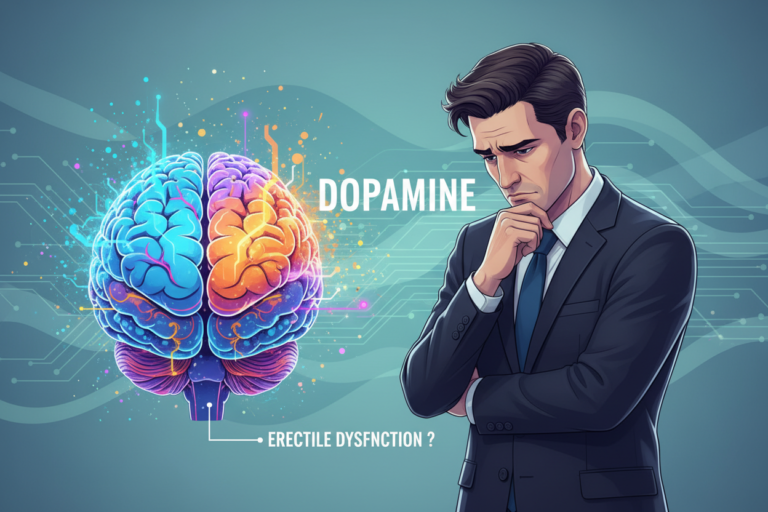
How Anxiety Hijacks Erections: A Neuroscience Breakdown
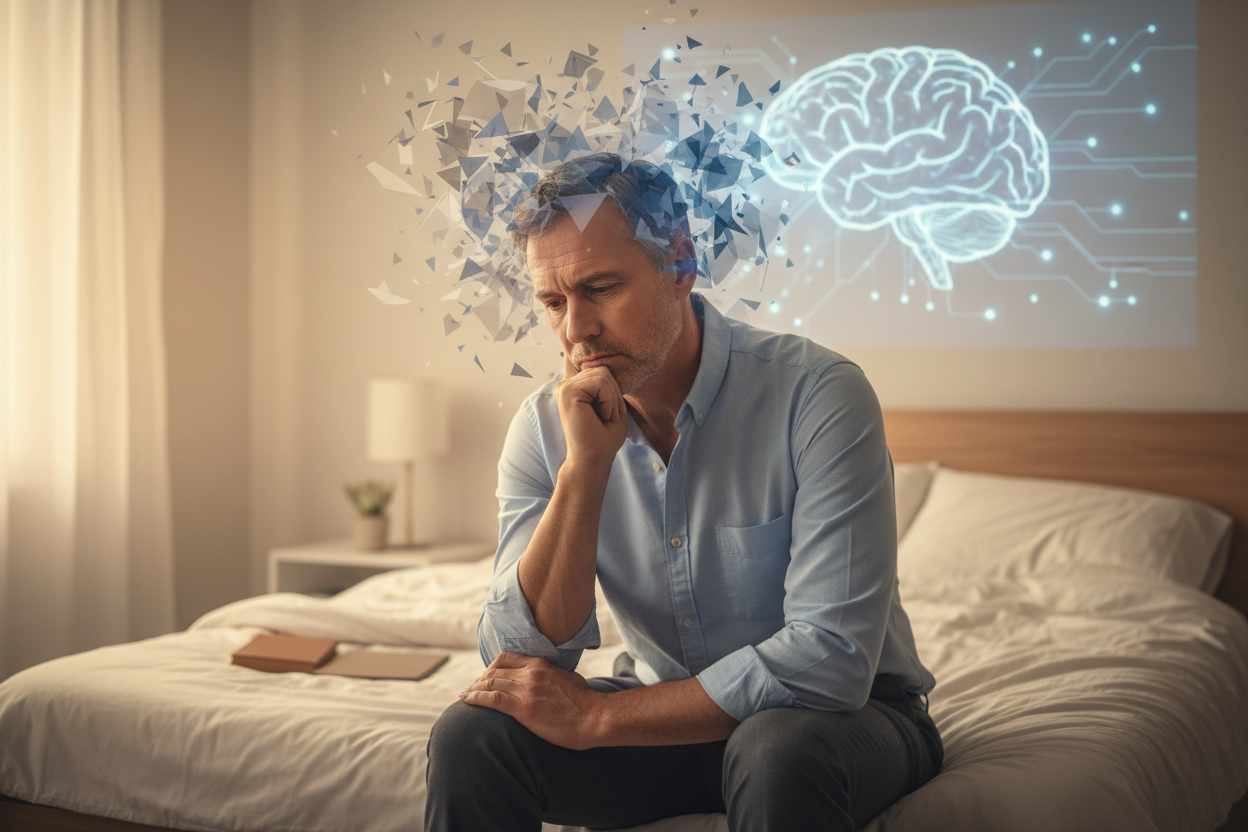
The link between anxiety and erectile function is getting more attention. From a neuroscience perspective, anxiety can really affect a man’s ability to get and keep an erection.
Looking into the brain’s role in this issue can help find new ways to treat and manage it. This article will explore how anxiety impacts erections. We’ll look at the brain’s role and what it means for those with erectile dysfunction.
Key Takeaways
- The neurological link between anxiety and erectile dysfunction
- How stress and anxiety impact erectile function
- The role of neuroscience in understanding erectile dysfunction
- Potential treatments for anxiety-related erectile dysfunction
- Coping mechanisms for managing anxiety and improving erectile health
The Mind-Body Connection in Sexual Function
Our brain controls our sexual responses, from getting excited to getting an erection. This complex process involves many neurological and psychological factors.
The mind-body connection in sexual function is really interesting. It shows how our thoughts, feelings, and physical responses are linked. Understanding this connection is key for fixing sexual health problems, like erectile dysfunction.
Why Your Brain Controls Your Erections
The brain is crucial for controlling erections. It uses a network of neurons and neurotransmitters. When we get sexually excited, our brain sends signals to the penis’s blood vessels. This makes them relax and fill with blood, causing an erection.
The psychological side of getting sexually excited is very important. Our mental state, including our emotions, thoughts, and past experiences, greatly affects our ability to get and keep an erection. Anxiety, stress, and other mental health issues can make it hard to get an erection, leading to erectile dysfunction.
The Role of Mental State in Physical Performance
Our mental state greatly affects how we perform sexually. Stress, anxiety, and depression can all harm sexual function by messing with the normal processes of arousal and erection. On the other hand, being mentally healthy can improve sexual performance and satisfaction.
Understanding the mind-body connection in sexual function offers valuable insights into sexual health issues. By seeing how our mental state and physical responses interact, we can manage factors that affect our sexual well-being.
Understanding the Nervous System’s Role in Erections
The nervous system has two main parts: the parasympathetic and sympathetic systems. These systems control many body functions, including sexual performance and mental health.
The Parasympathetic Nervous System: Your Relaxation Response
The parasympathetic system is called the “rest and digest” system. It helps you relax and recover. It starts erections by relaxing blood vessels and increasing blood flow to the penis.
Key functions of the parasympathetic nervous system include:
- Promoting relaxation and reducing stress
- Increasing blood flow to the genital area
- Initiating erections through the release of specific neurotransmitters
The Sympathetic Nervous System: Your Stress Response
The sympathetic system is called the “fight or flight” system. It kicks in when you’re stressed or excited. It helps you react to danger but can also hurt erections.
The sympathetic nervous system’s role includes:
- Responding to stress and anxiety
- Increasing heart rate and blood pressure
- Redirecting blood flow to muscles
Why These Two Systems Can’t Work Together
The parasympathetic and sympathetic systems work together but can’t at the same time. This balance is key for erections. But stress can make the sympathetic system too strong, stopping the parasympathetic system from starting an erection.
| Nervous System | Primary Function | Effect on Erections |
|---|---|---|
| Parasympathetic | Promotes relaxation | Initiates erections |
| Sympathetic | Responds to stress | Can inhibit erections |
Knowing how these systems work is key to fixing erectile problems linked to mental health. By understanding how stress and relaxation affect erections, people can manage their issues better.
How Anxiety Hijacks Erections: A Neuroscience Breakdown
Anxiety can really mess with your ability to get an erection. It’s a mix of brain and mind stuff. When you’re anxious, it changes how your brain works to get an erection.
The Neurological Pathway of Anxiety
Anxiety’s brain path includes many areas and chemicals. The amygdala is key in feeling emotions and spotting threats.
When the Amygdala Takes Control
If the amygdala sees danger, it can take over. This can stop your normal sexual response. The stress response wins over the sexual one.
The Prefrontal Cortex and Sexual Performance
The prefrontal cortex helps with thinking, making decisions, and controlling actions. But stress can mess with its work.
Executive Function Under Stress
Stress and anxiety hurt the prefrontal cortex’s work. This means bad judgment and decision-making. For sex, this means more anxiety and trouble getting an erection.
The Overthinking Trap
The prefrontal cortex likes to think too much. This can trap you in worrying about how you’re doing. It makes you anxious and less able to get an erection.
| Neurological Component | Normal Function | Function Under Anxiety |
|---|---|---|
| Amygdala | Processes emotions | Triggers stress response, overriding normal erectile function |
| Prefrontal Cortex | Regulates executive function and decision-making | Impaired function, leading to overthinking and increased anxiety |
| Neurotransmitters | Facilitate normal neurological signaling | Altered signaling due to stress hormones like cortisol and adrenaline |
This shows how anxiety can take over the brain’s normal erection process. It leads to erectile dysfunction.
The Stress Hormone Cascade
Stress and anxiety release hormones like cortisol and adrenaline. These hormones play a big role in messing with our sex lives. When we’re stressed, our body goes into “fight or flight” mode. This leads to changes that can make it hard to get or keep an erection.
Cortisol and Its Impact on Sexual Function
Cortisol, known as the “stress hormone,” affects our body in many ways, including our sex life. High levels of cortisol can mess with the body’s sex hormones. Testosterone is key for sex drive and keeping an erection, and less of it can lead to erectile problems.
Adrenaline: The Erection Killer
Adrenaline is another stress hormone that gets our body ready for action. It makes blood flow to our muscles instead of the penis. This can hurt our ability to get an erection. Plus, adrenaline makes blood vessels narrow, making it even harder to get an erection.
How Stress Hormones Override Arousal
The stress hormone cascade can take over our normal arousal response. This is okay in the short term but bad for sex health over time. Knowing how this works is key to finding ways to deal with anxiety-related erectile issues.
Understanding how stress hormones affect our sex lives is a big step. It helps us tackle the root causes of erectile dysfunction. This knowledge lets us look for treatments and lifestyle changes that help manage stress and anxiety’s impact on our sex health.
The Vicious Cycle of Performance Anxiety
Anxiety about sexual performance can become a big problem. It leads to a cycle that’s hard to break. This cycle affects men’s minds and bodies, making things worse.

Creating Future Problems
One episode of erectile dysfunction can lead to more problems. It makes men anxious during future sex. This anxiety comes from fear of failing again.
Such an episode can really affect a man’s mind. He may start to doubt his ability to perform. This doubt can make stress levels go up, making the problem worse.
Memory Formation and Sexual Anxiety
Memory is key in performance anxiety. A bad experience can shape future sex encounters. This memory can make men anxious just thinking about sex.
The brain remembers bad experiences better than good ones. So, fear of failure can take over, ruining any chance for a good sexual experience.
The Anticipatory Anxiety Loop
Anticipatory anxiety is fear of future sex. It creates a cycle where fear of failure increases anxiety. This makes failure more likely.
Catastrophic Thinking Patterns
Catastrophic thinking goes with anticipatory anxiety. Men might think the worst about their sex life. They believe one failure means they have deeper issues.
To break this cycle, we need a full approach. We must tackle both the mind and body aspects of anxiety. Understanding and managing anxiety can help men regain a healthy sex life.
Neurotransmitters and Erectile Function
Neurotransmitters are key players in erectile function. They act as messengers that can either help or hinder the process of getting an erection. The balance of these messengers is vital for normal sexual function.
Dopamine: The Desire Chemical
Dopamine is known as the “pleasure molecule.” It’s important for sexual desire and arousal. Dopamine release is linked to the anticipation of pleasure, starting the needed physiological responses for an erection. Research shows that dopamine agonists can boost erectile function, showing its role in sexual health.
For example, studies on people with Parkinson’s disease have found that dopamine therapy can improve their sexual function. This shows how crucial dopamine is in regulating sexual desire and erectile response.
Serotonin’s Complex Role
Serotonin has a complex role in sexual function. It affects mood and anxiety, and also impacts erectile function. SSRIs, used as antidepressants, can cause sexual dysfunction, including erectile dysfunction. This shows the need for a delicate balance for normal sexual function.
Serotonin’s role in erectile function is complex. It can both stop and start sexual response, depending on the receptor type and location. Understanding serotonin’s role is key for treatments that reduce sexual side effects.
Nitric Oxide and Blood Flow
Nitric oxide (NO) is vital for erection. It’s made in blood vessel lining cells and is key for vasodilation, the widening of blood vessels needed for an erection. Nitric oxide activates guanylate cyclase, leading to smooth muscle relaxation and increased blood flow to the penis.
The Molecular Basis of Erections
The process of getting an erection involves a series of biochemical events. Nitric oxide is central, starting the signaling pathways that lead to vasodilation. Knowing this molecular basis is key for developing treatments for erectile dysfunction.
The relationship between neurotransmitters and erectile function is complex. Anxiety can upset this balance, causing erectile dysfunction. By understanding dopamine, serotonin, and nitric oxide, we can better grasp the challenges of anxiety-related erectile dysfunction.
Dr. Helen Fisher, an expert on human love and attraction, says, “The brain is the most important sex organ.” This highlights the critical role of neurotransmitters in sexual function and the need for a comprehensive approach to erectile dysfunction.
- Dopamine is crucial for sexual desire and arousal.
- Serotonin has a complex role, influencing both mood and erectile function.
- Nitric oxide is essential for the vasodilation necessary for erection.
Understanding the complex relationship between neurotransmitters and the physiological processes they influence is key. This knowledge can help us develop better strategies for managing anxiety-related erectile dysfunction.
The Physical Mechanisms of Anxiety-Induced ED
Anxiety can cause erectile dysfunction by affecting the body physically. Stress or anxiety triggers certain mechanisms. These can make it hard to get or keep an erection.
Blood Vessel Constriction Under Stress
Stress or anxiety makes the body’s sympathetic nervous system active. This leads to blood vessels narrowing. This vasoconstriction cuts down blood flow to the penis, making erections hard to achieve.
Stress hormones like adrenaline and cortisol are key in this process. The narrowing of blood vessels is a short-term stress response. But, long-term anxiety can cause it to last longer, making erectile dysfunction worse.
Muscle Tension and Erectile Function
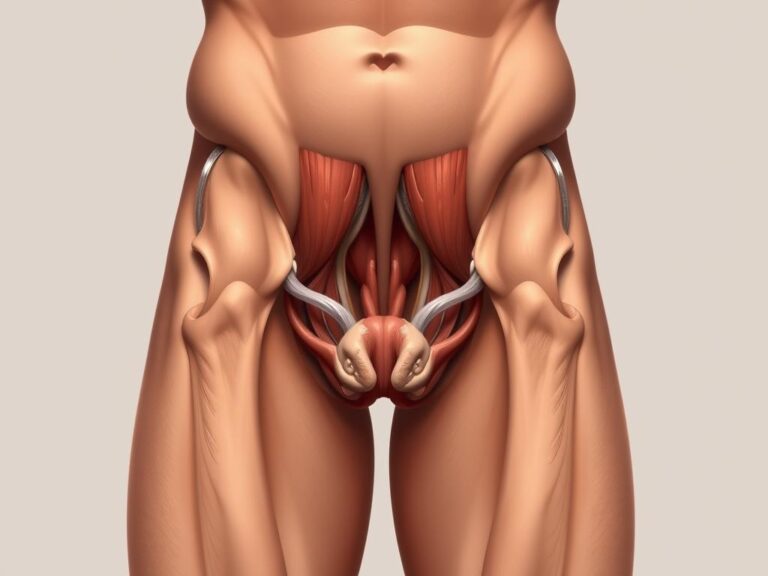
Anxiety also tightens muscles, affecting those involved in erections. The pelvic floor muscles are key for getting and keeping an erection. When tense, these muscles can mess up the erection process.
Also, muscle tension can cause pain or discomfort during sex. This can make anxiety and erectile dysfunction worse.
The Cardiovascular Impact of Anxiety
Anxiety affects the heart and blood vessels, raising heart rate and blood pressure. This strain can harm erectile function. The link between anxiety, heart health, and erectile dysfunction is complex.
Good heart health through lifestyle changes can help lessen anxiety’s effects on erections.
Brain Regions Involved in Sexual Response
Exploring the science behind sexual arousal means looking at specific brain areas. These areas work together in a complex way to ensure sexual function.
The Hypothalamus and Sexual Arousal
The hypothalamus is key in controlling sexual arousal. It manages the body’s hormonal responses, vital for sex. The hypothalamus connects the endocrine and nervous systems, affecting libido and sexual arousal.
The Limbic System’s Emotional Processing
The limbic system is crucial for sexual response. It handles emotions, which are linked to sexual arousal. The amygdala and hippocampus in the limbic system process emotional stimuli that can boost or block sexual response.
The Anterior Cingulate Cortex and Worry
The anterior cingulate cortex (ACC) deals with error detection and motivation. In sex, the ACC can cause anxiety about performance. This anxiety can make it hard to get aroused.
Neural Pathways of Self-Monitoring
Self-monitoring involves many brain areas. It can affect sexual response by causing performance anxiety. This anxiety can mess with the arousal pathways, causing issues like erectile dysfunction.
Knowing about these brain areas helps us understand neuroscience of anxiety and erections. It shows how different brain parts work together to impact sexual health.
Breaking the Anxiety-Erection Connection
Overcoming anxiety-related erectile dysfunction needs a full approach. It must tackle both mind and body. This link between anxiety and erectile dysfunction is more than just treating symptoms. It’s about finding and fixing the real causes.
Neuroplasticity and Retraining Your Brain
Neuroplasticity lets the brain make new connections and change. It’s key to beating anxiety-related erectile dysfunction. By changing your brain through practice and mindset, you can break the anxiety cycle that affects your sex life.
Neuroplasticity-based interventions include:
- Meditation and mindfulness practices
- Cognitive restructuring techniques
- Gradual exposure to intimacy without the pressure of performance
Mindfulness and the Parasympathetic Response
Mindfulness aims to trigger a parasympathetic response, the body’s calm state. This response fights off anxiety’s stress, boosting erectile function. Regular mindfulness can lower stress and enhance sex life.
| Mindfulness Technique | Benefit |
|---|---|
| Meditation | Reduces stress and anxiety |
| Deep Breathing Exercises | Activates parasympathetic response |
| Body Scan | Relaxes muscle tension |
Cognitive Restructuring Techniques
Cognitive restructuring is about changing negative thoughts that cause anxiety. By swapping these thoughts for positive ones, you can lower anxiety and boost sex life.
Starting these strategies takes time and effort. It’s about making a new normal where anxiety doesn’t control sex. With time and effort, you can beat the mind factors in erectile dysfunction and take back control of your sex life.
Evidence-Based Approaches to Managing Anxiety-Related ED
Managing anxiety-related erectile dysfunction (ED) needs a full plan. It tackles both mind and body. This is key because it affects both physical and mental health.
Cognitive Behavioral Therapy for Performance Anxiety
Cognitive Behavioral Therapy (CBT) is a top choice for anxiety-related ED. It helps change negative thoughts that cause anxiety. This way, people can feel less anxious and better in bed.
CBT includes:
- Spotting what makes you anxious
- Changing and improving negative thoughts
- Learning ways to handle anxiety
Mindfulness-Based Interventions
Mindfulness is also great for anxiety-related ED. It makes you more aware of your thoughts and feelings. This helps you manage your anxiety better.
Mindfulness techniques are:
- Meditation to lower stress
- Mindful breathing to calm down
- Body scan meditation to release tension
The Role of Medication
Medicine might be needed for anxiety-related ED. There are two main types: PDE5 inhibitors and antidepressants.
PDE5 Inhibitors and Anxiety Management
PDE5 inhibitors, like sildenafil, help with ED by improving blood flow. They don’t directly fight anxiety but can help with performance anxiety by making it easier to get an erection.
When Antidepressants May Help
Antidepressants, especially SSRIs, might help with anxiety-related ED. But, they should be used with care. Some can cause ED as a side effect.
Lifestyle Modifications That Support Neurological Health
Changing your lifestyle is important for managing anxiety-related ED. Exercise, a healthy diet, and enough sleep help your brain and reduce anxiety.
Key lifestyle changes are:
- Regular exercise to lower stress and boost mood
- Eating well with lots of fruits, veggies, and whole grains
- Getting enough sleep to control stress hormones
- Avoiding too much alcohol and tobacco
By using these proven methods, people with anxiety-related ED can find relief. They can also improve their life quality.
Conclusion
Anxiety and erectile function are linked by complex factors. Anxiety can disrupt the nervous system, causing erectile dysfunction. This shows how deeply these issues are connected.
Studies highlight the importance of the nervous system in both erections and anxiety. The sympathetic system can block the parasympathetic system, leading to erectile issues.
To tackle anxiety-related erectile dysfunction, we need a holistic approach. This means understanding the brain science and making lifestyle changes. It also involves using proven treatments.
Recognizing the ties between anxiety, the nervous system, and sexual health is key. A treatment plan that covers both physical and mental aspects can help. This way, individuals can improve their sexual well-being.