Herbal Teas During Pregnancy: What You Need to Know
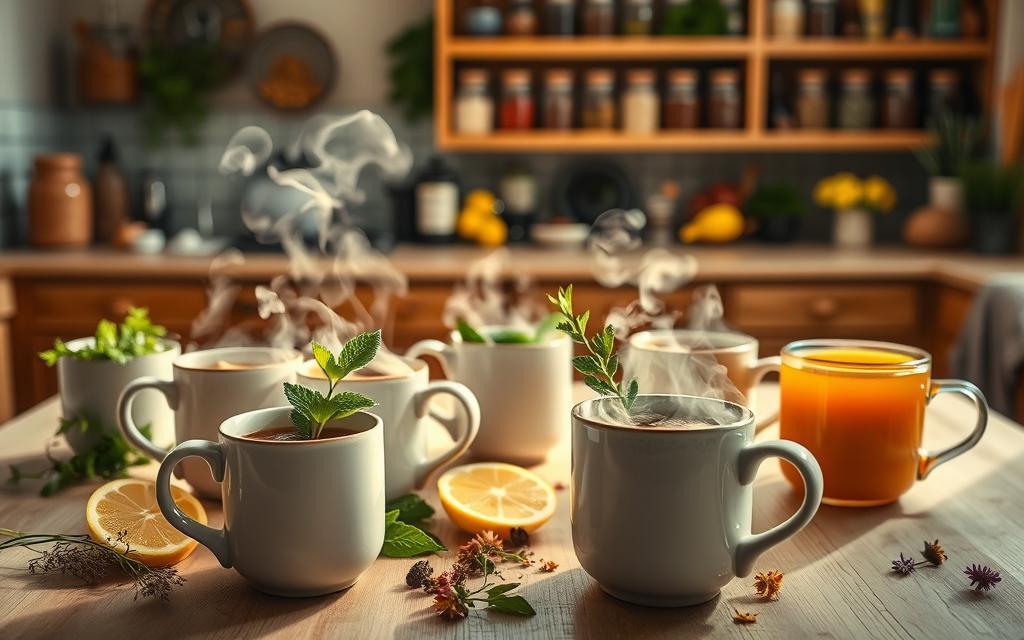
Pregnancy is a time when women are very careful about what they eat and do. Many wonder if herbal teas during pregnancy are safe. Herbal teas are made from different parts of plants, not just the tea plant. They are thought to have health benefits.
But, there’s worry about their safety during pregnancy. This is because there’s no strict rule for making them. There’s also a chance of contamination or side effects with medicines. It’s key to know which herbal teas are safe and how to use them.
Key Takeaways
- Not all herbal teas are safe during pregnancy.
- Some herbal teas can interact with medications or have adverse effects.
- Regulation of herbal teas varies, impacting their safety.
- Pregnant women should consult their healthcare provider before consuming herbal teas.
- Certain herbal teas, like peppermint and ginger, are generally considered safe.
Understanding Herbal Teas and Their Components
Herbal teas are becoming more popular. It’s important to know what makes them special. Unlike traditional teas, herbal teas come from plants like roots, berries, flowers, seeds, and leaves.
What Defines an Herbal Tea
Herbal teas come from many plants, not just the Camellia sinensis used in black, green, white, and oolong teas. This makes herbal teas unique, with their own flavors and health benefits.
Common Ingredients in Herbal Tea Blends
Herbal teas often include flowers like chamomile and lavender, roots like ginger, and leaves like peppermint. These ingredients give herbal teas their varied tastes and health perks.
How Herbal Teas Differ from Regular Tea
Herbal teas are different from regular tea in several ways. Two main differences are how they’re processed and their caffeine content.
Processing Methods
Unlike traditional teas, herbal teas are dried or steeped. This keeps their natural flavors and nutrients intact.
Caffeine Content
Herbal teas are caffeine-free. This makes them great for those who can’t handle caffeine or are pregnant.
| Characteristics | Herbal Teas | Regular Teas |
|---|---|---|
| Source Plant | Various plants (roots, berries, flowers, etc.) | Camellia sinensis |
| Caffeine Content | Caffeine-free | Contains caffeine |
| Processing Method | Drying or steeping | Fermentation or oxidation |
Pregnancy and Dietary Considerations
Diet is very important during pregnancy. It helps keep both mom and baby healthy. Eating well supports the baby’s growth and keeps mom feeling good.
Why Diet Matters During Pregnancy
A pregnant woman’s diet is key for her health and her baby’s growth. Nutritional deficiencies can cause problems. So, it’s important to eat foods full of vitamins and minerals.
How Beverages Impact Maternal Health
Beverages, like herbal teas, are part of a pregnant woman’s diet. They can greatly affect her health. Staying hydrated is important, and picking the right drinks helps a lot.
The Importance of Informed Choices
It’s very important to make smart choices about what you eat and drink during pregnancy. This means reading labels and knowing what’s in your food. This helps avoid bad ingredients or allergens.
Reading Labels
Reading labels helps pregnant women spot harmful ingredients in herbal teas and other foods. Look for certifications and clear lists of ingredients.
Understanding Ingredients
Knowing what’s in herbal teas is very important. Some herbs can make the uterus move or affect health conditions. So, it’s key to know what’s in your tea.
- Choose herbal teas that are known to be safe during pregnancy.
- Be aware of the potential risks associated with certain herbs.
- Consult healthcare providers for personalized advice on consuming herbal teas.
Potential Benefits of Herbal Teas for Expecting Mothers
Herbal teas offer many benefits for pregnant women. They help with hydration and stress relief. These teas can be a great addition to a pregnant woman’s diet.
Hydration and Fluid Intake
Drinking enough water is key during pregnancy. Herbal teas help meet this need. Proper hydration is important for the health of both the mother and the baby.
Nausea and Morning Sickness Relief
Many pregnant women feel nauseous. Herbal teas like ginger tea can help ease these symptoms. They offer comfort and relief.
Stress Reduction and Relaxation
Pregnancy can be stressful. Herbal teas, such as chamomile, help relax and reduce stress. They make pregnancy healthier.
Nutritional Support from Herbal Infusions
Some herbal teas are full of vitamins and minerals. They provide nutritional support.
Vitamins and Minerals
Herbal teas are a good source of important vitamins and minerals. They support the health of the mother and the baby’s growth.
Antioxidant Properties
Many herbal teas have antioxidants. These help protect against oxidative stress. They promote overall well-being during pregnancy.
Adding herbal teas to their diet, expecting mothers can enjoy these benefits. They also get to enjoy a soothing and enjoyable drink.
The Truth About Herbal Teas in Pregnancy
Expectant mothers often use herbal teas to ease pregnancy symptoms. But, their safety is not simple. It’s key to know how they affect pregnancy.
Separating Facts from Fiction
There’s a lot of wrong info about herbal teas and pregnancy. It’s vital to know the truth by looking at scientific studies. Some teas are safe, but others might be risky. For example, ginger tea is often suggested for nausea, but its effects can differ.
What Research Actually Shows
Studies on herbal teas in pregnancy are still coming in. Some, like peppermint and chamomile, are usually okay in small amounts. But, other herbs might affect the uterus or interact with pregnancy in unexpected ways. Always talk to a healthcare provider before drinking any herbal teas.
Balancing Benefits and Risks
The right way to use herbal teas in pregnancy is to weigh their good points against the bad. Some teas might help with symptoms, but others could be risky. Pregnant women should know what’s in their teas and watch how their body reacts.
Cultural Perspectives on Herbal Tea Use
Culture greatly influences how people view and use herbal teas during pregnancy. In some cultures, these teas are traditional remedies. Knowing these cultural views can help understand safe herbal tea use.
In summary, herbal teas can be comforting and helpful during pregnancy. But, making informed choices is key. By knowing the facts, being mindful of risks, and talking to healthcare providers, expectant mothers can enjoy herbal teas safely.
Safety Concerns and Potential Risks
Herbal teas are often seen as safe and natural. But, there are risks when pregnant women drink them. Some herbal teas can affect the body in ways that are not good during pregnancy.
Herbal Compounds That May Affect Pregnancy
Some herbal teas have compounds that can harm the uterus or affect the baby’s growth. For example, pennyroyal and tansy can cause the uterus to contract too much.
Understanding Uterine Stimulants
Uterine stimulants make the uterus contract too much. This can cause problems like early labor. Herbs like black cohosh and blue cohosh should be avoided because they are uterine stimulants.
Potential Impact on Fetal Development
Herbal compounds can affect how a baby grows. Some herbs have teratogenic compounds that can harm the baby. For instance, too much licorice root can increase the risk of early delivery.
Allergic Reactions and Sensitivities
Pregnant women might be more sensitive to herbs because of hormonal changes. Allergic reactions to herbal teas can be mild or severe, like anaphylaxis.
| Herb | Potential Risk |
|---|---|
| Pennyroyal | Uterine stimulation, toxicity |
| Tansy | Uterine stimulation, toxicity |
| Black Cohosh | Uterine stimulation |
Safe Herbal Teas Recommended During Pregnancy
Expectant mothers can enjoy certain herbal teas that help with pregnancy issues. These teas offer relief and a comforting experience during this time.
Ginger Tea for Morning Sickness
Ginger tea is great for morning sickness, a common problem early in pregnancy. Its natural anti-inflammatory properties soothe the stomach.
Preparation Methods
To make ginger tea, slice a small piece of fresh ginger. Steep it in boiling water for 5-10 minutes. You can add honey or lemon for taste.
Recommended Dosage
It’s best to limit ginger tea to 1-2 cups a day. Always check with a healthcare provider for advice.
Peppermint Tea for Digestion
Peppermint tea helps with digestion issues common in pregnancy. It calms the stomach, reducing indigestion and nausea.
Red Raspberry Leaf Tea in Late Pregnancy
Red raspberry leaf tea is taken in late pregnancy to prepare the uterus for labor. It’s believed to tone the uterine muscles, making labor easier.
Chamomile Tea for Relaxation
Chamomile tea is known for its relaxing effects. It reduces stress and promotes better sleep. It’s a caffeine-free option for any time of day.
Rooibos Tea as a Caffeine-Free Alternative
Rooibos tea is a caffeine-free option rich in antioxidants. It’s perfect for pregnant women looking to cut caffeine intake while enjoying a flavorful tea.
| Herbal Tea | Benefits | Recommended Consumption |
|---|---|---|
| Ginger Tea | Relieves morning sickness | 1-2 cups per day |
| Peppermint Tea | Aids digestion | 2-3 cups per day |
| Red Raspberry Leaf Tea | Prepares uterus for labor | 1 cup per day in late pregnancy |
| Chamomile Tea | Promotes relaxation | 1-2 cups per day |
| Rooibos Tea | Caffeine-free alternative | As desired |
Herbal Teas to Strictly Avoid While Pregnant
Not all herbal teas are safe for pregnant women. Some can risk the health of the mother and the baby. Herbal teas are seen as natural, but some can harm the uterus or affect fetal growth.
Teas with Emmenagogue Properties
Teas with emmenagogue properties can start menstrual flow. This can lead to miscarriage or early labor. Examples include pennyroyal and dong quai teas.
Herbal Blends with High Caffeine Content
Some herbal teas have caffeine, even if they’re called herbal. Too much caffeine can raise heart rate and blood pressure. Pregnant women should watch out for teas with caffeinated herbs.
Specific Herbs Known to Be Harmful
Some herbs are bad for pregnant women. They can cause uterine contractions or affect fetal growth. Here are some examples:
- Licorice Root: Can affect potassium levels and potentially lead to uterine contractions.
- Pennyroyal: Known for its emmenagogue properties, which can stimulate uterine contractions.
- Dong Quai: Can stimulate the uterus and cause complications.
- Black Cohosh: May stimulate uterine contractions and cause other pregnancy-related complications.
- Blue Cohosh: Contains compounds that can cause uterine contractions and potentially harm the fetus.
Pregnant women should talk to their doctor before drinking herbal tea. This ensures they’re making safe choices for their health and their baby’s.
Common Myths and Misconceptions About Herbal Teas
Herbal teas have been used for many years to help with health issues. But, their safety during pregnancy is often misunderstood. Many pregnant women think these teas are good for them, but there’s a lot of wrong information out there.
“Natural” Doesn’t Always Mean Safe
Many believe that “natural” means something is safe. But, some herbal teas can actually be harmful during pregnancy. For example, some herbs can make the uterus move too much or mix with other medicines, which can be dangerous for both mom and baby.
The Myth of “Detox” Teas During Pregnancy
“Detox” teas are popular, claiming to remove toxins from the body. But, there’s no real proof they work, and some might even be harmful. Pregnant women should be careful and talk to their doctors before trying these teas.
Misconceptions About Traditional Remedies
Traditional remedies have been around for a long time. But, just because they’ve been used for years doesn’t mean they’re safe during pregnancy. It’s important for pregnant women to check with their doctors before trying any herbal teas, even if they’ve been used by their family for a long time.
In conclusion, herbal teas can be good, but we need to know the truth. By understanding the facts about herbal teas and pregnancy, pregnant women can make better choices for their health.
Best Practices for Consuming Herbal Teas During Pregnancy
To safely enjoy herbal teas during pregnancy, it’s essential to understand the best practices. Herbal teas can be a wonderful addition to a pregnant woman’s diet when consumed thoughtfully.
Moderation and Variety
It’s recommended to consume herbal teas in moderation and vary the types consumed. This approach helps minimize potential risks associated with excessive intake of any single herb. For example, drinking a variety of teas like peppermint, ginger, and rooibos can provide a range of benefits while reducing the risk of overconsumption of any one herb.
Quality and Sourcing Considerations
The quality and sourcing of herbal teas are crucial considerations. Pregnant women should opt for teas from reputable sources that adhere to good manufacturing practices (GMPs) and are transparent about their ingredients and sourcing.
“The quality of herbal teas can significantly impact their safety and efficacy during pregnancy.”
Brewing Methods for Safety
Proper brewing methods can help minimize potential risks. It’s advisable to use fresh, filtered water and to follow the recommended brewing times and temperatures for each type of herbal tea.
Timing Your Tea Consumption
Timing the consumption of herbal teas appropriately can help pregnant women maximize their benefits. For instance, drinking a calming tea like chamomile before bed can aid in relaxation and improve sleep quality.
| Herbal Tea | Recommended Consumption Time | Benefits |
|---|---|---|
| Ginger Tea | Morning | Relieves nausea and morning sickness |
| Peppermint Tea | After meals | Aids digestion and reduces heartburn |
| Chamomile Tea | Before bed | Promotes relaxation and improves sleep |
By following these best practices, pregnant women can enjoy the benefits of herbal teas while minimizing risks.
What Healthcare Providers Recommend
Expectant mothers often wonder if herbal teas are safe during pregnancy. Healthcare providers, like OB-GYNs, are ready to help. They guide pregnant women on which herbal teas are safe to drink.
OB-GYN Perspectives on Herbal Tea Consumption
OB-GYNs suggest that pregnant women talk to them before drinking herbal teas. This talk helps give advice that fits the woman’s health and pregnancy stage.
When to Consult Your Doctor About Herbal Teas
Pregnant women should talk to their doctors about herbal teas, especially if they have health issues. This helps avoid any risks.
Integrating Medical Advice with Personal Preferences
It’s important to mix medical advice with personal likes when it comes to herbal teas. Women should talk to their healthcare providers. This way, they can find a safe and enjoyable choice.
Documenting Your Tea Consumption
Keeping a record of herbal tea use is helpful. It lets healthcare providers keep an eye on safety during pregnancy.
| Herbal Tea | Recommended Consumption | Healthcare Provider Advice |
|---|---|---|
| Ginger Tea | Moderate | Safe for morning sickness |
| Peppermint Tea | Moderate | Safe for digestion issues |
| Chamomile Tea | Low to Moderate | Safe for relaxation |
Trimester-Specific Herbal Tea Recommendations
Knowing the best herbal teas for each trimester is key for expecting moms. As pregnancy advances, safe and beneficial teas change. They meet specific health needs and concerns.
First Trimester Considerations
In the first trimester, morning sickness is common. Ginger tea is often suggested to ease nausea and morning sickness. It has natural anti-inflammatory properties.
Managing Morning Sickness
Ginger tea can be safely taken in small amounts to fight morning sickness. It’s gentle on the stomach.
Early Pregnancy Sensitivities
Be careful in the first trimester due to sensitivities. Herbal teas like peppermint might be too strong. They could cause heartburn in some women.
Second Trimester Options
In the second trimester, teas that promote relaxation and well-being are favored. Chamomile tea is a top pick. It helps reduce stress and improves sleep.
Third Trimester Preparations
In the third trimester, red raspberry leaf tea is often chosen. It’s believed to tone the uterine muscles. This might make labor easier.
Labor Preparation Teas
Red raspberry leaf tea is recommended in the third trimester. It helps prepare the body for labor.
Comfort Blends
Comfort blends with herbs like lavender and chamomile are also good. They promote relaxation and comfort.
By knowing the best herbal teas for each trimester, expecting moms can choose wisely. This supports their health and well-being throughout pregnancy.
Conclusion
Herbal teas can be a great addition to a pregnant woman’s diet. They offer many benefits when used wisely. By learning The Truth About Herbal Teas in Pregnancy, women can choose better drinks.
Safe herbal teas like ginger, peppermint, and rooibos can help with morning sickness and digestion. They also offer a calm, caffeine-free option. But, it’s important to know the risks of some herbal teas and talk to a doctor first.
By being careful with ingredients and following guidelines, pregnant women can enjoy herbal teas safely. This way, they can have a healthier and more enjoyable pregnancy.
Adding safe herbal teas to your pregnancy can boost your health and your baby’s. With the right knowledge and care, you can explore herbal teas and pregnancy with confidence. You’ll find joy in a soothing cup that benefits both your body and spirit.