Healthy Pregnancy Meal Grocery List: The Essential Guide
A healthy pregnancy meal plan is key for the baby’s growth and the mom’s health. Eating right during pregnancy helps the baby develop well.
Having a good grocery list for pregnancy means expectant moms can make healthy meals. This guide will help you make a prenatal nutrition guide. It supports the baby’s growth and keeps the mom healthy.
Key Takeaways
- A healthy diet during pregnancy is crucial for the baby’s development.
- A well-planned grocery list supports fetal development and maternal health.
- Expectant mothers should focus on consuming nutrient-rich foods.
- A balanced diet during pregnancy reduces the risk of complications.
- A prenatal nutrition guide helps expectant mothers make informed food choices.
The Importance of Proper Nutrition During Pregnancy
Eating well during pregnancy is key for the baby’s growth and health. It helps the baby develop and keeps the mom healthy too.
How Nutrition Affects Your Baby’s Development
Nutrition plays a big role in the baby’s growth. Foods rich in folate help avoid birth defects. A diet full of vitamins and minerals helps the baby grow strong.
Iron is important for red blood cells. Calcium helps with bones, teeth, and muscles.
Nutritional Needs by Trimester
Different stages of pregnancy have different needs. In the first trimester, folate is crucial. For the second and third trimesters, more iron and calcium are needed.
Knowing these needs helps with a prenatal nutrition guide. It helps moms make good food choices.
Choosing the best foods for pregnancy is important. A good pregnancy meal planning strategy ensures a healthy start for the baby.
Essential Nutrients for Pregnancy and Their Food Sources
Good nutrition is key for a healthy pregnancy and baby growth. Expectant moms need a balanced diet full of important nutrients. This helps their baby grow and keeps them healthy too.
Folate and Folic Acid
Folate, a B vitamin, is vital for preventing birth defects. Foods like leafy greens, beans, and fortified cereals are rich in folate. The U.S. Public Health Service advises all women of childbearing age to get 400 micrograms of folic acid daily.
Iron and Calcium
Iron helps make red blood cells, and calcium is key for baby’s bones. Iron-rich foods include lean meats, beans, and fortified cereals. Calcium-rich foods are dairy, leafy greens, and fortified plant-based milk.
Protein Requirements
Protein is crucial for the fetus’s growth. Pregnant women should eat protein from lean meats, fish, eggs, beans, and nuts.
Omega-3 Fatty Acids
Omega-3s support the baby’s brain and eye growth. Fatty fish, nuts, and seeds are great sources of omega-3s.
Vitamins and Minerals
Vitamins and minerals like vitamin D, zinc, and iodine are important during pregnancy. A balanced diet with whole foods can provide these nutrients.
| Nutrient | Food Sources | Recommended Daily Intake |
|---|---|---|
| Folate/Folic Acid | Leafy greens, beans, fortified cereals | 400 micrograms |
| Iron | Lean meats, beans, fortified cereals | 27 mg |
| Calcium | Dairy, leafy greens, fortified plant-based milk | 1,000 mg |
| Protein | Lean meats, fish, eggs, beans, nuts | 71 grams |
| Omega-3 Fatty Acids | Fatty fish, nuts, seeds | 200-300 mg |
By focusing on these nutrients and eating a variety of whole foods, pregnant women can support a healthy pregnancy and baby development.
The Ultimate Grocery List for Healthy Pregnancy Meals
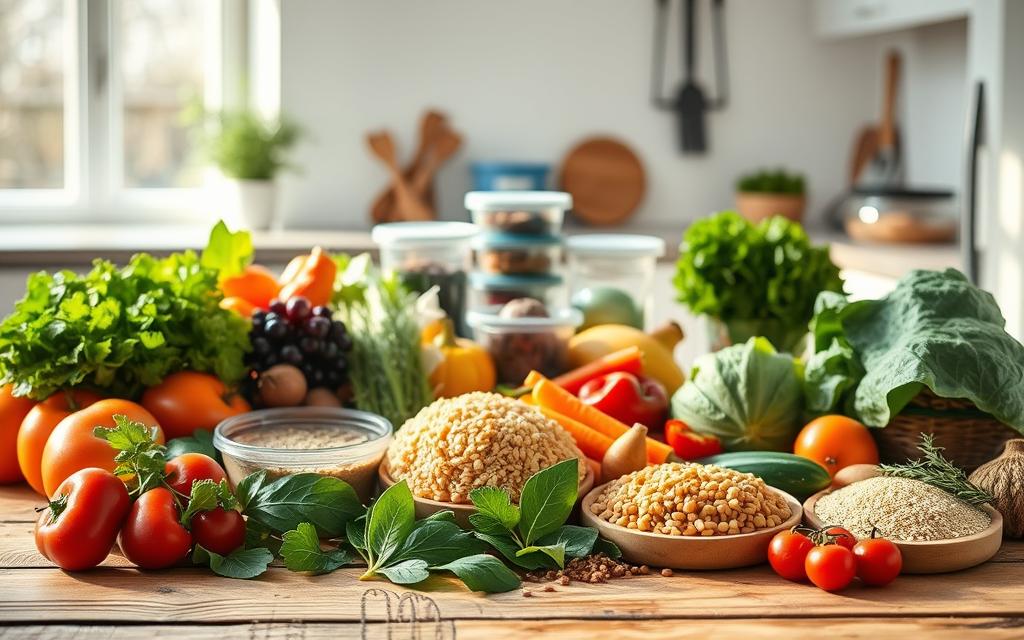
Creating a grocery list for healthy pregnancy meals is key. It ensures you and your baby get the nutrients you need. A good list helps you make smart food choices, giving you the right mix of vitamins and minerals.
Fruits and Vegetables
Fruits and veggies are essential for a healthy diet during pregnancy. They offer vitamins, minerals, and fiber. Try to eat a variety of colors to get different nutrients.
- Leafy greens like spinach and kale are rich in folate.
- Berries are high in antioxidants and fiber.
- Oranges and grapefruits are excellent sources of vitamin C.
- Avocados provide healthy fats and folate.
Protein Sources
Protein is key for your baby’s growth. Mix animal and plant-based proteins in your meals.
- Lean meats like chicken and turkey.
- Fish rich in omega-3 fatty acids, such as salmon.
- Legumes like lentils and chickpeas.
- Nuts and seeds, including almonds and chia seeds.
Whole Grains and Complex Carbohydrates
Whole grains give you lasting energy and are full of fiber and vitamins. Choose whole grains over refined ones.
| Whole Grain | Nutritional Benefits |
|---|---|
| Quinoa | Complete protein, rich in iron and fiber |
| Brown Rice | High in fiber, manganese, and selenium |
| Whole Wheat Bread | Rich in fiber, B vitamins, and minerals |
Dairy and Calcium-Rich Alternatives
Calcium is vital for your baby’s bones. Include many calcium-rich foods in your diet.
- Milk and yogurt.
- Cheese, in moderation.
- Fortified plant-based milk alternatives.
- Leafy greens like kale and broccoli.
By adding these food groups to your list, you’ll keep your diet healthy and balanced during pregnancy.
Foods to Avoid During Pregnancy
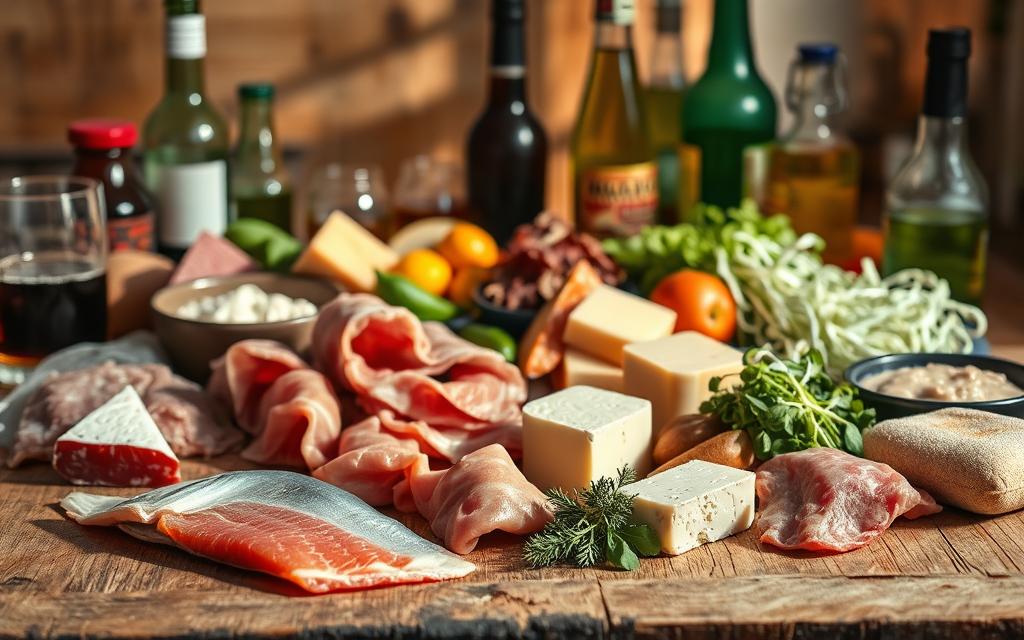
A healthy pregnancy diet means staying away from certain foods. These foods can risk the health of the growing fetus. Expectant mothers should carefully choose what they eat to avoid problems.
High-Mercury Fish and Seafood
Stay away from high-mercury fish like shark, swordfish, and king mackerel. They can harm the baby’s nervous system. Instead, choose low-mercury fish like salmon and sardines for safer options.
Unpasteurized Products
Unpasteurized dairy and juices can have harmful bacteria like Listeria. This can cause serious infections. Pregnant women should pick pasteurized products to stay safe.
Processed Foods and Additives
Processed foods are often full of sodium, sugar, and unhealthy fats. Eating less of these can help manage weight and lower the risk of gestational diabetes.
Caffeine and Alcohol
Too much caffeine can increase the risk of miscarriage and growth issues. Drinking alcohol can cause fetal alcohol spectrum disorders. It’s best to limit or avoid these substances.
Knowing and avoiding these harmful foods is a key step towards a healthier pregnancy. Pregnant women can take care of themselves and their babies by making smart food choices.
Smart Shopping Strategies for Pregnancy Nutrition
Expectant mothers can greatly benefit from smart shopping strategies. These help ensure they get the nutrients they need. A well-planned grocery trip can make a big difference in keeping a healthy diet during pregnancy.
Reading Food Labels During Pregnancy
When you shop, it’s key to read food labels carefully. Look for items low in added sugars, salt, and unhealthy fats. Choose products rich in essential nutrients like folate, iron, and calcium. Be cautious of food additives and preservatives, and pick products with fewer ingredients.
Organic vs. Conventional Produce
The debate on organic vs. conventional produce is ongoing. Organic might have lower pesticide residues, but conventional is also good if washed well. Consider buying organic for produce with higher pesticide residues, like strawberries and spinach. The Environmental Working Group (EWG) has a “Dirty Dozen” list to help with these choices.
Budget-Friendly Shopping Tips
Eating healthy doesn’t have to be expensive. Buy in bulk, plan meals around sales, and consider store-brand products to save money. Buying seasonal produce is also cost-effective and ensures freshness.
Online Grocery Shopping for Expectant Mothers
Online grocery shopping is a convenient option for expectant mothers. It saves time and reduces the risk of viruses in crowded stores. Many online platforms let you filter products by nutritional content, making it easier to follow a healthy pregnancy diet.
Meal Prep Strategies for Busy Moms-to-Be
Meal prep is key for busy moms-to-be. It keeps them nourished and full of energy. By setting aside a few hours each week, they save time, cut down stress, and eat well.
Batch Cooking Essentials
Batch cooking means making lots of one thing at a time. You can then use it for many meals. Quinoa, lentils, and chicken are great for this. They’re packed with nutrients that are good for pregnancy.
These ingredients can be used in many dishes. From salads to stews, they’re versatile and nutritious.
Freezer-Friendly Pregnancy Meals
Freezer meals are a big help for busy moms-to-be. Casseroles, soups, and frozen veggies can be reheated when needed. They save time and make sure you always have a healthy meal.
Quick and Nutritious Snack Ideas
Snacks are important for pregnant women. They give needed nutrients between meals. Try fresh fruits, nuts, and energy balls made with oats and honey. They’re healthy, easy to make, and perfect for on-the-go.
Time-Saving Kitchen Tools
The right kitchen tools can make meal prep faster. A slow cooker, food processor, and instant pot are great for quick meals. They’re a big help for busy moms-to-be who want to make meal prep easier.
| Meal Prep Idea | Benefits | Examples |
|---|---|---|
| Batch Cooking | Saves time, ensures nutritional balance | Quinoa, lentils, chicken |
| Freezer-Friendly Meals | Convenient, reduces food waste | Casseroles, soups, cooked vegetables |
| Quick Snacks | Nourishing, easy to prepare | Fruits, nuts, energy balls |
Managing Pregnancy Symptoms Through Diet
Making changes to your diet is key to managing pregnancy symptoms. It helps make your pregnancy healthier and more comfortable. By choosing the right foods, you can ease symptoms like morning sickness, heartburn, and constipation.
Foods to Combat Morning Sickness
Morning sickness is common during pregnancy. Eating ginger can help reduce nausea. Crackers, toast, and plain rice are also good choices. Eating small meals often can also help.
- Ginger tea or ginger ale
- Crackers or plain toast
- Plain rice or rice cakes
Dietary Solutions for Heartburn and Indigestion
Heartburn and indigestion are common due to hormonal changes and stomach pressure. Avoiding spicy and fatty foods helps. Choose smaller meals and include alkaline foods like melons and cucumbers.
| Foods to Eat | Foods to Avoid |
|---|---|
| Melons | Spicy foods |
| Cucumbers | Fatty foods |
| Oatmeal | Citrus fruits |
Preventing Constipation with Fiber-Rich Foods
A high-fiber diet can prevent constipation. Include fiber-rich foods like whole grains, fruits, and vegetables. Drinking enough water also helps prevent constipation.
- Whole grain bread and cereals
- Fruits like berries and apples
- Vegetables like broccoli and carrots
Hydration Strategies and Fluid Retention
Staying hydrated is important during pregnancy. Drink plenty of water all day. Drinking enough water can actually help reduce fluid retention. Also, limit sodium intake to manage fluid retention.
Special Dietary Considerations During Pregnancy
A well-planned diet is key for pregnant women, especially those with special needs. Pregnancy boosts nutritional needs, and certain diets can affect health. It’s important for both mom and baby.
Vegetarian and Vegan Pregnancy Diets
Women on vegetarian or vegan diets must focus on essential nutrients. They need iron, calcium, vitamin B12, and omega-3 fatty acids. Dark leafy greens, fortified plant milk, and nuts are good sources.
For example, iron is in lentils and spinach. Calcium is in fortified plant milk and tofu.
Managing Gestational Diabetes Through Diet
Gestational diabetes needs careful diet management. Eat complex carbohydrates, lean proteins, and healthy fats. Whole grains, fruits, and vegetables help control blood sugar.
Limit sugary drinks and foods with added sugars.
Dealing with Food Aversions and Cravings
Many pregnant women have food aversions and cravings. It’s okay to indulge in cravings but keep a balanced diet. If you dislike certain foods, find other nutrient sources.
For example, if dairy is unappealing, try leafy greens or fortified plant-based milk for calcium.
Navigating Food Allergies and Sensitivities
Pregnant women with food allergies or sensitivities must be careful. Common allergens are nuts, shellfish, and dairy. Avoid these foods and find other nutrient sources.
For example, those with dairy allergies can use lactose-free products or calcium-fortified alternatives.
Here is a summary of key dietary considerations during pregnancy:
| Dietary Consideration | Key Nutrients | Food Sources |
|---|---|---|
| Vegetarian/Vegan Diets | Iron, Calcium, Vitamin B12, Omega-3 | Lentils, Fortified Plant Milk, Nuts, Dark Leafy Greens |
| Gestational Diabetes | Complex Carbohydrates, Lean Proteins, Healthy Fats | Whole Grains, Fruits, Vegetables, Lean Meats |
| Food Aversions/Cravings | Balanced Nutrients | Varied Diet, Alternative Nutrient Sources |
| Food Allergies/Sensitivities | Allergen-Free Alternatives | Lactose-Free Products, Calcium-Fortified Alternatives |
Conclusion: Nourishing Your Pregnancy Journey
A well-planned grocery list is key for a healthy pregnancy. Focus on whole, nutrient-rich foods and avoid certain ones. This helps give your baby the best start.
Our prenatal nutrition guide shows how to eat for your baby’s growth. It also helps manage pregnancy symptoms.
Creating The Ultimate Grocery List for Healthy Pregnancy Meals means picking a variety of foods. Include fruits, veggies, proteins, whole grains, and dairy. This ensures you get all the nutrients you need.
Healthy meals during pregnancy do more than just feed your baby. They also boost your health and happiness. By choosing the right foods, you can have a great pregnancy. Start planning your meals today for a healthy journey.