
Healthy Grandparent Involvement: Raising Kids with Boundaries
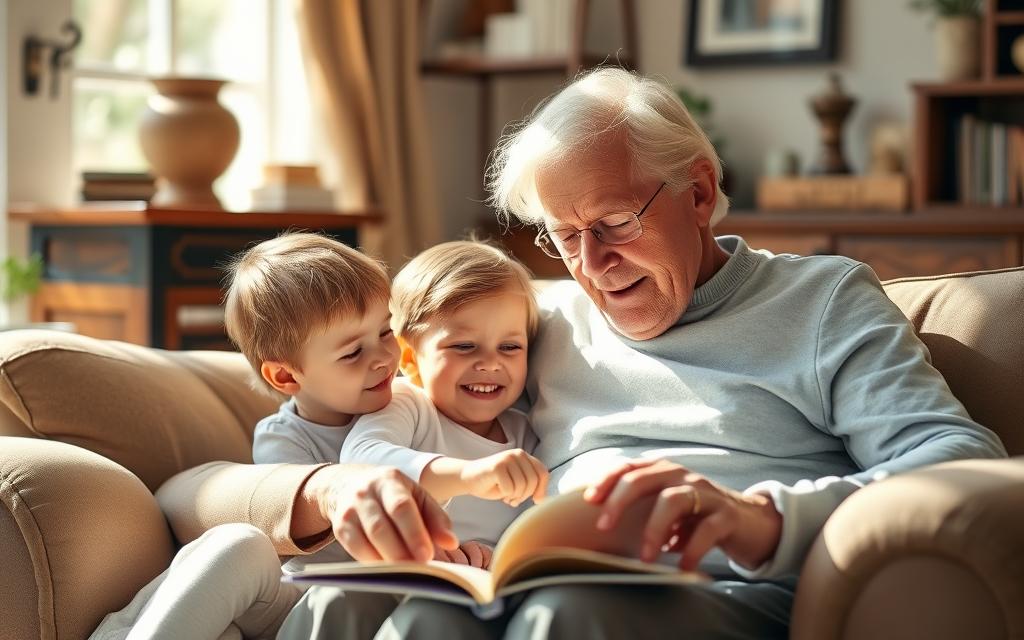
The role of grandparents in families has changed a lot. Now, they help a lot with raising kids and offer emotional support. But, it’s important to set healthy boundaries for a good family balance.
Grandparents bring wisdom, experience, and love to the table. To make the most of this, families need to figure out how to work together well.
Key Takeaways
- Setting clear boundaries is key for good grandparent involvement.
- Grandparents offer emotional support that kids really need.
- A balanced family is important for everyone’s happiness.
- Talking well is essential for grandparent and parent relationships.
- Grandparents help shape a child’s values and actions.
The Evolving Role of Grandparents in Modern Families
Grandparents play a bigger role in families today than ever before. This change comes from many factors like society, economy, and culture.
Historical Perspective on Grandparenting
Grandparents have always been important in families, sharing wisdom and helping with kids. But their role has changed over time and across cultures. Sometimes, they lived with their families and helped with daily tasks. Other times, they were more distant.
Today’s Grandparents: More Active Than Ever
Today, grandparents are more involved than ever. They help with childcare, offer emotional support, and do household chores. This is because more families need two incomes and grandparents are stepping in to help.
Cultural Variations in Grandparent Roles
Grandparents’ roles vary a lot depending on culture. In some places, they are seen as wise leaders in family decisions. In others, they might be less involved. It’s important to understand these differences to see the many ways grandparents contribute to families.
| Culture | Grandparent Role | Family Impact |
|---|---|---|
| Asian Cultures | Highly respected for wisdom | Significant influence on family decisions |
| Western Cultures | Active in childcare and support | Provides emotional support and practical help |
| Indigenous Cultures | Keepers of cultural heritage | Pass on traditions and cultural values |
The table shows how different cultures view grandparents’ roles. It shows how vital it is to understand these differences in today’s families.
Grandparent Involvement: Healthy Boundaries for Raising Kids
Grandparents can be a big help in raising kids, but setting boundaries is key. They offer experience, love, and support. But, without clear limits, their role can sometimes mix with that of the parents.
Defining Healthy Involvement vs. Interference
Healthy involvement means grandparents are supportive but respect the parents’ decisions. Interference happens when they try to do too much, often because they disagree with parenting choices. Clear communication helps avoid this and makes sure grandparents help, not hinder.
Why Boundaries Matter for All Generations
Boundaries are vital for respect and understanding in families. They prevent fights and make sure everyone knows their place. For grandparents, they clarify how to support their grandkids and kids without crossing lines.
Balancing Support and Parental Autonomy
Parents should talk openly with grandparents about what they need. Creating a grandparenting plan can help. It outlines roles and limits. This way, grandparents can offer support without stepping on the parents’ toes.
- Establish open and honest communication
- Define roles and responsibilities
- Set clear boundaries and expectations
By taking these steps, families can create a supportive space. Here, grandparents can meaningfully contribute to raising the kids.
Benefits of Grandparent Relationships for Children
Grandparents play a big role in their grandchildren’s lives. They offer emotional security and cultural connections. This special bond can shape a child’s growth in many ways.
Emotional Security and Identity Development
Grandparents bring stability and comfort to their grandkids. Their support is key during tough times. It helps kids feel more secure and develop their sense of self.
Cultural and Family History Connections
Grandparents keep family stories and traditions alive. By sharing these, they help their grandkids understand their heritage. This deepens their cultural identity.
Building Resilience Through Extended Support Systems
Having grandparents around creates a strong support network. This network boosts a child’s ability to cope with hard times. It offers extra emotional support when needed.
In summary, the bond between grandparents and their grandkids is incredibly valuable. It enriches a child’s emotional, social, and cultural growth.
Benefits for Parents: The Middle Generation
Grandparents can be a big help for parents trying to raise kids. They offer practical support and emotional comfort.
Practical Support and Childcare Assistance
Grandparents can help a lot with childcare. They can watch the kids, help with daily chores, and give a safe place to be. Childcare help from grandparents is a big relief for working parents. It helps them manage work and family better.
Accessing Parenting Wisdom While Maintaining Authority
Grandparents can share their parenting knowledge with parents. This can be very helpful. But, parents should keep their own parenting decisions. This way, they can use grandparent advice without losing control.
Enhanced Family Cohesion and Stress Reduction
Grandparents can make families closer and more united. They also help reduce stress for parents. This makes the family environment more peaceful and loving.
| Benefits for Parents | Description |
|---|---|
| Practical Support | Childcare assistance, help with daily tasks |
| Parenting Wisdom | Shared experience and advice from grandparents |
| Family Cohesion | Enhanced unity and cooperation among family members |
Benefits for Grandparents: Meaningful Engagement
Engaging with grandchildren can greatly benefit grandparents. It boosts their sense of purpose and well-being. This connection not only enriches the lives of the grandchildren but also gives grandparents a new sense of energy.
Purpose and Legacy Building
Being an active grandparent lets grandparents contribute to the next generation. They can share family values, traditions, and life lessons. This creates a lasting impact on their grandchildren’s lives.
Health and Well-being Advantages of Active Grandparenting
Studies show that active grandparenting has many health benefits. It can lower stress, improve mental health, and increase physical activity. Grandparents who are involved in childcare often have less depression and anxiety.
| Health Benefit | Description |
|---|---|
| Reduced Stress | Engaging with grandchildren can help alleviate stress. |
| Improved Mental Health | Active grandparenting is linked to lower rates of depression. |
Intergenerational Learning Opportunities
Grandparenting offers chances for both grandparents and grandchildren to learn from each other. Grandparents can share their life experiences and wisdom. At the same time, they can learn about new technologies and today’s society.
Common Boundary Issues Between Parents and Grandparents
Grandparents can be a big help in family life, but it’s important to know when to say no. When they help with childcare, their parenting styles might clash with the parents’. This can cause tension between them.
Discipline Differences and Conflicts
Differences in discipline often lead to trouble. Grandparents might be more lenient, while parents are stricter. This can confuse kids and upset both sides.
Unsolicited Advice and Criticism
Grandparents give advice from their experience, but unwanted advice can feel like criticism. This can make parents feel like their authority is being challenged, leading to anger.
Overstepping Parental Authority
Grandparents sometimes make decisions for parents or go against their rules. This can hurt the parents’ authority and cause fights.
Gift-Giving and Indulgence Concerns
Gifts from grandparents can also be a problem. They might give too many expensive gifts. This can teach kids the wrong lessons about money and upset the parents’ teaching.
It’s key for families to talk about these issues and set clear boundaries. This way, everyone’s role is respected, and relationships stay strong.
Effective Communication Strategies for Setting Boundaries
Setting boundaries with grandparents is a delicate task. It requires respect and assertiveness. Good communication is essential for establishing and keeping these boundaries. This ensures a peaceful family environment.
Starting the Conversation: Timing and Approach
Talking about boundaries with grandparents can be tough. It’s important to pick the right time and way to avoid confusion. Here are some tips:
- Choose a private, comfy spot where everyone feels at ease.
- Avoid talking about it when emotions are high or during arguments.
- Be clear about why you’re setting boundaries.
Using “I” Statements and Positive Framing
When talking about boundaries, use “I” statements. This helps grandparents feel less attacked. Say “I feel overwhelmed when…” instead of “You always…”. This makes the conversation more positive.
It’s also important to focus on the good side of boundaries. Talk about how they can strengthen family bonds and reduce stress.
Active Listening and Acknowledging Grandparent Perspectives
Good communication goes both ways. It’s not just about sharing your needs but also listening to grandparents. Show you value their thoughts by:
- Maintaining eye contact and nodding to show you’re engaged.
- Asking questions to understand their point of view.
- Acknowledging their feelings and concerns.
Addressing Violations Without Escalating Conflict
Even with the best intentions, boundaries can be broken. When this happens, it’s important to handle it calmly. Don’t be accusatory. Instead, remind them of the boundary and why it’s there. If needed, adjust the boundary together.
By using these communication strategies, parents can set boundaries with grandparents. This respects both sides and creates a more loving family atmosphere.
Establishing and Maintaining Clear Family Guidelines
Creating a structured family environment through clear guidelines benefits all family members. By setting clear expectations, families can foster a positive and respectful atmosphere. This atmosphere promotes healthy grandparent-grandchild interactions.
Identifying Your Family’s Non-Negotiable Rules
The first step is to identify your family’s non-negotiable rules. These are the principles and values that you consider essential and non-flexible. For instance, rules regarding safety, respect, and discipline are typically non-negotiable.
To identify these rules, parents should have open discussions with grandparents about their values and expectations. This can help in creating a unified front. It ensures that everyone is on the same page.
Creating a Grandparent “User Manual” for Your Children
A grandparent “user manual” is a practical tool that outlines how grandparents can engage with their grandchildren effectively. It includes information on the children’s routines, preferences, and any specific needs they may have.
For example, the manual might specify:
- Daily routines and schedules
- Discipline methods and boundaries
- Allergies or health conditions
- Favorite activities and hobbies
Consistent Enforcement Strategies
Consistency is key when enforcing family guidelines. It’s essential to establish a system where all caregivers, including grandparents, are aware of and adhere to the rules.
| Strategy | Description | Benefits |
|---|---|---|
| Regular Family Meetings | Hold regular meetings to discuss any issues and reinforce guidelines. | Promotes unity and addresses issues promptly. |
| Clear Communication Channels | Ensure that all family members have a clear way to communicate their concerns or questions. | Reduces misunderstandings and strengthens relationships. |
When and How to Compromise Appropriately
While consistency is key, there are times when compromise is necessary. For instance, grandparents might have different parenting styles or traditions. These can be accommodated within certain boundaries.
As
“The way we talk to our children becomes the way they talk to themselves.”
, highlighting the importance of maintaining a positive and respectful communication style across generations.
By being flexible and understanding, families can create an environment where grandparents feel valued. Children also benefit from their involvement.
Fostering Positive Grandparent-Grandchild Relationships
Building strong bonds between grandparents and their grandkids takes effort from everyone. Grandparents can offer love, guidance, and support, making a big difference in their grandkids’ lives.
Creating Special Traditions and Meaningful Rituals
Creating special traditions and rituals can strengthen the bond between grandparents and their grandkids. It could be as simple as having dinner together weekly or going on an annual trip. These activities create lasting memories and a sense of connection.
For instance, baking cookies together during holidays can be a fun tradition. It teaches a skill and builds memories that last forever.
Age-Appropriate Activities and Engagement
Choosing activities that fit the grandkids’ age is key to a strong relationship. Younger kids might enjoy playing games or reading stories. Older kids can try more complex hobbies like gardening or cooking.
Grandparents should consider their grandkids’ interests and abilities when planning activities. This ensures everyone has a good time.
Technology and Long-Distance Grandparenting
Technology is essential for keeping in touch, even when grandparents and grandkids are far apart. Video calls and messaging apps help them stay connected. This way, grandparents can be involved in their grandkids’ daily lives.
Helping Children Understand Boundaries with Grandparents
Teaching kids about boundaries with grandparents is vital. Grandparents should set clear rules and be consistent. Parents also need to talk clearly with their kids and grandparents about what’s okay and what’s not.
Together, families can create a loving space where grandparents and grandkids can grow closer.
Navigating Difficult Grandparent Situations
Dealing with tough grandparent situations is all about finding a balance. You need to keep the family together while setting clear boundaries. It’s key to tackle problems and keep the important family ties strong.

When Grandparents Consistently Ignore Boundaries
Ignoring boundaries can cause a lot of stress in families. Talking about it directly and explaining why boundaries are important is vital. It’s good to discuss why these rules help everyone in the family.
Managing Toxic or Harmful Behaviors
When grandparents act in harmful ways, putting the kids first is the top priority. You might need to limit their time together or create a safe space. Getting help from experts can be really helpful in these tough situations.
Grandparents with Health or Cognitive Issues
Health or memory problems can change how grandparents fit into the family. Checking what they can do and adjusting expectations helps keep the relationship good. It’s also important to think about how it affects everyone involved.
Limited Contact Decisions: When and Why
Deciding to limit contact with grandparents is hard, but sometimes it’s necessary. Thinking it through carefully and considering the effects is key. Keeping records and getting advice from experts or support groups can help make this choice.
| Situation | Action | Benefit |
|---|---|---|
| Grandparents ignoring boundaries | Direct conversation | Improved respect for boundaries |
| Toxic or harmful behaviors | Limiting contact or seeking professional help | Enhanced safety for children |
| Health or cognitive issues | Adjusting family roles and expectations | Maintained positive relationship |
Conclusion: Building a Healthy Three-Generation Family
Grandparents play a key role in raising kids with healthy boundaries. They help build a strong, supportive family across three generations. By setting clear rules and respecting parents, they can greatly impact their grandkids’ lives.
Grandparents can be very involved in their grandkids’ lives. They can set boundaries, listen actively, and create lasting traditions. These actions give kids emotional support, cultural ties, and a sense of who they are.
Creating a healthy family across generations takes hard work and dedication. It’s important to set boundaries and encourage positive relationships. This way, families can enjoy the benefits of being together and support each other for years to come.