
Formula vs. Breastfeeding: Pros and Cons
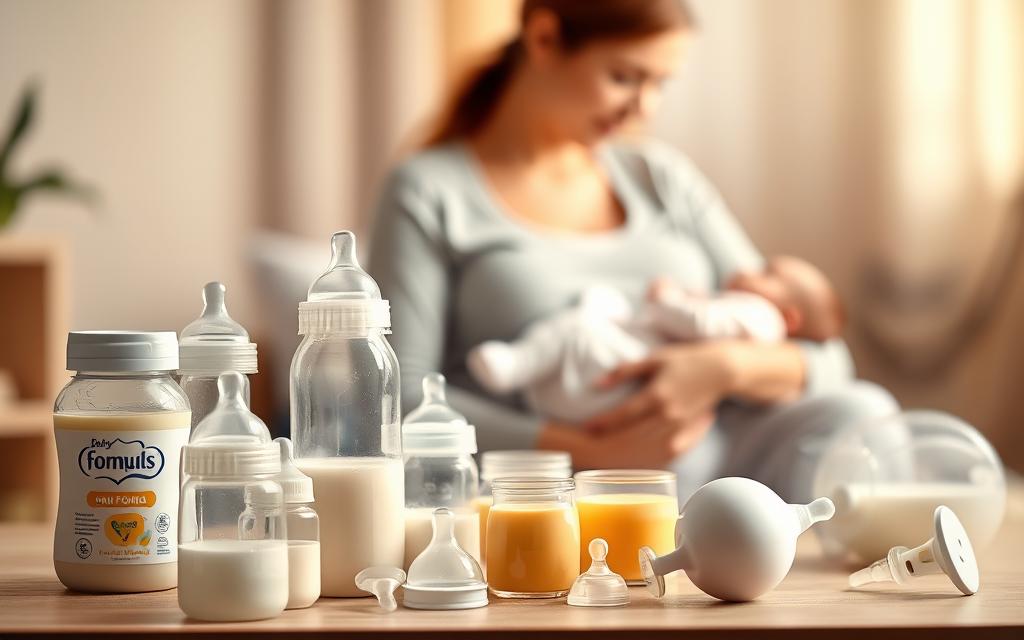
Choosing between formula feeding and breastfeeding is a big decision for new parents. Each option has its own set of benefits and drawbacks. These can greatly affect a baby’s diet and health.
The right choice between these infant nutrition options depends on many things. Lifestyle, health, and personal preferences play a big role. Knowing the pros and cons of each can guide parents in making the best choice for them.
Key Takeaways
- Understanding the benefits and drawbacks of formula feeding and breastfeeding.
- Considering lifestyle and health factors when choosing an infant nutrition method.
- Recognizing the importance of personalized advice from healthcare professionals.
- Being aware of the nutritional differences between formula and breast milk.
- Making an informed decision based on individual circumstances.
Understanding Your Infant Feeding Options
As a new parent, it’s key to know the good and bad of different ways to feed your baby. Choosing between formula and breastfeeding is big. It affects your baby’s diet, your health, and how you parent.
The Importance of Informed Feeding Decisions
Deciding how to feed your baby is a big deal. You need to think about their nutrition, your lifestyle, and what you prefer. Parents who know what they’re doing can make choices that fit their values and life. This choice is not just for the baby; it also impacts the mom’s health after giving birth.
Current Recommendations from Medical Organizations
Groups like the American Academy of Pediatrics (AAP) say breastfeeding is best for the first six months. But they also say formula is okay if breastfeeding isn’t possible or chosen. The main thing is to make sure the baby gets the best nutrition, whether it’s from breast milk or formula. Knowing this can help parents choose what’s best for their baby.
The Science Behind Breast Milk Composition
Breast milk is called liquid gold because it’s full of nutrients and changes to meet a baby’s needs. It has proteins, fats, carbs, vitamins, and minerals. These help babies grow well.
Nutritional Components of Breast Milk
Breast milk has nutrients vital for a baby’s growth. It has proteins like lactoferrin and casein for the immune system and digestion. It also has healthy fats, like omega-3s, for brain development.
The carbs in breast milk, mainly lactose, give energy. Vitamins and minerals, like vitamin D and calcium, support bones and overall growth.
How Breast Milk Adapts to Baby’s Needs
Breast milk changes as a baby grows. It starts with colostrum and then turns into mature milk. This change ensures babies get the right nutrients at each stage.
Also, breast milk has antibodies to fight off infections and diseases. This shows the breastfeeding advantages for both babies and moms. Knowing how breast milk works shows its importance as a baby’s best food.
Modern Formula: Composition and Advancements
Nutritional science has made big strides. Now, we have infant formulas that meet many babies’ needs. These formulas offer a mix of nutrients important for growth.
Nutritional Components of Infant Formula
Infant formula is made with proteins, carbs, fats, vitamins, and minerals. The right amounts of these are key for a baby’s health.
Key Nutritional Elements:
- Proteins: Essential for growth and development
- Carbohydrates: Primary source of energy
- Fats: Crucial for brain development and energy
- Vitamins and Minerals: Support various bodily functions
Different Types of Formula Available
There are many infant formulas out there. You can find cow’s milk-based, soy-based, and hypoallergenic formulas. Each is made for different needs or allergies.
| Type of Formula | Description | Benefit |
|---|---|---|
| Cow’s Milk-Based | Made from cow’s milk, adapted for infants | Similar to breast milk in nutritional profile |
| Soy-Based | Derived from soybeans, for those with dairy intolerance | Alternative for babies with cow’s milk allergy |
| Hypoallergenic | Broken down proteins to reduce allergic reactions | Ideal for babies at risk of allergies |
Knowing about the different formulas and their nutrients helps parents choose the best for their baby.
Formula Feeding vs. Breastfeeding: Pros and Cons
Parents need to know the good and bad of formula feeding and breastfeeding. This helps them choose what’s best for their family. Both options have their own benefits and drawbacks.
Comparative Nutritional Benefits
Breast milk is top-notch for babies because it changes to meet their needs. It also has special antibodies that fight off sickness. Formula tries to match breast milk’s nutrients but can’t beat the immunological benefits of breast milk. The main differences are:
- Breast milk has dynamic antibodies
- Formula is often fortified with vitamins and minerals
- Breast milk’s nutritional content changes over time
Convenience and Flexibility Factors
Formula feeding gives parents more freedom. It lets others feed the baby, giving mom a break. But, breastfeeding is great for the baby and requires a lot of time. With planning and support, moms can manage both.
Cost Considerations Over Time
Formula feeding can get expensive over time. The cost of formula adds up. Breastfeeding has no direct cost for milk but might need initial investments in support and equipment. The first year’s costs show breastfeeding can save money, but it depends on many factors.
- Initial costs for breastfeeding equipment
- Ongoing costs of formula purchase
- Potential costs for breastfeeding support
Parents can make a choice that fits their lifestyle and needs by considering these points.
Health Benefits of Breastfeeding for Babies
Research shows that breastfeeding is good for babies in many ways. It helps with their health and growth in early life. These benefits touch on many areas of a baby’s well-being.
Immune System Development and Protection
Breast milk has antibodies that protect babies from infections. This is key for newborns, whose immune systems are just starting to grow. The immune-boosting properties of breast milk help keep babies safe from common illnesses.
Reduced Risk of Diseases and Conditions
Studies show that breastfeeding lowers the risk of many diseases in babies. For example, it can help prevent necrotizing enterocolitis, a serious gut problem. Here’s a table with some key findings.
| Disease/Condition | Risk Reduction |
|---|---|
| Necrotizing Enterocolitis | Significant reduction in risk |
| Respiratory Tract Infections | Lower incidence |
| Diarrheal Diseases | Reduced risk |
Potential Cognitive and Developmental Benefits
Breastfeeding may also boost a baby’s brain and development. Some studies say breastfed babies might have higher IQs and better brain growth than formula-fed ones. More research is needed, but the early signs are encouraging.
Health Benefits of Breastfeeding for Mothers
Breastfeeding is good for more than just babies. It also helps mothers a lot. It makes them healthier and happier.
Physical Recovery and Long-term Health Advantages
Breastfeeding helps mothers get back to normal after having a baby. It makes the uterus smaller faster. It also lowers the chance of bleeding too much after birth.
It can also lower the risk of getting breast and ovarian cancers and osteoporosis later. The hormones from breastfeeding help mothers lose weight faster.
- Reduced risk of breast cancer
- Lower risk of ovarian cancer
- Assistance in postpartum weight loss
- Enhanced uterine recovery
Emotional Bonding and Psychological Benefits
Breastfeeding creates a strong bond between mother and baby. It makes them feel close and attached. This bond is good for the mother’s mind, too.
It can make mothers less stressed and less likely to get postpartum depression. The touch and eye contact during breastfeeding make this bond stronger.
“The emotional and psychological benefits of breastfeeding can be just as significant as the physical benefits, creating a nurturing environment that supports both mother and baby.”
Breastfeeding is special because it offers many health benefits for mothers. It helps with physical recovery, long-term health, emotional bonding, and mental well-being. Knowing these benefits helps mothers make better choices about feeding their babies.

Advantages of Formula Feeding
Formula feeding has many benefits for parents. It makes feeding schedules flexible. This lets both parents help with feeding their baby.
Feeding Flexibility and Shared Parental Responsibility
Formula feeding makes it easy for parents to share feeding duties. This is great for working moms or dads who want to feed their baby. It also strengthens the bond between parents and their baby.
Monitoring Exact Intake Amounts
Parents can measure how much milk their baby drinks with formula feeding. This reassures them about their baby’s nutrition. It also helps spot feeding problems early.
| Feeding Method | Flexibility | Monitoring Intake |
|---|---|---|
| Formula Feeding | High | Easy |
| Breastfeeding | Low | Challenging |
Freedom from Dietary Restrictions and Medications Concerns
Mothers who formula feed don’t worry about their diet affecting their baby. They also don’t worry about medications passing to their baby. This makes managing daily life and health easier for mothers.
Formula feeding offers many benefits for parents. It makes parenting easier and less stressful. Knowing these benefits helps parents make good choices for their baby’s feeding.
Common Challenges with Breastfeeding
The journey of breastfeeding is often filled with challenges. It’s a natural process, but many mothers face difficulties. These can make it hard to keep going.
Physical Difficulties and Practical Solutions
Physical challenges are common in breastfeeding. Mothers might deal with latch issues, nipple soreness, or engorgement. To solve these, trying different positions or using nipple shields can help. Getting advice from a lactation consultant is also beneficial.
- Ensure proper latch to avoid nipple soreness
- Use nipple creams to soothe soreness
- Try different breastfeeding positions
Time Commitment and Work-Life Balance
Breastfeeding takes a lot of time, which can be tough for working moms. To manage, mothers can express milk ahead of time. This way, others can help with feeding, improving work-life balance.
- Invest in a good breast pump
- Store expressed milk safely
- Communicate with your employer about your needs
Emotional Pressures and Mental Health Considerations
The emotional side of breastfeeding is important. Mothers might feel anxious or stressed if things get tough. It’s key to recognize these feelings and get support from healthcare providers, family, or support groups. This helps keep mental health in check.
- Join a breastfeeding support group
- Talk to a healthcare provider about your feelings
- Practice self-care and stress management techniques
Potential Drawbacks of Formula Feeding
Formula feeding is a good choice for many families. But, it’s important to think about its downsides. These include safety and the impact on the environment.
Preparation Requirements and Safety Protocols
One big issue with formula feeding is the need for careful preparation. Parents must make sure the formula is safe for their baby. This means using clean water, sterilizing all equipment, and storing the formula right.
Key preparation steps include:
- Boiling water before mixing it with formula
- Sterilizing bottles and nipples
- Storing prepared formula in the refrigerator
Environmental and Financial Impact
Formula feeding also affects the environment and your wallet. Making and using formula leads to waste. Plus, it can cost a lot of money each month.
| Aspect | Formula Feeding |
|---|---|
| Environmental Impact | Contributes to waste through packaging and disposal |
| Financial Impact | Can be costly, with monthly expenses adding up |
Special Circumstances That May Influence Your Decision
Some parents face unique challenges when choosing between formula feeding and breastfeeding. Certain situations can make this decision more complex. They need to think carefully about what’s best for their baby’s health and their family’s well-being.
Medical Conditions Affecting Feeding Choices
Medical conditions can greatly impact the decision between formula feeding and breastfeeding. For example, mothers with certain health conditions, like breast cancer or severe infections, might be advised against breastfeeding. Babies with specific medical conditions may need nutrition that breast milk alone can’t provide.
In such cases, formula feeding or a mix of breast milk and formula might be necessary.
Multiple Births and Feeding Management Strategies
Parents of multiples often face unique feeding challenges. Breastfeeding multiples can be demanding, but it’s possible with the right support and techniques. Some mothers successfully breastfeed twins or even triplets.
Others may choose to formula feed or use a mix of both. Effective feeding management strategies, like establishing a routine and seeking help from lactation consultants, can make a big difference.
Premature Babies and Special Nutritional Needs
Premature babies often have special nutritional needs. While breast milk is beneficial for most infants, premature babies may need fortified breast milk or specialized formula. Mothers of premature babies may need to express milk and have it fortified with additional nutrients.
In some cases, premature babies may be fed through a tube until they can suckle effectively.
Understanding these special circumstances can help parents make informed decisions about their baby’s nutrition. Whether it’s due to medical conditions, multiple births, or premature babies, there are various strategies and support systems available to help manage feeding challenges.
Navigating Social Pressure and Judgment
As a new parent, you might feel caught between wanting to choose the best for your baby and facing judgment from others. The choice between formula feeding and breastfeeding is personal. Yet, it’s often shaped by what society expects and pressures you to do.
Dealing with Unsolicited Advice and Criticism
Getting advice on how to feed your baby can be too much. Friends, family, and even strangers might share their opinions. They might do this based on their own experiences or biases. It’s key to remember that your choice is what’s best for you and your baby.
Here are some tips to handle criticism:
- Politely listen and acknowledge their concern without feeling obligated to justify your decision.
- Change the subject or excuse yourself if the conversation becomes too intrusive.
- Surround yourself with supportive people who respect your choices.
Finding Support for Your Feeding Choice
It doesn’t matter if you choose to breastfeed or formula feed. Finding a supportive community is key. For breastfeeding moms, groups like La Leche League offer advice and encouragement. For formula feeding parents, connecting with others who made similar choices can be reassuring and helpful.
| Support Options | Breastfeeding | Formula Feeding |
|---|---|---|
| Support Groups | La Leche League | Local parenting groups |
| Online Forums | Breastfeeding forums on Reddit | Formula feeding communities on Facebook |
| Professional Advice | Lactation consultants | Pediatricians and nutritionists |
By finding the right support, you can feed your baby with confidence. This is without the burden of social pressure and judgment.
Conclusion: Making the Best Choice for Your Family
Choosing between formula feeding and breastfeeding is a personal decision. It’s influenced by health, lifestyle, and personal preferences. Looking at the pros and cons of each option helps understand their benefits and challenges.
Both breastfeeding and formula feeding have their own advantages and disadvantages. Breast milk is rich in nutrients and boosts the immune system. On the other hand, formula feeding offers flexibility and lets others help with feeding. It’s important to consider these points when making a choice.
The right choice for your family depends on your specific situation and values. By looking at the information provided, you can decide what’s best for you and your baby. This ensures your baby gets the nutrition they need to grow and thrive.