Foods to Avoid During Pregnancy (and Why)
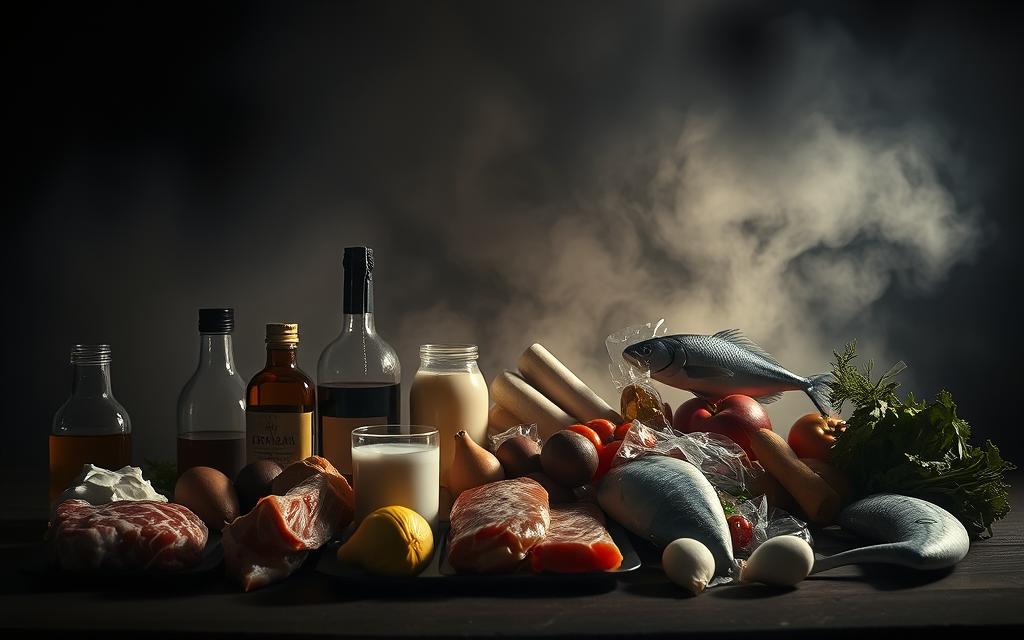
Expectant mothers often wonder how to ensure a healthy pregnancy. The Mayo Clinic Staff says it’s key to know which foods are safe and which to avoid. A balanced pregnancy diet is crucial for the baby’s growth and health.
Some foods can harm the growing baby, so it’s important to know what to steer clear of. By avoiding these foods, pregnant women can reduce risks and have a healthier pregnancy.
Key Takeaways
- Understanding the importance of a safe diet during pregnancy
- Identifying foods that pose risks to the developing baby
- Learning how to minimize risks and have a healthier pregnancy
- Being aware of the potential dangers of certain foods
- Maintaining a well-balanced pregnancy diet
Understanding Pregnancy Nutrition and Food Safety
The diet of a pregnant woman is key for her baby’s growth. A balanced diet gives the baby the nutrients it needs for health and development.
Eating right is more important than just eating more during pregnancy. The foods you choose are vital for your baby’s development. They help form important organs and keep your child healthy.
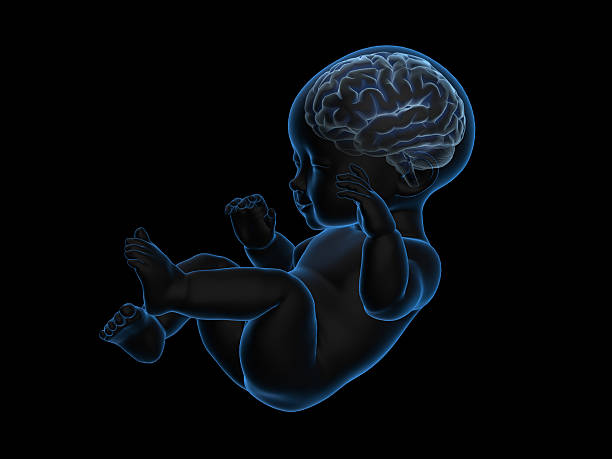
How Your Diet Affects Your Baby’s Development
Your diet directly affects your baby’s growth. Foods like folic acid, iron, and calcium are crucial. They help prevent birth defects and support your baby’s development.
Nutritional Needs During Pregnancy:
- Folic acid to prevent neural tube defects
- Iron to support the mother’s increased blood volume
- Calcium for the baby’s bone development
- Protein for overall growth and development
Why Certain Foods Pose Risks During Pregnancy
Some foods can be risky during pregnancy because of the chance of foodborne illnesses. Bacteria like Listeria and Salmonella can lead to serious problems. These include miscarriage and premature birth.
| Food Category | Potential Risk |
|---|---|
| Raw or Undercooked Meat | Salmonella, E. coli |
| Unpasteurized Dairy | Listeria |
| High-Mercury Fish | Mercury Exposure |
Knowing about these risks helps you make better food choices during pregnancy. Avoiding unsafe foods can lower the risk of complications.
Raw and Undercooked Animal Products
Raw and undercooked animal products are risky for pregnant women. They can carry harmful bacteria and parasites. These can cause foodborne illnesses, affecting both the mother and the baby.
Bacteria like Salmonella and Listeria are big concerns. They can cause serious problems, including miscarriage and premature birth.
Raw Eggs and Egg-Based Foods to Skip
Pregnant women should not eat raw or undercooked eggs. This includes raw cookie dough and homemade mayonnaise. Pasteurized eggs or products are safer choices.
Undercooked Meat and Poultry Dangers
Undercooked meat and poultry can have Salmonella and Campylobacter. Make sure to cook them to 165°F (74°C) to stay safe.
Raw or Undercooked Seafood Risks
Raw or undercooked seafood, like sushi and oysters, can be risky. They may have Vibrio vulnificus and parasites. Pregnant women should avoid these to prevent illness.
By avoiding raw and undercooked animal products, pregnant women can protect themselves and their babies.
High-Mercury Fish and Seafood
High-mercury fish and seafood are risky for pregnant women. It’s important to know which ones to stay away from. Mercury is harmful to the developing fetus, affecting brain and nervous system development.
Large Predatory Fish to Avoid Completely
Pregnant women should avoid large predatory fish with high mercury levels. These include:
- Shark
- Swordfish
- King Mackerel
- Tilefish
These fish are at the top of the marine food chain. They build up mercury in their bodies over time. This makes them unsafe for pregnant women to eat.
Safe Seafood Alternatives for Essential Omega-3s
While some seafood is not safe, there are many low-mercury options. These are rich in omega-3 fatty acids, which are key for fetal development. Safe alternatives include:
| Low-Mercury Fish | Benefits |
|---|---|
| Salmon | Rich in omega-3 fatty acids, supports heart health |
| Sardines | High in omega-3s, calcium, and vitamin D |
| Anchovies | Rich in omega-3s, antioxidants, and selenium |
These fish are safer and provide the nutrients needed for a healthy pregnancy.
Unpasteurized Dairy and Soft Cheeses
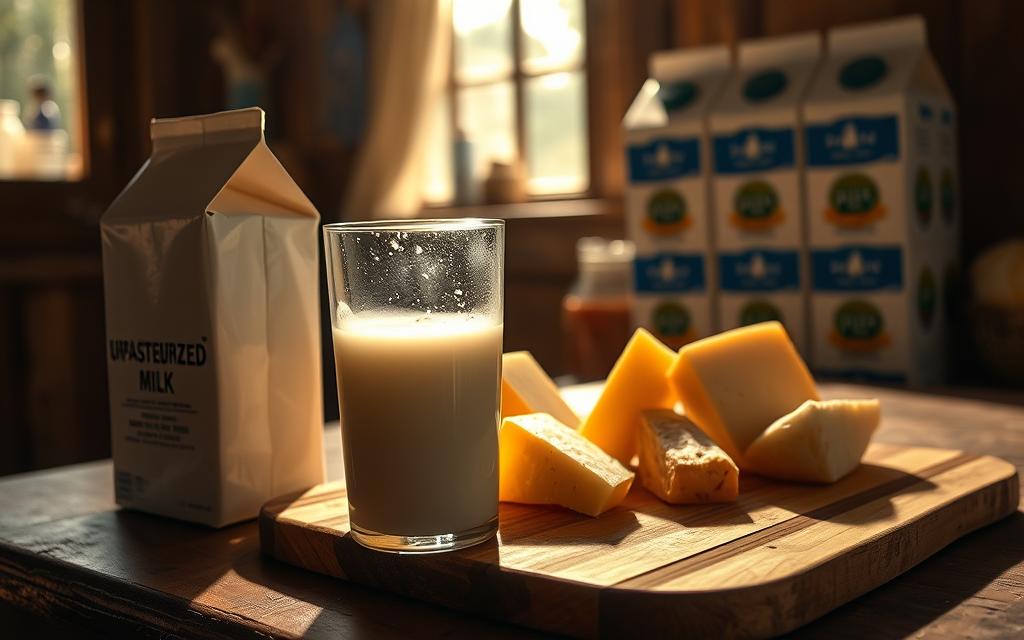
Unpasteurized dairy and soft cheeses can be harmful during pregnancy. The main worry is Listeria, a bacteria that can cause serious infections.
Listeria Risks in Pregnancy
Listeria is very dangerous for pregnant women. It can pass through the placenta, leading to miscarriage, stillbirth, or illness in newborns. Pregnant women are 10 times more likely to get listeriosis than others.
Which Cheeses and Dairy Products to Eliminate
Pregnant women should stay away from unpasteurized dairy. This includes soft cheeses like brie, feta, and goat cheese. Also, avoid raw milk, unpasteurized yogurt, and some ice creams.
Safe Dairy Options for Calcium and Protein
It’s okay to eat pasteurized dairy products. They are safe and full of calcium and protein. Hard cheeses like cheddar and Swiss are safe, along with pasteurized milk, yogurt, and cheese spreads.
Always check labels for pasteurization. Choose products from trusted brands. This way, pregnant women can eat safely and get the nutrients they need.
Foods to Avoid During Pregnancy (and Why) – Complete List
What you eat during pregnancy can affect your baby’s health. It’s key for moms-to-be to know which foods are risky.
Deli Meats and Ready-to-Eat Foods
Deli meats and ready-to-eat foods might have Listeria, a harmful bacteria. This can cause serious illness, miscarriage, or stillbirth. Pregnant women should only eat deli meats if they’re heated until very hot.
Unwashed Produce and Raw Sprouts
Unwashed produce and raw sprouts can have Salmonella and E. coli. Washing fruits and veggies well can help. Avoid raw sprouts because they’re very risky.
Caffeine and Alcoholic Beverages
Too much caffeine can increase miscarriage and growth issues. Pregnant women should have less than 200mg of caffeine daily. Drinking alcohol can cause fetal alcohol spectrum disorders, leading to physical, behavioral, and cognitive problems.
Herbal Teas and Supplements
Some herbal teas are okay, but others might not be. Always check with your doctor before trying any herbal teas or supplements. Herbs like chamomile and peppermint are usually safe, but it’s best to confirm.
| Food Category | Risk | Precaution |
|---|---|---|
| Deli Meats | Listeria contamination | Heat until steaming hot |
| Unwashed Produce | Salmonella and E. coli | Wash thoroughly |
| Caffeine | Miscarriage and growth restriction | Limit to |
| Alcohol | Fetal alcohol spectrum disorders | Avoid completely |
Knowing which foods to avoid can help keep you and your baby safe. Always talk to your healthcare provider about what to eat during pregnancy.
“A well-balanced diet is crucial during pregnancy, but it’s equally important to know which foods to avoid to ensure a healthy pregnancy journey.”
Hidden Dangers in Modern Diets
A balanced diet is key during pregnancy. But, there are hidden dangers in modern diets that pregnant women need to know. The food world today is full of processed and packaged foods that can be risky. Knowing these risks helps expectant mothers make better food choices.
Artificial Sweeteners and Food Additives
Artificial sweeteners and food additives are everywhere, from sugar-free gum to snacks. Pregnant women should be careful about these because some studies link them to pregnancy problems. For example, some artificial sweeteners might raise the risk of early labor. Even though more research is needed, it’s wise for pregnant women to cut down on these substances.
High-Sodium Processed Foods
High-sodium processed foods are another danger. They can cause too much sodium, leading to high blood pressure and fluid retention in pregnancy. Pregnant women should watch their sodium intake and choose low-sodium options. Checking food labels helps spot high-sodium foods.
Trans Fats and Refined Sugars
Trans fats and refined sugars are common in today’s diet and can harm pregnancy health. Trans fats may raise the risk of gestational diabetes and preeclampsia. Too much refined sugar can cause unhealthy weight gain and insulin resistance. Pregnant women should aim to eat whole, nutrient-rich foods instead of processed ones.
By knowing about these dangers, pregnant women can make better food choices. This reduces the risks of modern diets and helps ensure a healthier pregnancy.
What to Do If You’ve Consumed Unsafe Foods
Eating unsafe foods during pregnancy can be scary. But, knowing how to react can help a lot. It’s key to stay calm and take the right steps to protect your health and your baby’s.
When to Contact Your Healthcare Provider
If you’ve eaten something risky, knowing when to get medical help is important. Call your healthcare provider right away if you have severe vomiting, diarrhea, or stomach pain. Also, if you’re not sure about a food’s safety or have health worries, reach out.
Key situations that require immediate attention include:
- Severe symptoms of foodborne illness
- Uncertainty about the safety of consumed food
- Pre-existing health conditions that could be exacerbated
Monitoring for Symptoms of Foodborne Illness
Knowing the signs of foodborne illness is crucial. Symptoms like nausea, vomiting, diarrhea, and stomach cramps are common. If you get any of these, watch them closely and get medical help if they get worse or if you have a fever.
Remember, some foodborne illnesses, like listeriosis, can show symptoms later. So, keep watching out even after you first eat it.
Creating a Safe and Nutritious Pregnancy Diet
A well-planned pregnancy diet supports both the mother’s health and the baby’s growth. It’s important to focus on foods that are full of nutrients.
Nutrient-Dense Alternatives to Restricted Foods
Some foods should be avoided during pregnancy, but there are safe options. For instance, instead of high-mercury fish, choose low-mercury fish like salmon. Salmon is packed with omega-3s, which are good for the baby’s brain.
Meal Planning Tips for Optimal Pregnancy Nutrition
Good meal planning is crucial for a balanced diet during pregnancy. Include a mix of fruits, veggies, whole grains, lean proteins, and healthy fats in your meals. Planning ahead ensures you get the right nutrients and avoid unsafe foods.
By choosing whole, nutrient-rich foods and knowing what to avoid, pregnant women can make a safe and nutritious pregnancy diet. This diet supports their health and their baby’s growth.
Conclusion
A good pregnancy diet is key for the health of both mom and baby. By avoiding bad foods and choosing better ones, moms can help their babies grow well. This helps keep everyone safe and healthy.
It’s important to stay away from raw meat, high-mercury fish, unpasteurized dairy, and some processed foods. These foods can cause sickness and harm. Knowing what to avoid helps keep risks low.
Good pregnancy eating is more than just avoiding bad foods. It’s about picking foods that help the baby grow and keep the mom healthy. Making smart food choices is a big step towards a healthy pregnancy.
By following the advice in this article, women can have a healthy pregnancy. Knowing what foods to avoid is a big part of it. This way, they can enjoy their pregnancy and have a great outcome.