Erectile Dysfunction Without Low Testosterone — Yes, It Happens

Many men think that erectile dysfunction means they have low testosterone. But, this isn’t always true.
Erectile dysfunction (ED) can happen even when testosterone levels are normal. There are many reasons why this might be the case.
It’s important to know that ED is a complex issue. It can be caused by many different things. This article will look at what causes ED and talk about ways to treat it.
Key Takeaways
- Erectile dysfunction can occur with normal testosterone levels.
- Various factors contribute to ED, not just low testosterone.
- Understanding the causes of ED is crucial for effective treatment.
- There are multiple treatment options available for ED.
- Men with ED should consult a healthcare professional for personalized advice.
1. The Common Misconception About ED and Testosterone
Many men think erectile dysfunction (ED) is all about low testosterone. But this idea is too simple. ED is when a man can’t get or keep an erection for sex. While low testosterone might play a part, it’s not the only reason.
ED usually comes from a mix of things. These include Erectile Dysfunction Causes like blood flow problems, diabetes, and some meds. Symptoms of ED include trouble getting or keeping an erection, or feeling less interested in sex.
Some main reasons for ED are:
- Vascular diseases that affect blood flow
- Neurological conditions that impact nerve function
- Hormonal imbalances beyond just testosterone
- Psychological factors such as stress, anxiety, and depression
- Lifestyle factors including smoking, excessive alcohol consumption, and lack of physical activity
It’s important to see ED as a complex issue. By knowing it’s not just about testosterone, doctors can treat it better. This helps men with ED get better care.
2. Erectile Dysfunction Without Low Testosterone — Yes, It Happens: Understanding the Reality
Erectile dysfunction is more than just low testosterone. It’s a complex mix of many factors.
Erectile dysfunction (ED) makes it hard for men to get or keep an erection. It’s a common problem that can affect a man’s mood and relationships.
2.1. How Erections Actually Work: The Complex Process
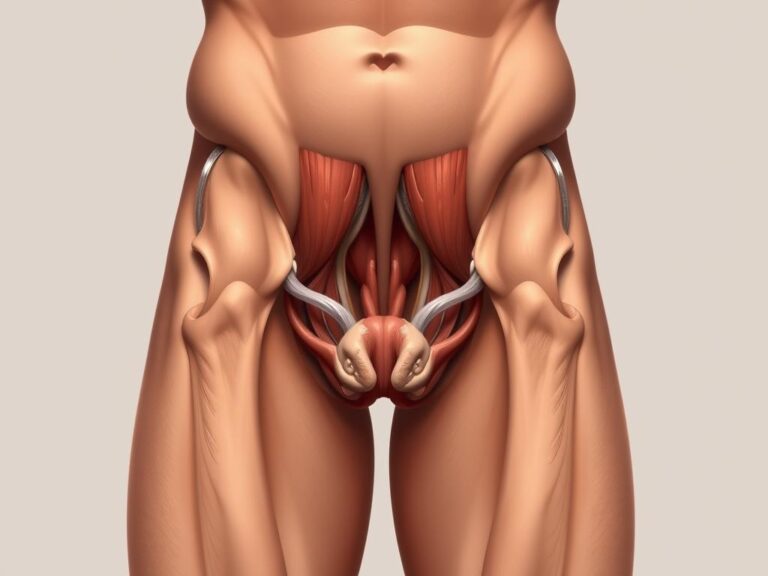
Getting an erection is a complex process. It starts with sexual arousal. This arousal sends signals that relax the penis’s smooth muscle.
When this muscle relaxes, blood flows into the penis. The veins then compress to keep the blood in. This creates an erection. Many things can affect this process, like vascular health, neurological function, and hormonal balance.
2.2. The Role of Testosterone in Sexual Function
Testosterone is key for male sexual health. It affects libido and sperm production. But, its role in erections is more complex.
Even with low testosterone, men can still get erections. Some men with normal testosterone levels still have ED. This shows other factors are at work.
| Factor | Influence on Erections |
|---|---|
| Testosterone Levels | Influences libido and sexual health, but not the sole determinant of erectile function. |
| Vascular Health | Critical for blood flow into the penis; conditions like atherosclerosis can impair erectile function. |
| Neurological Function | Nerve signals are essential for initiating and maintaining an erection; damage can lead to ED. |
2.3. Why Normal T Levels Don’t Guarantee Normal Erections
Having normal testosterone doesn’t mean you won’t have ED. Many men with ED have normal or high testosterone. This shows other factors are involved.
These factors include vascular diseases, diabetes, neurological disorders, and lifestyle factors like smoking. Knowing these causes is key to managing ED.
Managing ED means fixing the underlying causes. This can be through medicine, lifestyle changes, or both. It’s about treating the root of the problem.
3. Vascular Causes: The Most Common Culprit Behind ED
Vascular factors are the main cause of erectile dysfunction. They affect blood flow, making it hard to get an erection. The vascular system is key for blood flow to the penis. When it’s not healthy, erectile dysfunction can occur.
3.1. Atherosclerosis and Arterial Plaque Buildup
Atherosclerosis is a big problem for erectile dysfunction. It causes arteries to narrow, blocking blood flow to the penis. Atherosclerosis is linked to high cholesterol and smoking, both risk factors for ED.
3.2. High Blood Pressure and Compromised Blood Flow
High blood pressure also causes erectile dysfunction. It damages blood vessels, reducing blood flow to the penis. Managing high blood pressure can help improve erectile health.
3.3. Diabetes and Vascular Damage to Penile Tissue
Diabetes is a major cause of erectile dysfunction. It harms blood vessels and nerves. Diabetes can damage penile tissue, leading to erectile problems. Keeping blood sugar levels in check is key for diabetic patients.
3.4. Heart Disease as an Early Warning Sign
Heart disease is closely related to erectile dysfunction. Both share risk factors like high blood pressure and smoking. Erectile dysfunction can be an early sign of heart disease, showing vascular issues that affect the heart.
Understanding vascular causes of erectile dysfunction is vital for treatment. By fixing vascular issues, people can improve their erectile health and overall well-being.
4. Psychological and Emotional Factors Behind ED
The link between erectile dysfunction (ED) and mental health is complex. Physical issues are a big part of ED, but mental and emotional factors also matter a lot. They can help cause or keep ED going.
4.1. Performance Anxiety and Stress-Related Erectile Dysfunction
Performance anxiety is a big psychological factor in ED. The need to do well sexually can make anxiety worse. This anxiety can make it hard to get an erection, starting a cycle of ED. Stress-related erectile dysfunction also shows how stress can hurt sexual performance.
4.2. Depression, Anxiety Disorders, and Mental Health
Mental health issues like depression and anxiety disorders are linked to ED. These can lower sex drive and affect how well you can have sex. It’s key to deal with mental health when managing ED.
- Depression can lower sex desire and affect erections.
- Anxiety can cause a lot of stress, leading to ED.
4.3. Relationship Issues and Communication Barriers
Relationships and how well you talk to each other are key to sexual health. Problems like lack of closeness, unresolved issues, and poor talking can lead to ED. Good Erectile Dysfunction Management often means fixing these relationship problems.
- Couples therapy can help improve talking and closeness.
- Fixing relationship problems can help with ED symptoms.
In summary, mental and emotional factors are big in ED. Good Erectile Dysfunction Therapy must look at these areas. It should help manage stress, anxiety, and relationship issues. By tackling all ED causes, people can find better solutions.
5. Neurological and Medication-Related Causes
Neurological problems and side effects from medications are big reasons for erectile dysfunction. The way our nervous system works with our erections is complex. Any problem in these pathways can cause ED.
5.1. Nerve Damage from Surgery or Physical Injury
Nerve damage is a known cause of erectile dysfunction. Surgeries like prostatectomy can harm nerves around the prostate, causing ED. Physical injuries, especially to the spinal cord or pelvic area, can also mess up the nerve signals needed for an erection. It’s important for those having surgery to talk about nerve-sparing techniques with their doctor.
5.2. Common Medications That Interfere with Erections
Some medications can cause erectile dysfunction as a side effect. This includes antidepressants, antihypertensives, and antipsychotics. For example, SSRIs used for depression can affect sex. Patients should check their medications with their doctor to find out if they might be causing ED.
“The impact of certain medications on erectile function highlights the need for a comprehensive review of a patient’s medication regimen when diagnosing ED.”
5.3. Multiple Sclerosis, Parkinson’s, and Other Neurological Conditions
Conditions like multiple sclerosis and Parkinson’s disease can really affect erections. These diseases can damage the nerves that control erections, leading to ED. Managing these conditions well is key, and doctors might need to change treatment plans to help with ED.
It’s important to understand the neurological and medication-related causes of erectile dysfunction. This knowledge helps doctors create better treatment plans. By focusing on these causes, healthcare providers can help people with ED more effectively.
6. Lifestyle Factors and Underlying Health Conditions
It’s important to understand how lifestyle choices affect erectile dysfunction. Lifestyle factors and health conditions often go hand in hand with ED.
6.1. Obesity, Metabolic Syndrome, and Hormonal Imbalance
Being overweight and having metabolic syndrome can increase the risk of ED. These issues can also cause hormonal imbalances. A drop in testosterone levels can make ED worse.
6.2. The Impact of Smoking and Excessive Alcohol Consumption
Smoking and drinking too much alcohol are big risks for ED. Smoking hurts blood vessels, making it hard for blood to reach the penis. Drinking too much can damage nerves and mess with hormones.
6.3. Sedentary Lifestyle and Lack of Physical Activity
Not being active can lead to many health problems, including obesity and diabetes. These issues are linked to ED. Exercise can help improve blood flow, reduce stress, and boost sexual function.
6.4. Sleep Disorders and Their Effect on Sexual Function
Sleep disorders, like sleep apnea, can harm sexual health. They can lower testosterone and affect erectile function. Treating sleep disorders is key to managing ED.
| Lifestyle Factor | Impact on Erectile Function | Management Strategy |
|---|---|---|
| Obesity | Reduces testosterone, impairs blood flow | Weight loss, dietary changes |
| Smoking | Damages blood vessels, reduces blood flow | Smoking cessation programs |
| Sedentary Lifestyle | Increases risk of cardiovascular disease, diabetes | Regular physical activity, exercise |
| Excessive Alcohol Consumption | Leads to nerve damage, hormonal imbalances | Moderation in alcohol intake |
By tackling lifestyle factors and health conditions, people can improve their ED management. Erectile Dysfunction Solutions often include lifestyle changes and medical treatments.
7. Recognizing Symptoms and Getting Properly Diagnosed
Spotting the signs of erectile dysfunction is the first step to getting help. ED affects millions of men, causing distress and impacting their lives.
7.1. Key Erectile Dysfunction Symptoms to Watch For
Common signs of ED include trouble getting or keeping an erection, less sexual desire, and trouble ejaculating. If you notice these, see a doctor for a check-up.
Key symptoms to watch for:
- Difficulty achieving an erection
- Inability to maintain an erection
- Reduced sexual desire
- Inability to ejaculate
7.2. What to Expect During Your Medical Evaluation
A medical check for ED includes a detailed medical history, physical exam, and lab tests. This helps find the cause of ED.
Your doctor will ask about your health history, surgeries, medicines, and lifestyle.
7.3. Important Diagnostic Tests Beyond Testosterone Levels
While checking testosterone levels is common, other tests might be needed. These include:
| Diagnostic Test | Purpose |
|---|---|
| Blood Glucose Test | To check for diabetes |
| Lipid Profile | To assess cholesterol levels |
| Ultrasound | To evaluate blood flow to the penis |
Knowing the cause of ED is key to effective treatment. By spotting symptoms and getting a proper diagnosis, men can get the right treatment and improve their lives.
8. Effective Erectile Dysfunction Treatment Options and Solutions
Men with erectile dysfunction have many treatment options. These include oral medications and lifestyle changes. Finding the right treatment depends on understanding the cause of ED.
Oral Medications: PDE5 Inhibitors and How They Work
Oral medications, like PDE5 inhibitors, are often the first choice. They increase blood flow to the penis. This helps a man get and keep an erection.
Sildenafil, Tadalafil, and Vardenafil Options
Sildenafil (Viagra), Tadalafil (Cialis), and Vardenafil (Levitra) are well-known PDE5 inhibitors. Each has different effects and side effects.
| Medication | Duration of Action | Common Side Effects |
|---|---|---|
| Sildenafil | 4-6 hours | Headache, flushing |
| Tadalafil | up to 36 hours | Back pain, indigestion |
| Vardenafil | 4-6 hours | Headache, flushing |
What to Expect and Potential Side Effects
PDE5 inhibitors are usually effective but can have side effects. It’s important to talk to a doctor about these risks.
Alternative Medical Treatments
For those who don’t want oral medications, there are other options.
Vacuum Erection Devices
Vacuum erection devices (VEDs) are a non-invasive choice. They work by creating a vacuum around the penis, drawing blood in.
Penile Injections and Urethral Suppositories
Penile injections and urethral suppositories are direct treatments. They involve putting medication directly into the penis or urethra to cause an erection.

Therapy and Counseling Approaches
ED can have psychological roots, making therapy and counseling valuable.
Individual Psychotherapy
Individual psychotherapy can tackle psychological issues that cause ED.
Couples Counseling and Sex Therapy
Couples counseling and sex therapy can improve communication and intimacy. This can help with ED.
Lifestyle Modifications for Erectile Dysfunction Management
Changing your lifestyle can greatly help manage ED.
Exercise and Weight Loss Strategies
Regular exercise and losing weight can improve blood flow. This can reduce the risk of ED.
Dietary Changes That Support Vascular Health
Eating more fruits, vegetables, and whole grains can help vascular health.
Stress Reduction Techniques
Techniques like meditation and yoga can help manage stress-related ED.
Exploring these treatment options and making informed choices can improve life for men with ED.
Erectile Dysfunction Without Low Testosterone: Understanding Your Options
Erectile dysfunction can happen even when testosterone levels are normal. Many factors can cause ED, like vascular issues, psychological factors, neurological conditions, and lifestyle choices.
Knowing that ED can happen without low testosterone can help ease worries. There are many treatments available, from oral medications to lifestyle changes.
If you’re dealing with ED, seeing a healthcare professional is key. They can run tests to find the cause and create a treatment plan just for you.
Understanding ED and looking into treatment options can help you take back control of your sexual health. Erectile Dysfunction Without Low Testosterone is treatable. Getting medical help is the first step towards feeling better.