Erectile Dysfunction: It’s a Vascular Disease, Not Just a Bedroom Issue
Understanding erectile dysfunction is more than just about sex. It affects millions of men globally. Its effects go way beyond just sexual performance.
Erectile dysfunction is a vascular issue. It’s tied to the health of blood vessels. When blood vessels are damaged, blood flow drops. This is a main reason for erectile dysfunction.
The link between vascular health and erectile dysfunction shows why it’s key to care for your heart. If you have erectile dysfunction, it’s important to look at your heart health too.
Key Takeaways
- Erectile dysfunction is closely linked to vascular health.
- Poor cardiovascular health can contribute to erectile dysfunction.
- Understanding the vascular causes can help in managing the condition.
- Lifestyle changes can improve both vascular health and erectile function.
- It’s essential to approach erectile dysfunction as a health issue rather than just a sexual concern.
Understanding the Real Nature of Erectile Dysfunction
Erectile dysfunction is more than a sexual health issue. It’s a complex condition with deep vascular causes. It makes it hard to get or keep an erection for sex. This affects a man’s physical, mental, and emotional health.
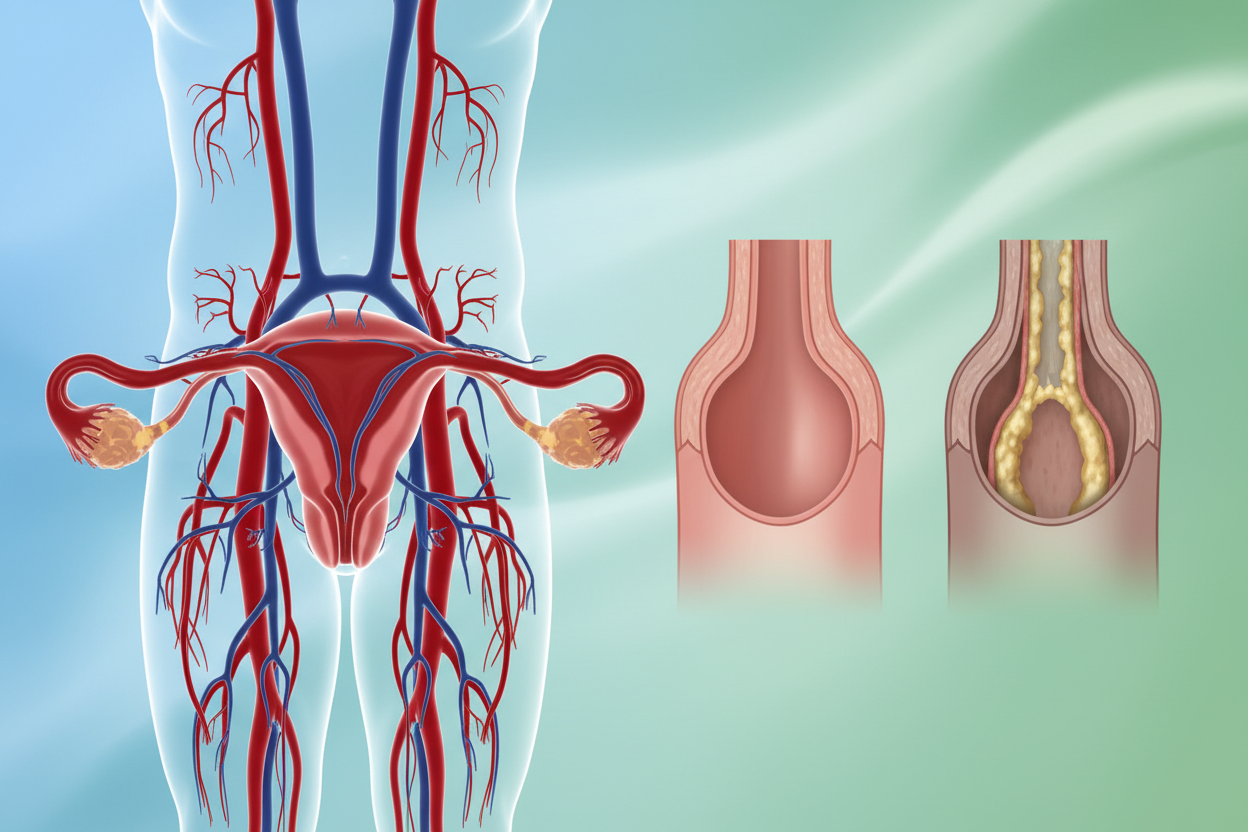
The vascular system is key for an erection. When a man is aroused, his penis’s arteries relax and widen. This lets more blood flow in. At the same time, veins compress, keeping the blood in for an erection. Any problem in this process, often due to vascular issues, can cause ED.
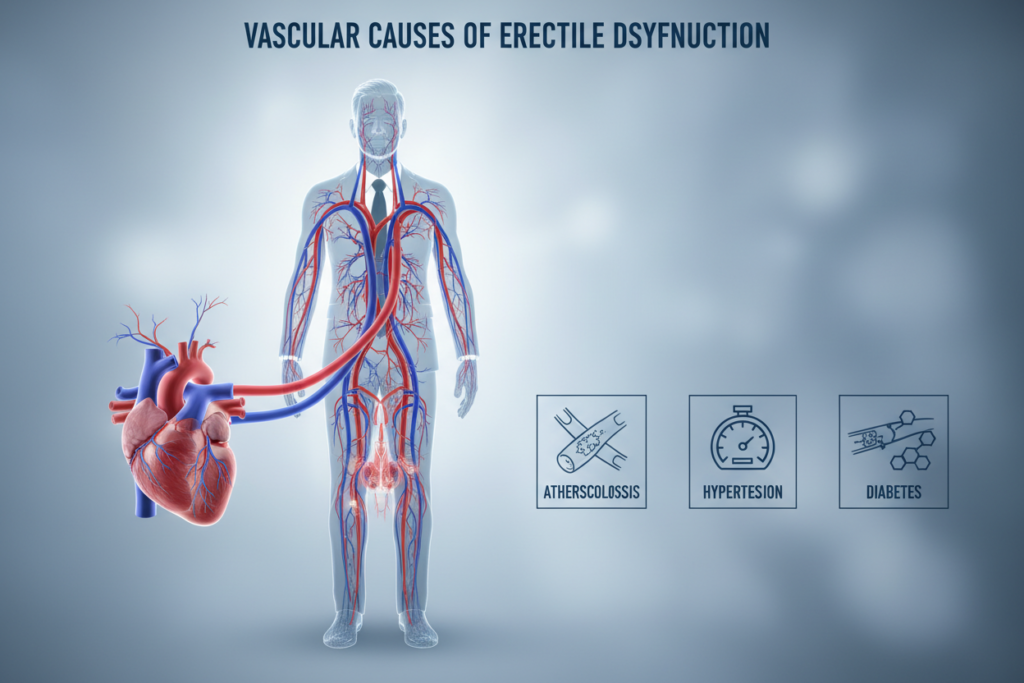
Vascular Causes of Erectile Dysfunction
- Endothelial Dysfunction: The endothelium, a thin layer of cells lining blood vessels, plays a key role in vascular health. When it becomes dysfunctional, it can lead to reduced blood flow.
- Atherosclerosis: The buildup of plaque in the arteries can restrict blood flow to the penis, making it difficult to achieve an erection.
- High Blood Pressure: Hypertension can damage blood vessels, impairing their ability to relax and widen.
Understanding these vascular causes is key to treating ED. The table below shows important vascular factors that contribute to ED.
| Vascular Factor | Impact on ED |
|---|---|
| Endothelial Dysfunction | Reduces nitric oxide production, impairing vasodilation |
| Atherosclerosis | Restricts blood flow to the penis |
| High Blood Pressure | Damages blood vessels, reducing their flexibility |
By seeing ED as a vascular issue, doctors can treat it better. They focus on improving blood vessel health and sexual function.
Erectile Dysfunction Is a Vascular Disease — Not a Bedroom Issue
Vascular health is key to erectile function. It’s important to know how erections work. Erectile dysfunction (ED) is not just a sex problem. It’s about the body’s ability to keep blood flowing.
The Science Behind Erections and Blood Flow
Erections need nerves, hormones, and blood vessels working together. Blood flow is crucial. When a man gets aroused, blood vessels in the penis relax and widen. This lets more blood in.
At the same time, veins that carry blood away from the penis get narrower. This traps blood inside, causing an erection. The health of blood vessels is vital for this process.
Endothelial cells line blood vessels and release important substances. Nitric oxide (NO) is key for starting an erection by making blood vessels wider.
- Increased blood flow is necessary for an erection.
- Healthy endothelial function is crucial for vascular health.
- Nitric oxide plays a key role in vasodilation.
Why Vascular Health Matters for Sexual Function
Vascular health affects erectile function because any blood flow issue can cause ED. Conditions like high blood pressure, diabetes, and high cholesterol can harm blood vessels. This makes it hard to get or keep an erection.
Keeping blood vessels healthy is key to preventing and treating ED. This means exercising regularly, eating well, and not smoking. By focusing on vascular health, you can improve your erectile function and overall health.
- Regular physical activity improves blood flow.
- A healthy diet supports vascular health.
- Avoiding tobacco helps maintain healthy blood vessels.
The Connection Between ED and Cardiovascular Disease
Erectile dysfunction can signal heart problems early on. The link between ED and heart disease lies in the vascular system’s health. The same issues that harm the heart can also cause ED.
ED as an Early Warning Sign of Heart Problems
Studies show ED can warn of heart issues years before they happen. Since penile arteries are smaller, damage shows up as ED first. Men with ED should check for heart disease risk factors.
Shared Risk Factors Between ED and Heart Disease
ED and heart disease share common causes like high blood pressure, high cholesterol, diabetes, smoking, and obesity. These factors harm vascular health, leading to both conditions. Managing these risks is key for both ED and heart disease.
| Risk Factor | Impact on ED | Impact on Cardiovascular Disease |
|---|---|---|
| Hypertension | Damages blood vessels, reducing blood flow | Increases risk of heart attack and stroke |
| High Cholesterol | Contributes to plaque buildup in penile arteries | Leads to plaque buildup in coronary arteries |
| Diabetes | Damages nerves and blood vessels | Increases risk of heart disease and stroke |
The Artery Size Hypothesis
The artery size hypothesis states that smaller penile arteries are more prone to blockages. This makes ED an early sign of vascular disease.
It’s vital to understand the link between ED and heart disease for early detection and management. Men with ED should get checked for heart health, and those with heart disease should watch for ED signs.
How Blood Vessel Damage Causes Erectile Dysfunction
The health of our blood vessels is key to erectile function. Damage to these vessels can lead to ED. Blood vessels are vital for delivering blood to the penis, enabling an erection. When these vessels are damaged, it can result in reduced blood flow, making it hard to achieve or maintain an erection.
Endothelial Dysfunction Explained
Endothelial dysfunction is when the inner lining of blood vessels is damaged. This layer is crucial for vascular health. It produces substances that help regulate blood flow. When the endothelium is dysfunctional, it can lead to a reduction in the production of these substances, impairing blood vessel function and contributing to ED.
The Role of Nitric Oxide in Erections
Nitric oxide (NO) is a key molecule in the erection process. It is produced by the endothelium and helps relax the smooth muscle in blood vessels. Nitric oxide is crucial for achieving an erection, and any impairment in its production or function can lead to erectile dysfunction.
Atherosclerosis and Reduced Blood Flow
Atherosclerosis is a condition where plaque builds up in the arteries, causing them to harden and narrow. This process can significantly reduce blood flow to the penis, making it difficult to achieve an erection. Atherosclerosis is a common underlying factor in many cases of ED, highlighting the importance of vascular health in sexual function.
| Condition | Effect on Blood Vessels | Impact on Erectile Function |
|---|---|---|
| Endothelial Dysfunction | Reduced production of vasodilators | Impaired blood flow, leading to ED |
| Atherosclerosis | Narrowing and hardening of arteries | Reduced blood flow to the penis |
| Nitric Oxide Deficiency | Impaired vasodilation | Difficulty achieving an erection |
Understanding the causes of erectile dysfunction related to blood vessel damage is crucial for developing effective treatment plans. By addressing the underlying vascular issues, men can improve their erectile function and overall sexual health.
Common Vascular Factors That Contribute to ED
Erectile dysfunction often shows signs of vascular problems. These include high blood pressure, high cholesterol, diabetes, and obesity. These conditions not only raise the risk of ED but also harm the vascular health needed for an erection.
High Blood Pressure and ED
High blood pressure, or hypertension, is a major cause of ED. It damages blood vessels, making it tough for blood to reach the penis. Uncontrolled hypertension can cause arteries to narrow and harden, cutting down blood flow and raising ED risk.
High Cholesterol and Arterial Plaque
High bad cholesterol (LDL) can cause plaque buildup in arteries, known as atherosclerosis. This buildup restricts blood flow to the penis, leading to ED. Keeping cholesterol levels healthy is vital to prevent arterial plaque.
Diabetes and Blood Vessel Damage
Diabetes significantly raises the risk of ED. High blood sugar damages blood vessels and nerves that control erections. Managing diabetes is crucial to avoid vascular problems, including ED.
Obesity and Its Impact on Circulation
Obesity is linked to vascular issues, including ED. Excess weight can cause high blood pressure, high cholesterol, and diabetes, all ED risk factors. Weight loss through diet and exercise can improve circulation and lower ED risk.
The vascular factors causing ED are often connected and occur together. By making lifestyle changes and seeking medical treatment, men can improve their vascular health and lower ED risk.
- High blood pressure damages blood vessels, reducing blood flow.
- High cholesterol leads to arterial plaque buildup.
- Diabetes damages blood vessels and nerves.
- Obesity increases the risk of vascular problems.
Understanding and tackling these vascular factors can help men protect their health and lower ED risk.
Recognizing the Symptoms and Getting Diagnosed
Spotting the signs of erectile dysfunction is the first step to finding a cure. ED is more than a sex issue; it can hint at vascular problems that need fixing.
When to Take ED Seriously
Don’t ignore ED if it keeps happening. It’s okay if you sometimes have trouble getting an erection. But if it’s always a problem, it might mean something serious is wrong. Look for signs like chest pain, dizziness, or high blood pressure and see a doctor right away.
ED can be a sign of heart disease. Research shows men with ED are more likely to get heart disease. So, seeing ED as a vascular issue, not just a sex problem, is key.
Medical Tests and Vascular Assessments
Figuring out why ED happens involves medical tests and checks. These help doctors find out what’s causing the problem.
Blood Tests for Vascular Health
Blood tests are vital for finding vascular-related ED. They check for things like high cholesterol, diabetes, and hormone imbalances. For example, testosterone levels affect erections, and low levels can cause ED.
Ultrasound and Imaging Studies
Ultrasound and imaging studies look at blood flow to the penis. They check for problems like atherosclerosis or blockages. A penile Doppler ultrasound is a common test that measures blood flow.
These tests help doctors find the right treatment for ED. By fixing the vascular issues, men can get better erections and improve their heart health too.
Treatment Options for Vascular-Related Erectile Dysfunction
Erectile dysfunction linked to vascular issues needs a treatment that boosts blood flow and heart health. This approach helps manage symptoms and tackle the root causes. It can even reverse or greatly improve the condition.
Medications That Improve Blood Flow
Medications that enhance blood flow to the penis are key for vascular-related erectile dysfunction. These drugs are vital, especially when poor blood flow is the main issue.
PDE5 Inhibitors and How They Work
PDE5 inhibitors, like sildenafil (Viagra) and tadalafil (Cialis), are top choices for erectile dysfunction. They block the phosphodiesterase type 5 enzyme. This keeps cyclic guanosine monophosphate (cGMP) levels high. With more cGMP, smooth muscle in the penis relaxes, improving blood flow and helping to get an erection.
- Effective for: Improving erectile function in men with vascular-related ED.
- Notable benefits: Easy to administer, relatively safe when used as directed.
Other Pharmaceutical Options
Other drugs may treat conditions that lead to erectile dysfunction. For example, medications for high blood pressure, high cholesterol, or diabetes can help. They improve blood flow by addressing overall vascular health.
“Managing underlying cardiovascular risk factors is crucial in the treatment of erectile dysfunction.” – Dr. John Smith, Cardiologist
Treating Underlying Cardiovascular Conditions
Treating the heart and blood vessel issues is key to managing erectile dysfunction. This might include drugs for high blood pressure, statins for cholesterol, or other treatments to boost heart health.
Advanced Medical Interventions
When usual treatments don’t work, advanced options might be considered. These include penile implants, vacuum erection devices, or surgery to enhance blood flow.
- Penile Implants: Surgically implanted devices that can help achieve an erection.
- Vacuum Erection Devices: Non-invasive devices that use a vacuum to draw blood into the penis.
A detailed treatment plan that tackles symptoms and vascular causes can greatly improve erectile dysfunction. Men can see significant benefits from such a comprehensive approach.
Lifestyle Changes That Improve Vascular Health and ED
Making simple lifestyle changes can greatly improve vascular health and lower the risk of erectile dysfunction. By adopting healthier habits, people can boost their overall well-being. This can also help ease symptoms of ED.
Exercise and Physical Activity
Regular exercise is key to keeping good vascular health and preventing erectile dysfunction. It boosts blood flow, lowers blood pressure, and improves heart health.
Cardiovascular Exercise Benefits
Cardio exercises like running, cycling, or swimming are great for heart health. They increase blood flow to the penis. This can lead to stronger erections and better sexual function.
Pelvic Floor Exercises
Pelvic floor exercises, or Kegel exercises, strengthen muscles that support erections. They improve muscle tone and blood flow. This can help with better erectile function.
Diet and Nutrition for Better Blood Flow
Eating a balanced diet with fruits, vegetables, whole grains, and lean proteins supports vascular health. Certain nutrients can also enhance blood flow and heart health.
Foods That Support Vascular Health
Foods rich in antioxidants, like berries and leafy greens, protect blood vessels. Omega-3 fatty acids in fish like salmon also boost heart and vascular health.
Foods to Avoid
Limiting processed foods, saturated fats, and sugars helps keep blood vessels healthy. Reducing alcohol intake is also good for vascular health and erectile function.
Weight Management and Its Impact
Keeping a healthy weight is vital for vascular health and preventing erectile dysfunction. Excess weight, especially around the abdomen, can cause cardiovascular problems and reduce blood flow.
Stress Reduction and Sleep Quality
High stress and poor sleep can harm vascular health and lead to erectile dysfunction. Activities like meditation or yoga can help reduce stress. Good sleep hygiene is also crucial.
By making these lifestyle changes, people can actively improve their vascular health and lower the risk of erectile dysfunction. Always talk to a healthcare provider before starting new exercise or diet plans.
Prevention Strategies for Long-Term Vascular and Sexual Health
To prevent erectile dysfunction and keep your heart healthy, it’s important to have a plan. This plan should include lifestyle changes, managing health conditions, and avoiding harmful substances.
Managing Blood Pressure and Cholesterol
High blood pressure and cholesterol levels can harm your blood vessels, leading to erectile dysfunction. By managing these conditions through lifestyle changes and medication, you can keep your blood flowing well. It’s key to regularly check your blood pressure and cholesterol levels and work with your doctor to keep them in check.
- Maintain a healthy blood pressure level below 130/80 mmHg.
- Keep cholesterol levels in check through diet and exercise.
- Use medication as prescribed by your doctor to manage hypertension and high cholesterol.
Avoiding Tobacco and Limiting Alcohol
Staying away from tobacco and drinking alcohol in moderation is crucial for your vascular health. Tobacco use is a big risk for heart disease and erectile dysfunction, while too much alcohol can harm your blood vessels and sexual function.
- Quit smoking and avoid secondhand smoke.
- Limit alcohol intake to moderate levels (up to one drink per day for women and up to two drinks per day for men).
Regular Health Screenings and Check-Ups
Regular health screenings can spot risk factors for vascular disease and erectile dysfunction early. Talking to your healthcare provider about your risk factors and getting the screenings you need can help prevent problems.
- Schedule regular check-ups with your healthcare provider.
- Undergo recommended screenings for blood pressure, cholesterol, and blood glucose.
Building Heart-Healthy Habits Early
Starting heart-healthy habits early can greatly reduce the risk of vascular disease and erectile dysfunction. Adopting a healthy lifestyle, including a balanced diet and regular exercise, is essential for long-term health.
- Engage in regular physical activity, such as walking, cycling, or swimming, for at least 150 minutes per week.
- Eat a balanced diet rich in fruits, vegetables, whole grains, and lean proteins.
- Maintain a healthy weight to reduce the risk of obesity-related complications.
Taking Action: When to Consult a Healthcare Provider
Don’t ignore erectile dysfunction. It’s a sign of a bigger health issue. Erectile dysfunction (ED) can be a sign of heart disease. This is why you should see a doctor.
Why You Shouldn’t Ignore ED Symptoms
Ignoring ED symptoms can harm your health. It’s not just about sex. Vascular issues often cause ED and can lead to heart problems if not treated.
“Erectile dysfunction is a condition that affects not just the quality of life but is also a marker of systemic vascular disease,” says a leading expert in urology. This quote shows why ED is serious and needs medical attention.
What to Expect During Your Doctor Visit
At your doctor’s office, you’ll get a full check-up. This includes:
- A detailed medical history to find any underlying conditions.
- A physical exam to look for signs of vascular disease.
- Talking about your lifestyle and how it might affect your ED.
Your doctor might also suggest tests to check your blood pressure or cholesterol.
Preparing for Your Appointment
To get the most from your visit, prepare ahead. Here’s how:
- Gather Information: Write down your symptoms and when they started.
- List Your Medications: Bring a list of all your medications.
- Be Open About Your Lifestyle: Talk about your diet, exercise, smoking, and alcohol use.
Being ready and open with your doctor helps find the cause of your ED. Together, you can make a plan to fix it.
Conclusion
Erectile Dysfunction Is a Vascular Disease that affects millions of men worldwide. It’s important to understand this condition for effective treatment and prevention. The health of blood vessels is key to achieving and maintaining an erection.
In this article, we’ve looked at the science behind erections and how ED is linked to heart disease. We’ve also discussed the common vascular factors that cause ED. Recognizing symptoms and getting diagnosed is the first step to addressing the causes.
Treating ED needs a comprehensive approach. This includes lifestyle changes, managing health conditions, and sometimes medical interventions. Focusing on vascular health can improve overall well-being and lower the risk of other health issues.
It’s crucial to take control of vascular health for sexual function and overall health. Making informed choices and seeking medical care when needed can help prevent and manage ED.