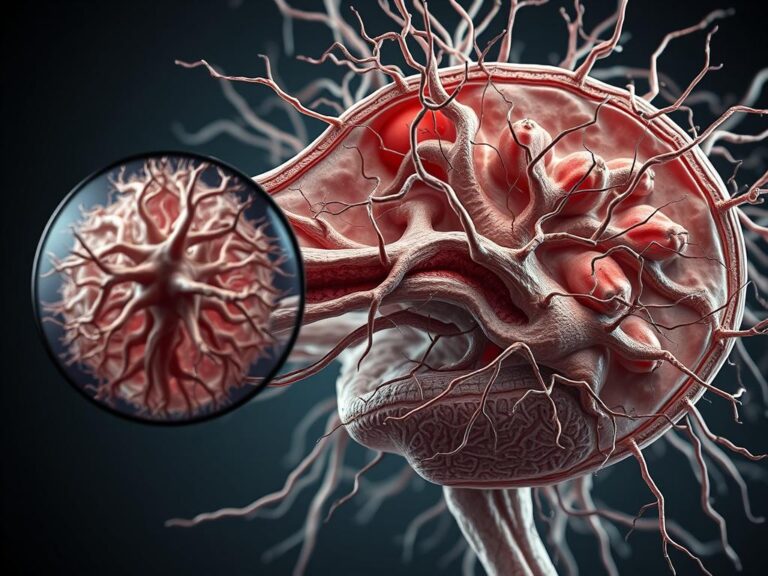
Erectile Dysfunction Isn’t About Sex — It’s Your Body’s Early Warning System

Erectile dysfunction (ED) is often seen as a sensitive topic. But it’s more than just a sexual issue.
It’s a signal from your body that something might be off. Studies show that ED can be an early sign of health problems like heart disease or diabetes.
Understanding the link between ED and health is key. It helps find the real cause of the problem.
Key Takeaways
- Erectile dysfunction can be a sign of underlying health issues.
- ED is linked to cardiovascular disease and diabetes.
- Addressing ED requires understanding its connection to overall health.
- Early detection of underlying issues can improve treatment outcomes.
- ED is not just a sexual issue, but a potential health warning.
Why Erectile Dysfunction Deserves Your Immediate Attention
Erectile dysfunction is often a warning sign of health issues that need quick action. The American Heart Association says there’s a strong link between ED and heart health. They note, “Erectile dysfunction can be an early warning sign for cardiovascular disease.”
Knowing about erectile dysfunction is key because it can signal big health risks. Studies show ED can be a sign of heart problems years before they happen. This makes it a crucial early warning for men’s health.
Ignoring erectile dysfunction can lead to serious health problems. These include heart disease, diabetes, and high blood pressure. It’s important to see ED as more than just a sexual issue. It can be a sign of vascular or neurological problems.
“The relationship between erectile dysfunction and cardiovascular disease is complex and bidirectional,” a study in the Journal of the American College of Cardiology found. This highlights the need for thorough health checks when ED symptoms appear.
Key health risks linked to erectile dysfunction include:
- Cardiovascular disease
- Diabetes
- Hypertension
- Neurological disorders
Dealing with erectile dysfunction quickly can help catch and manage these health issues early. This can prevent more serious health problems from developing.
Erectile Dysfunction Isn’t About Sex — It’s Your Body’s Early Warning System for Serious Health Issues
Erectile dysfunction (ED) is more than just a sexual problem. It affects millions of men worldwide, causing distress and impacting their quality of life. But, it’s also a sign of serious cardiovascular issues.
The Vascular Connection: What Your Blood Vessels Are Telling You
The link between erectile dysfunction and heart health is strong. Poor blood circulation, a sign of heart disease, also causes ED. The blood vessels are key to getting and keeping an erection. Damage or narrowing of these vessels can lead to ED.
Seeing ED as a sign of heart problems is crucial. Men with ED should check for heart risk factors. This is because ED often shows up before heart disease does.
Why Erectile Problems Often Appear Years Before Heart Disease
ED can signal heart disease early because the penis’s blood vessels are smaller. Any blockage here can affect erections before it does in bigger arteries.
- The penile arteries are smaller and more prone to blockages.
- Reduced blood flow can impair erectile function.
- Early detection of ED can provide a window of opportunity for cardiovascular risk assessment.
The Artery Size Difference That Makes ED an Early Detector
The size difference between penis and other arteries is key. Smaller penis arteries are more at risk from atherosclerosis. This makes ED a sign of potential heart problems.
Healthcare providers can act early to prevent heart disease by linking ED to heart health. This shows ED is more than a sexual issue. It’s a sign of broader health concerns.
The Real Causes Behind Erectile Dysfunction You Need to Know
Erectile dysfunction is more than a sex issue. It often shows health problems that need attention. Knowing the causes is key to fixing ED and improving health.
Cardiovascular Disease and Poor Blood Circulation
Heart disease is a big reason for erectile dysfunction. Good blood flow is needed for an erection. Damage or narrowing of blood vessels can reduce blood to the penis, causing ED.
High blood pressure, high cholesterol, and smoking can harm blood vessels. This can lead to ED.
Diabetes and Blood Sugar Imbalances
Diabetes is another big cause of erectile dysfunction. High blood sugar can damage nerves and blood vessels. This makes it hard to get an erection.
Keeping blood sugar in check is important. It helps avoid nerve and vascular damage from diabetes.
| Condition | Effect on Erectile Function | Management Strategy |
|---|---|---|
| Diabetes | Nerve damage and vascular complications | Blood sugar control, lifestyle modifications |
| Cardiovascular Disease | Poor blood circulation | Healthy diet, regular exercise, medication |
Hormonal Deficiencies and Low Testosterone
Hormonal imbalances, especially low testosterone, affect erections. Testosterone is important for sex drive and getting erections. Low testosterone can come from aging, obesity, or medical conditions.
Checking and treating hormonal issues can help with erections.
Neurological Disorders and Nerve Damage
Conditions like Parkinson’s disease, multiple sclerosis, and stroke can damage nerves. This can lead to ED. Nerve damage from surgery or injury can also cause ED.
Knowing the neurological causes helps manage ED better.
Recognizing erectile dysfunction causes is the first step to fixing health issues. Whether it’s heart disease, diabetes, hormonal imbalances, or neurological disorders, finding the cause is crucial. This leads to effective treatment and better health.
Critical Health Risks That Erectile Dysfunction May Be Signaling
Erectile dysfunction can signal serious health risks that need quick action. It’s not just a sex issue but a warning for bigger problems. These problems can be severe if not treated.
Heart Attack and Stroke: The Cardiovascular Connection
Erectile dysfunction is often linked to heart disease. This increases the risk of heart attack and stroke. The same issues that cause ED, like poor blood flow and high blood pressure, can harm the heart too. Men with ED should get checked for heart disease risk to avoid serious problems.
- High blood pressure
- High cholesterol
- Smoking
- Diabetes
- Obesity
Type 2 Diabetes and Metabolic Syndrome
There’s a strong link between ED and type 2 diabetes and metabolic syndrome. These conditions cause insulin resistance, high blood sugar, and bad lipids. They can harm blood vessels and nerves, leading to ED.
Spotting these conditions early through ED awareness can lead to better health outcomes.
Hypertension and Arterial Damage
Hypertension, or high blood pressure, is a big risk for ED. It can damage arteries, reducing blood flow to the penis. This leads to erectile problems. Managing high blood pressure through lifestyle changes and meds can help with ED symptoms.
Sleep Apnea and Oxygen Deprivation
Sleep apnea, a condition with pauses in breathing during sleep, is linked to ED. The lack of oxygen can harm blood vessels and nerves, affecting erectile function. Treating sleep apnea can improve ED symptoms and quality of life.
Seeing the connection between ED and these health risks can help people get medical help early. This can prevent more serious health problems from happening.
Recognizing Erectile Dysfunction Symptoms and Warning Signs
Erectile dysfunction symptoms can signal serious health issues. It’s not just about not being able to get an erection. Other physical signs and changes in patterns can point to bigger problems.
Physical Symptoms Beyond Difficulty Achieving Erections
Men with erectile dysfunction might notice other physical signs. These signs aren’t just about sex. They can include:
- Fatigue and Low Energy: Feeling very tired can mean heart or hormone problems.
- Changes in Urination: Trouble urinating or weak flow can hint at prostate issues.
- Pain or Numbness: Leg or foot pain or numbness might mean nerve or blood flow issues.
Patterns and Frequency Changes to Monitor
Watching how often and when erectile dysfunction happens can help figure out what’s causing it. Keep an eye on:
- Frequency of ED Episodes: Are they rare or happening all the time?
- Timing of ED: Does it happen with everyone or just certain people?
- Associated Factors: Are there things that make ED worse?
Related Symptoms That Indicate Systemic Problems
Erectile dysfunction can be a sign of bigger health issues. Look out for other symptoms like:
- High Blood Pressure: High blood pressure can harm blood vessels and cause ED.
- High Cholesterol: High cholesterol can lead to artery blockages, affecting blood flow.
- Obesity and Metabolic Syndrome: These can raise the risk of diabetes and heart disease, both linked to ED.
Spotting these symptoms and knowing how they relate to erectile dysfunction is key. If you notice any, seeing a doctor is a must.
How Your Lifestyle Choices Are Contributing to Erectile Dysfunction
Choosing the right diet and exercise can greatly affect your erectile health. Erectile dysfunction often shows up when there are bigger health problems. These problems are often caused by our daily choices.
The Foods That Harm and Help Your Sexual Function
What you eat is key to your erectile health. Eating too much processed food, sugar, and unhealthy fats can harm your blood vessels. This can make it hard to get an erection. But, eating lots of fruits, veggies, whole grains, and lean proteins can help your heart and improve your sex life.
- Foods to Avoid: Processed meats, high-sugar foods, and saturated fats.
- Foods to Include: Leafy greens, berries, nuts, and fatty fish.
Exercise Frequency and Cardiovascular Fitness
Staying active is vital for your heart and sex health. Exercise boosts blood flow, cuts down on inflammation, and keeps your blood vessels healthy. Try to do at least 150 minutes of moderate exercise or 75 minutes of hard exercise each week.
- Aerobic exercises like walking, cycling, or swimming.
- Resistance training to build muscle and boost testosterone.
- High-intensity interval training (HIIT) for improved cardiovascular fitness.
Smoking, Alcohol Consumption, and Drug Use Effects
Smoking, drinking too much, and using drugs are bad for your sex life. Smoking hurts your blood vessels, alcohol messes with hormones, and some drugs mess with signals for erections.
- Smoking: Damages vascular health and reduces blood flow.
- Excessive Alcohol: Can lead to hormonal imbalances and nerve damage.
- Drug Use: Certain drugs can directly impact erectile function and overall health.
Chronic Stress and Poor Sleep Patterns
Stress and bad sleep can hurt your sex life. Stress can mess with hormones, especially cortisol, which lowers testosterone. Not sleeping well can make these problems worse.
To fight stress, try meditation, yoga, or deep breathing. Make sure to sleep 7-9 hours each night.
Essential Medical Tests and Health Screenings for Erectile Dysfunction
Diagnosing erectile dysfunction (ED) is more than just noticing symptoms. It involves finding the underlying health problems through detailed medical tests. When someone has ED, doctors often suggest several tests to find the main cause.
These tests are key because ED often signals bigger health issues like heart disease or diabetes. Finding these problems early lets doctors start treatments that help with ED and improve health overall.
Comprehensive Cardiovascular Evaluations
Heart disease is a big reason for ED, making heart checks very important in diagnosing ED. These checks usually include:
- Blood Pressure Monitoring: High blood pressure can harm blood vessels, making it hard for blood to reach the penis.
- Lipid Profiling: Checking cholesterol levels helps spot patients at risk for atherosclerosis, a condition that can cause ED.
- Electrocardiogram (ECG): An ECG can find heart problems that might be causing ED.
Hormone Panel and Testosterone Testing
Hormonal imbalances, especially low testosterone, can affect how well you can get an erection. A hormone panel test looks for any hormone problems that might be causing ED.
Testing for testosterone is a big part of this check-up. Low testosterone is linked to less sex drive and ED. Doctors also test other hormones, like thyroid hormones, to check for related issues.
Blood Glucose and Lipid Profile Analysis
Diabetes is a known risk factor for ED, making blood sugar tests crucial. Lipid profile analysis, which checks different types of cholesterol and triglycerides, is also key. This is because bad cholesterol levels can lead to vascular disease and ED.
These tests give doctors important information about the patient’s metabolic health. This helps them create a treatment plan that tackles ED and its underlying causes.
Understanding the results of these medical tests and screenings lets doctors offer treatments that target the main causes of ED. This improves not just sexual health but overall well-being.
Effective Erectile Dysfunction Treatment Approaches That Target Root Causes
Treating erectile dysfunction requires a detailed plan that gets to the heart of the issue. Healthcare experts tailor treatments to meet each patient’s unique needs. This way, they can tackle the main causes of ED.
Prescription Medications and How They Work
For many, the first step in treating ED is medication. Phosphodiesterase type 5 (PDE5) inhibitors like sildenafil and tadalafil are often used. These drugs boost blood flow to the penis, helping men get and keep an erection.
It’s important to note that these drugs don’t work for everyone. They can also have side effects. Always talk to a doctor to find the right medication and dosage for you.
Treating the Underlying Medical Conditions First
Fixing the health issues that lead to ED is key. Problems like diabetes, hypertension, and heart disease can really affect a man’s ability to get an erection. By managing these conditions, men can see big improvements in their erectile health.
- Making healthy lifestyle choices, like eating right and exercising, can help manage chronic health issues.
- Medicines for conditions like diabetes and high blood pressure can also help with ED.
Psychological Therapy and Counseling Options
Stress, anxiety, and depression can also cause ED. Psychological therapy and counseling can help men deal with these issues. Cognitive-behavioral therapy (CBT) and sex therapy are especially helpful.
Counseling can also help men handle the emotional side of ED. This can greatly improve their overall well-being.
Advanced Medical Interventions and Procedures
For those who don’t get better with initial treatments, advanced medical interventions might be needed. This includes things like penile implants, vacuum erection devices, and injections. These options are more serious but can be very effective for severe ED.
It’s vital to talk about the risks and benefits of these treatments with a doctor. This helps decide the best option for each person.
Proven Strategies for Erectile Dysfunction Prevention and Long-Term Health
Preventing erectile dysfunction (ED) is more than just focusing on sex. It’s about living a healthy lifestyle. By eating well, managing health issues, and reducing stress, you can lower your risk of ED.
Building a Heart-Healthy Diet and Exercise Routine
Eating a diet full of fruits, veggies, whole grains, and lean proteins is key. It helps your heart stay healthy, which is important for avoiding ED. Regular exercise, like walking or swimming, also boosts your heart health and overall well-being.
Key dietary components include:
- Foods high in antioxidants like berries and leafy greens
- Omega-3 fatty acids found in fish and nuts
- Whole grains that help maintain healthy blood vessels
Achieving and Maintaining a Healthy Weight
Keeping a healthy weight is vital for avoiding ED. Too much belly fat can lead to heart disease and diabetes, both ED risks. Eating right and exercising regularly can help you stay at a healthy weight.
Tips for weight management:
- Monitor calorie intake and balance it with physical activity
- Aim for at least 150 minutes of moderate-intensity exercise per week
- Incorporate strength training to build muscle and boost metabolism
Managing Existing Chronic Health Conditions
If you have conditions like diabetes, hypertension, or heart disease, managing them well is crucial. Stick to your meds, make lifestyle changes, and keep an eye on your health markers.
| Condition | Management Strategy |
|---|---|
| Diabetes | Monitor blood glucose levels, adhere to medication, and maintain a healthy diet |
| Hypertension | Regular blood pressure checks, lifestyle changes, and medication adherence |
| Heart Disease | Follow a cardiologist’s recommendations, including lifestyle changes and medication |
Stress Reduction and Mental Wellness Practices
Stress can hurt your ability to get an erection. Try stress-reducing activities like meditation or yoga. Also, keep your mind healthy with social activities, hobbies, and enough sleep.
Stress reduction techniques:
- Mindfulness meditation and yoga
- Deep breathing exercises and progressive muscle relaxation
- Engaging in hobbies and spending time in nature
By using these strategies every day, you can lower your risk of ED and improve your overall health.
Taking Action: When and How to Talk to Your Doctor About Erectile Dysfunction
Talking to your doctor about erectile dysfunction is more than just a sexual issue. It could be a sign of a bigger health problem. So, it’s important to be open and ready for the conversation.

Overcoming Embarrassment and Starting the Conversation
Feeling embarrassed is normal when talking about erectile dysfunction. But, doctors are trained to handle these topics. Start by being honest about your symptoms. Say something like, “I’ve been having trouble with erections and I’m worried it might be a health issue.”
Writing down your symptoms and when they started can help. It gives your doctor a better understanding of your situation.
What to Expect During Your Medical Evaluation
Your doctor will ask about your medical history and do a physical exam. They’ll want to know about your lifestyle and any health issues. This helps find the cause of your ED.
Your doctor might suggest tests like blood work. These tests check for diabetes, hormone levels, and heart health. They’re key to finding the cause of your ED and figuring out how to treat it.
Questions to Ask Your Healthcare Provider
Having questions ready can make your visit more helpful. Ask things like:
- What could be causing my erectile dysfunction?
- What tests or exams do you recommend?
- How can I treat the conditions causing my ED?
- Are there lifestyle changes that can help?
Being open, prepared, and proactive helps you talk better with your doctor about erectile dysfunction. This can help you address your ED and any related health issues early.
Conclusion
Erectile Dysfunction is not just a personal issue. It’s a sign that your body might have bigger health problems. It’s important to understand this to take care of your health.
Seeing Erectile Dysfunction as a warning sign can help you tackle health issues early. This means making smart lifestyle choices, getting the right medical tests, and finding the right treatment.
Starting to take care of your health begins with realizing how important Erectile Dysfunction is. It’s a chance to check your overall health, make changes, and get advice from doctors.
With the right knowledge, you can change how you view health. Instead of seeing Erectile Dysfunction as a problem, see it as a chance to live better.